Motor skills development Normal Letter Recognition Worksheets for Ages 3-5
3 filtered results
-
From - To
Explore our Motor Skills Development Normal Letter Recognition Worksheets specifically crafted for children ages 3 to 5. These engaging worksheets are designed to enhance fine motor skills while promoting letter recognition. Each activity encourages little learners to trace, draw, and practice letters in a fun, interactive way. By integrating motor skills development with early literacy foundations, our worksheets facilitate a well-rounded learning experience. Perfect for both home and classroom use, these resources ensure that young children build confidence and skill as they embark on their educational journey. Start fostering a love for letters and learning today with our thoughtfully designed worksheets!

Letter H Tracing Page
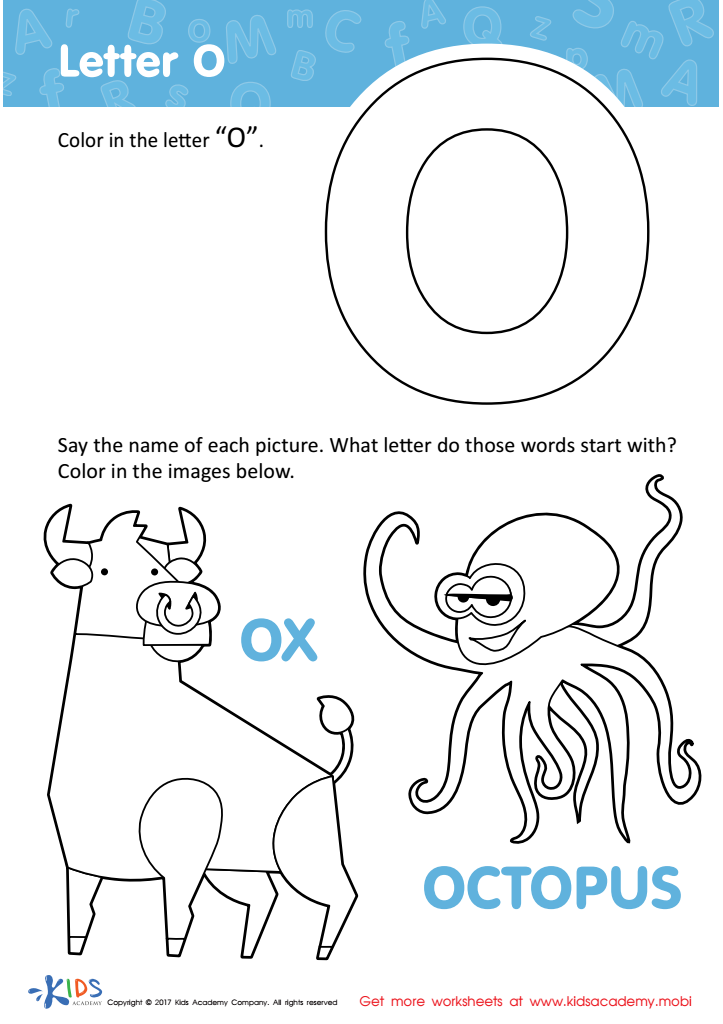
Letter O Coloring Sheet
 Assign to My Students

Letter B Tracing Page








Motor skills development and letter recognition are crucial elements in a child’s early learning journey, particularly for those aged 3-5. During this stage, children are developing foundational skills that influence their overall academic performance.
Fine motor skills, such as holding a pencil, cutting with scissors, and manipulating small objects, directly impact a child's ability to write and engage in various activities. When children practice these skills frequently, they become more confident in their ability to perform tasks that require precision, promoting independence.
Letter recognition, on the other hand, serves as the gateway to literacy. Recognizing letters helps children understand that text carries meaning and is essential for reading and writing. At this age, children are naturally curious, and introducing them to letters through fun and engaging activities can foster a love for learning.
Teachers and parents can incorporate games, art, and stories to support this development. By investing time and resources in promoting motor skills and letter recognition, adults lay the groundwork for academic success and personal growth. Nurturing these abilities leads to enhanced cognitive development, better communication skills, and an improved self-esteem, preparing children for the educational experiences that lie ahead.








