Letter Tracing Practice Normal Tracing Letters Worksheets for Ages 3-5
3 filtered results
-
From - To
Welcome to our Letter Tracing Practice page designed for ages 3-5! Here, young learners can explore normal tracing letters worksheets that introduce them to the alphabet in a fun and engaging way. Our resources help children develop essential fine motor skills and hand-eye coordination as they trace each letter. Each worksheet is colorful and designed to capture the interest of preschoolers, making learning enjoyable. These activities promote letter recognition and build the foundation for reading and writing. Download our printable worksheets today and watch your little ones gain confidence and excitement in their early literacy journey! Perfect for home or classroom use!
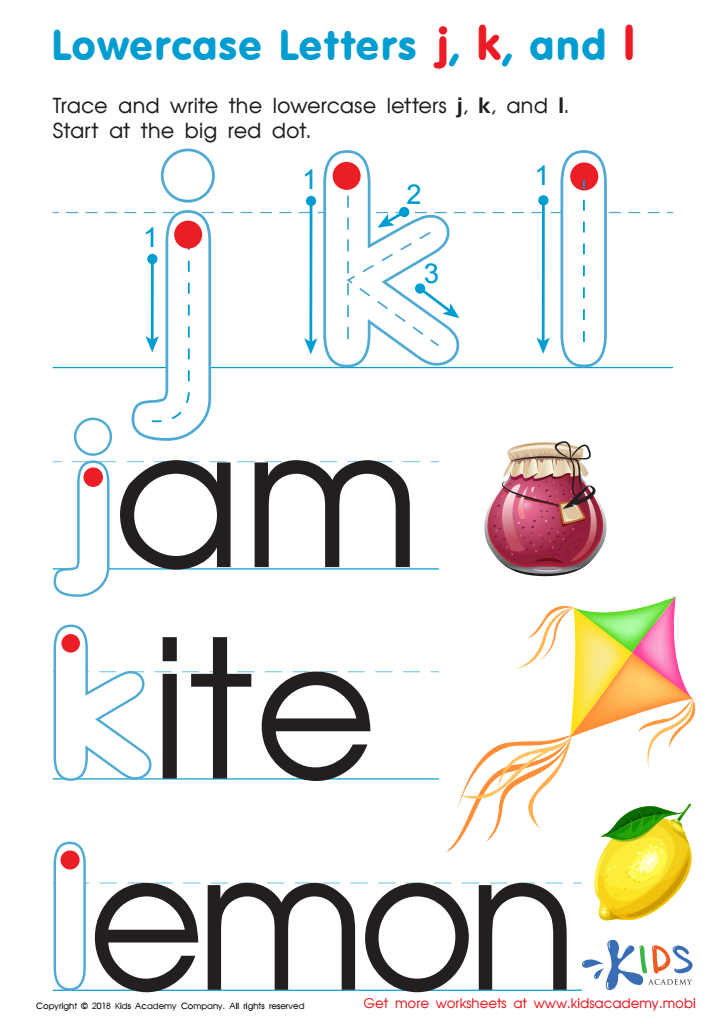
Lowercase Letters j k l Worksheet
 Assign to My Students
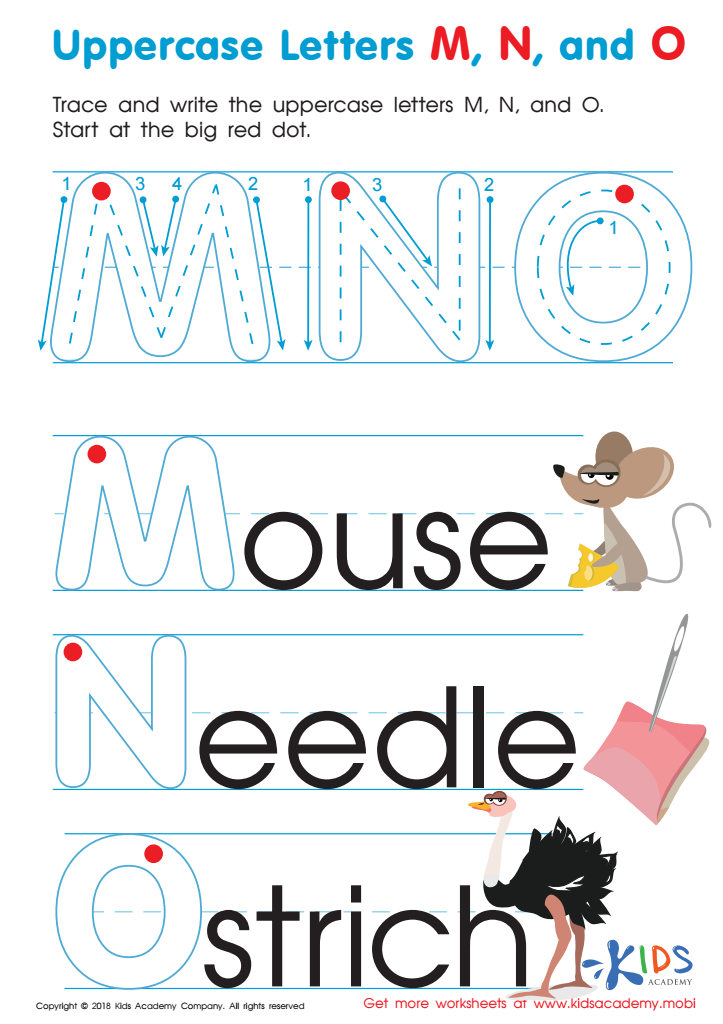
Uppercase Letters M, N, and O Worksheet
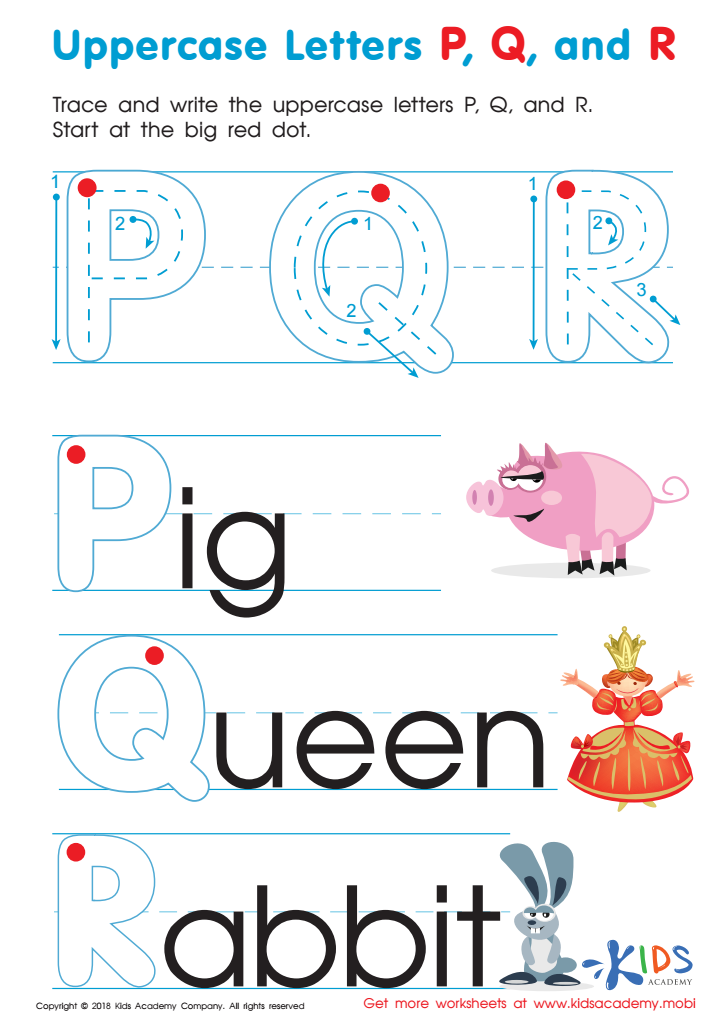
Uppercase Letters P, Q, and R Worksheet








Letter tracing practice is a vital component of early childhood education, especially for children aged 3 to 5. This activity not only introduces children to the alphabet but also reinforces fine motor skills crucial for writing. By tracing letters, young learners develop hand-eye coordination and strengthen the small muscles in their hands, paving the way for more complex writing tasks later on.
Additionally, letter tracing fosters cognitive development as it helps children recognize letter shapes and learn their sounds, linking the visual form of letters to their phonetic counterparts. This correlation is foundational for reading and spelling, building essential literacy skills that will benefit children throughout their academic journey.
Moreover, incorporating letter tracing into routine practice makes learning interactive and enjoyable, encouraging a positive attitude toward education early on. With guidelines to follow, children gain confidence in their abilities as they see their progress over time, cultivating a growth mindset.
For parents and teachers, prioritizing letter tracing practice is not merely about teaching letters; it lays the groundwork for successful communication skills and literacy development that are crucial for a child's future learning experiences. Thus, engaging in letter tracing is an investment in a child’s educational foundation!








