Uppercase identification Normal Upper & Lowercase Letters Worksheets for Ages 3-5
5 filtered results
-
From - To
Help your little learners master the basics of alphabet recognition with our engaging Uppercase Identification Normal Upper & Lowercase Letters Worksheets. Perfectly designed for ages 3-5, these educational worksheets will guide your child through the exciting journey of identifying and differentiating uppercase and lowercase letters. These fun, interactive activities are tailored to enhance fine motor skills, improve letter familiarity, and boost early literacy skills. Ideal for both classroom and home use, our worksheets make learning the alphabet an enjoyable experience for young children. Begin building a strong foundation in reading and writing today!
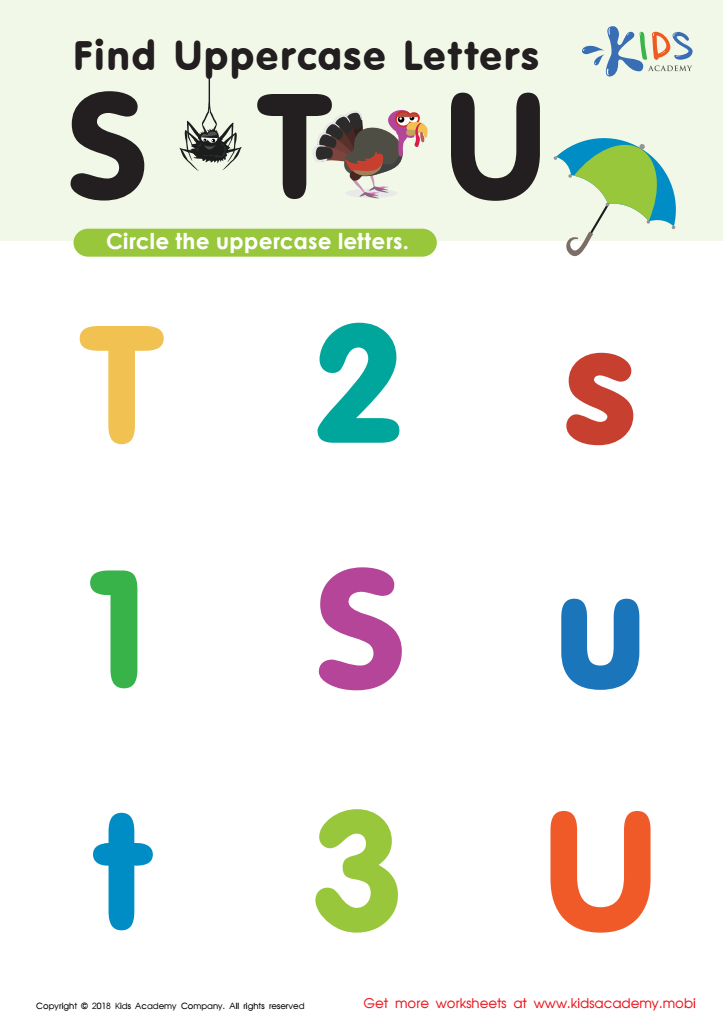
Find Uppercase Letters Worksheet
 Assign to My Students
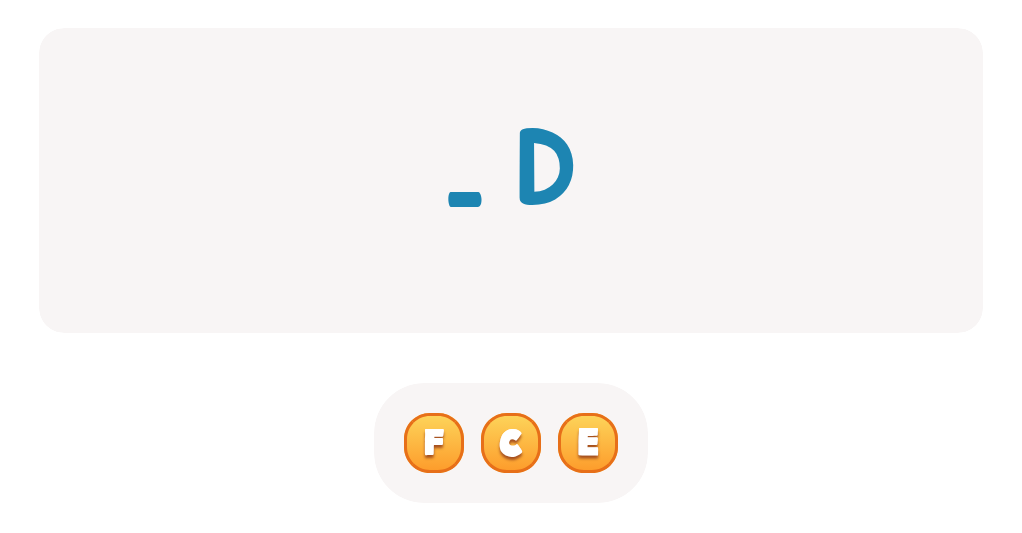

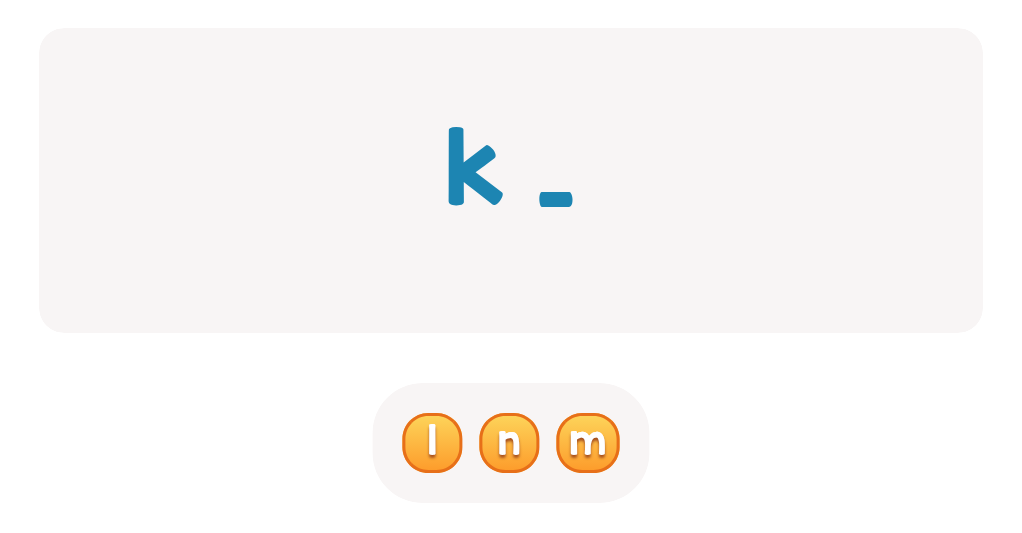
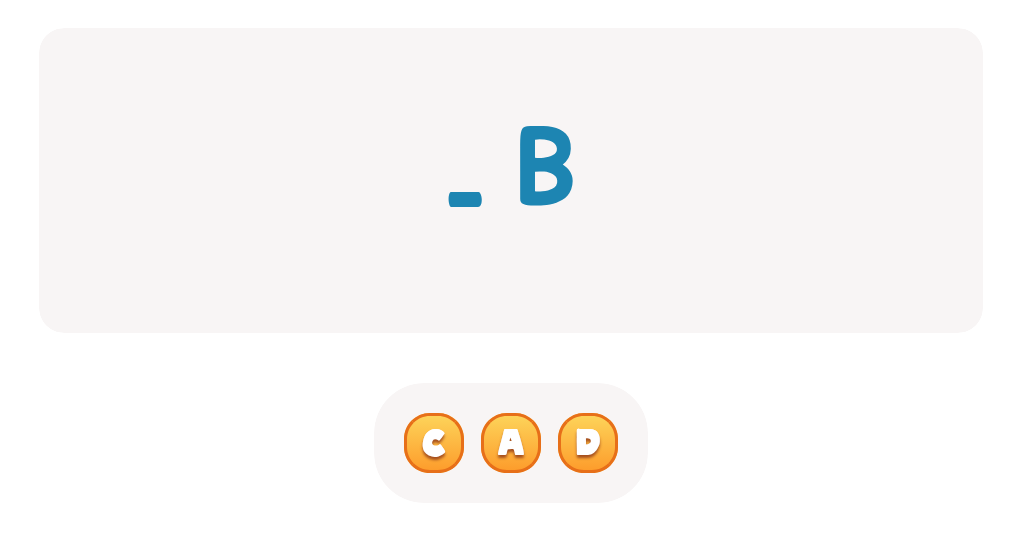
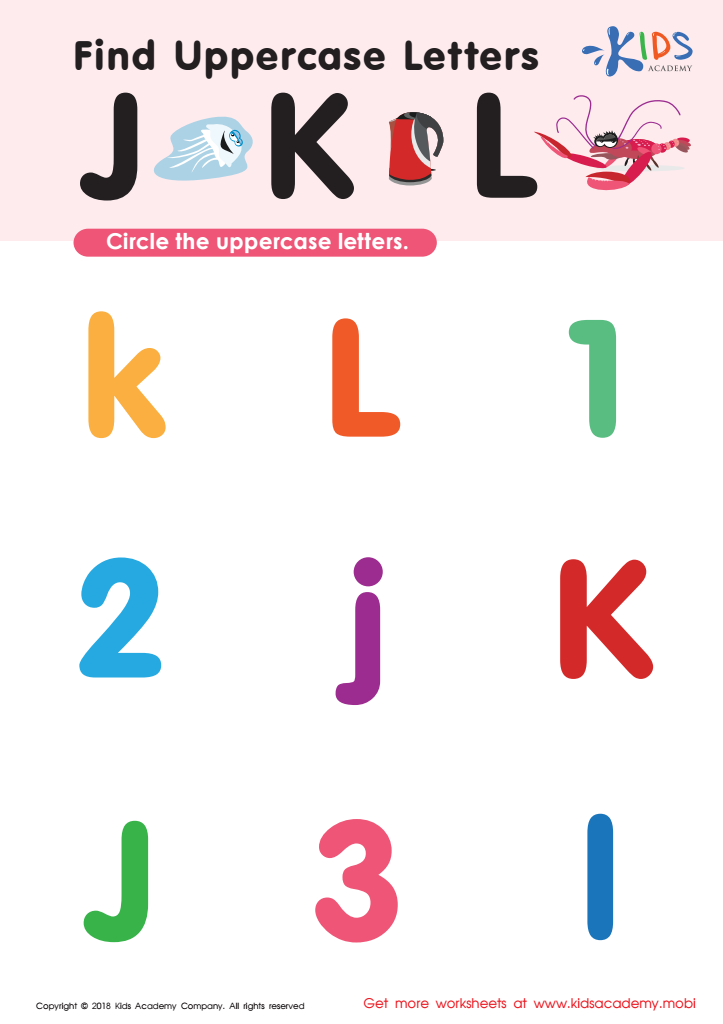
Find Uppercase Letters J, K, and L Worksheet

Find Uppercase Letters A, B, and C Worksheet
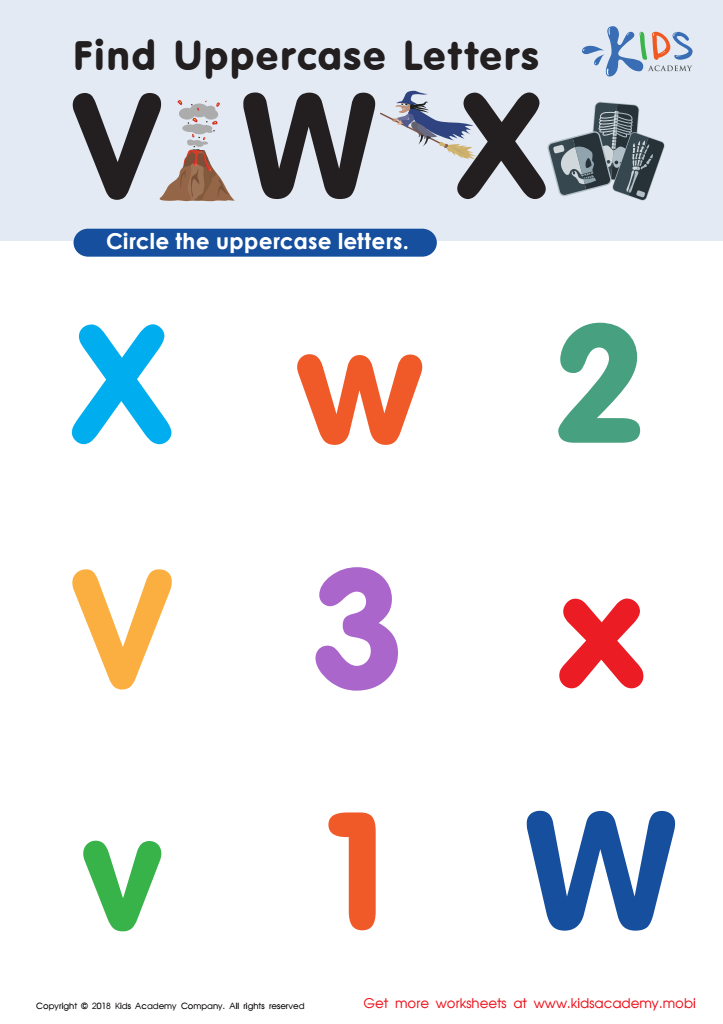
Find Uppercase Letters V, W, X Worksheet
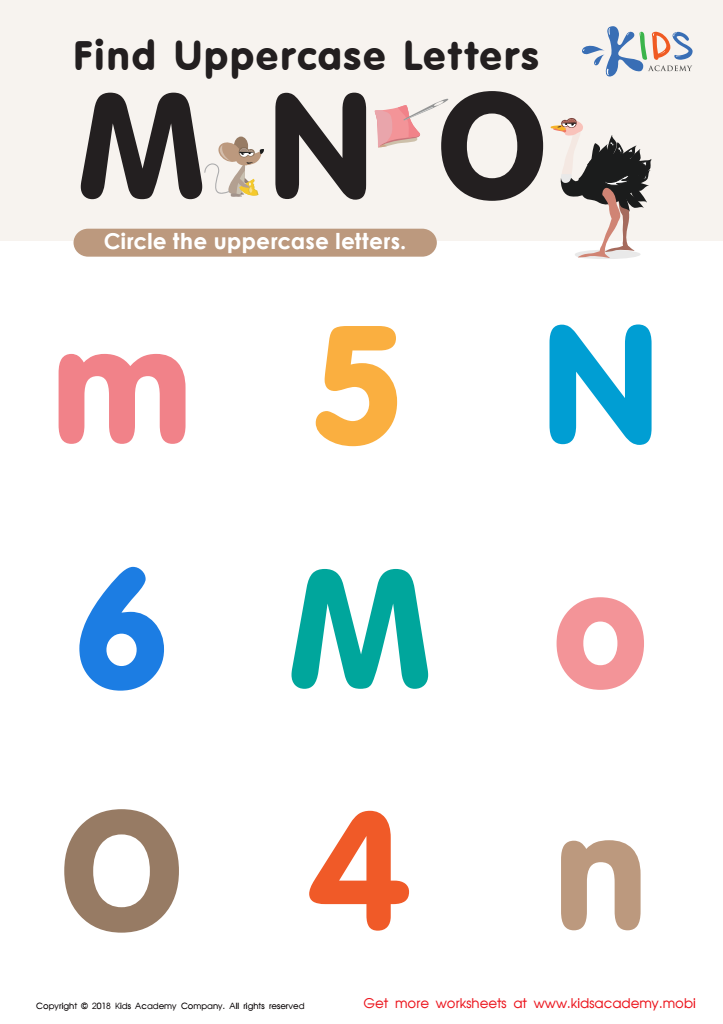
Find Uppercase Letters M, N, and O Worksheet






Uppercase identification and the understanding of both uppercase and lowercase letters are fundamental skills for children ages 3-5, laying the foundation for future reading and writing success. At this critical stage, young children are developing their cognitive and motor skills rapidly, and learning the alphabet is a key milestone. Recognition of uppercase letters often comes first as these letters are usually simpler in form and more prominent in children's environments, such as on toy blocks, billboards, and in picture books. This recognition helps children begin to associate symbols with sounds, an essential step in phonemic awareness.
Understanding both uppercase and lowercase letters aids in enhancing literacy skills. Most print materials, like books and worksheets, primarily use lowercase letters, so familiarity with these is crucial for seamless reading fluency. Early mastery of both cases supports spelling and writing because it allows children to understand the structure and rules of written language, like when to use capital letters in sentences and names.
For young learners, early instructional interventions by parents and teachers therefore create a strong foundation in these critical areas, contributing to higher academic achievement in subsequent years. Engaging children with playful and creative activities can make learning these essentials fun and effective, fostering a love for reading and learning.







