Alphabet Recognition Normal English for Beginners Worksheets for Ages 3-5
19 filtered results
-
From - To
Discover our engaging "Alphabet Recognition Normal English Worksheets" tailored for beginners aged 3-5! These worksheets are designed to foster early literacy skills through fun and interactive activities that help young learners recognize letters and their sounds. Featuring colorful visuals and easy-to-follow instructions, children will enjoy tracing, matching, and identifying letters in a playful context. Perfect for parents and educators, our resources support hands-on learning, encouraging little ones to build a strong foundation in English. Start your child's educational journey with these engaging worksheets, nurturing a love for letters and language from an early age. Explore the fun of alphabet learning today!
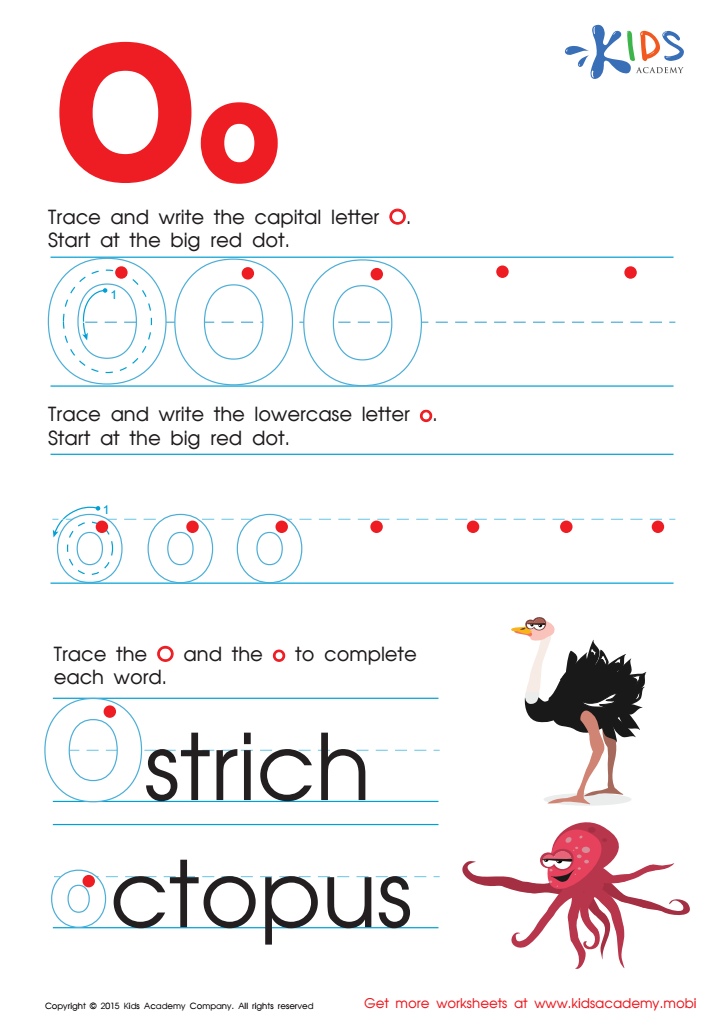
Letter O Tracing Page
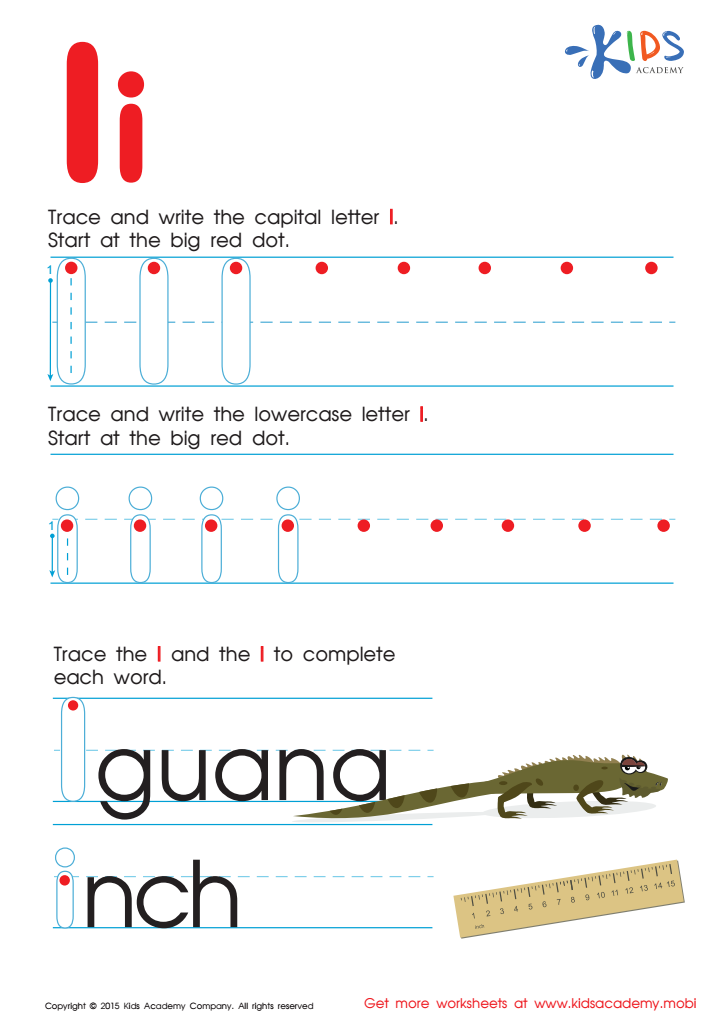
Letter I Tracing Page
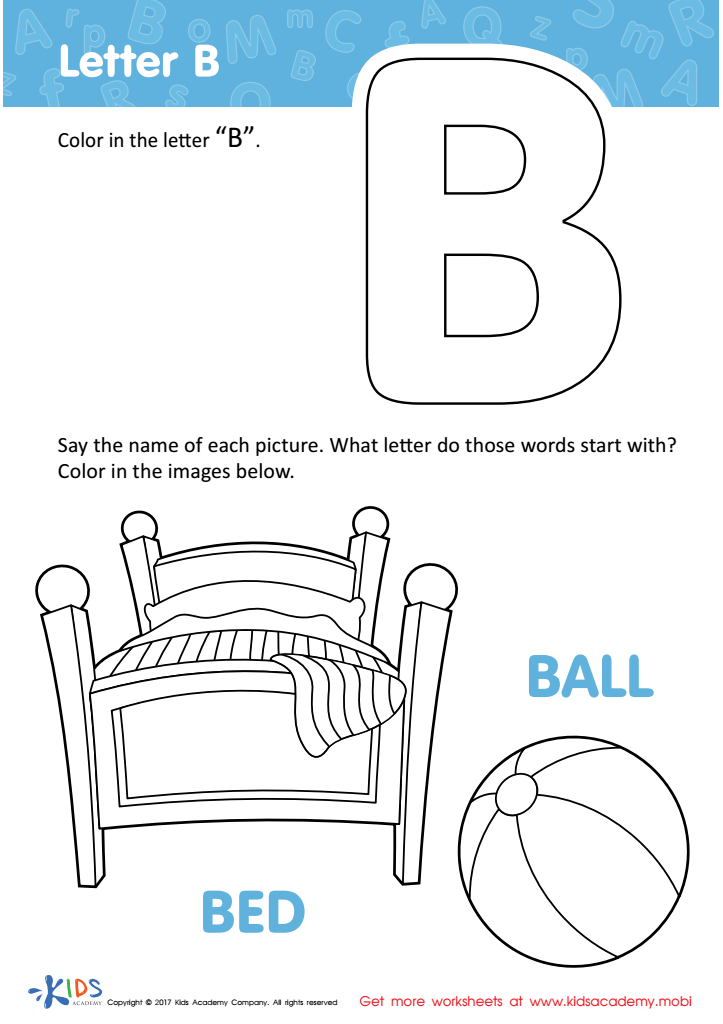
Letter B Coloring Sheet
 Assign to My Students
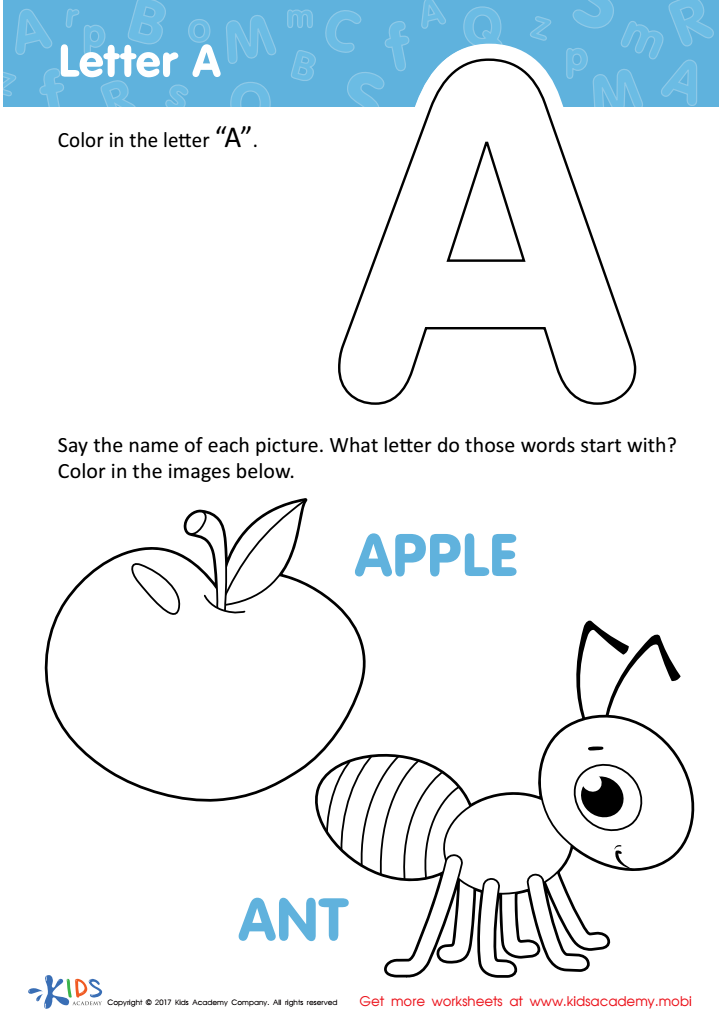
Letter A Coloring Sheet
Assign to My Students
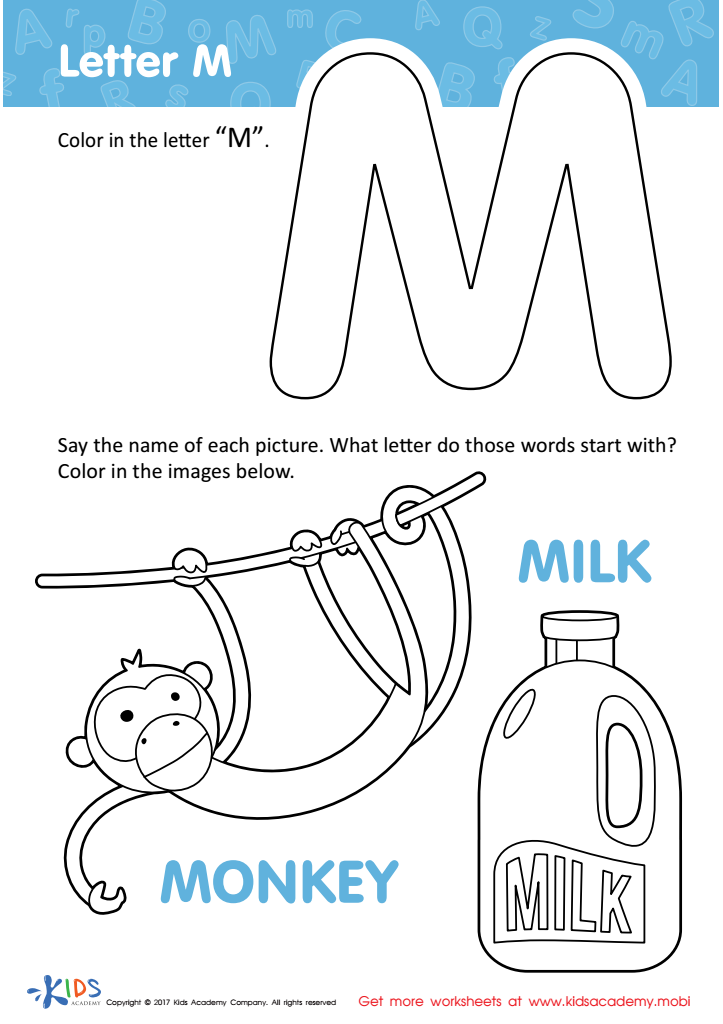
Letter M Coloring Sheet
Assign to My Students
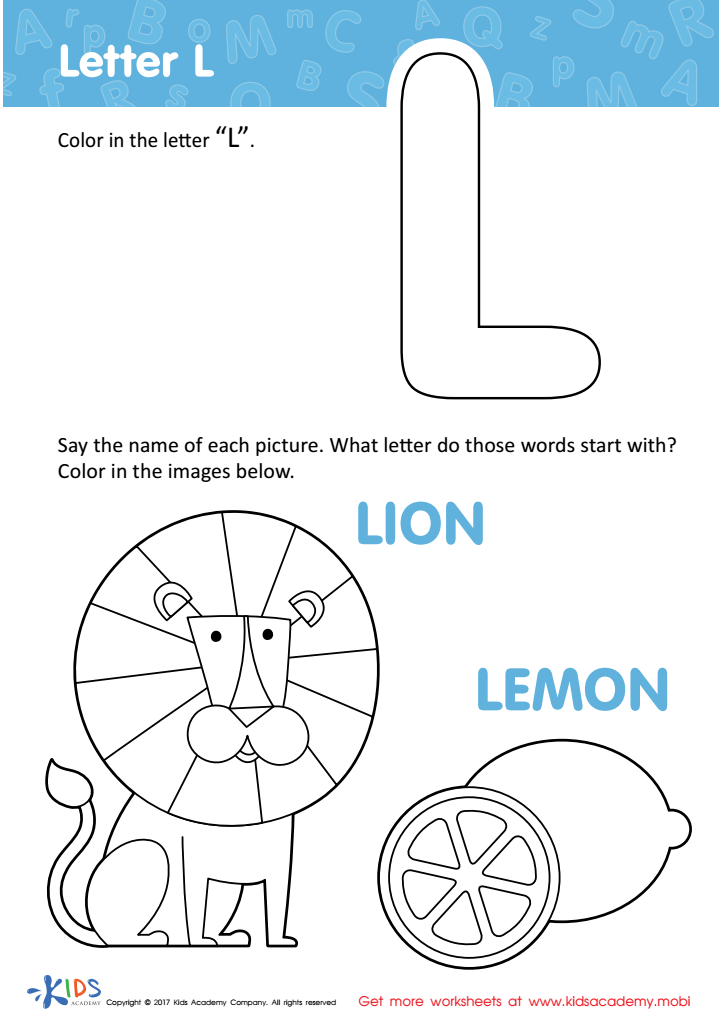
Letter L Coloring Sheet
Assign to My Students

Letter C Tracing Page
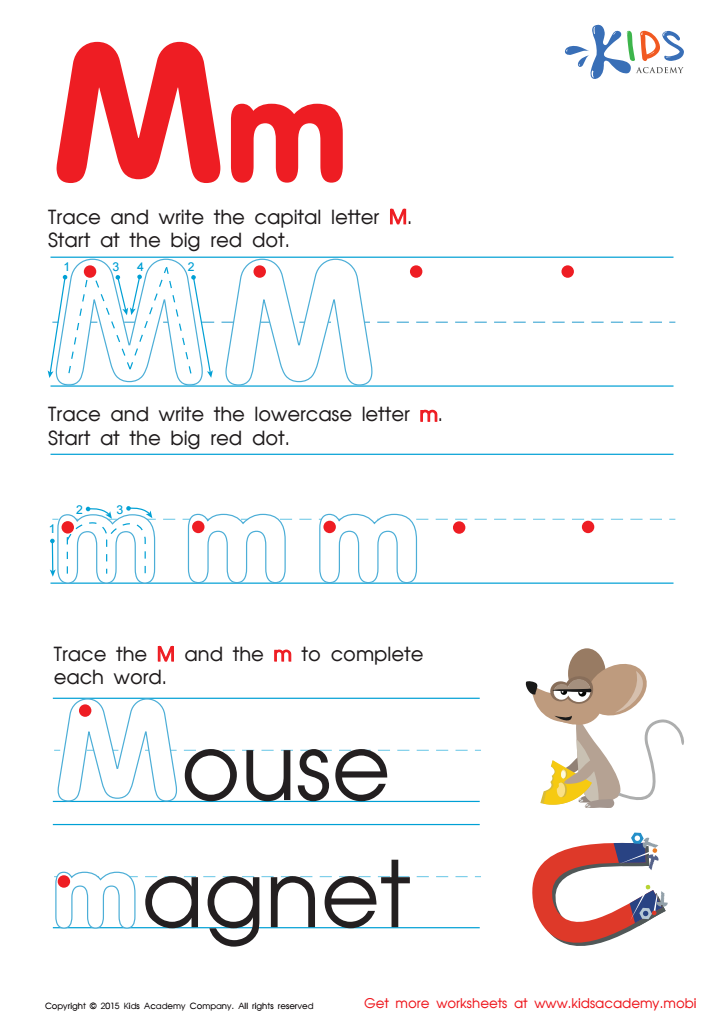
Letter M Tracing Page
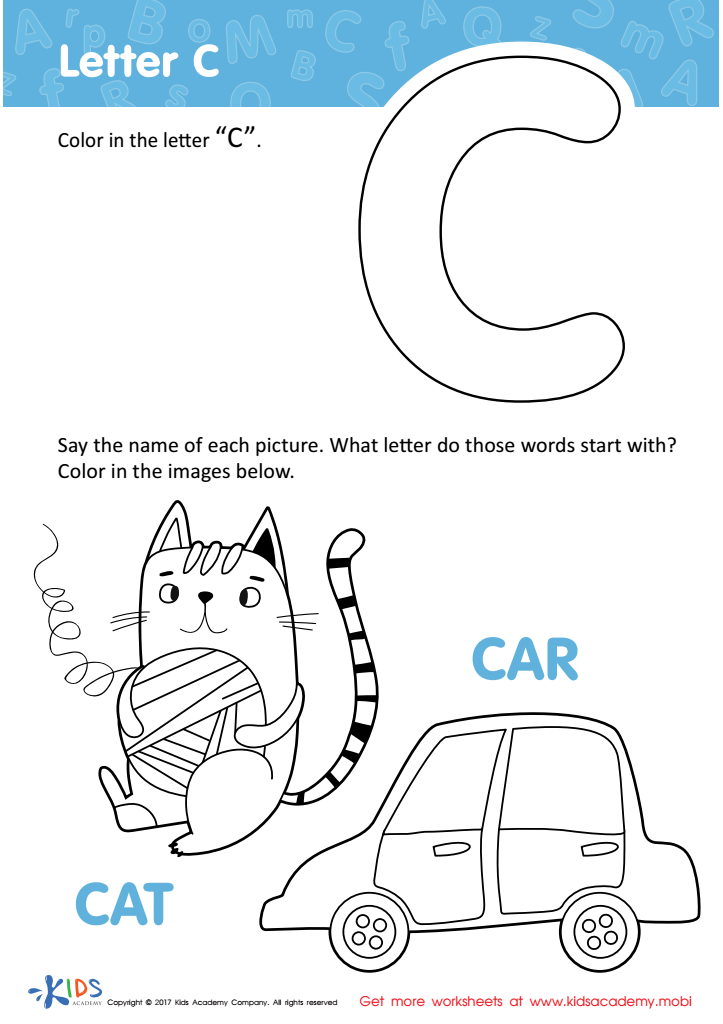
Letter C Coloring Sheet
Assign to My Students
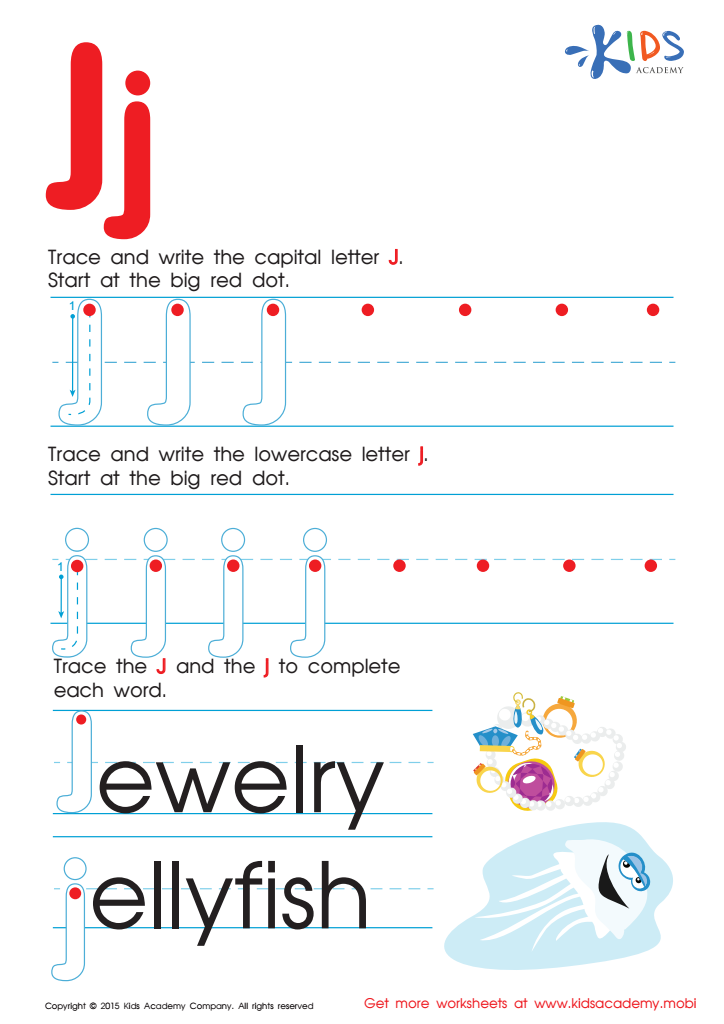
Letter J Tracing Page
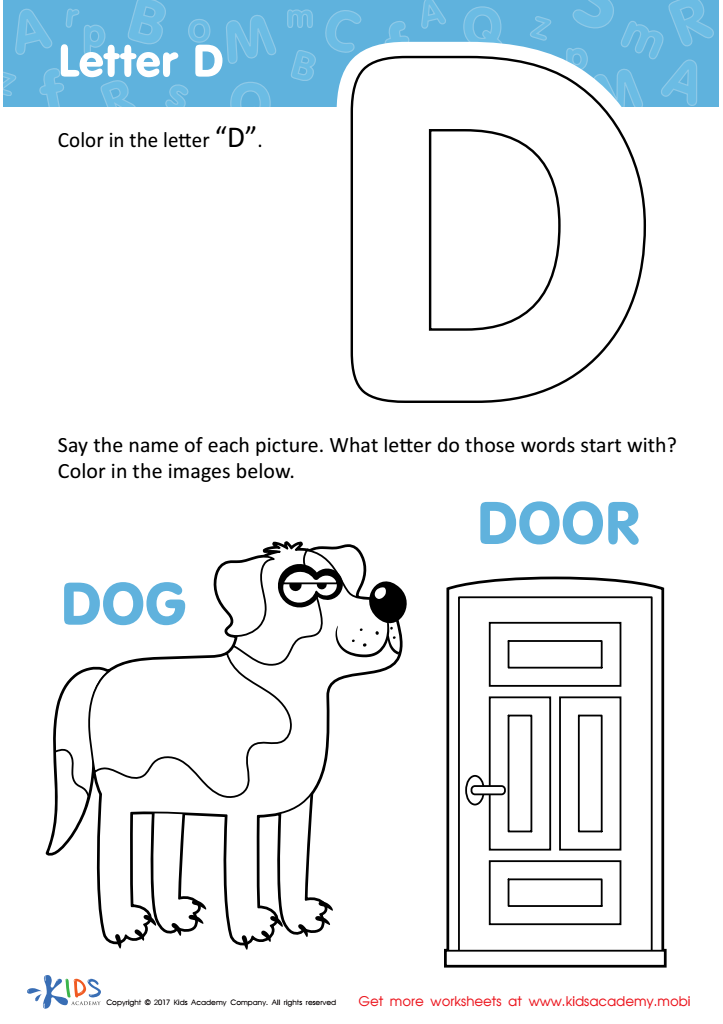
Letter D Coloring Sheet
Assign to My Students
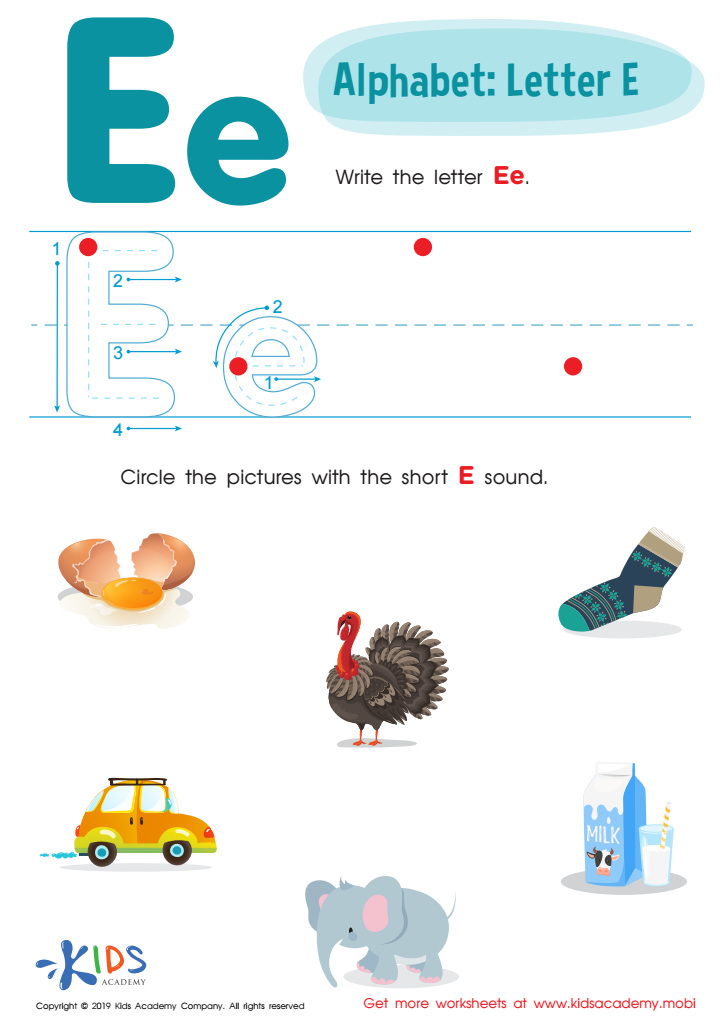
Letter E Tracing Worksheet
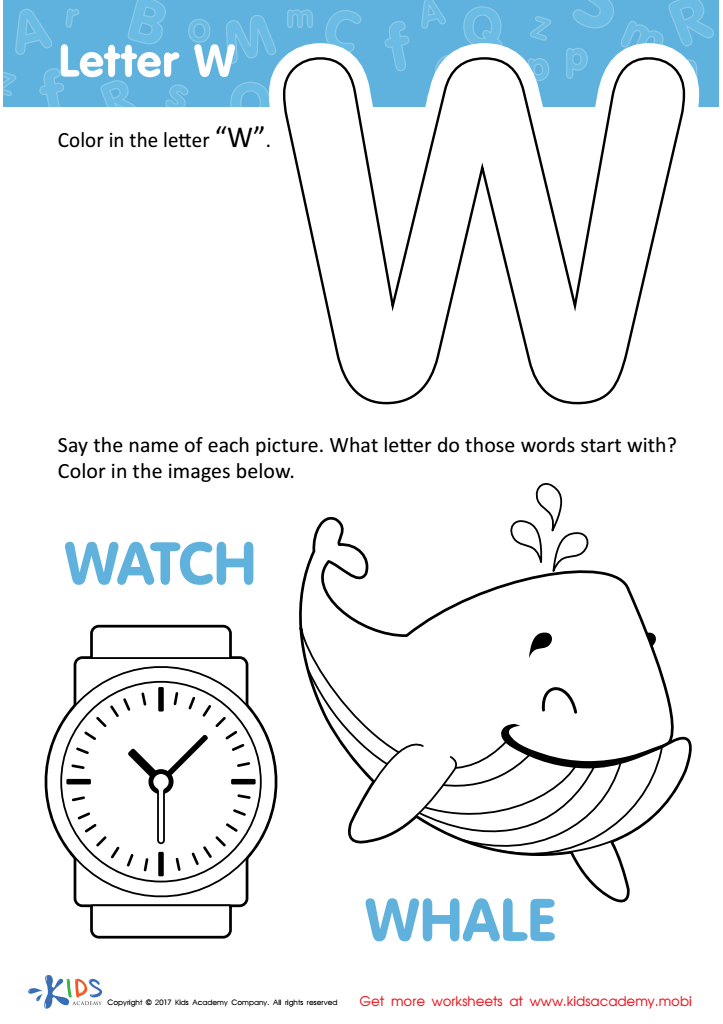
Letter W Coloring Sheet
Assign to My Students
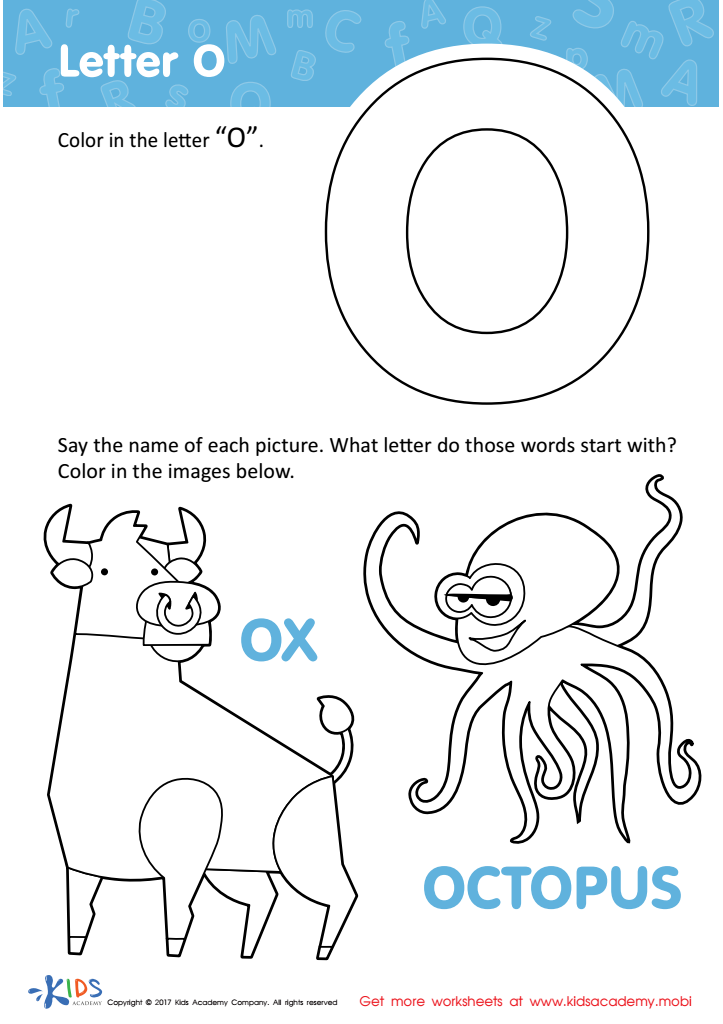
Letter O Coloring Sheet
Assign to My Students

Letter B Tracing Page
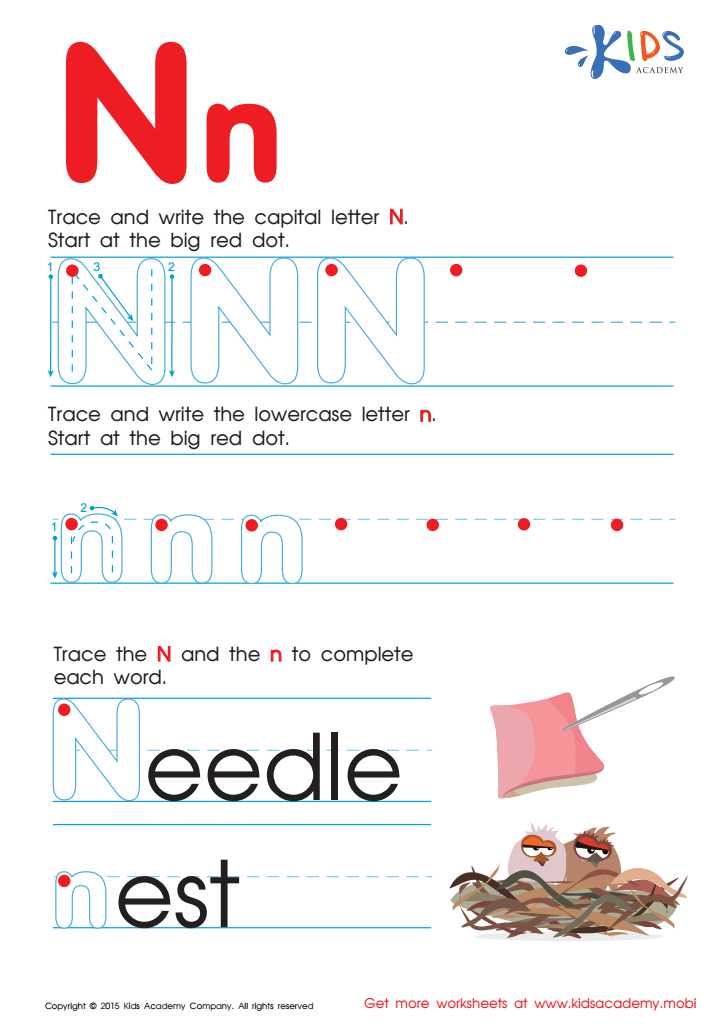
Letter N Tracing Page

Letter E Tracing Page
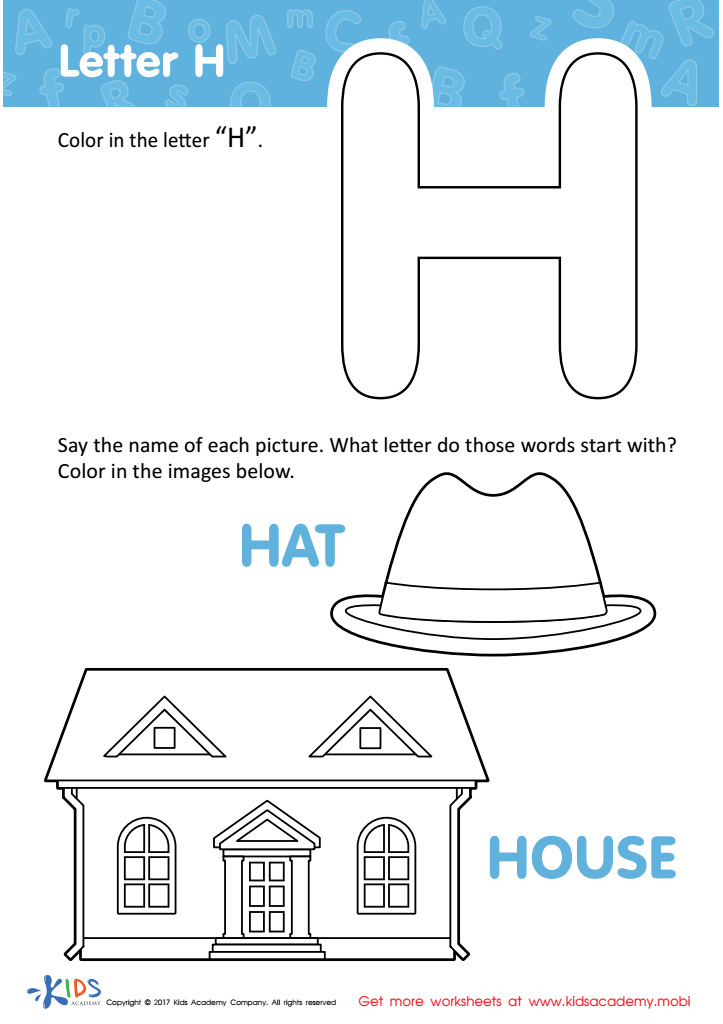
Letter H Coloring Sheet
Assign to My Students
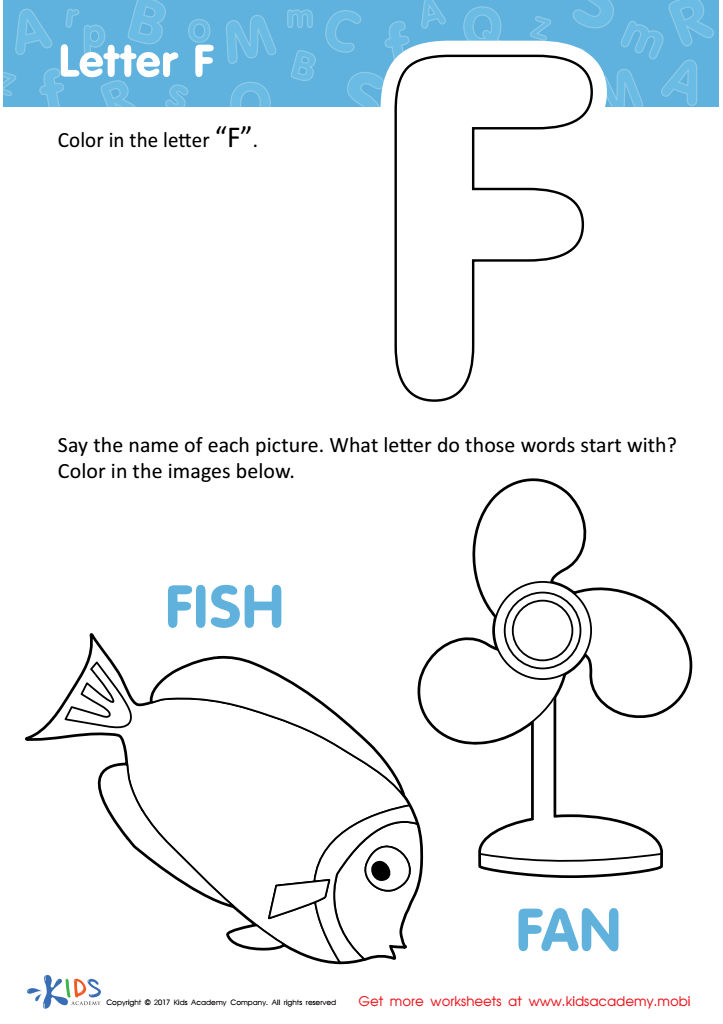
Letter F Coloring Sheet
Assign to My Students




Alphabet recognition is a foundational skill that empowers young children aged 3-5 in their literacy journey. For parents and teachers, understanding and promoting this skill is crucial for several reasons. First, recognizing letters lays the groundwork for reading and writing, which are essential tools for lifelong learning. When children can identify letters, they can begin to understand the connection between letters and sounds, facilitating phonetic awareness.
Moreover, early alphabet recognition fosters confidence and encourages children's curiosity about language. It provides opportunities for meaningful interactions between parents, teachers, and children through fun activities like singing the alphabet song, playing letter-based games, and sharing books that highlight letters. These activities not only make learning enjoyable, but also strengthen family and educational bonds.
Additionally, addressing alphabet recognition in these critical early years can help identify children who may need extra support, ensuring that every child is given the opportunity to thrive. Furthermore, cultivating this skill enhances cognitive development, as recognizing letters involves memory, attention, and the ability to make associations. In summary, placing importance on alphabet recognition enables children to build a solid foundation for literacy, setting them up for future academic success and a lifelong love of reading.