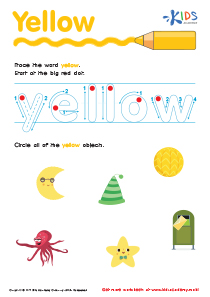
Letter Tracing Normal English for Beginners Worksheets for Ages 3-5
4 filtered results
-
From - To
Jumpstart your child's literacy journey with our "Letter Tracing Normal English for Beginners Worksheets for Ages 3-5." These fun and engaging worksheets are designed to help young learners practice handwriting, develop fine motor skills, and master the alphabet. Perfect for preschoolers and kindergarteners, each worksheet focuses on tracing uppercase and lowercase letters, providing clear guides and ample space for practice. With colorful illustrations and simple instructions, children will enjoy learning as they trace their way to confident writing. Ideal for English learners, our worksheets make foundational skills in reading and writing accessible and enjoyable. Download and print to start today!
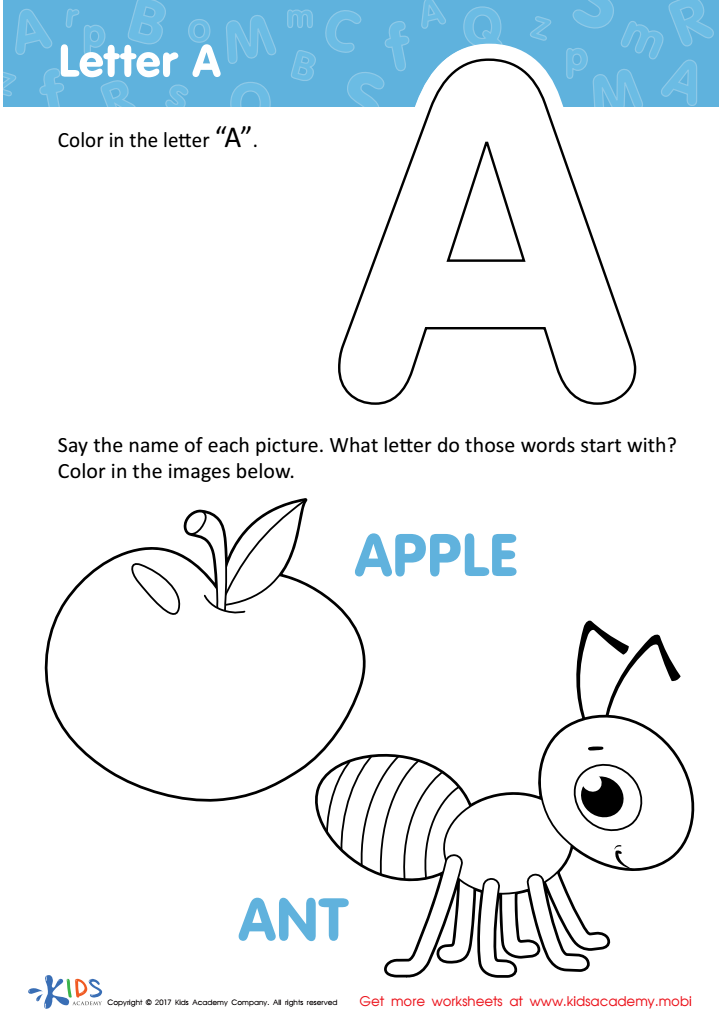
Letter A Coloring Sheet
 Assign to My Students
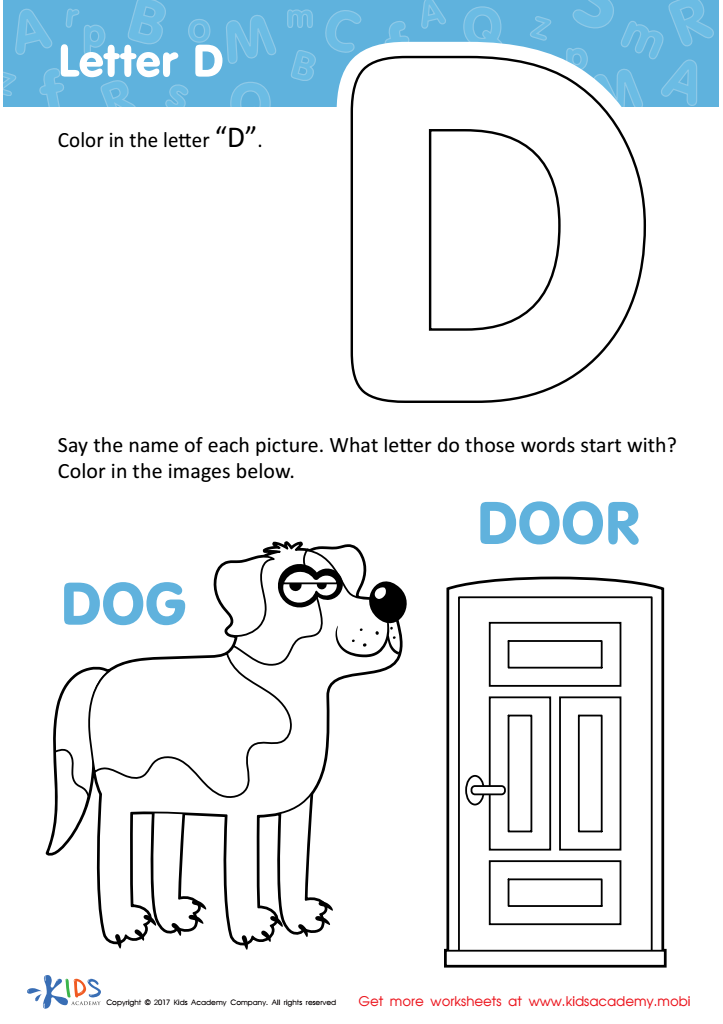
Letter D Coloring Sheet
Assign to My Students
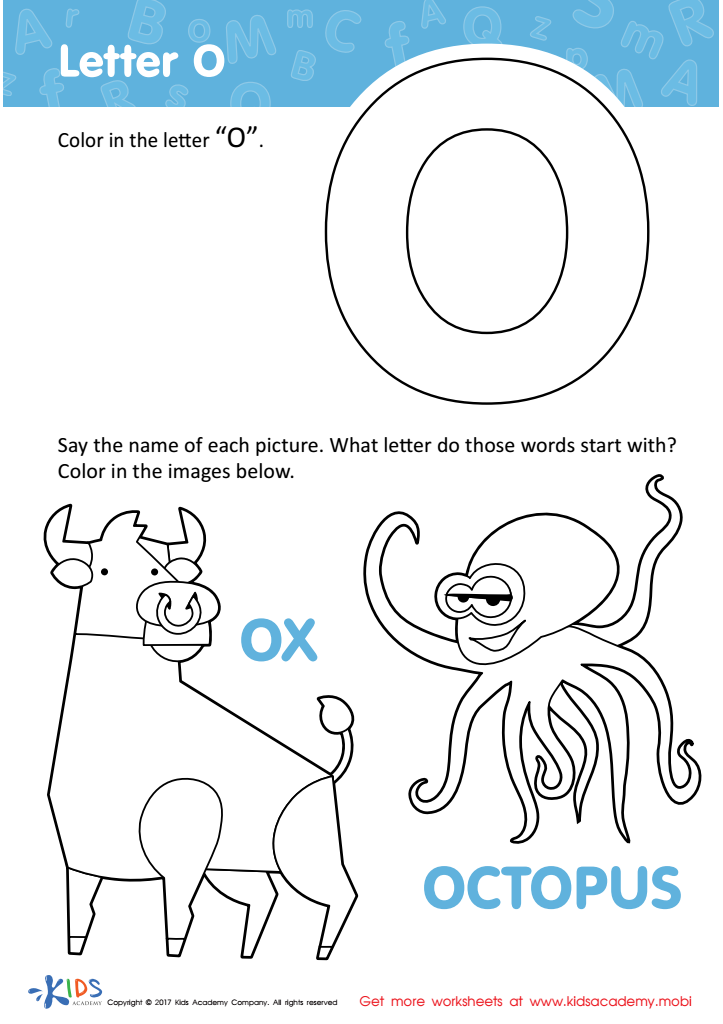
Letter O Coloring Sheet
Assign to My Students
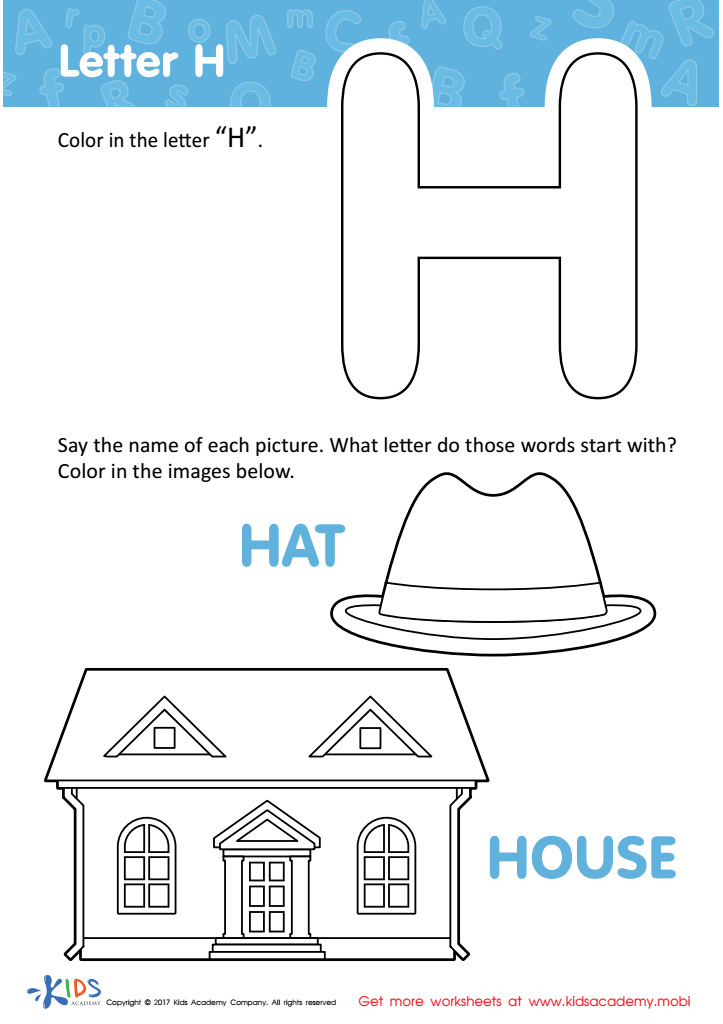
Letter H Coloring Sheet
Assign to My Students





Letter tracing is a fundamental activity for early learners aged 3-5, vital for several developmental reasons. Parents and teachers should prioritize it as it lays the groundwork for literacy. Tracing helps children understand the alphabetic principle—connecting letters with their corresponding sounds—which is crucial for reading and writing. At this age, children are developing fine motor skills, and tracing letters hones their hand-eye coordination and dexterity, preparing them for writing independently.
Moreover, letter tracing reinforces the memorization of letter shapes and sequences through repetition. As children trace, they begin to recognize letters by sight, making it easier for them to identify these letters in different contexts, both in books and in their environment. This recognition is a building block for word formation and comprehension.
Furthermore, engaging in letter tracing bolsters a child's confidence. As they successfully form letters, their sense of achievement encourages further learning and curiosity. The structured practice and the rewarding experience of seeing improvement foster a positive attitude toward education.
In summary, letter tracing for young beginners isn't just about learning to write letters; it's about constructing the foundational skills for a lifetime of learning and academic success. It's an engaging, growth-promoting activity crucial for early childhood development.