Counting skills Normal Science Worksheets for Ages 3-5
4 filtered results
-
From - To
Discover our engaging Counting Skills Normal Science Worksheets, designed specifically for children ages 3-5! These interactive worksheets seamlessly blend science concepts with fun counting activities to enhance early math skills. Children will explore numbers, quantity recognition, and basic math through colorful illustrations and relatable themes found in nature. Each worksheet encourages hands-on learning, fostering a love for both math and science while developing essential skills. Perfect for preschool or kindergarten classrooms and at-home learning, our worksheets ensure a playful yet educational experience for young learners. Equip your little ones with the foundation they need for future mathematical success! Explore now!
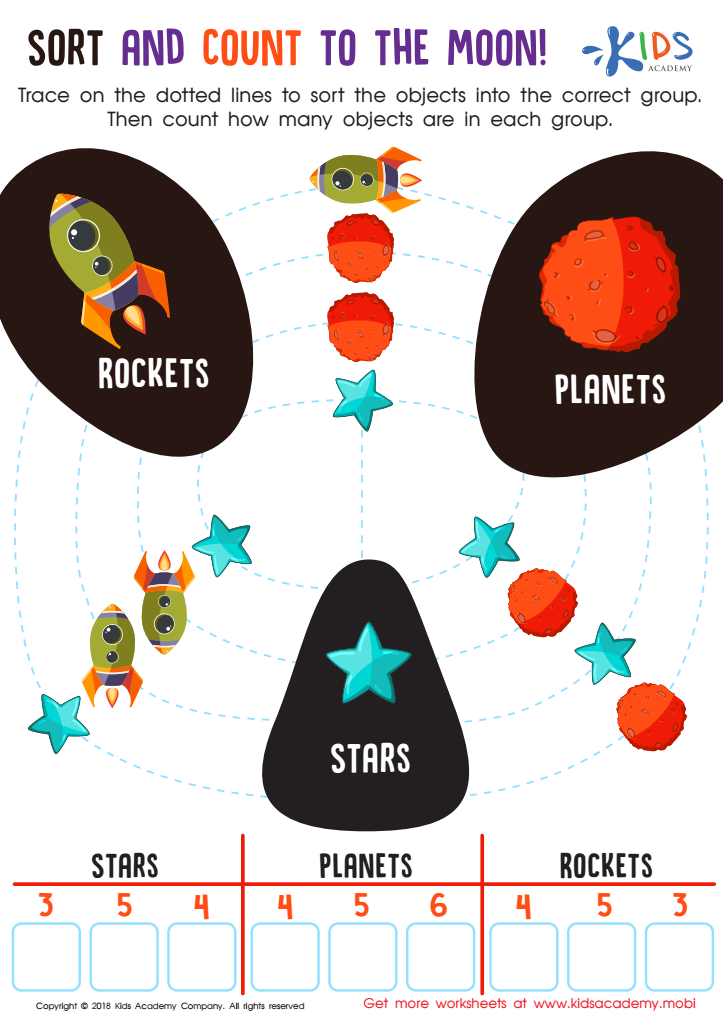
Sort and Count to the Moon Worksheet
 Assign to My Students
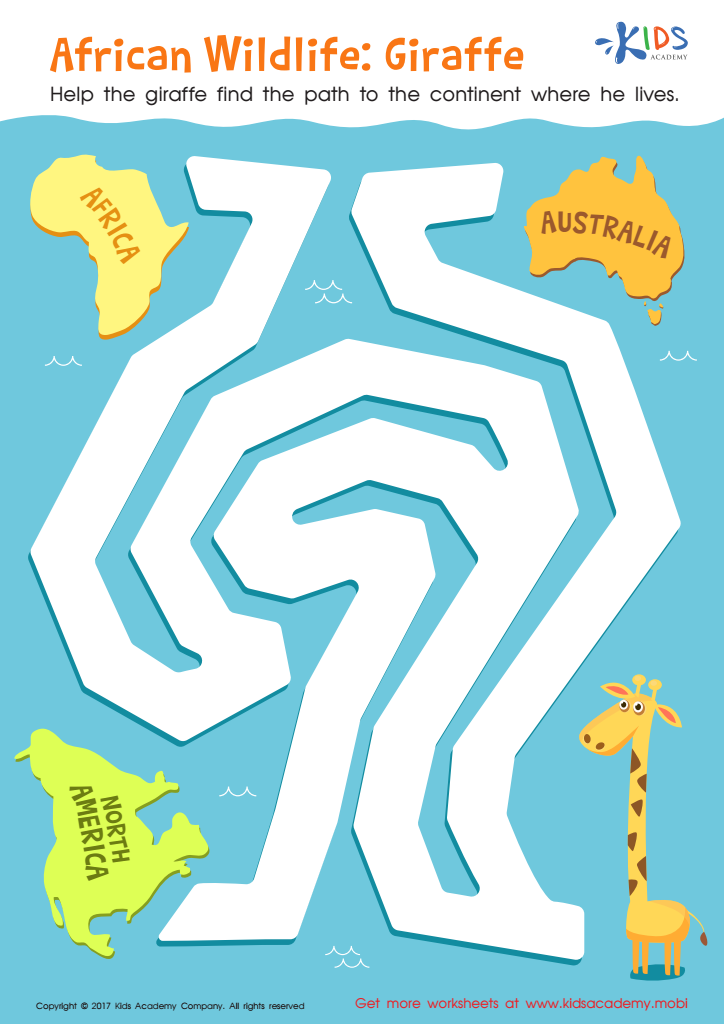
African Wildlife: Giraffe Worksheet
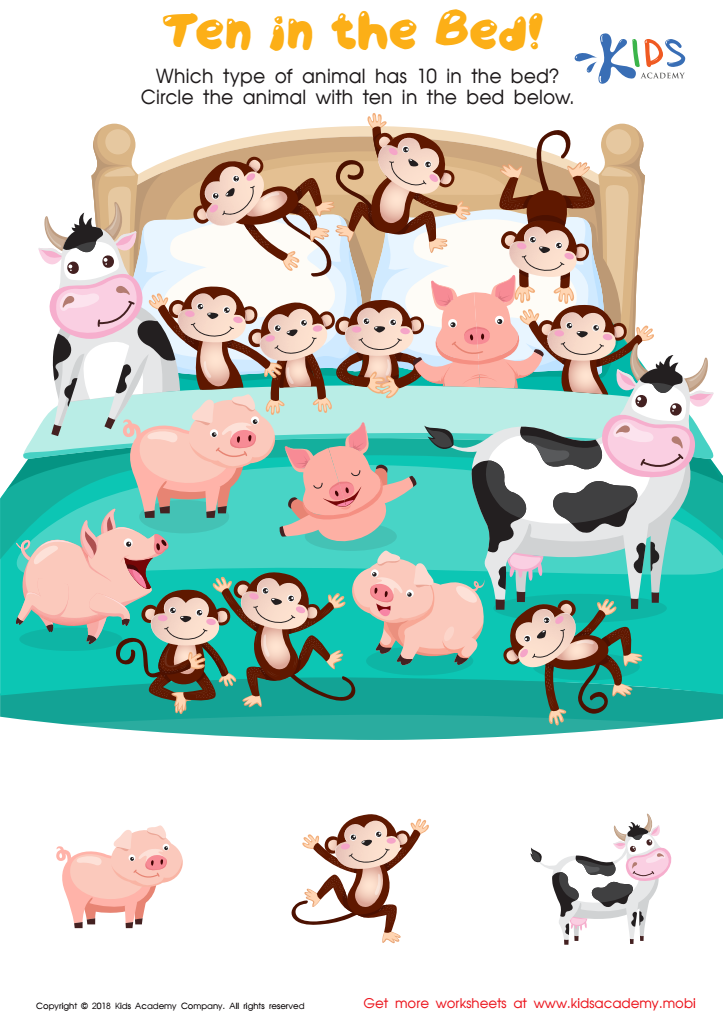
Ten in the Bed Worksheet
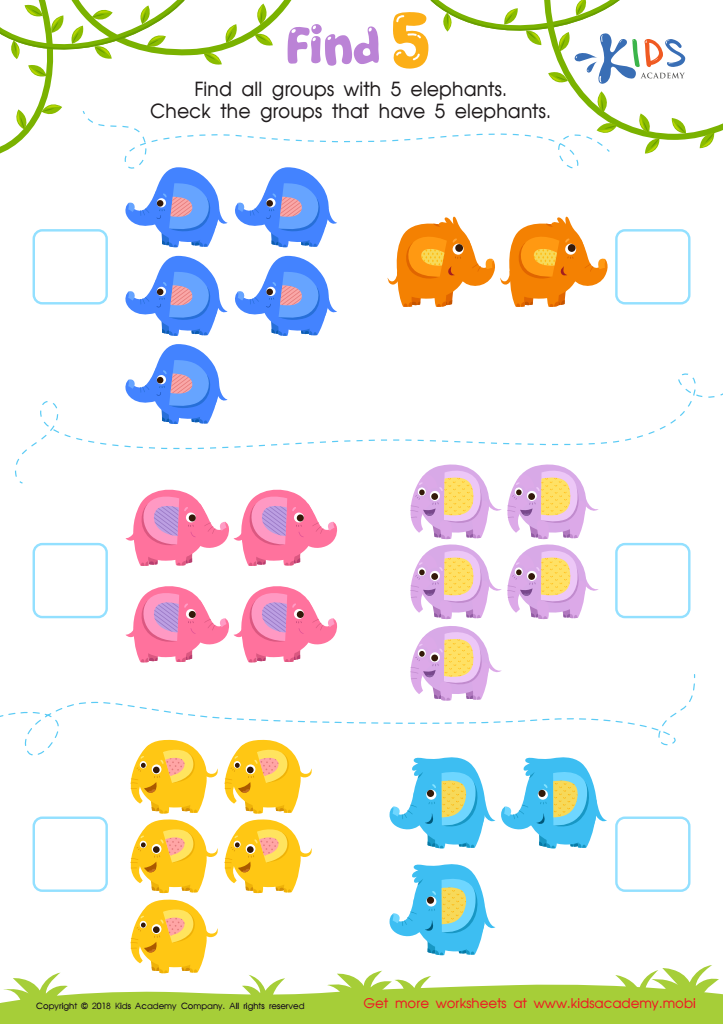
Find 5 Worksheet








Counting skills in early childhood, particularly for children aged 3 to 5, form the foundation for mathematical understanding and cognitive development. Parents and teachers should care about these skills for several reasons.
Firstly, counting enhances cognitive abilities through number recognition and cognitive association, fostering logical thinking. It helps children understand the concept of quantity, paving the way for more complex math skills in later years.
Secondly, early counting skills encourage language development. Children learn vocabulary related to numbers and amounts, enhancing their communication skills and ability to express themselves clearly.
Counting also supports social-emotional growth. When children engage in counting games with peers or parents, they develop teamwork and cooperation skills, enhancing their social interactions.
Moreover, these skills can be incorporated easily into everyday activities—whether counting toys, snack items, or steps—making learning fun and relatable. Engaging children in counting activities cultivates a positive attitude towards math, reducing anxiety and fostering a sense of accomplishment.
Ultimately, nurturing counting skills in young children not only solidifies their foundational math abilities but also enriches their overall learning experience, setting them on a successful path for future academic challenges.







