Fine Motor Skills Normal Alphabet Worksheets for Ages 4-5 - Page 3
51 filtered results
-
From - To
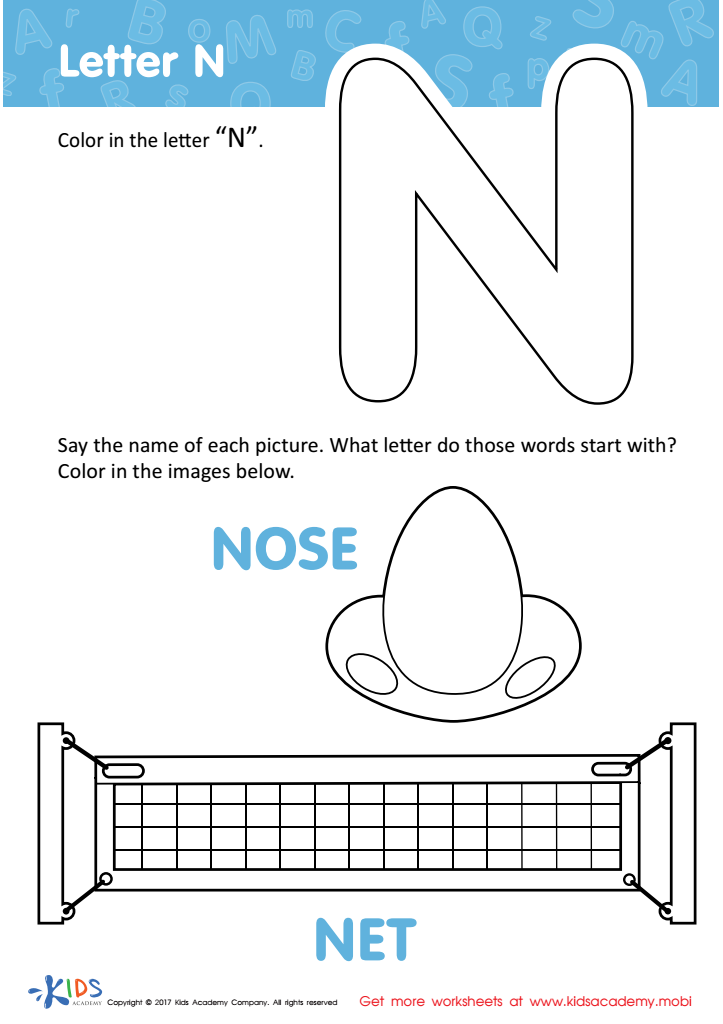
Letter N Coloring Sheet
 Assign to My Students
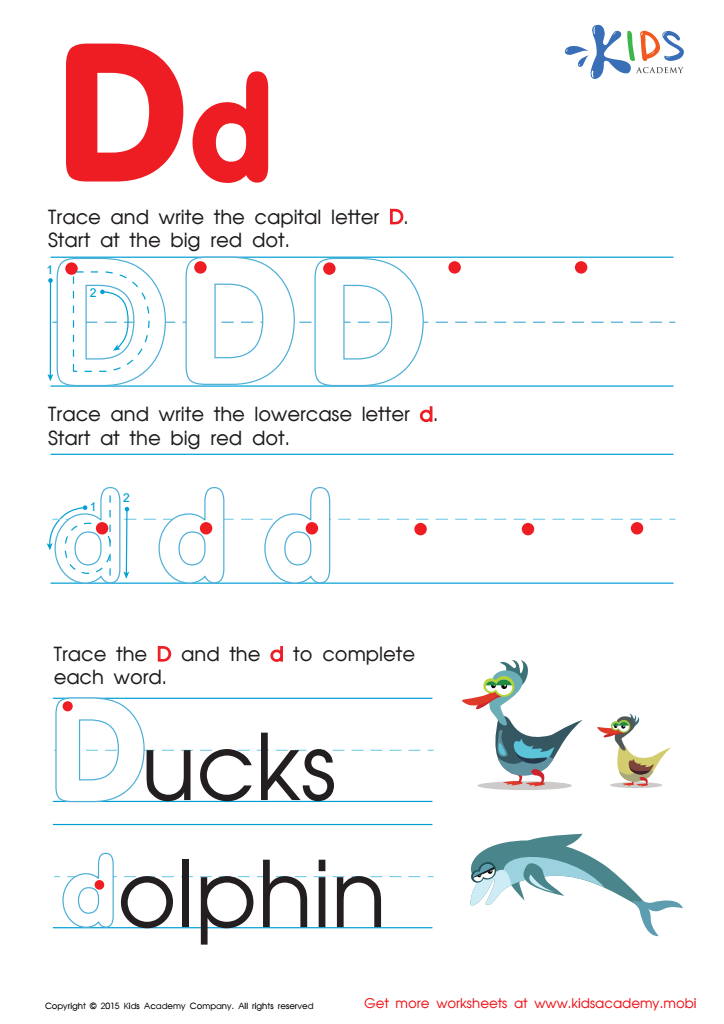
Letter D Tracing Page
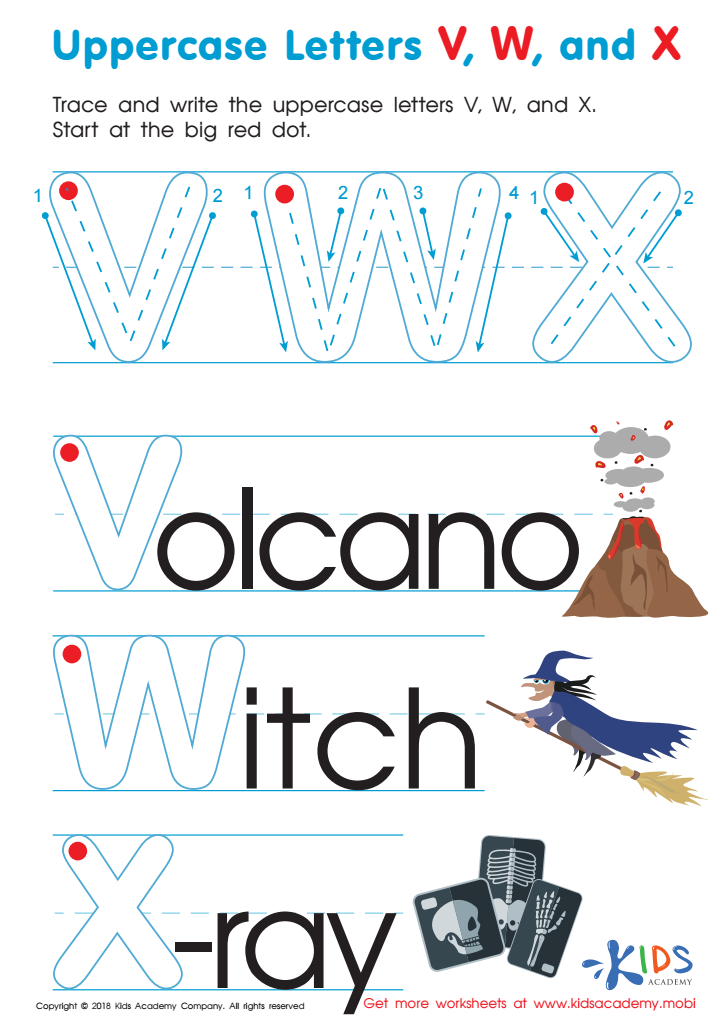
Uppercase Letters V, W, and X Worksheet



.jpg)




Fine motor skills, which involve the coordination of small muscles in the hands and fingers, are essential for children aged 4-5 as they lay the foundation for various developmental tasks, including writing, self-care, and tool use. Parents and teachers should prioritize the development of these skills, especially regarding forming the normal alphabet, because proficient letter formation impacts children's future academic success and confidence.
At this age, children are beginning to grasp the basics of writing. Learning to form letters correctly not only aids in literacy but also cultivates cognitive skills, as the act of writing reinforces memory and understanding of phonics and vocabulary. Furthermore, fine motor skills enhance hand-eye coordination and dexterity, which are crucial for daily activities such as buttoning shirts, tying shoelaces, and using utensils.
Involving children in activities that promote fine motor skills, like drawing, cutting, and tracing, fosters a sense of accomplishment and builds their willingness to engage with academics. When parents and teachers focus on these skills, they empower children and set the stage for successful learning experiences, boosting their self-esteem and nurturing their love for exploration and learning in the process. Prioritizing fine motor skills from an early age prepares children not just for writing, but for life.







