Handwriting improvement Normal Alphabet Worksheets for Ages 4-5
6 filtered results
-
From - To
Enhance your child's handwriting skills with our Handwriting Improvement Normal Alphabet Worksheets designed for ages 4-5. These engaging worksheets provide a fun and interactive way for young learners to practice writing uppercase and lowercase letters. Tailored for early learners, our user-friendly activities focus on letter recognition and proper formation, fostering confidence and fine motor skills. Children will enjoy tracing and writing each letter, helping them develop a strong foundation for their literacy journey. Encourage education at home with these printable resources, perfect for preschool and kindergarten learning environments. Download the worksheets today and watch your child flourish in their writing abilities!
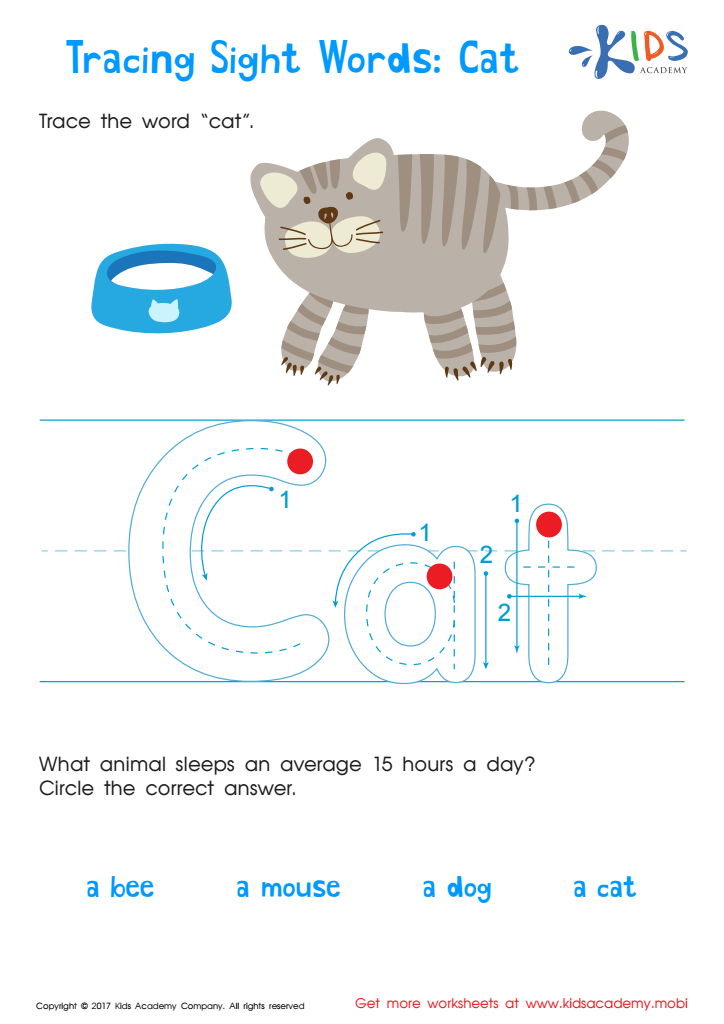
Cat Printable Sight Words Worksheet
 Assign to My Students
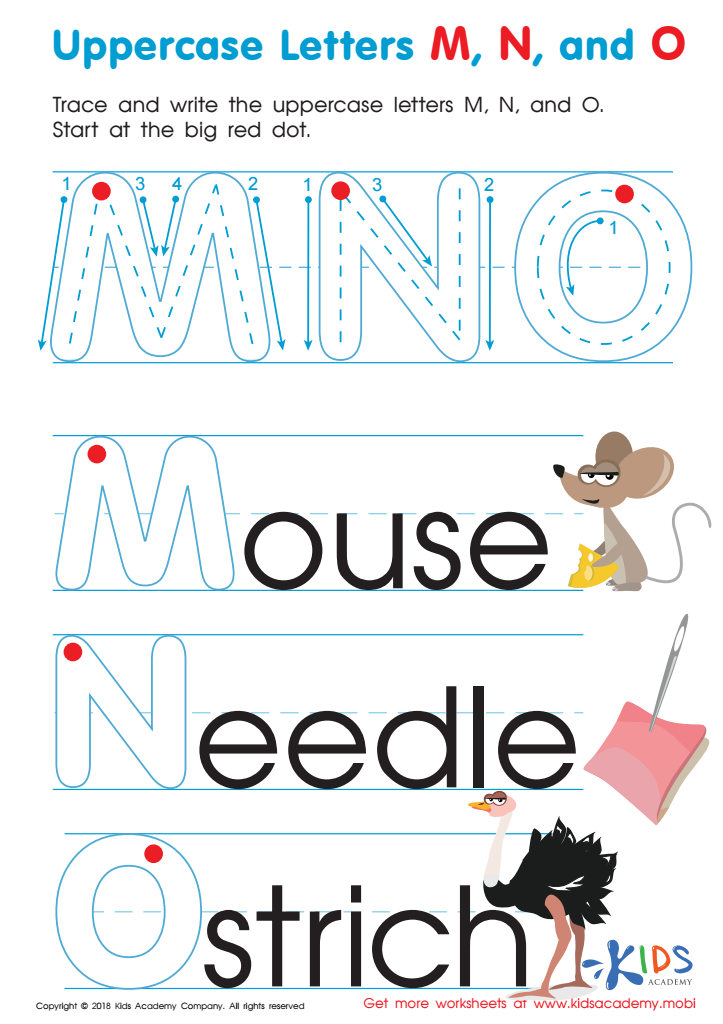
Uppercase Letters M, N, and O Worksheet
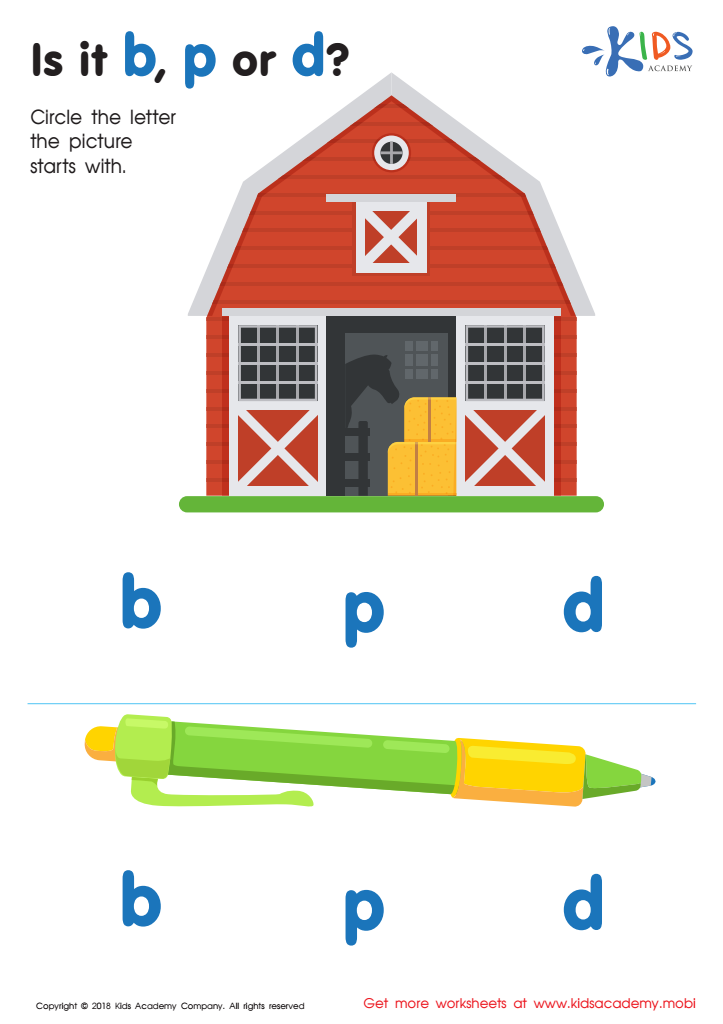
Is it b, p or d? Worksheet
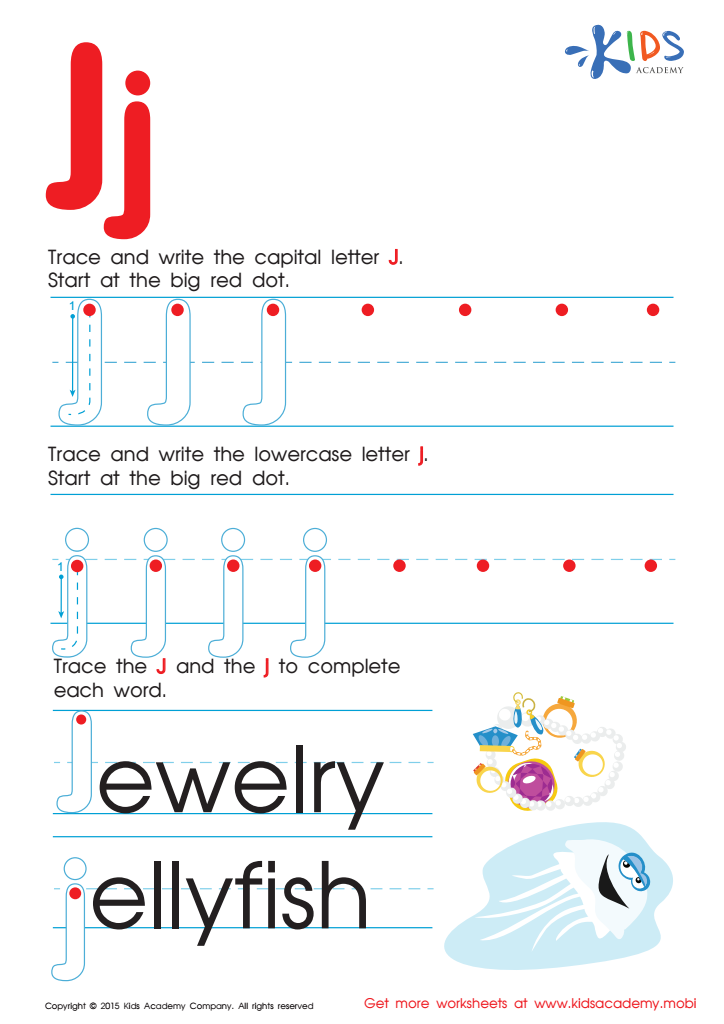
Letter J Tracing Page
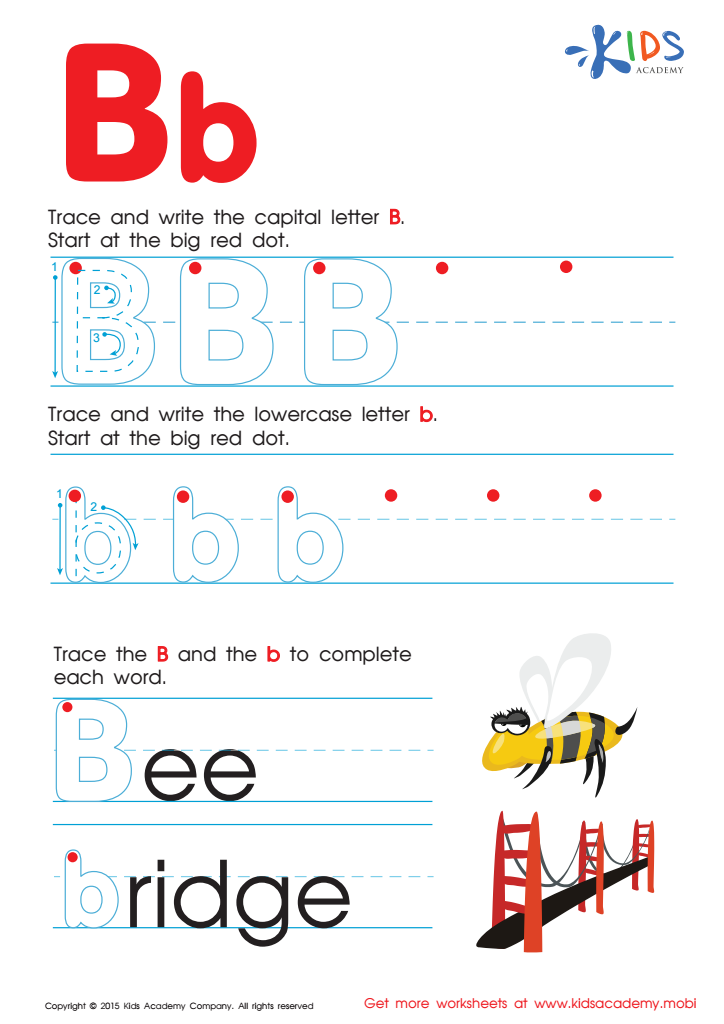
Letter B Tracing Page
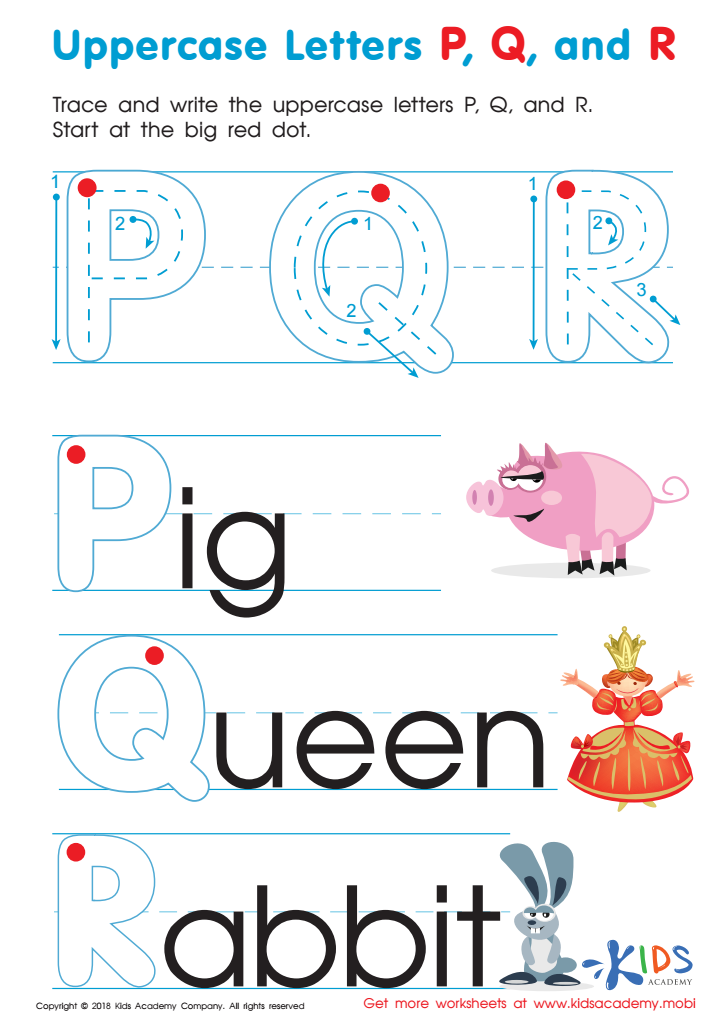
Uppercase Letters P, Q, and R Worksheet








Handwriting improvement is crucial for children aged 4-5 as it lays the foundation for their academic success and fine motor skills development. At this age, children transition from pre-writing skills to forming letters, making it an essential period for fostering effective handwriting habits.
Good handwriting contributes to a child’s ability to express themselves clearly on paper, which is integral for later learning in subjects like language arts and mathematics. When children can write legibly, they are more likely to engage in writing activities, boosting their confidence and willingness to participate in class.
Moreover, the physical act of writing reinforces hand-eye coordination and fine motor control, which are important not just for writing but for everyday tasks. Proper intervention and focus on handwriting can prevent future difficulties, such as poor penmanship and frustration with writing tasks.
Parents and teachers should care about handwriting improvement because it affects a child's self-esteem and academic performance. Encouraging practice through fun activities and positive reinforcement can nurture a love for writing, ensuring children develop both the skills and confidence they need as they progress in their education. Investing in this skill early sets the stage for long-term success in learning.







