Letter-sound association Normal Alphabet Worksheets for Ages 4-5
6 filtered results
-
From - To
Enhance your child's literacy journey with our engaging Letter-Sound Association Normal Alphabet Worksheets designed for ages 4-5. These fun, interactive worksheets help young learners establish crucial phonemic awareness by associating letters with their corresponding sounds. Through vibrant illustrations and attractive activities, your child will improve their reading readiness and phonics skills in a captivating way. Ideal for home or classroom use, our resources foster an enjoyable learning environment, making the mastery of letter-sound relationships exciting. Download these printable worksheets today and support your child's foundational literacy skills as they embark on the adventure of learning the alphabet!
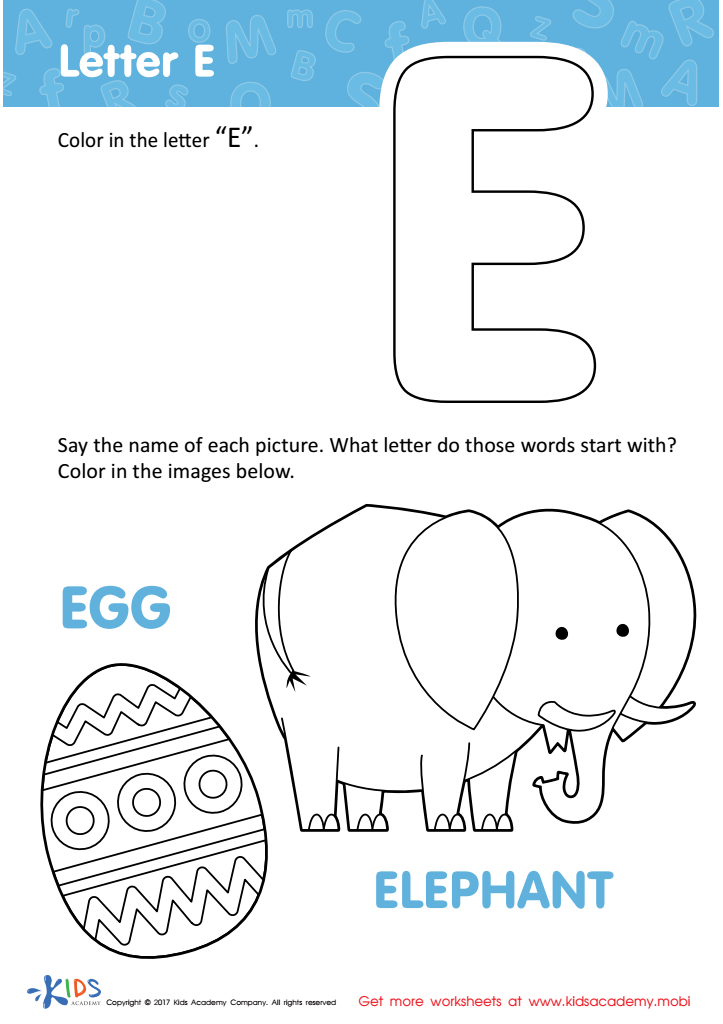
Letter E Coloring Sheet
 Assign to My Students
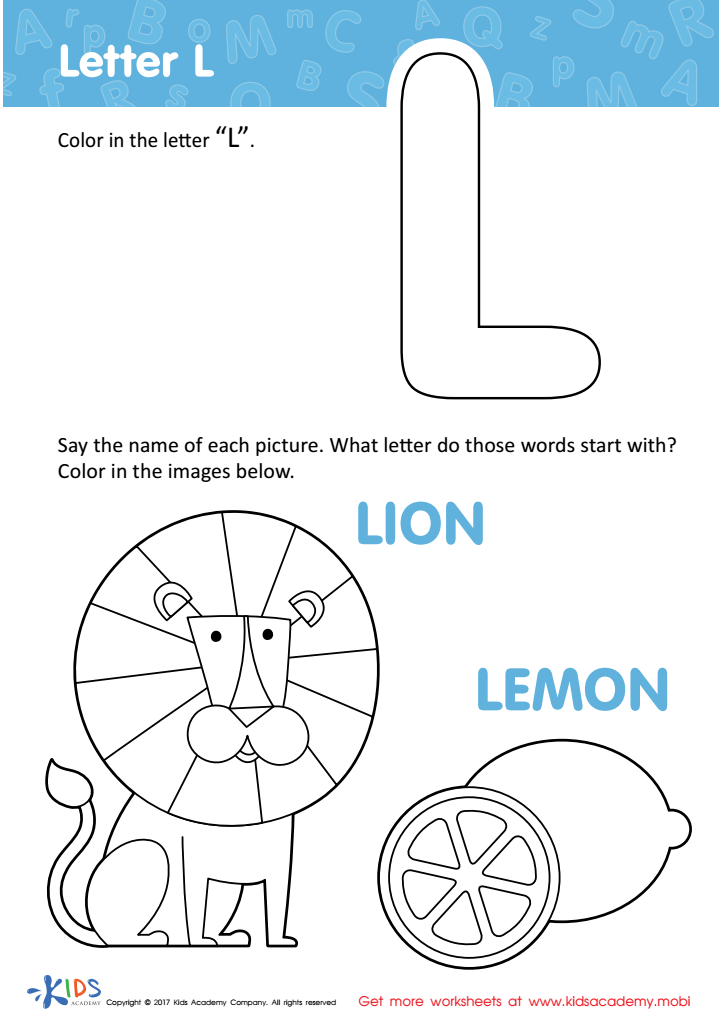
Letter L Coloring Sheet
Assign to My Students
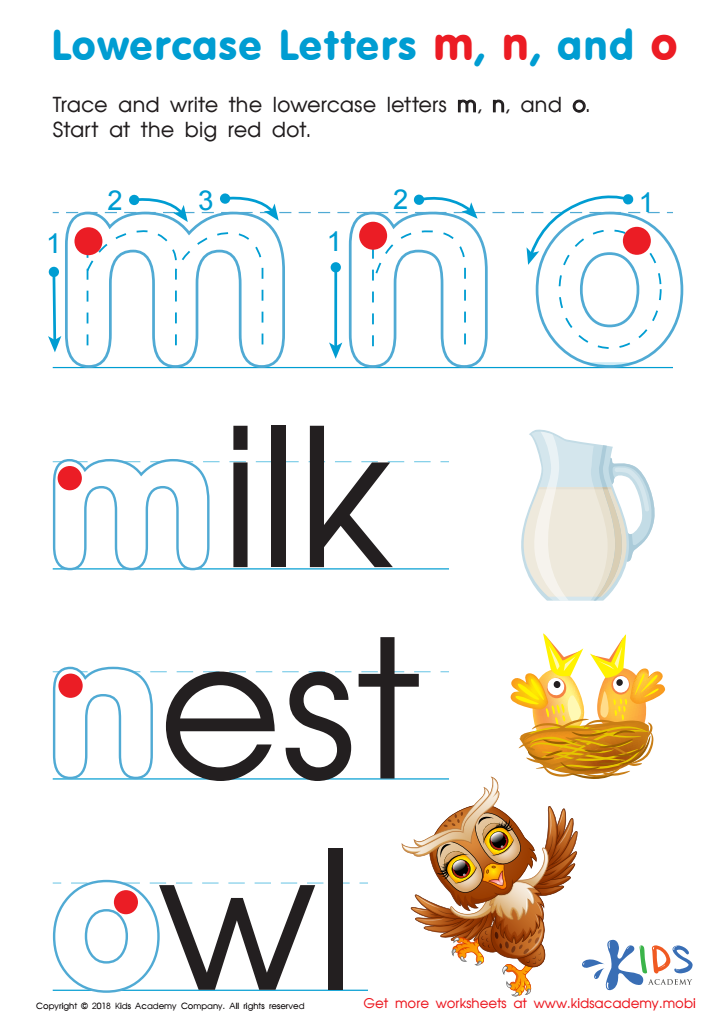
Lowercase Letters m n o Worksheet
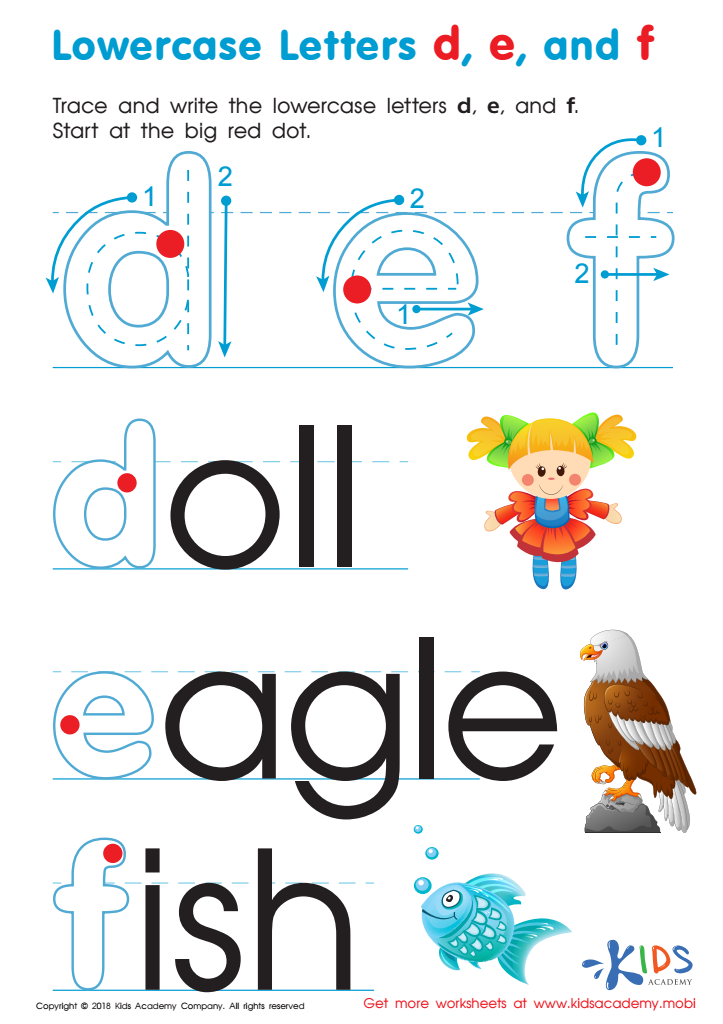
Lowercase Letters d e f Worksheet
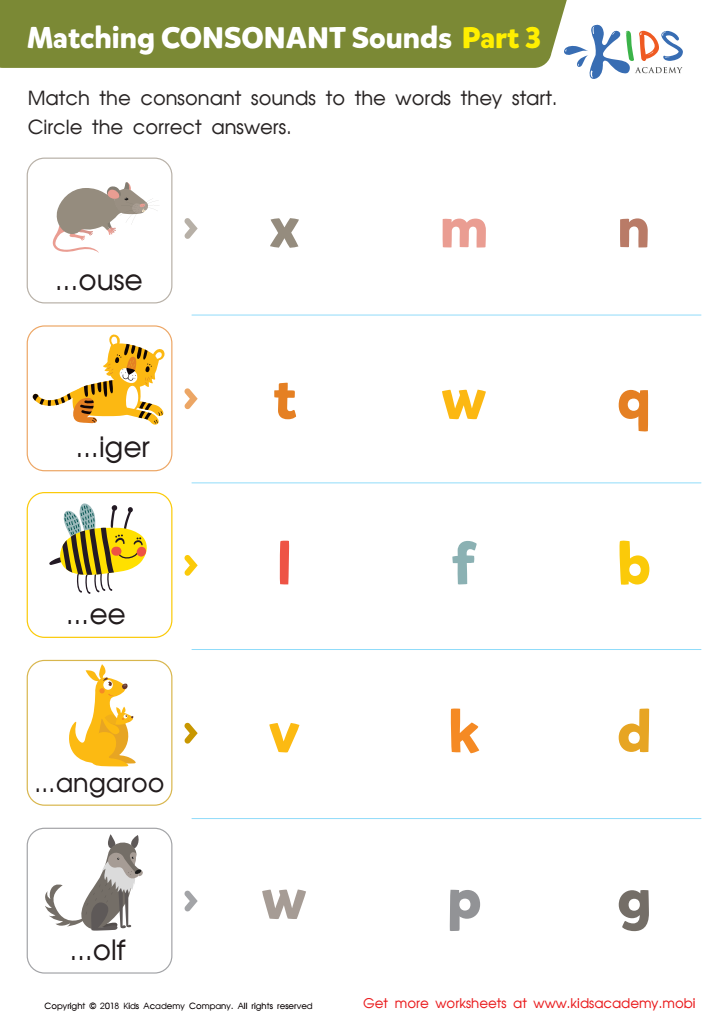
Matching Consonant Sounds: Part 3 Worksheet
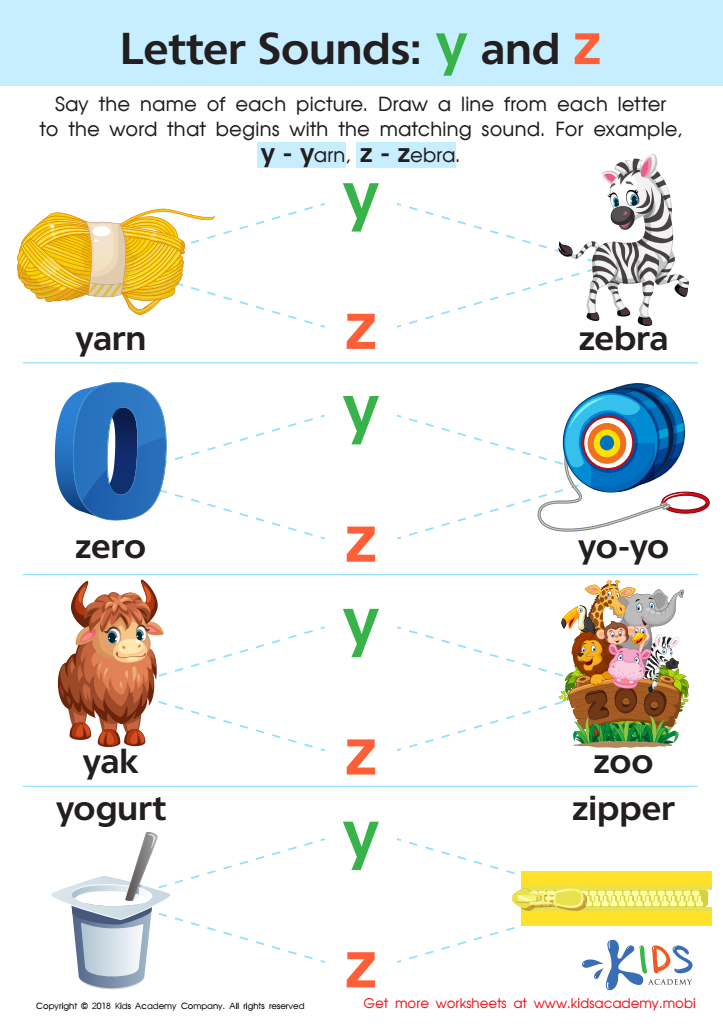
Letter Y and Z Sounds Worksheet



.jpg)



Letter-sound association is a critical foundational skill for early reading development, particularly for children aged 4-5. At this stage, children are beginning to explore letters and their corresponding sounds, which is essential for both phonemic awareness and literacy skills. Understanding that each letter represents specific sounds helps children decode words, enabling them to read and write effectively.
Parents and teachers should care about this association because it not only supports the child's reading abilities but also enhances communication skills. Mastery of letter-sound relationships fosters confidence in children, encouraging them to express their thoughts through writing and storytelling. Furthermore, early literacy skills have been linked to future academic success, making this an influential period for skill development.
Incorporating engaging strategies, such as phonics games, songs, and interactive storytelling, can reinforce these concepts both at home and in the classroom. By prioritizing letter-sound associations, parents and educators provide a vital tool that promotes cognitive growth, cultivates a love for reading, and lays the groundwork for equitable educational outcomes. Ultimately, fostering these skills supports lifelong learners and equips children with the necessary tools for future academic challenges.







