Motor skills development Normal Alphabet Worksheets for Ages 4-5
3 filtered results
-
From - To
Explore our engaging "Motor Skills Development Normal Alphabet Worksheets" designed for children ages 4-5. These worksheets offer a fun and interactive way to help young learners strengthen their fine motor skills while mastering the alphabet. Featuring vibrant illustrations and creative activities, children will enjoy tracing letters, connecting dots, and completing playful exercises that promote hand-eye coordination and dexterity. Our worksheets not only enhance letter recognition but also support critical early learning development. Perfect for at-home or classroom use, these resources ensure that your little ones learn and grow in a delightful and educational environment. Start their alphabet journey today!

Letter H Tracing Page
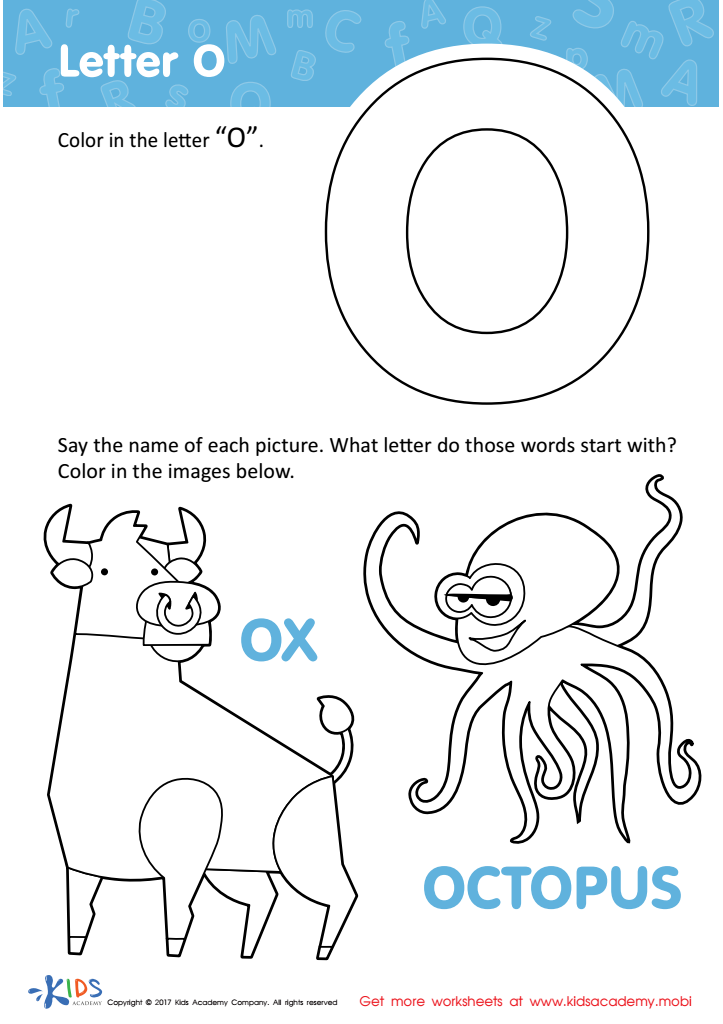
Letter O Coloring Sheet
 Assign to My Students

Letter B Tracing Page








Motor skills development in children aged 4-5 is crucial for several reasons, and understanding its importance can help both parents and teachers support healthy growth. At this age, children are refining their gross motor skills, such as running, jumping, and climbing, as well as fine motor skills, which involve tasks like drawing, cutting, and buttoning. These skills are foundational for everyday tasks and can influence a child's independence and confidence.
Parents and teachers play a vital role in encouraging motor skills development through engaging activities. When children master these skills, they not only enhance coordination and physical abilities but also boost their cognitive development. For example, fine motor skills are closely linked to hand-eye coordination, which is essential for learning to write.
Furthermore, children who develop strong motor skills early on are more likely to participate in physical activities, promoting a healthy lifestyle. They skillfully engage with peers, supporting social skills and emotional well-being.
Investing time in motor skills development fosters essential life skills. By supporting and providing opportunities for practice, parents and teachers can significantly impact a child's growth, laying a strong foundation for future learning and overall success.







