Reading comprehension Normal Alphabet Worksheets for Ages 4-5
21 filtered results
-
From - To
Enhance your child's reading skills with our Reading Comprehension Normal Alphabet Worksheets designed specifically for ages 4-5. These engaging worksheets focus on familiarizing young learners with the alphabet while developing their understanding of fundamental reading concepts. Each worksheet combines fun activities that promote letter recognition, vocabulary building, and comprehension through delightful stories and interactive illustrations. Catering to early learners, these resources provide a supportive environment for children to explore language and improve their analytical skills. Perfect for at-home learning or classroom use, our worksheets ensure that reading becomes an enjoyable adventure for your little ones as they embark on their literacy journey!
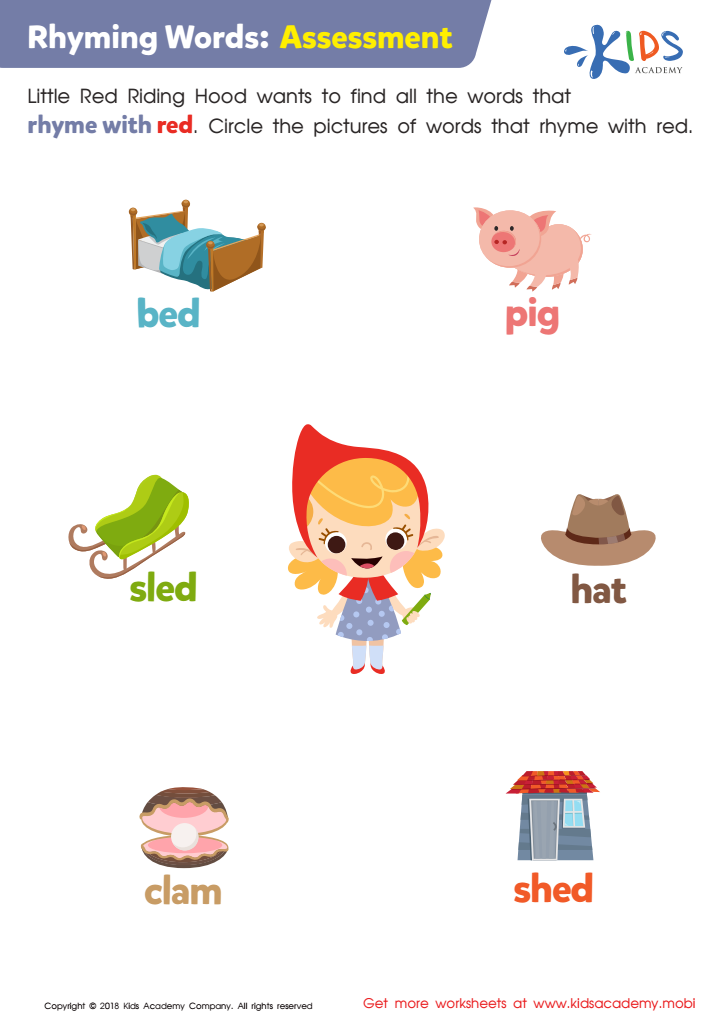
Rhyming Words: Assessment Worksheet
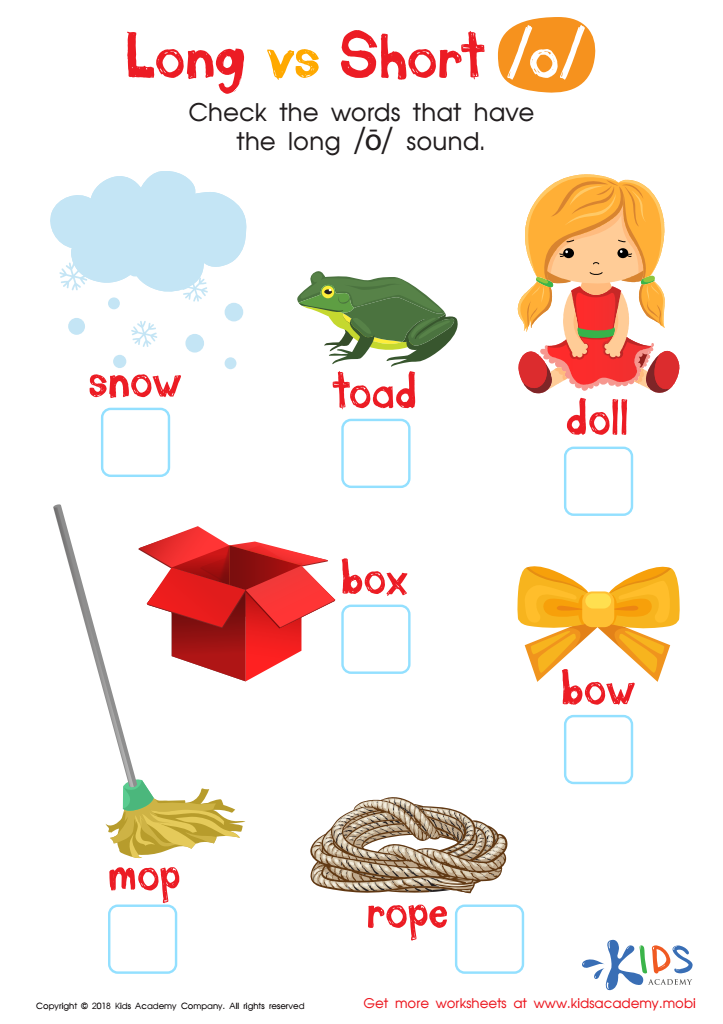
Long vs Short O Reading Worksheet
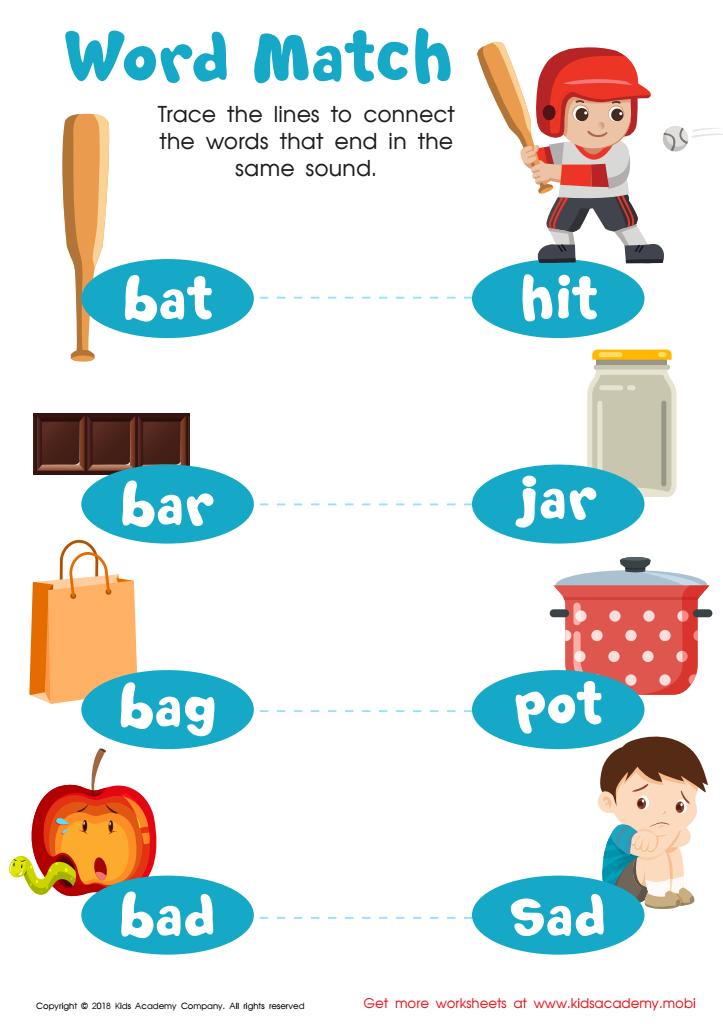
Word Match Reading Worksheet
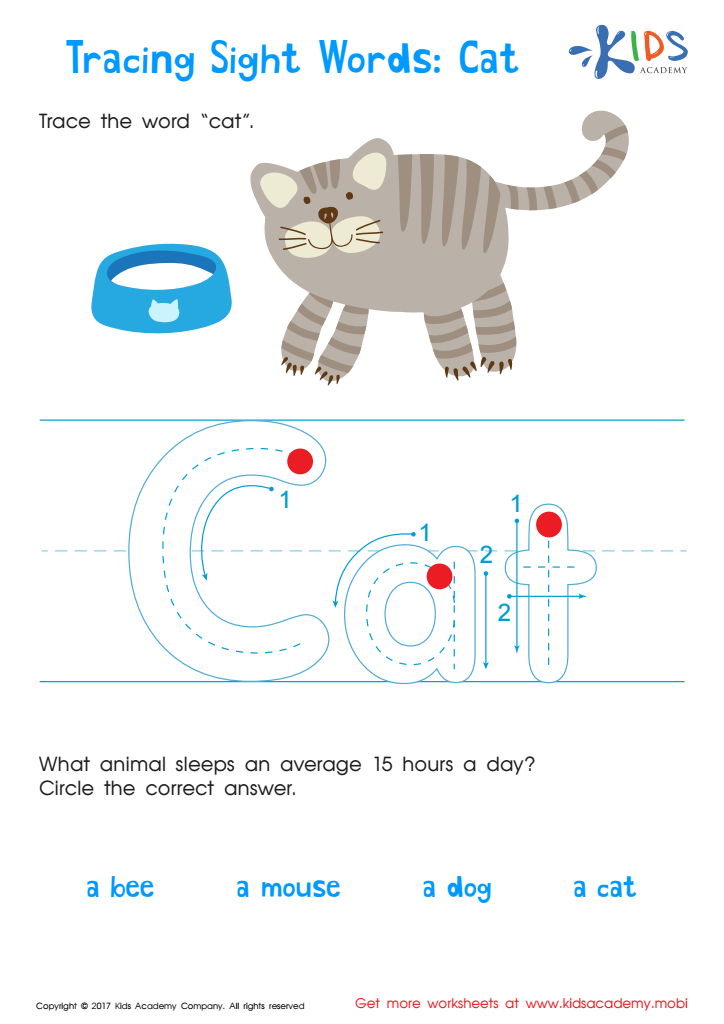
Cat Printable Sight Words Worksheet
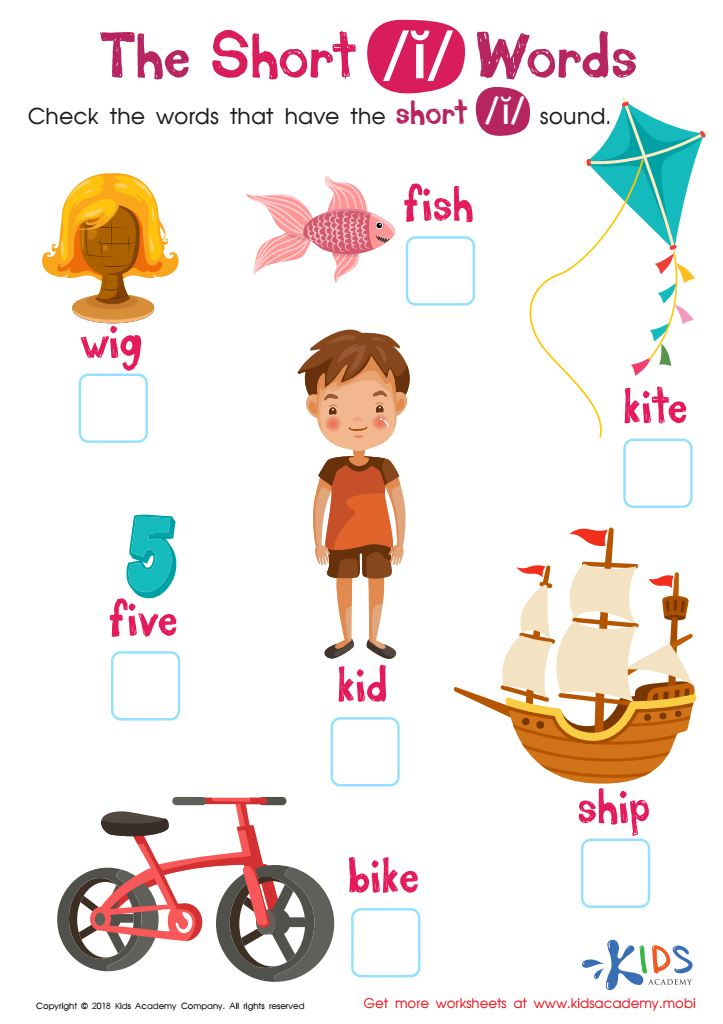
The Short I Words Reading Worksheet
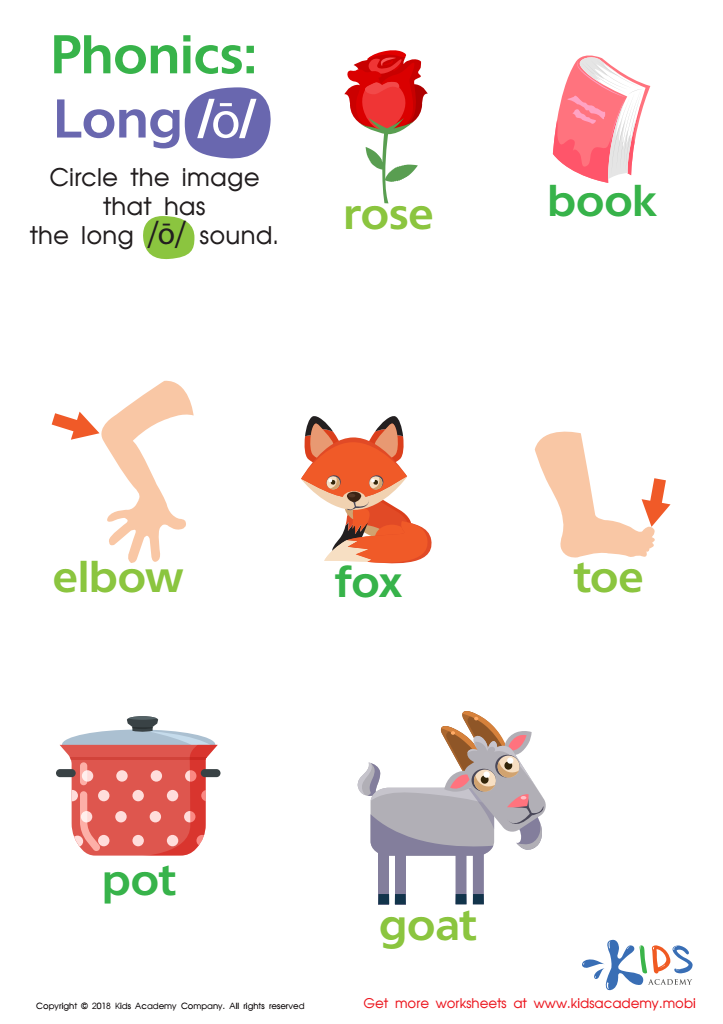
Phonics Long O Reading Worksheet
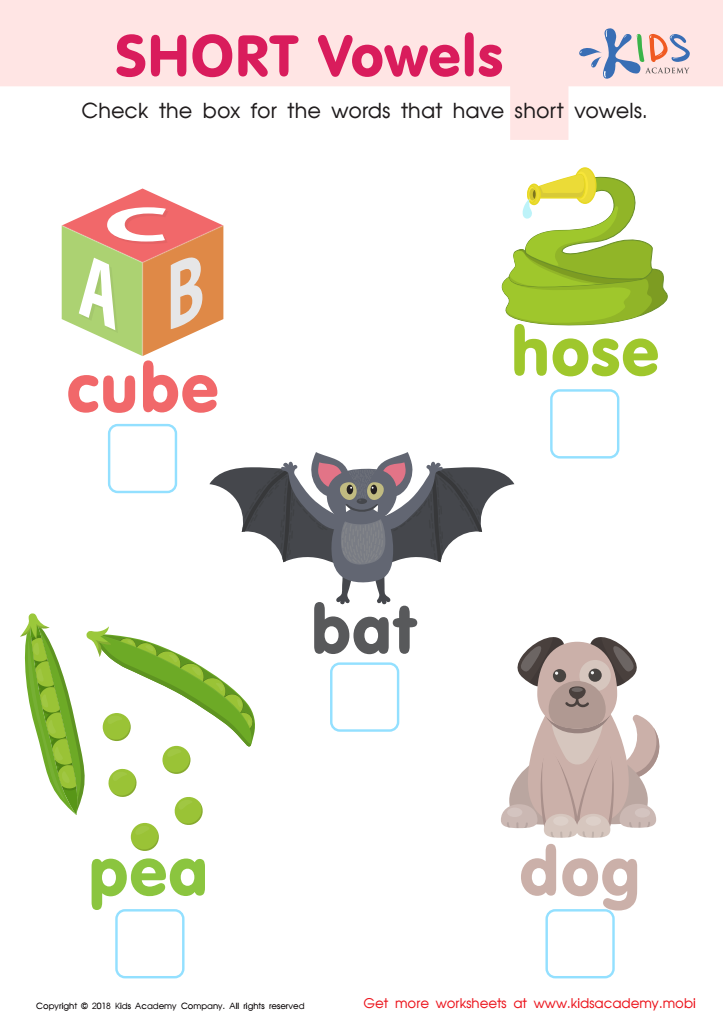
short vowels Worksheet
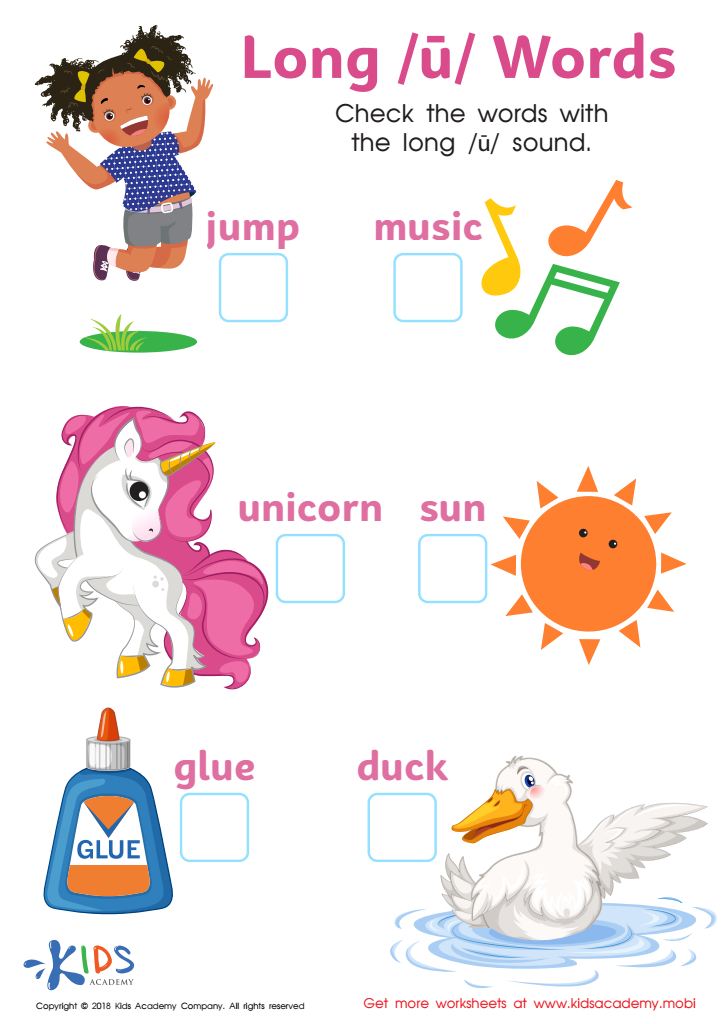
Long U Words Reading Worksheet
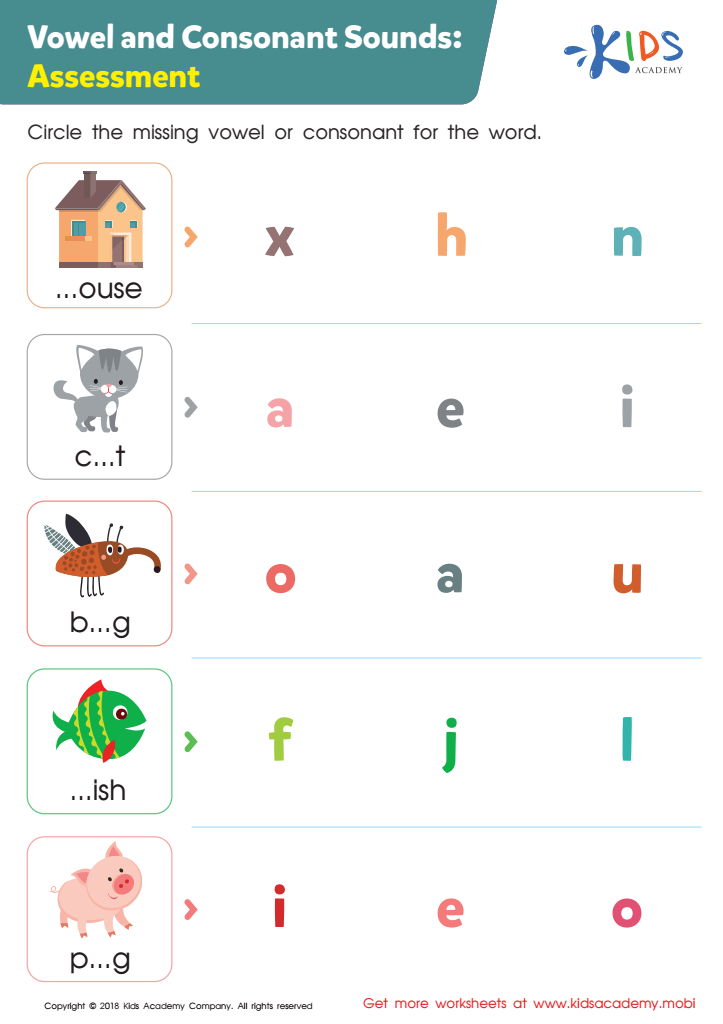
Vowel and Consonant Sounds: Assessment Worksheet
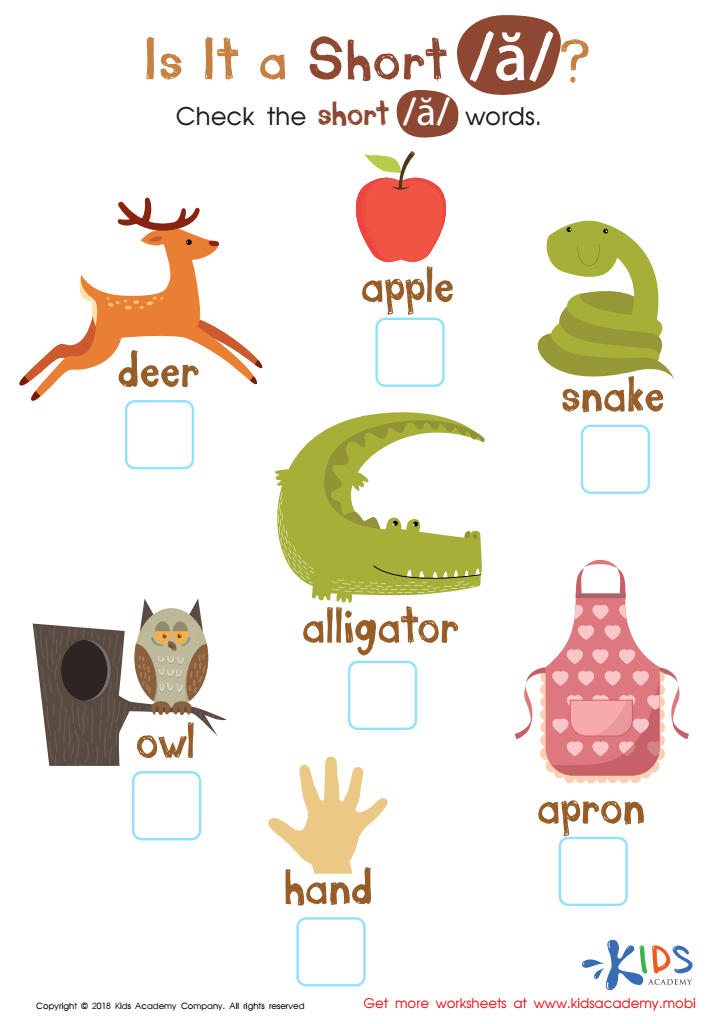
Is It Short A? Reading Worksheet
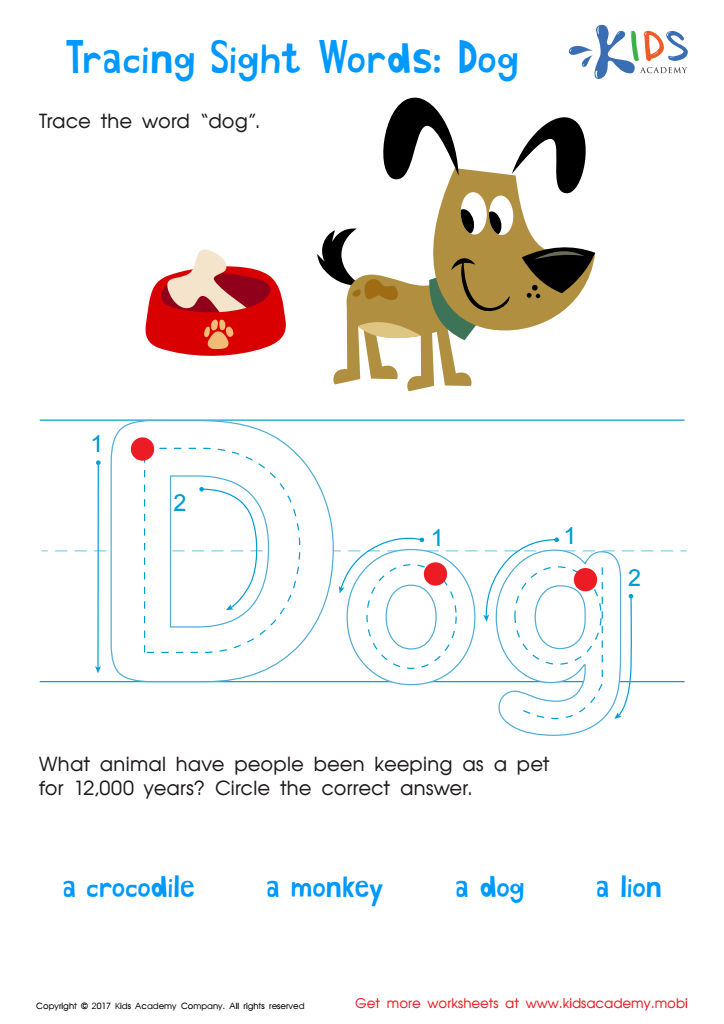
Dog Worksheet Sight Words Worksheet
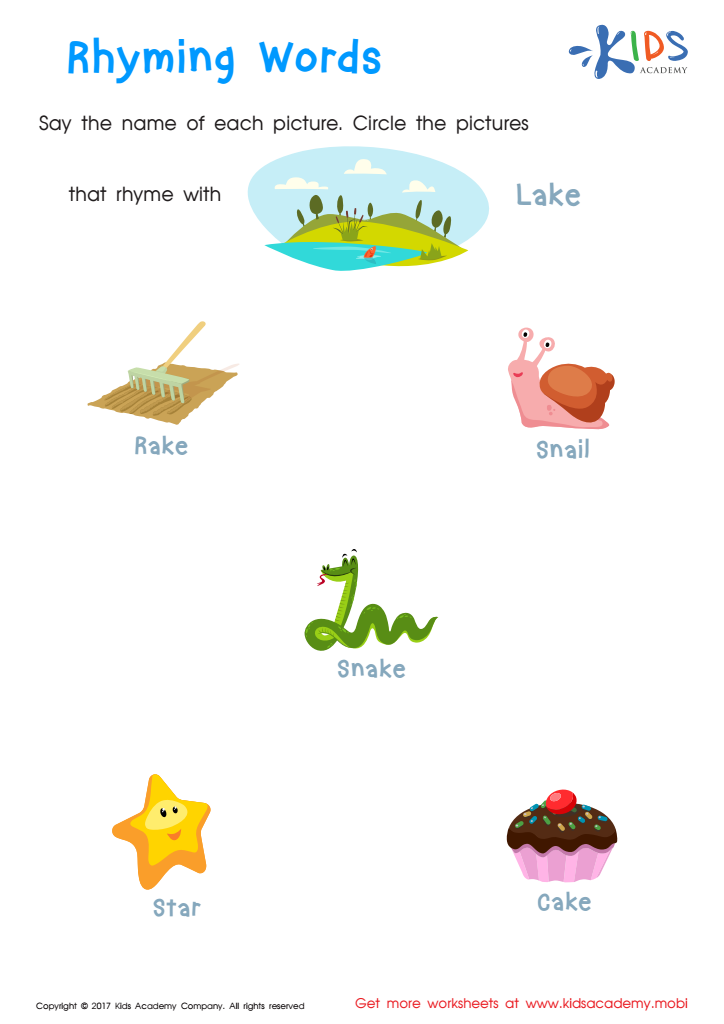
Rhyming Words Rhyming Worksheet
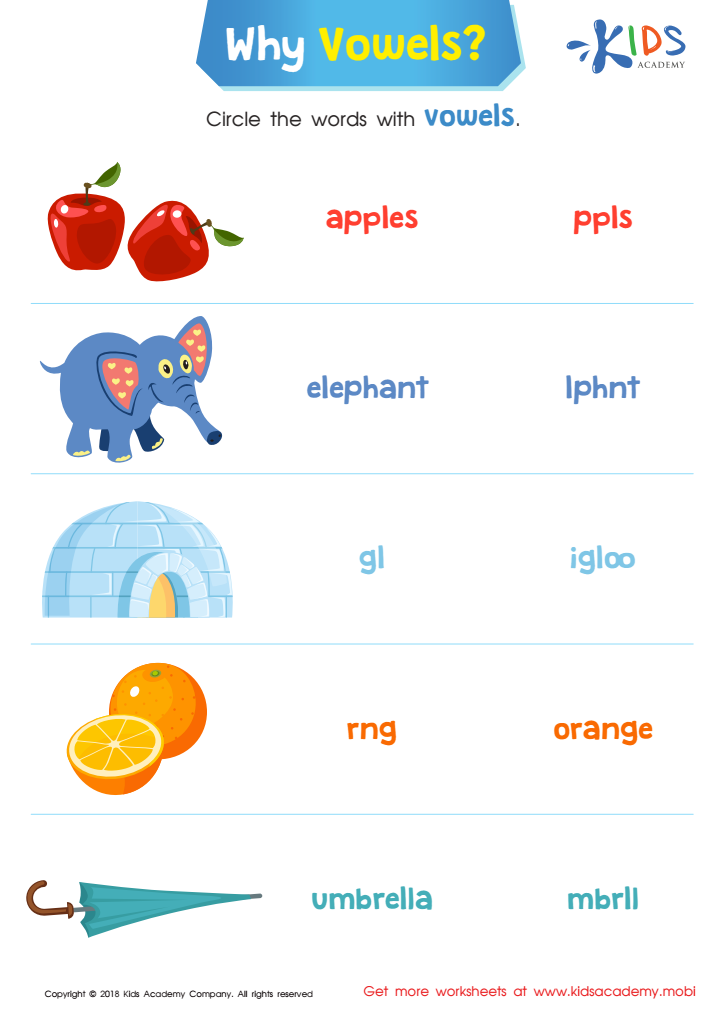
Why Vowels? Reading Worksheet
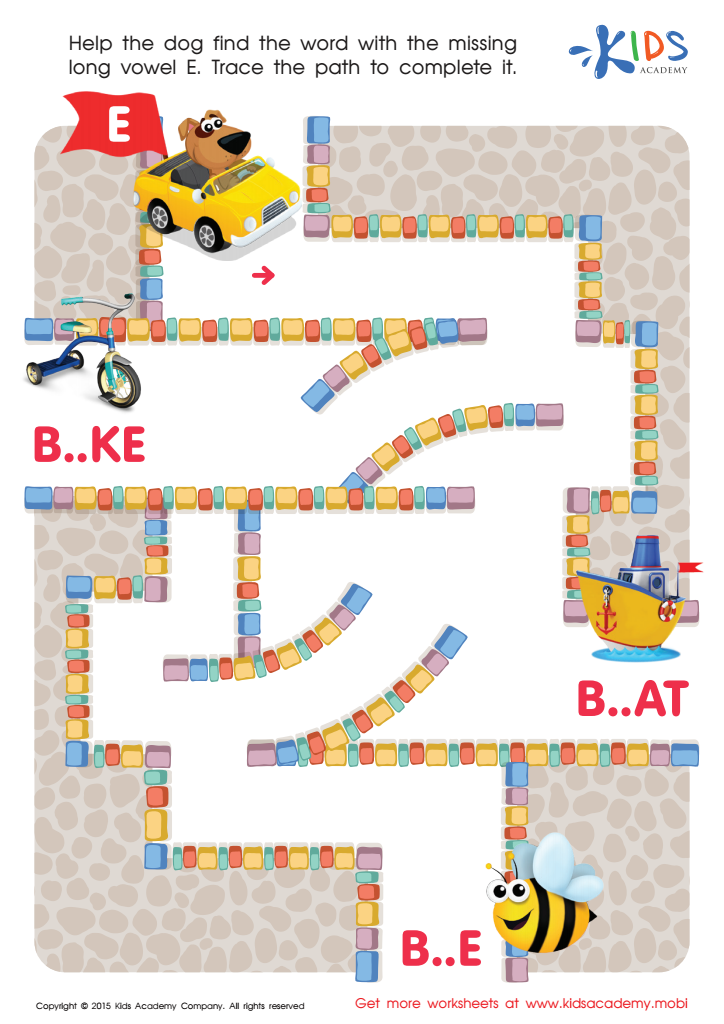
Long Vowel Sound E Worksheet
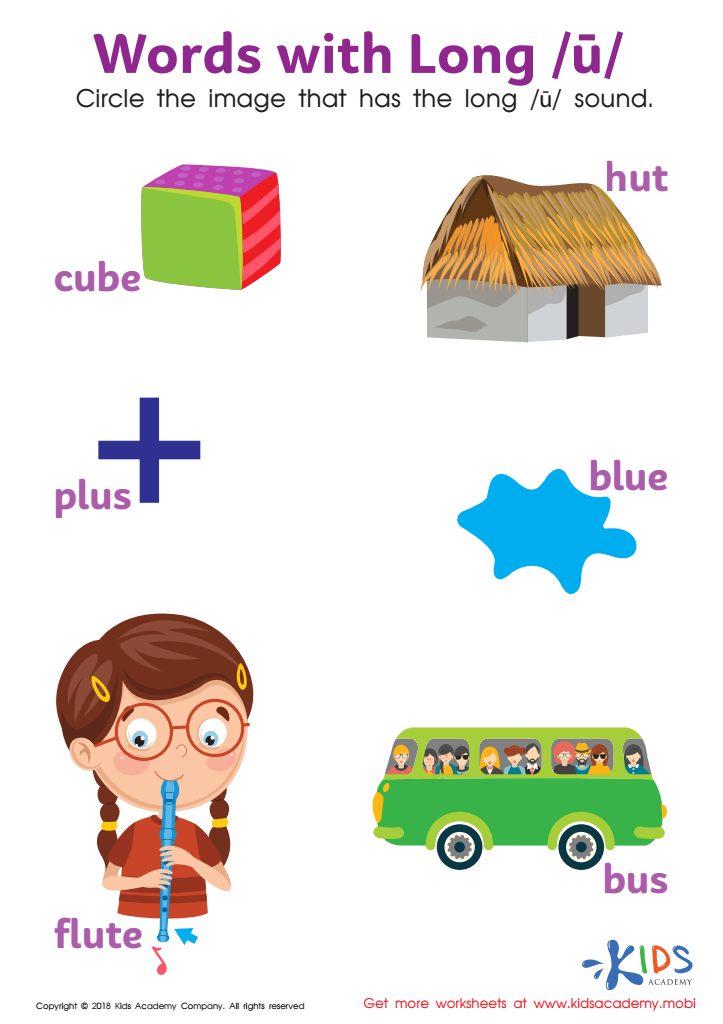
Words with Long U Reading Worksheet
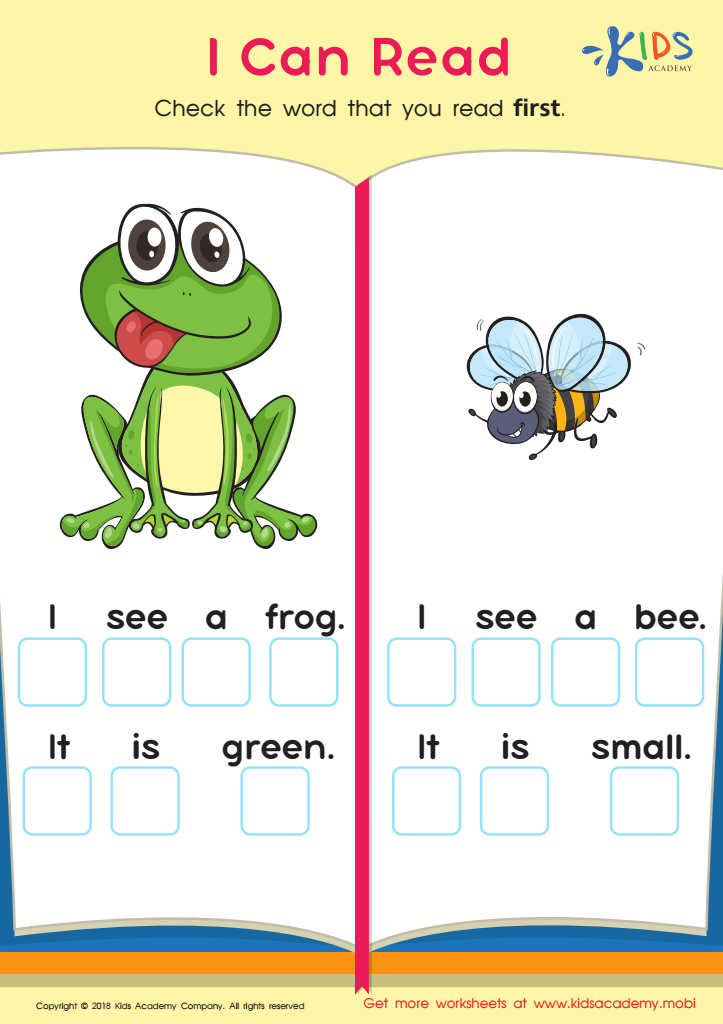
I Can Read Worksheet
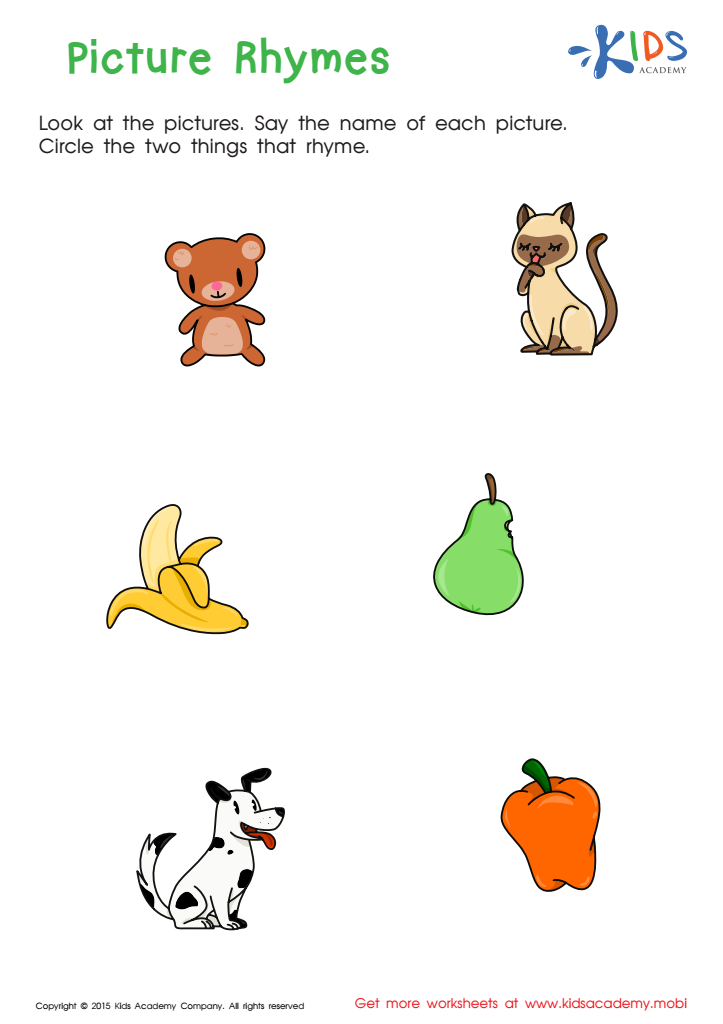
First Words: Picture Rhymes Worksheet
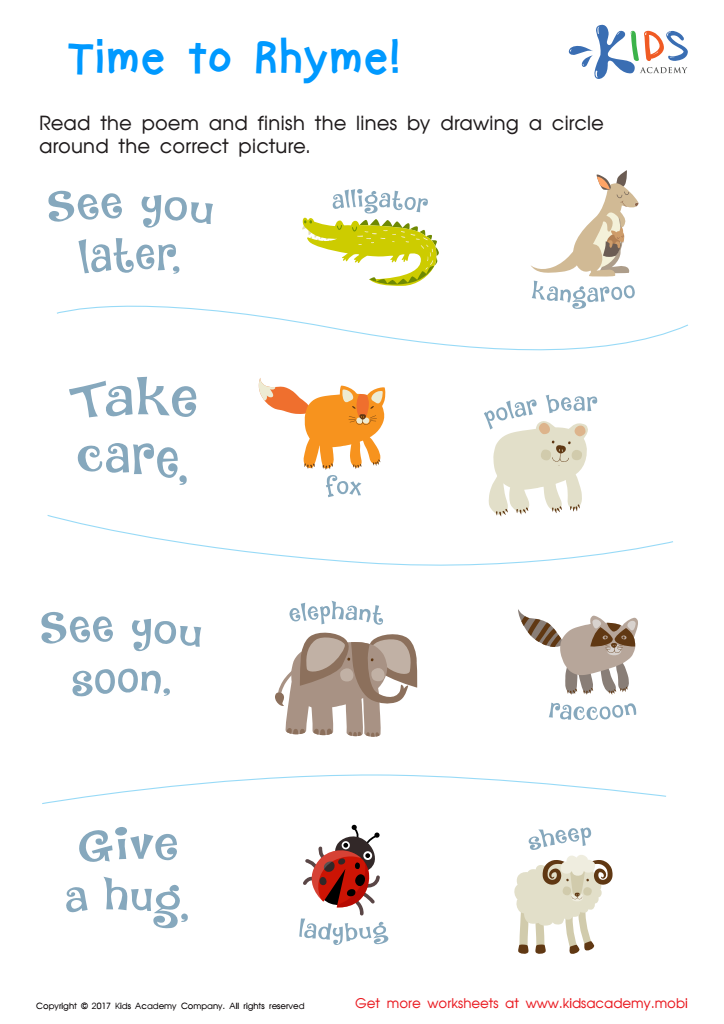
Time to Rhyme Rhyming Worksheet

Long and Short E Worksheet
 Assign to My Students
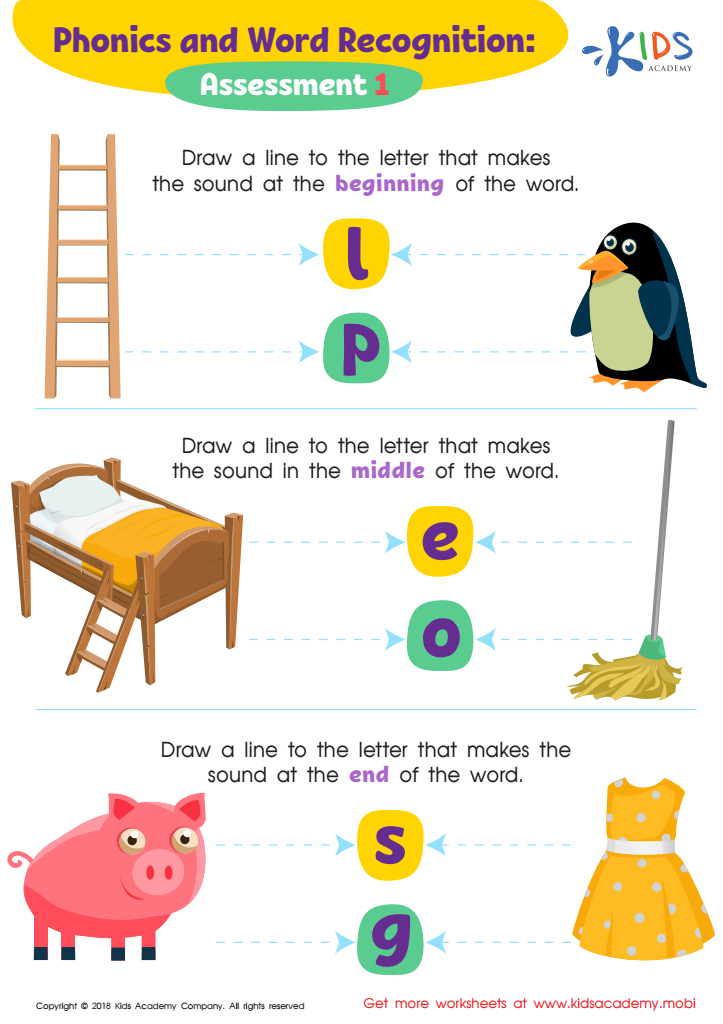
Phonics and Word Recognition: Assessment 1 ELA Worksheet
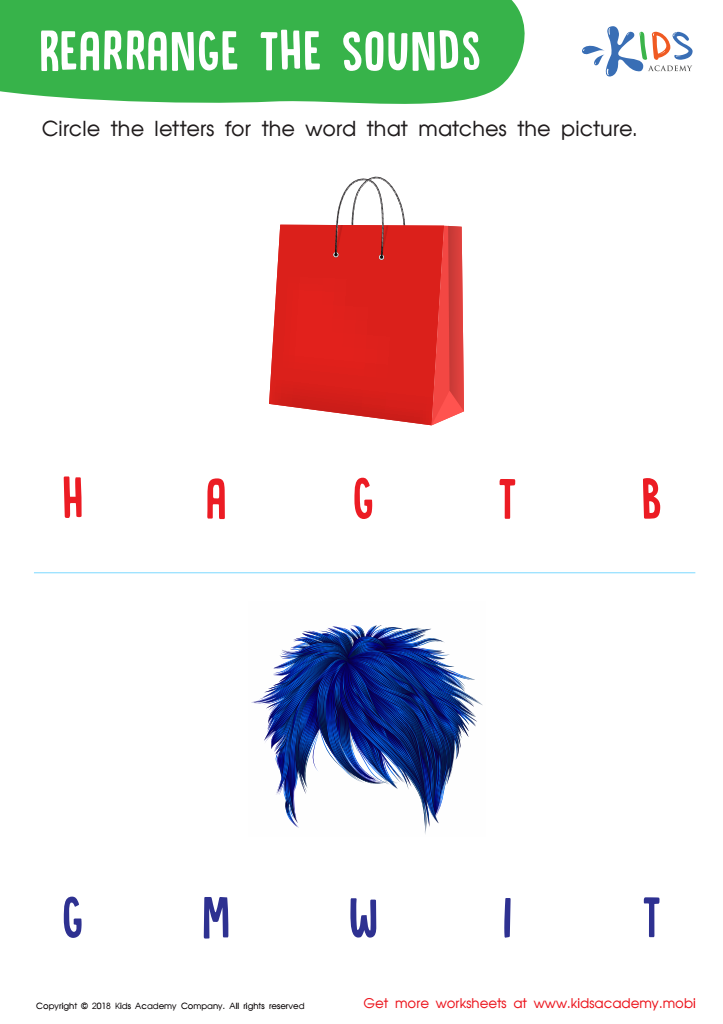
Rearrange the Sounds Worksheet








Reading comprehension is crucial for children ages 4-5 as it serves as the foundation for their future educational success. At this age, children are introduced to basic concepts of language and are learning to connect sounds with letters, which are essential skills for reading. Parents and teachers should prioritize reading comprehension during this developmental stage because it nurtures cognitive and language skills.
When children understand what they read, they become more engaged learners. Comprehension activities stimulate critical thinking, enabling children to make connections between stories and their own experiences. This not only enhances vocabulary but also boosts their ability to express themselves and communicate effectively.
Furthermore, encouraging reading comprehension at an early age fosters a love for reading. Children who find joy in stories are likely to read more, further reinforcing and expanding their comprehension skills. Engaged readers typically perform better academically as they progress through school.
In summary, strong reading comprehension skills in early years contribute to lifelong learning habits, improved social interaction, and academic achievement. Therefore, both parents and teachers play a vital role in nurturing these skills, making it a priority in the developmental journey of young learners.







