Writing practice Normal Letter Recognition Worksheets for Ages 4-5
5 filtered results
-
From - To
Enhance your child's literacy skills with our engaging Normal Letter Recognition Worksheets designed specifically for ages 4-5. These fun, interactive worksheets promote writing practice while helping young learners identify uppercase and lowercase letters. Each activity is crafted to strengthen fine motor skills and boost confidence as children trace, write, and match letters. Our resources not only focus on recognition but also encourage creativity and enjoyment in learning. Perfect for parents and educators, these worksheets make letter learning an exciting adventure; ensuring children are well-prepared for their educational journey ahead. Start your child's journey to literacy with our colorful, kid-friendly worksheets today!
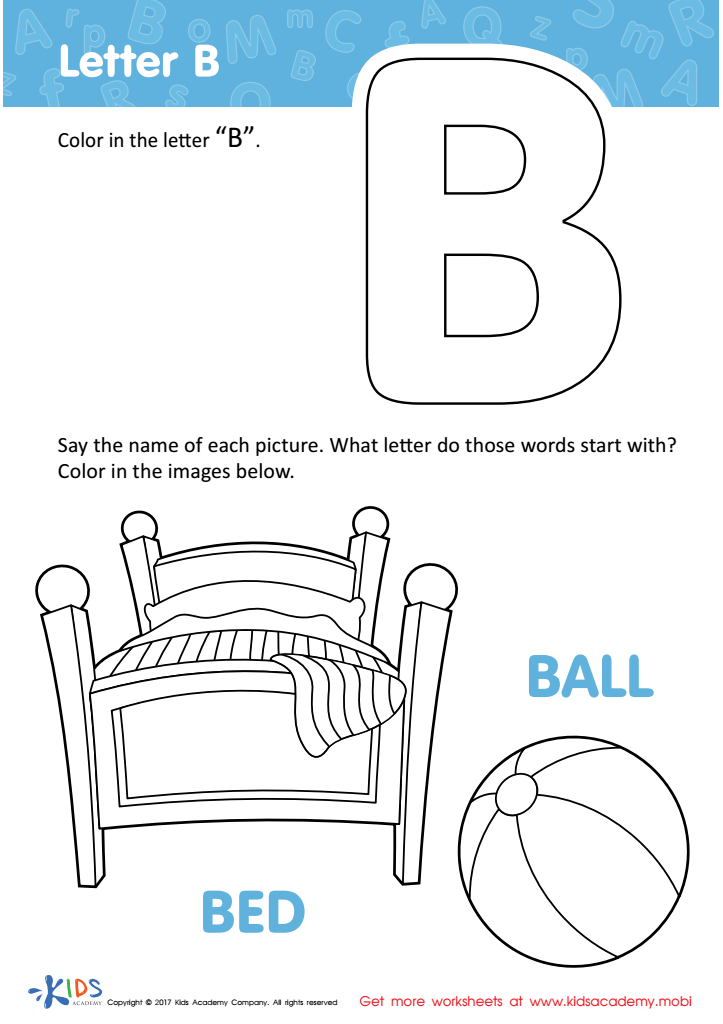
Letter B Coloring Sheet
 Assign to My Students
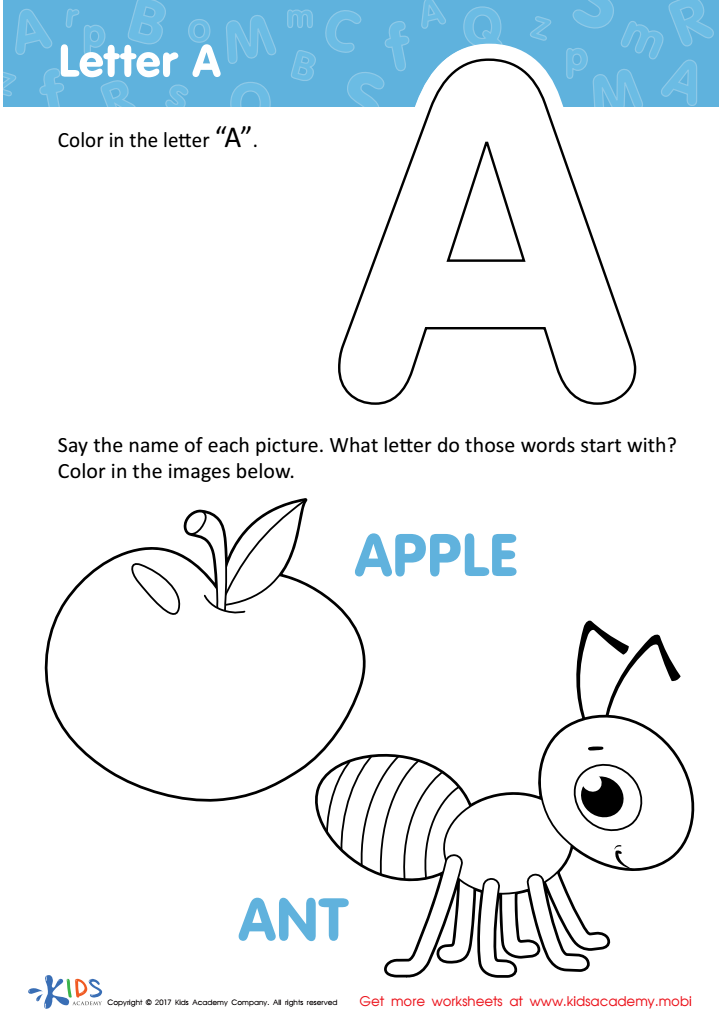
Letter A Coloring Sheet
Assign to My Students
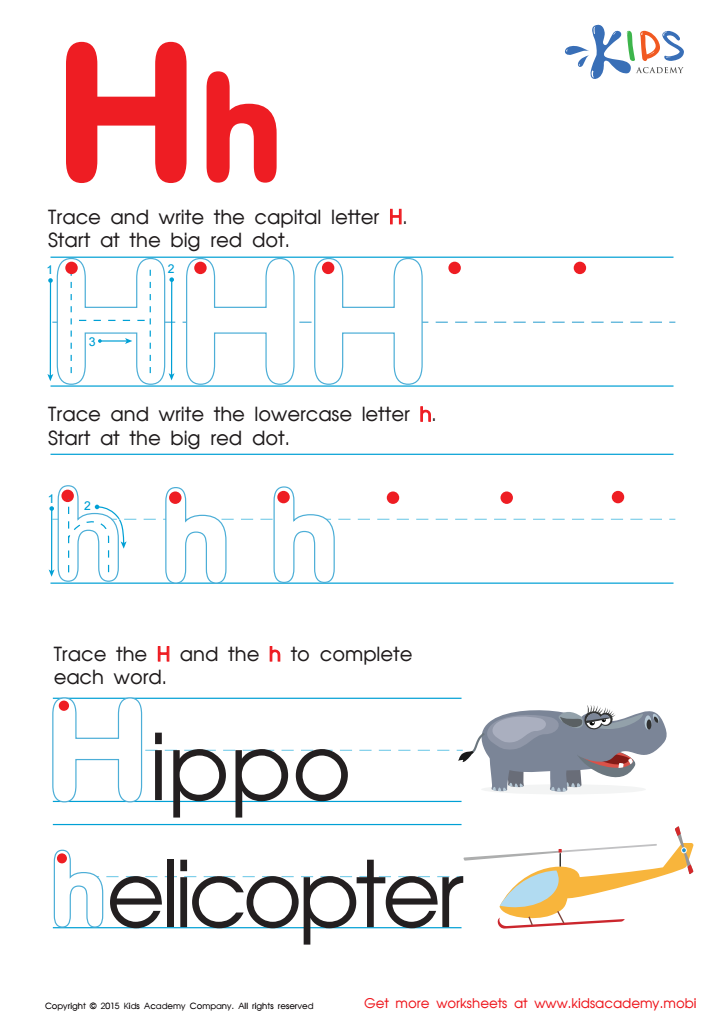
Letter H Tracing Page
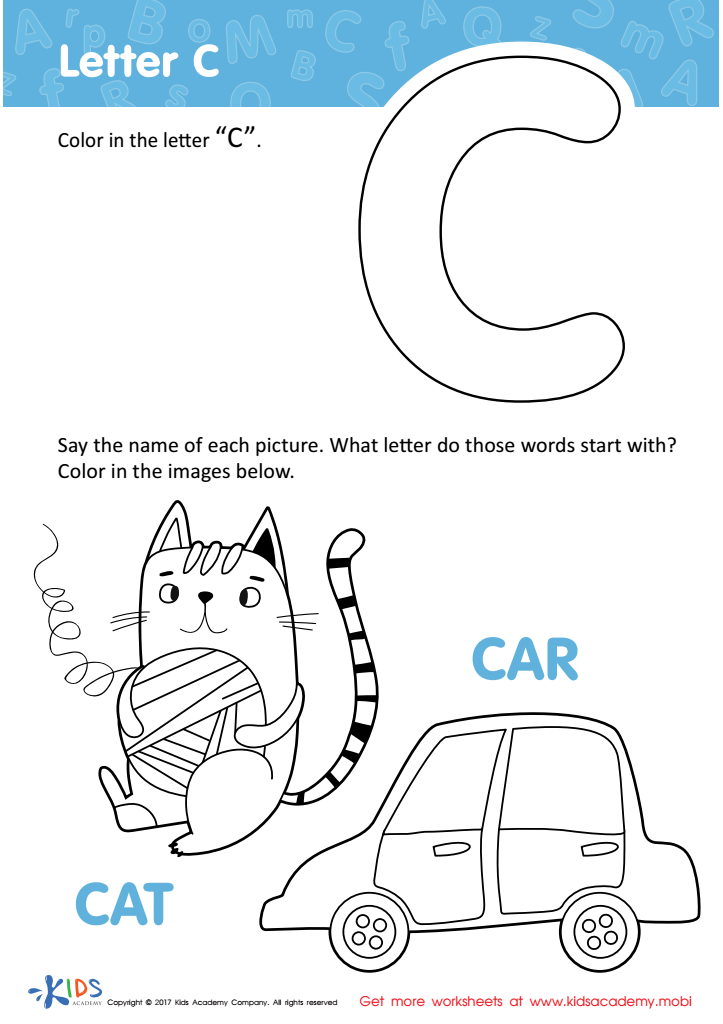
Letter C Coloring Sheet
Assign to My Students
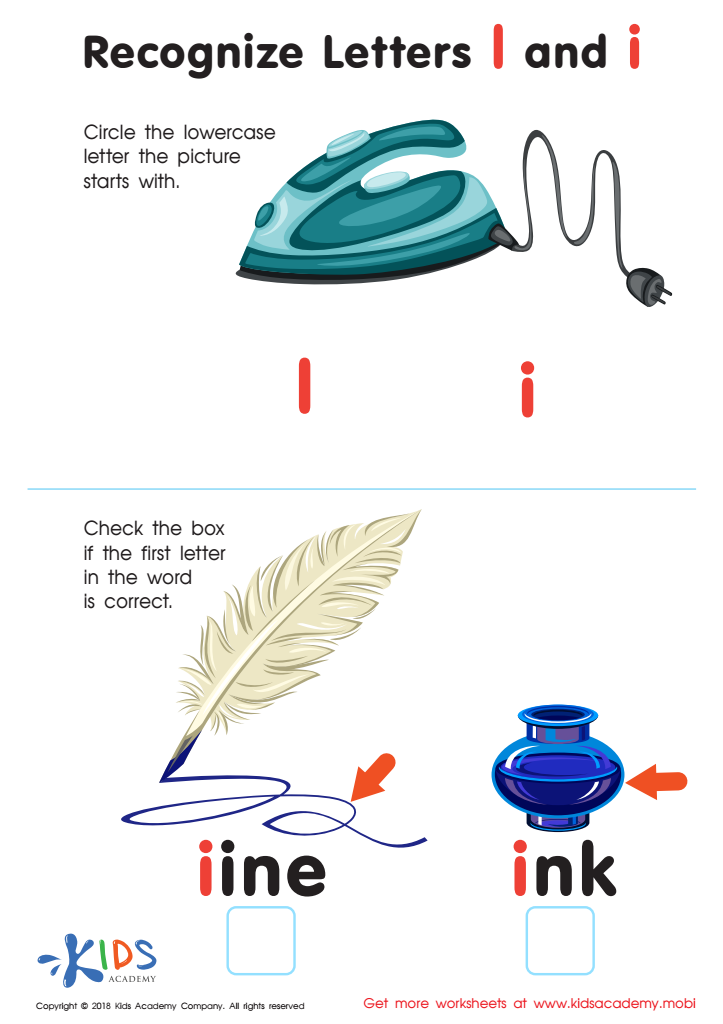
Recognize Letters l and i Worksheet








Writing practice and normal letter recognition for children aged 4-5 are essential components of early literacy development. During this formative stage, children's cognitive, motor, and language skills are rapidly evolving. Engaging in writing practice helps them understand the shapes and sounds of letters, thereby building a crucial foundation for reading. This recognition boosts their confidence when interacting with text and lays the groundwork for effective communication skills later on.
Additionally, writing practice encourages fine motor development as children learn to grip a pencil, form letters, and eventually spell words. It fosters creativity and expression, allowing children to convey their thoughts and ideas. Teachers and parents play vital roles in making these practices enjoyable through games, storytelling, and interactive activities that capture a child's interest.
Moreover, developing letter recognition early helps avert future literacy challenges, ensuring that children are better prepared for school demands. By actively participating in and supporting letter recognition activities, parents and teachers can nurture a love for reading and writing. Ultimately, this early investment in writing and letter recognition yields long-term benefits, including improved academic performance, higher self-esteem, and greater enthusiasm for learning as children grow.








