Alphabet understanding Normal Upper & Lowercase Letters Worksheets for Ages 4-5
3 filtered results
-
From - To
Unlock the world of letters with our Alphabet Understanding Normal Upper & Lowercase Letters Worksheets designed specifically for children aged 4-5. These worksheets provide engaging activities that help young learners distinguish between uppercase and lowercase letters, fostering essential early literacy skills. Each worksheet is thoughtfully crafted to promote recognition, writing practice, and comprehension in a fun, interactive way. Ideal for at-home learning or classroom use, our worksheets encourage creativity while reinforcing key concepts. Let your child embark on a rewarding journey through the alphabet, building a strong foundation for reading and writing success. Explore our resources and watch their confidence soar!
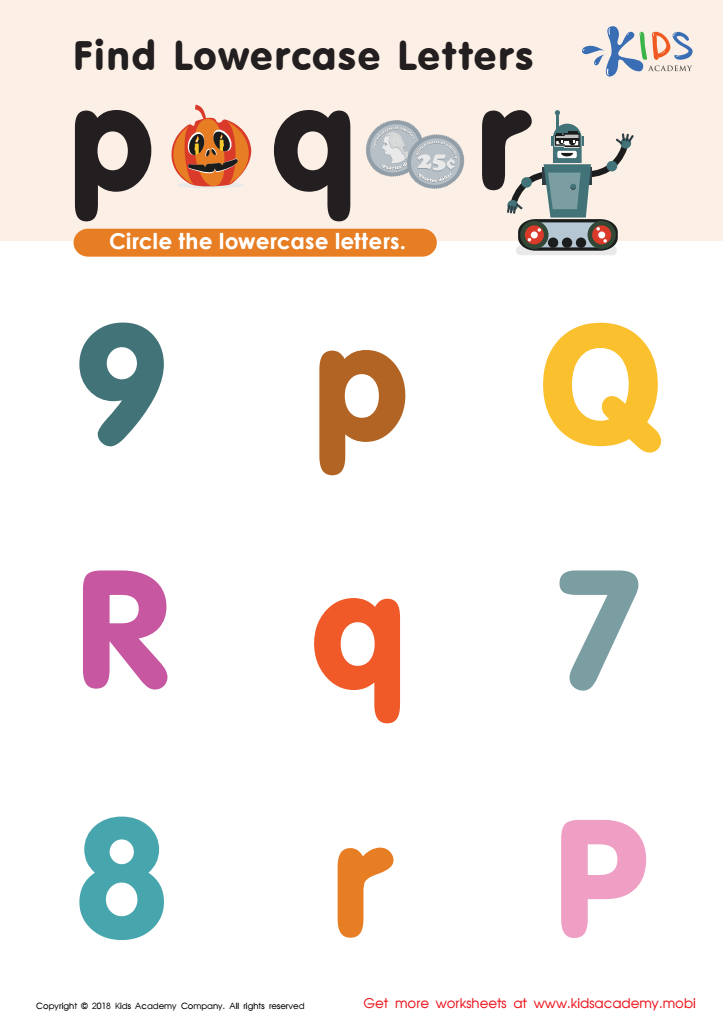
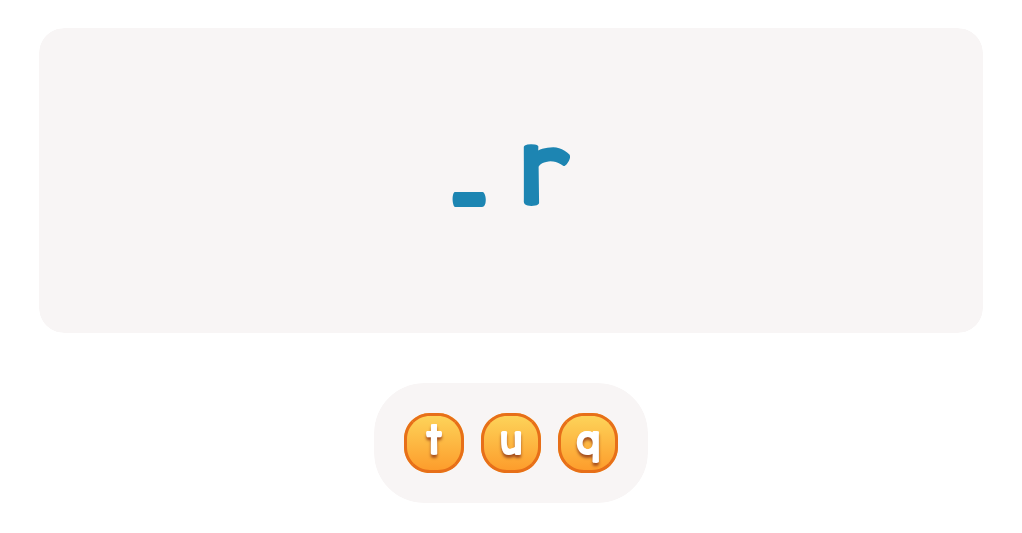
Find lowercase Letters p q r Worksheet
 Assign to My Students

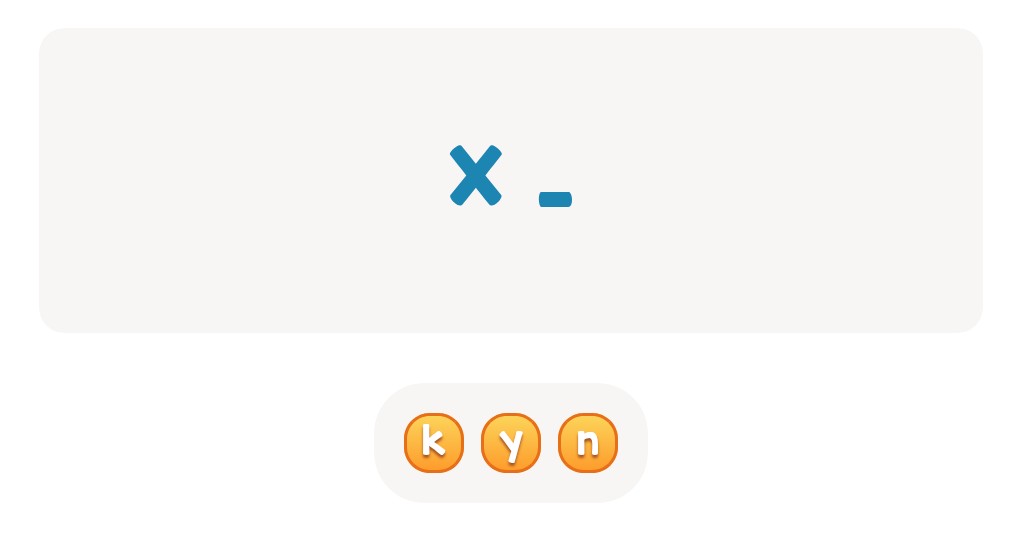
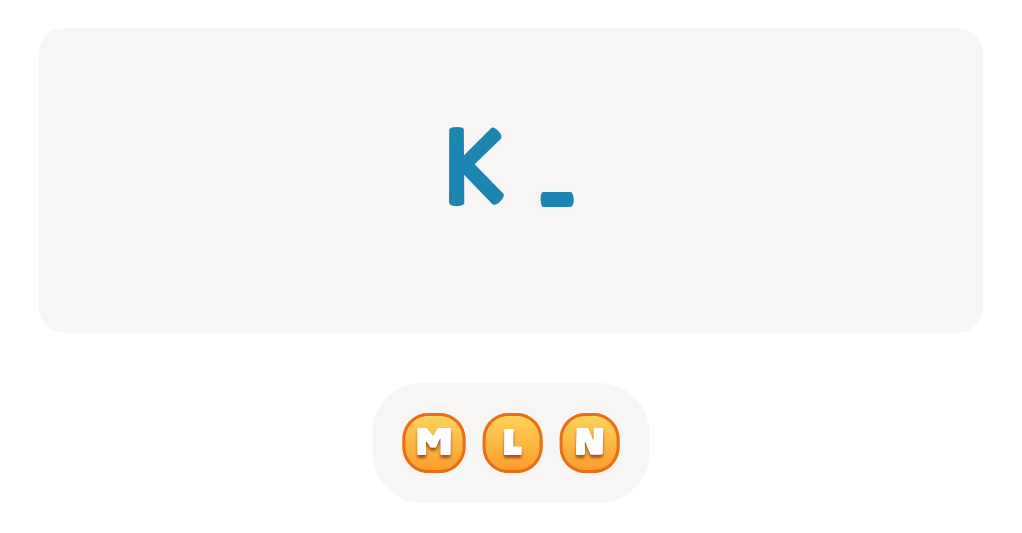

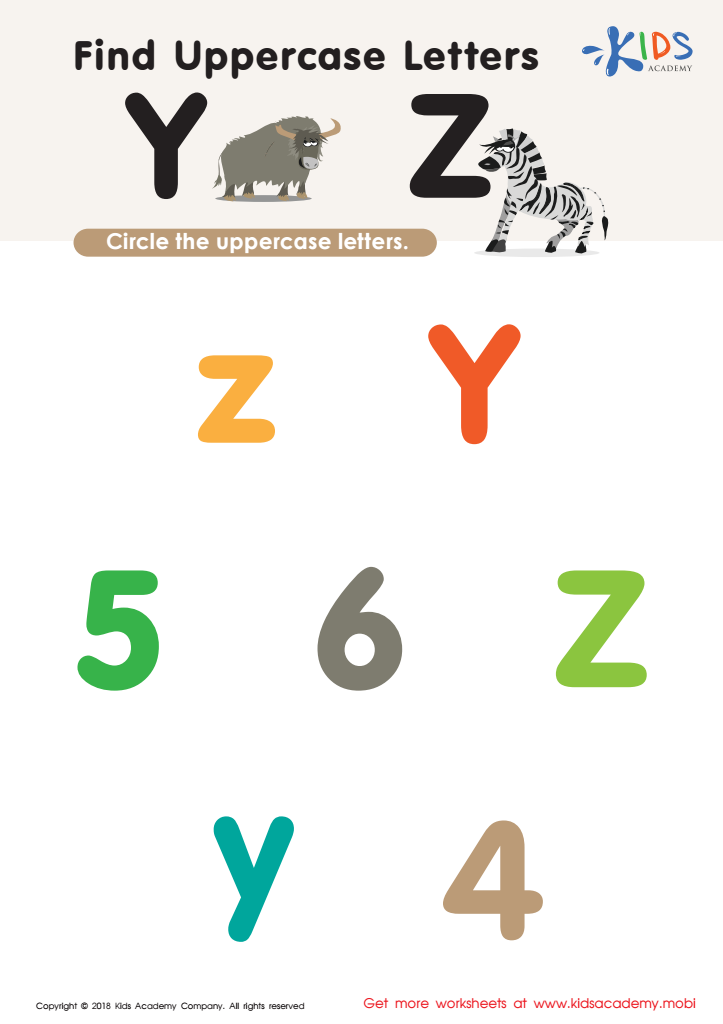
Find Uppercase Letters Y Z Worksheet
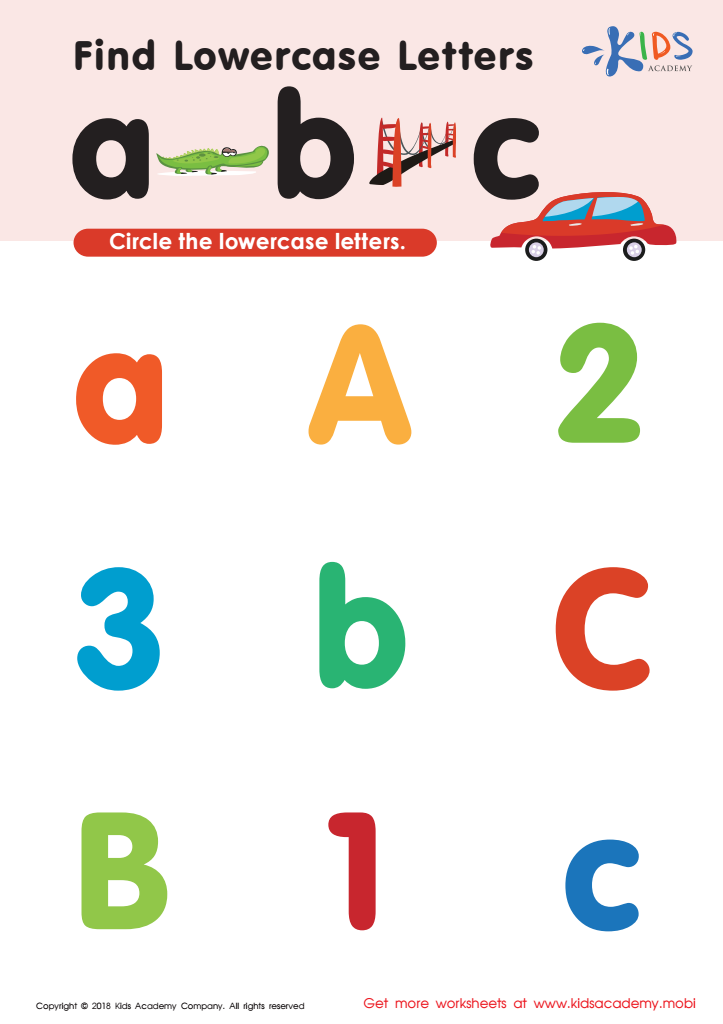
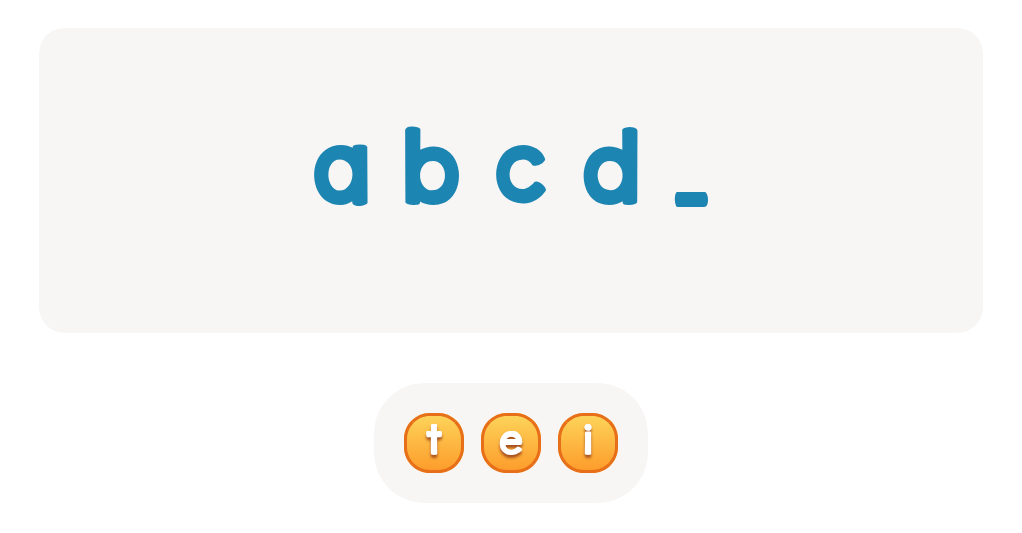
Find lowercase letters a b c Worksheet






Understanding both uppercase and lowercase letters is essential for children aged 4-5, as it provides them with the foundational skills needed for literacy development. Early mastery of the alphabet aids in recognizing and writing letters, which are crucial steps in reading and writing. This recognition helps children connect sounds to written symbols, an essential building block for phonemic awareness and overall language skills.
Furthermore, familiarity with upper and lowercase letters enhances children's ability to differentiate between various types of text they encounter, such as titles, names, or common nouns, which is important as they start to explore books and other written materials. Teachers and parents play a vital role in this learning process by creating engaging activities that integrate letter recognition into their daily routines, making learning fun and relevant.
Additionally, understanding alphabet forms supports social skills, as children begin to understand the importance of personalizing items with their names. This fosters a sense of ownership and pride in their work. Lastly, encouraging this foundational literacy skill helps set students up for future academic success, making it imperative for caregivers and educators to prioritize this aspect of early education. By nurturing letter recognition, they are laying the groundwork for a lifelong love of reading and writing.







