Hand-eye Coordination Normal Upper & Lowercase Letters Worksheets for Ages 4-5
3 filtered results
-
From - To
Enhance your child's handwriting skills with our "Hand-eye Coordination Normal Upper & Lowercase Letters Worksheets for Ages 4-5." These engaging printables help young learners practice the alphabet while developing crucial hand-eye coordination. Perfect for preschool and kindergarten students, each worksheet provides clear, simple exercises that encourage precision and improve penmanship. Watch as your child confidently distinguishes between uppercase and lowercase letters, setting a strong foundation for future writing success. Ideal for both classroom and home use, these worksheets make learning fun and effective. Boost your child's confidence and handwriting abilities today!
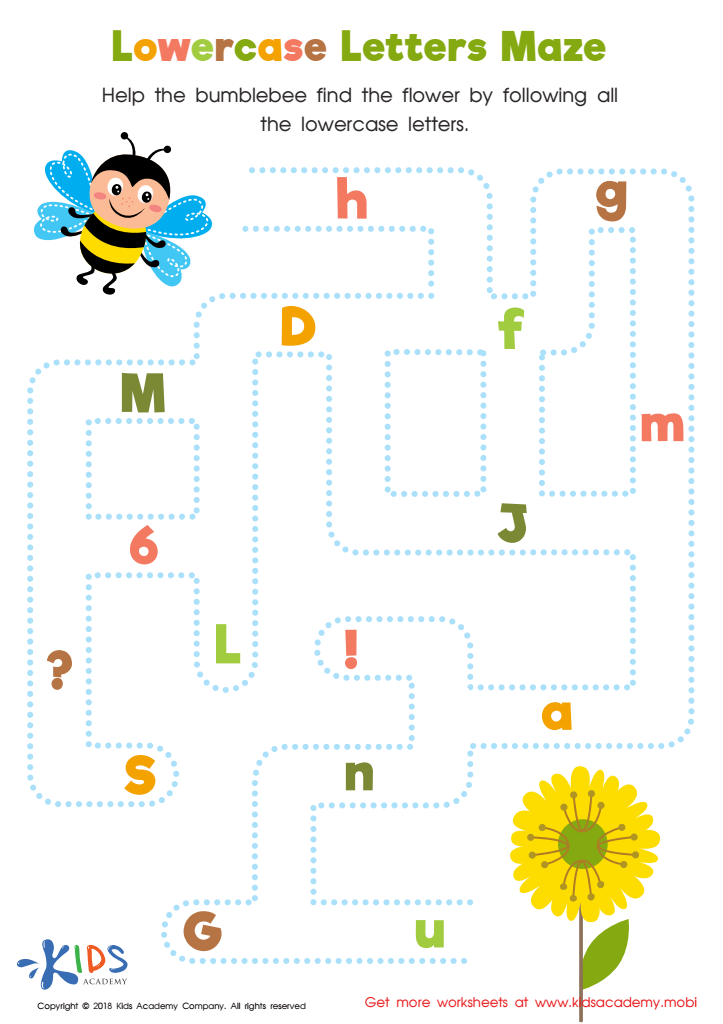
Lowercase Letters Maze Worksheet
 Assign to My Students
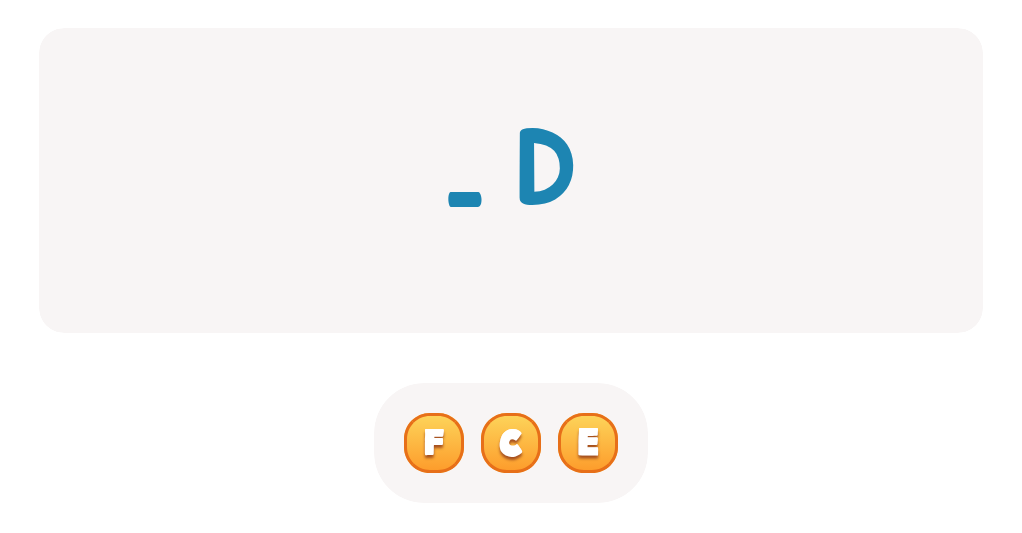

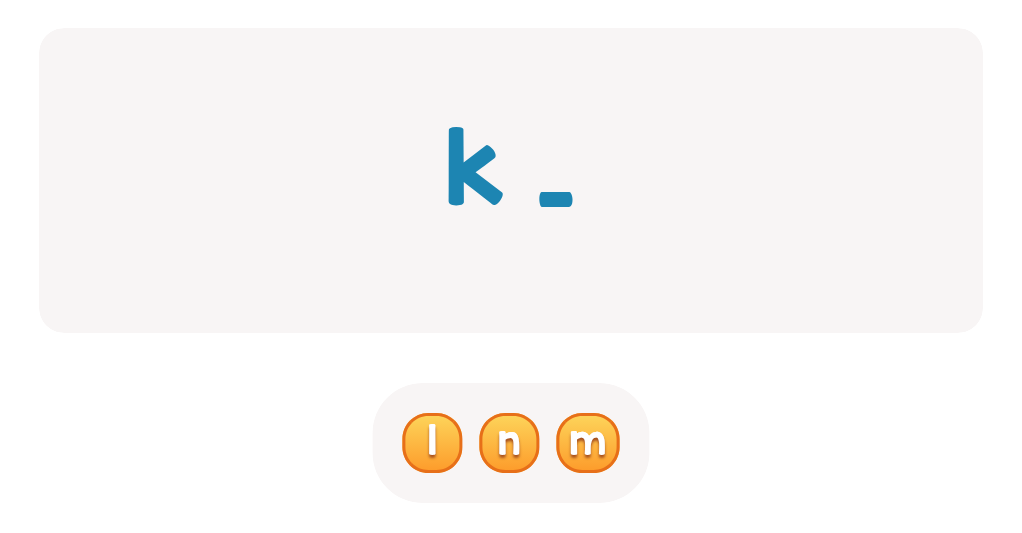
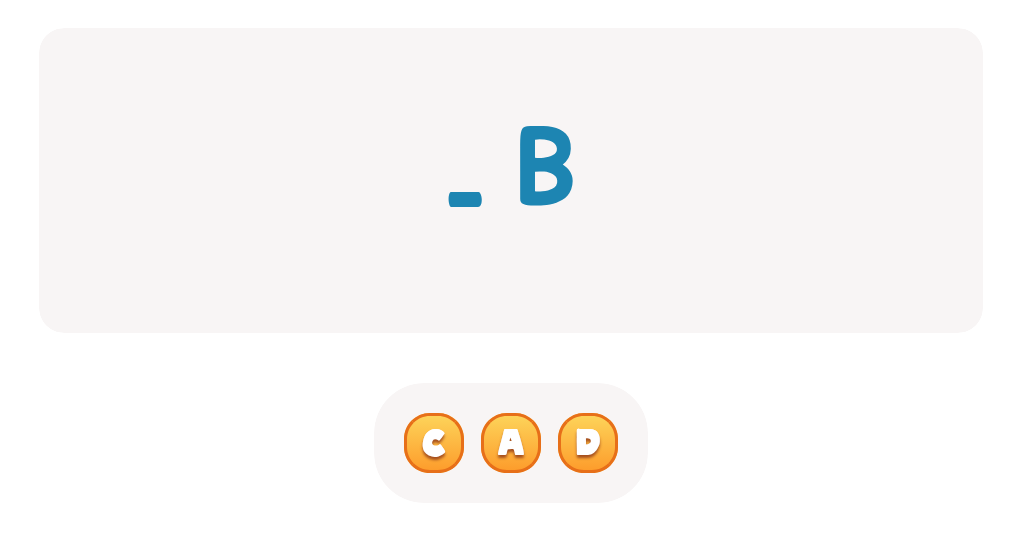
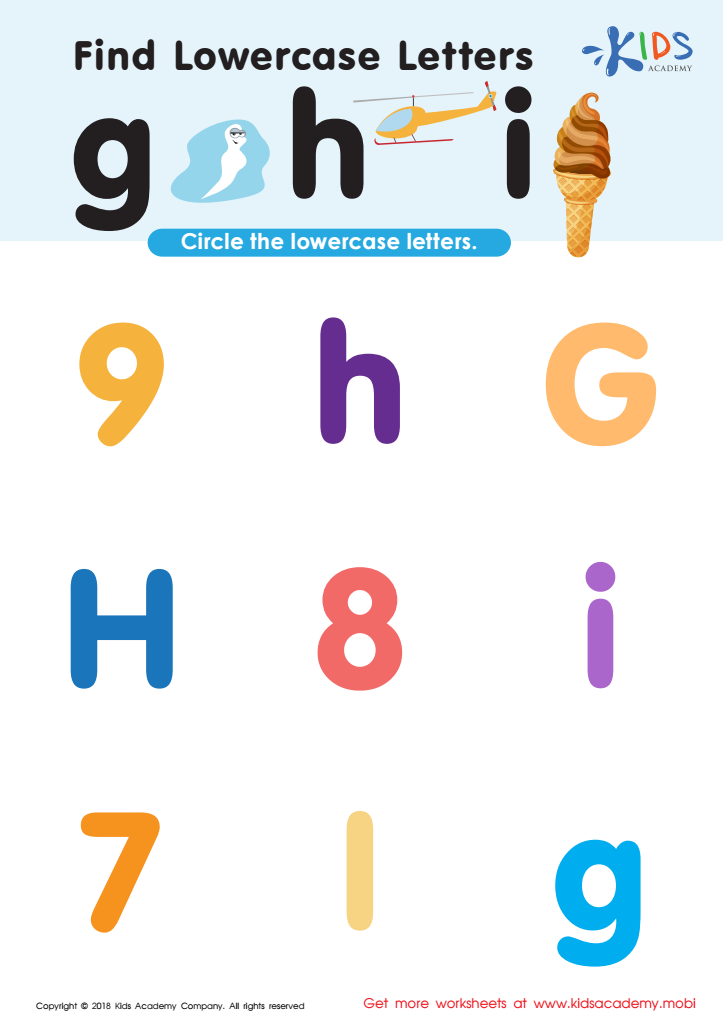
Find Lowercase Letters g h i Worksheet
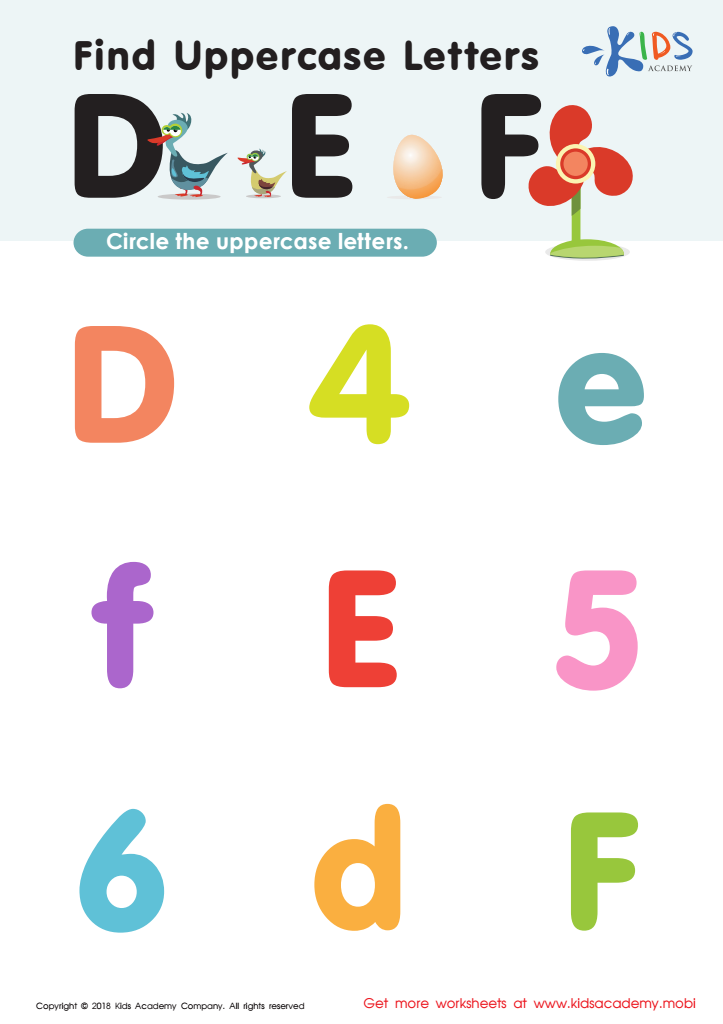
Find Uppercase Letters D, E, and F Worksheet






Ensuring proper hand-eye coordination, and teaching normal upper and lowercase letter formation for children ages 4-5, is crucial for several developmental reasons. First, strong hand-eye coordination underpins fundamental motor skills that children utilize in daily activities such as dressing, eating, and playing. These motor skills are directly linked to their ability to manipulate writing tools, ensuing in an effective foundation for writing.
Learning the difference between upper and lowercase letters helps children in the critical process of literacy development. Recognizing and writing both cases accurately aids in reading comprehension, making children more familiar with varied text formats they'll encounter. This early practice in handwriting fosters cognitive development by supporting memory recall and enhancing their ability to follow directions.
Moreover, proficiency in hand-eye coordination and letter writing contributes to children’s confidence in their academic abilities, which can influence their performance and attitude positively across subjects. Fine motor skills practice prepares children for a natural progression into more complex academic tasks.
Ultimately, parents and teachers who emphasize these skills early on give children a strong start, aiding in advanced classroom activities and ensuring they acquire the required dexterity and cognitive aptitudes pivotal for future educational success.







