Critical Thinking Normal Building Vocabulary Worksheets for Ages 4-5
6 filtered results
-
From - To
Enhance your child's vocabulary and critical thinking skills with our "Critical Thinking Normal Building Vocabulary Worksheets" designed specifically for ages 4-5. These engaging worksheets provide a foundation for early reading success, stimulating young minds through fun activities and exercises. Children will expand their vocabulary while developing essential critical thinking abilities. With a focus on context-driven learning, each worksheet encourages kids to think deeply and make connections between words and meanings. Perfect for preschoolers, our worksheets are an excellent resource to support literacy development and prepare your child for future academic success. Visit Kids Academy for more enriching educational materials.
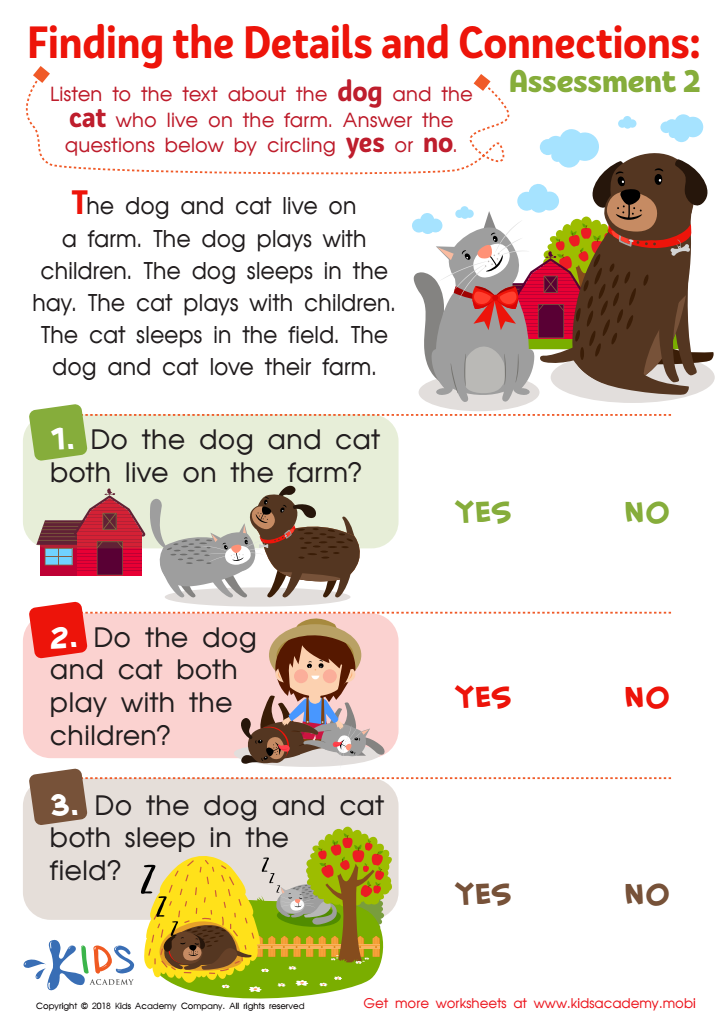
Finding the Details and Connections: Assessment 2 Worksheet
 Assign to My Students











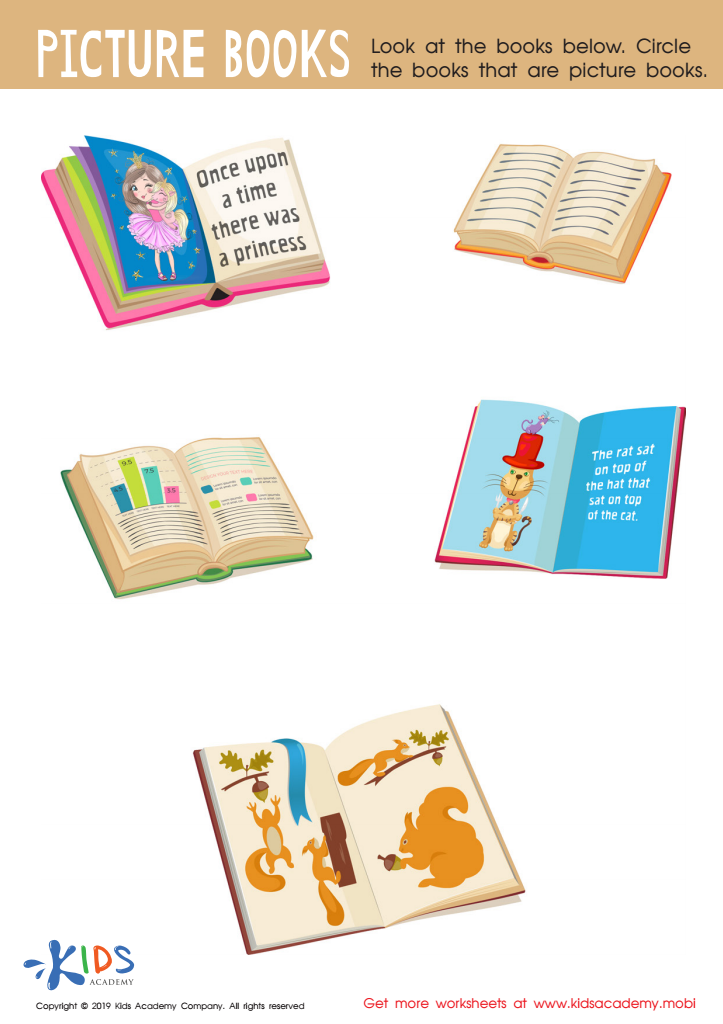
Picture Books Worksheet
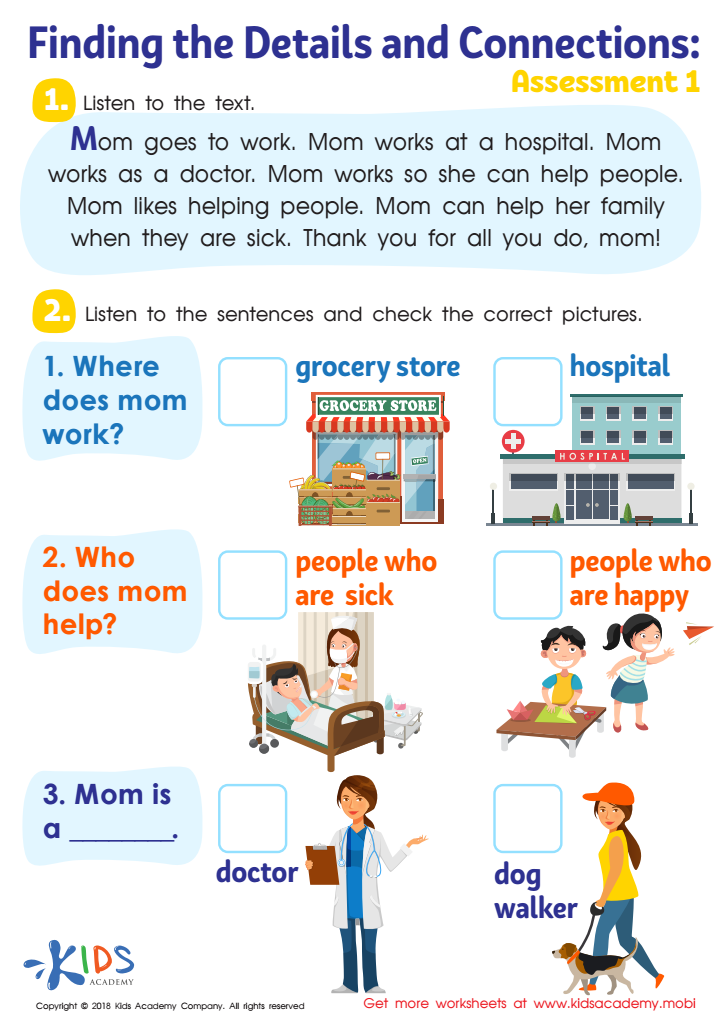
Finding the Details and Connections: Assessment 1 Worksheet
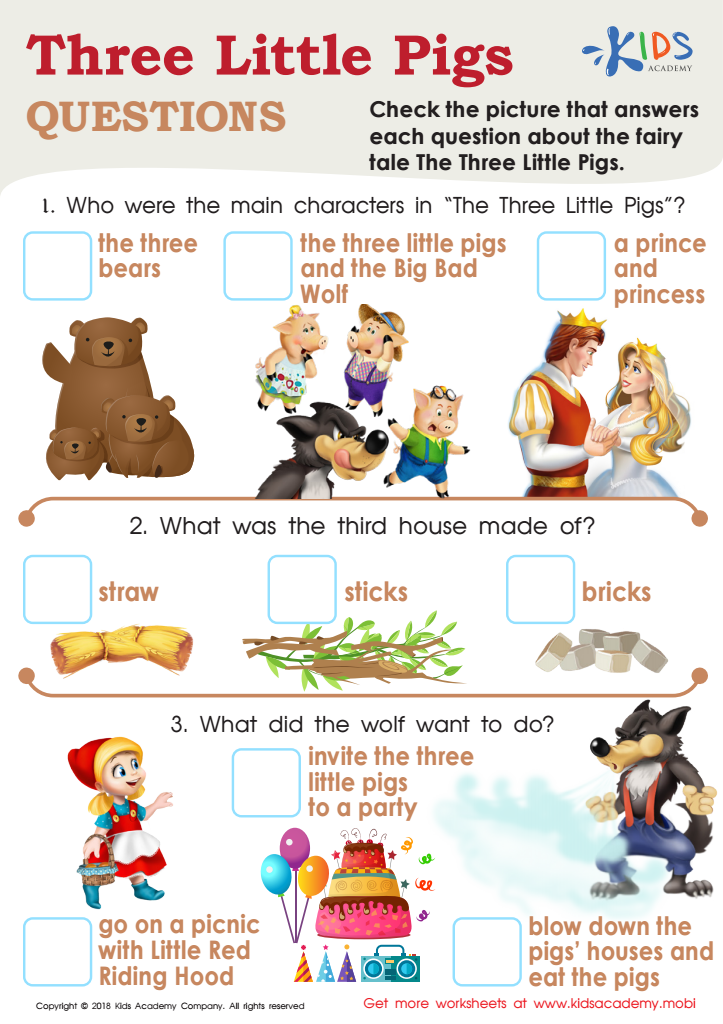
Three Little Pigs Questions Worksheet
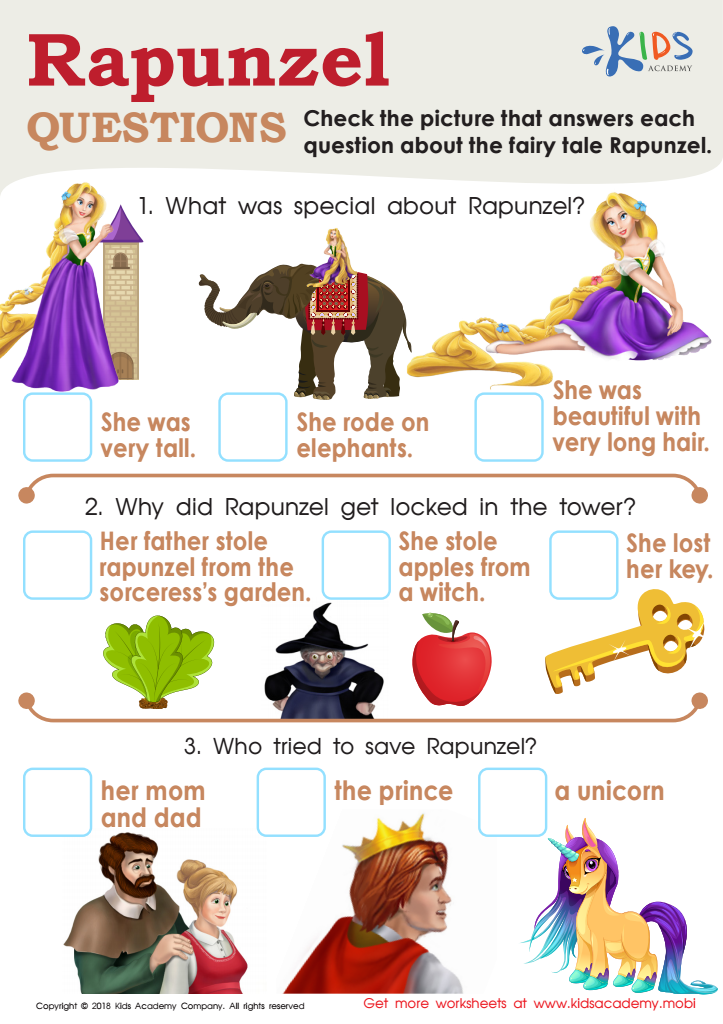
Rapunzel Questions Worksheet
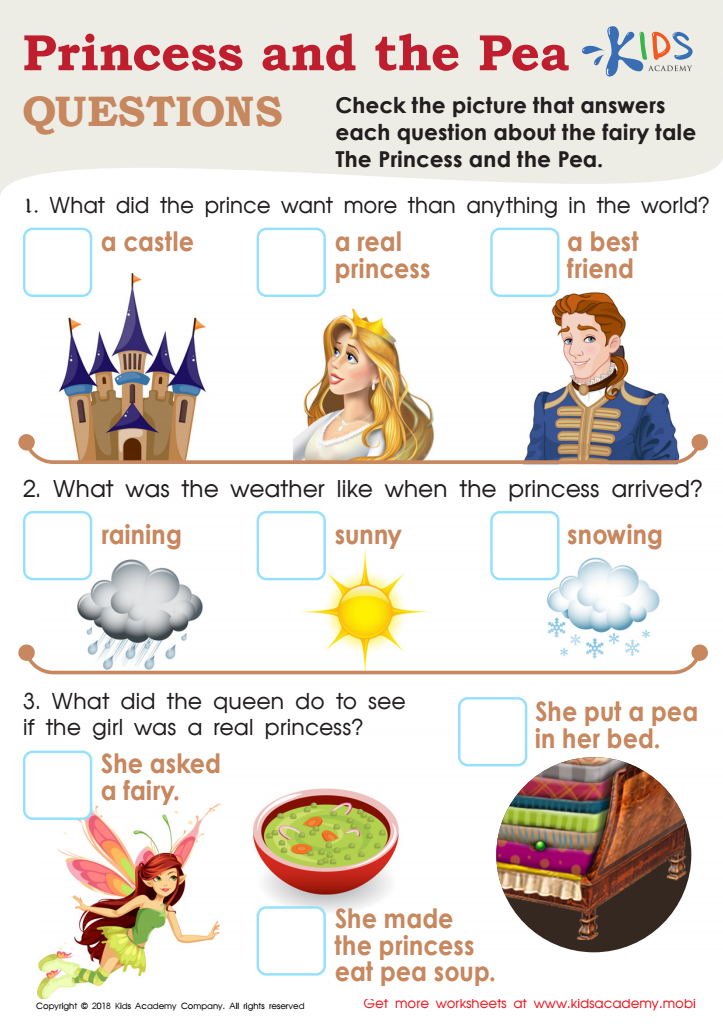
Princess and the Pea Questions Worksheet




.jpg)



Early childhood is a formative period for cognitive development, making it the ideal time to introduce critical thinking and vocabulary building. Parents and teachers should prioritize these skills because they lay the foundation for future academic success and everyday problem-solving abilities.
At ages 4-5, children are naturally curious and eager to explore the world around them. Introducing critical thinking at this stage helps them develop the ability to analyze, evaluate, and make decisions. These skills are crucial for understanding complex concepts later in life, from scientific reasoning to ethical dilemmas. Early critical thinking exercises, like asking open-ended questions or encouraging children to explain their reasoning, promote mental flexibility and intellectual resilience.
Simultaneously, vocabulary building is essential. A rich vocabulary enhances a child's ability to express themselves clearly and understand others. This skill directly impacts literacy, as children with wider vocabularies find reading and comprehension easier, leading to better performance in school across all subjects.
Combining these two practices creates a synergistic effect—children with strong vocabularies are better equipped to articulate their critical thinking processes, and critical thinking can expand their conceptual understanding, leading to new words and definitions.
In conclusion, fostering critical thinking and vocabulary in young children prepares them for a lifetime of learning and adaptation, setting the stage for their overall success and well-being.








