Color recognition Normal Reading Worksheets for Ages 4-5
3 filtered results
-
From - To
Discover our engaging Color Recognition Normal Reading Worksheets designed specifically for children ages 4-5. These worksheets offer a fun and interactive way to help young learners identify and differentiate colors while enhancing their reading skills. Each activity is thoughtfully crafted to encourage the development of cognitive and language abilities, making learning an enjoyable experience. With vibrant illustrations and age-appropriate challenges, children will gain confidence in their color recognition skills and improve their overall literacy. Perfect for home or classroom use, our worksheets are a valuable resource to support early childhood education. Start your little one's learning journey today!

Twinkle Twinkle Little Star Coloring Page
 Assign to My Students
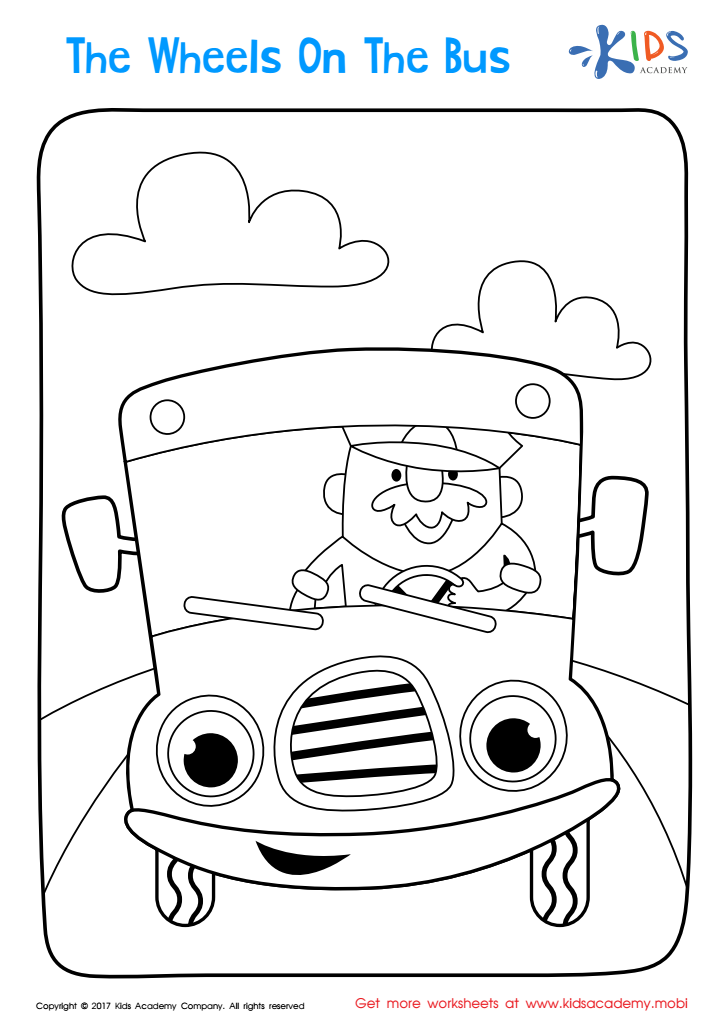
The Wheels on the Bus Coloring Page
Assign to My Students
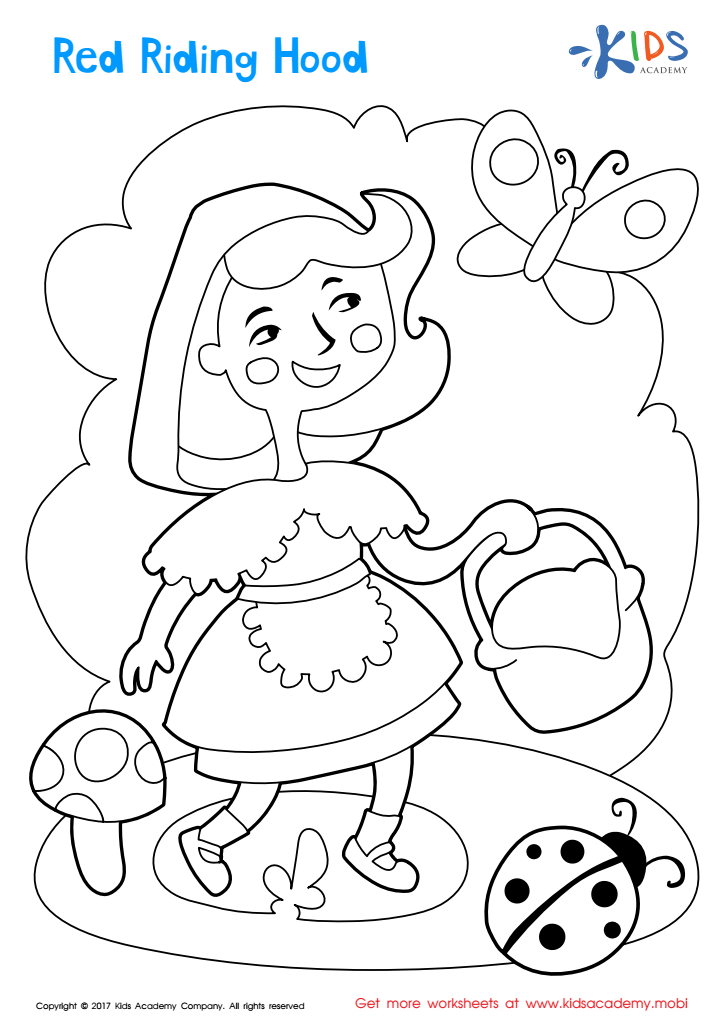
Red Riding Hood Coloring Page
Assign to My Students








Color recognition is a fundamental skill that plays a crucial role in early childhood development, particularly for children aged 4 to 5. Parents and teachers should prioritize this skill because it lays the foundation for more complex cognitive abilities and enhances language development. By learning to identify and name colors, children improve their vocabulary and enhance their ability to express themselves.
Additionally, color recognition involves critical thinking and categorization, as children learn to associate colors with objects in their environment. This not only aids in comprehension but also enhances observation skills and memory retention.
Moreover, this skill is often instrumental across various subjects. For instance, in reading, understanding color can help children decipher illustrations in storybooks, allowing them to better understand context and emotion. Engaging children in color-related activities stimulates creativity and imagination, key components of a well-rounded education.
Lastly, developing this skill during early childhood fosters confidence and social interaction, as children often share their discoveries with peers and adults. Overall, color recognition is more than just a basic skill; it serves as a building block for lifelong learning and development. Parents and educators should recognize its significance and encourage exploration and practice to boost children's overall growth.








