Counting skills Normal Science Worksheets for Ages 4-5
4 filtered results
-
From - To
Discover our engaging Counting Skills Normal Science Worksheets designed specifically for children aged 4-5. These interactive worksheets foster a strong foundation in counting in a fun and playful manner. Each activity seamlessly integrates basic science concepts, enhancing your child's understanding of numbers while exploring the natural world. Whether your little one is counting animals, objects, or exploring patterns, these worksheets provide the perfect blend of educational content and enjoyment. Ideal for home or classroom use, our materials help boost confidence and promote early numeracy skills. Unlock your child's potential with our expertly crafted worksheets today!
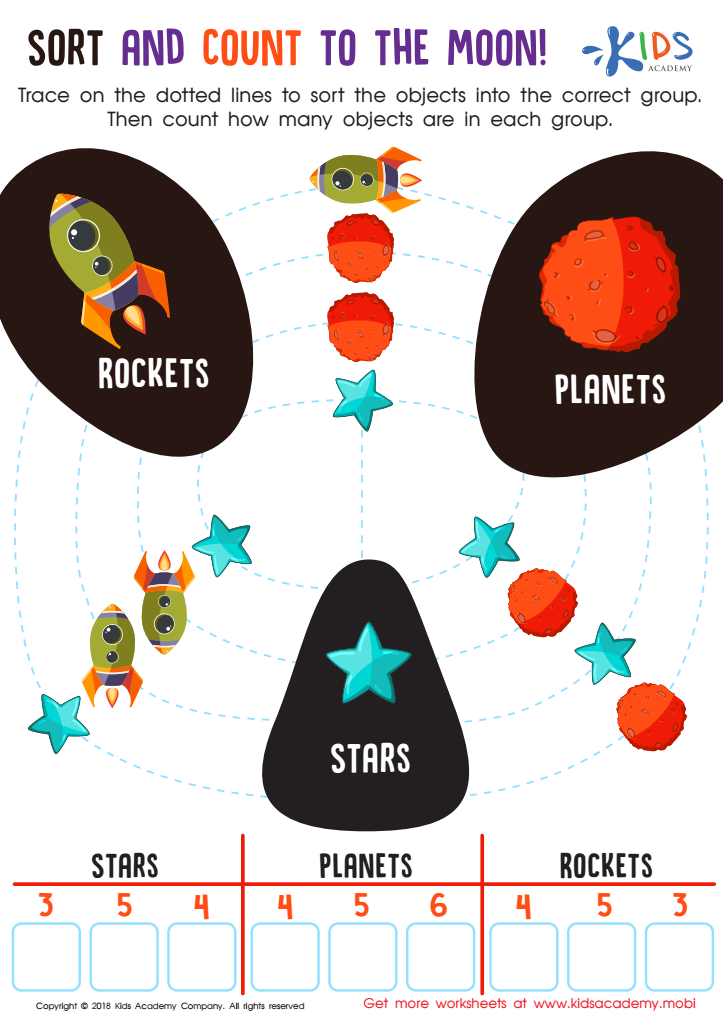
Sort and Count to the Moon Worksheet
 Assign to My Students
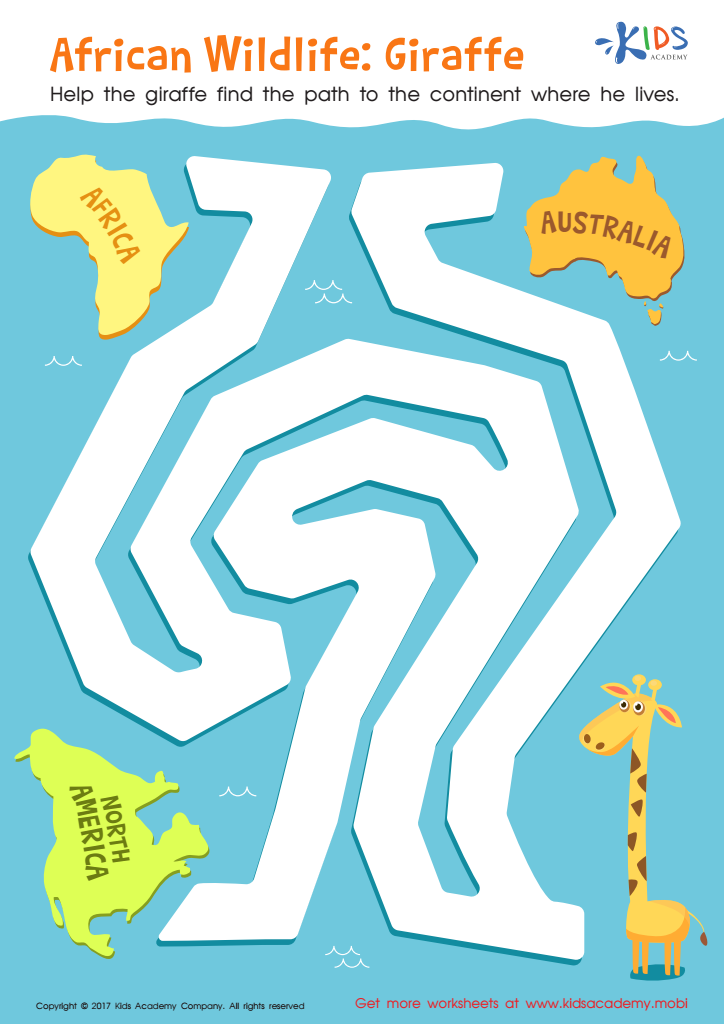
African Wildlife: Giraffe Worksheet
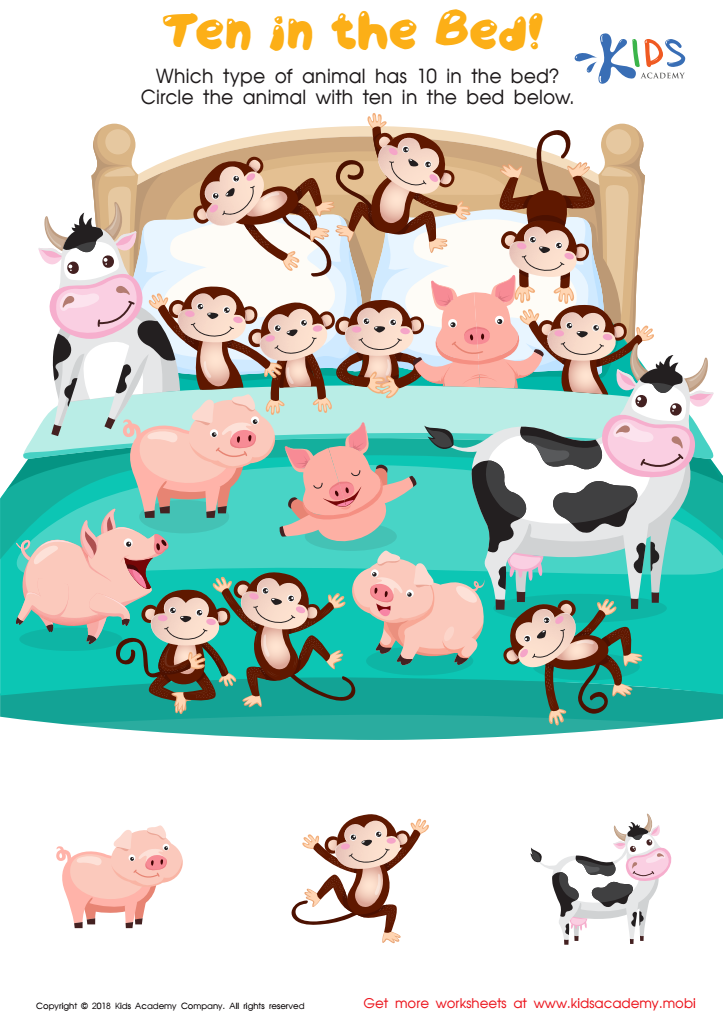
Ten in the Bed Worksheet
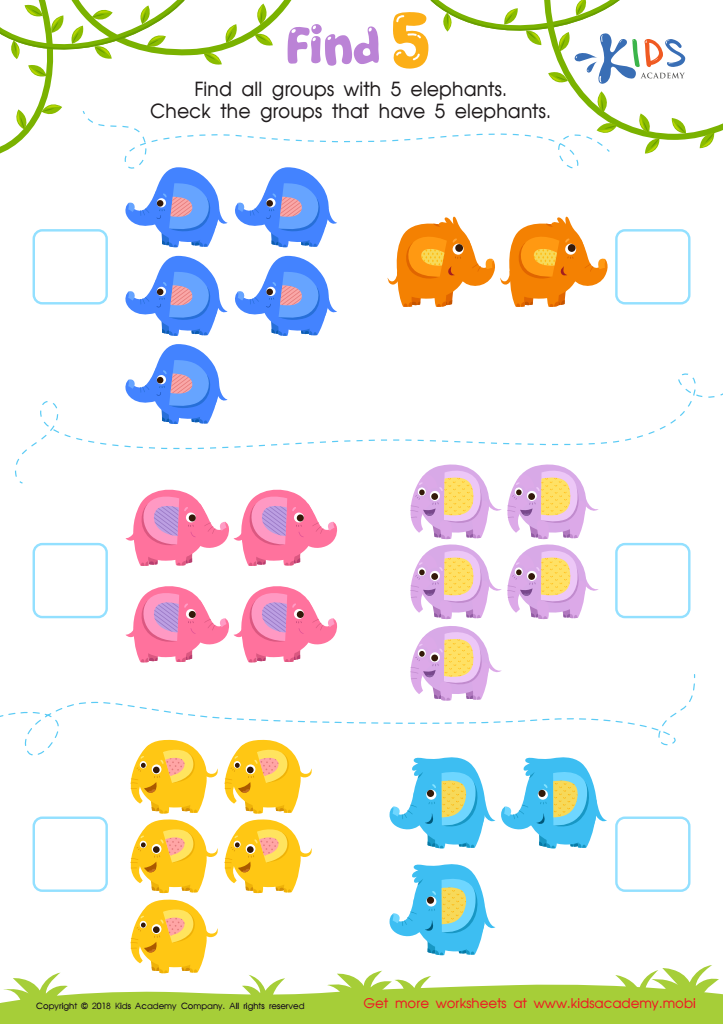
Find 5 Worksheet








Counting skills are foundational for children's early development and play a crucial role in their academic success, especially in mathematics. For children aged 4-5, mastering counting not only enhances their numeracy skills but also strengthens their cognitive development and critical thinking.
Teachers and parents should care about counting skills because these skills are interconnected with various aspects of learning. Counting helps children understand quantities, facilitating problem-solving and analytical thinking. As they practice counting, they also learn about number recognition, order, and the concept of more or less, which are essential in everyday situations.
Moreover, counting provides a framework for lessons in addition, subtraction, and even more complex math concepts they will encounter in later grades. Encouraging counting through engaging activities, such as counting objects during playtime or singing number songs, can make learning enjoyable and effective.
Investing effort into developing strong counting skills during these formative years can build a child's confidence and enthusiasm for mathematics. Furthermore, nurturing these skills fosters a growth mindset, where children learn that improvement comes with practice. Overall, focusing on counting in early education equips children with essential tools for lifelong learning and future academic challenges.







