Alphabet sequencing Normal Alphabet Worksheets for Ages 4-6
4 filtered results
-
From - To
Enhance your child's early literacy skills with our engaging Alphabet Sequencing Normal Alphabet Worksheets, designed specifically for ages 4-6. These worksheets offer a fun and interactive way for young learners to practice recognizing and ordering the letters of the alphabet. Each activity is crafted to encourage critical thinking and reinforce proper letter sequence through colorful visuals and stimulating exercises. Children will develop essential cognitive and fine motor skills as they trace, complete sequences, and engage in playful alphabet activities. Perfect for at-home learning or as supplementary resources for preschool and kindergarten classrooms, our worksheets make learning the alphabet an enjoyable adventure!
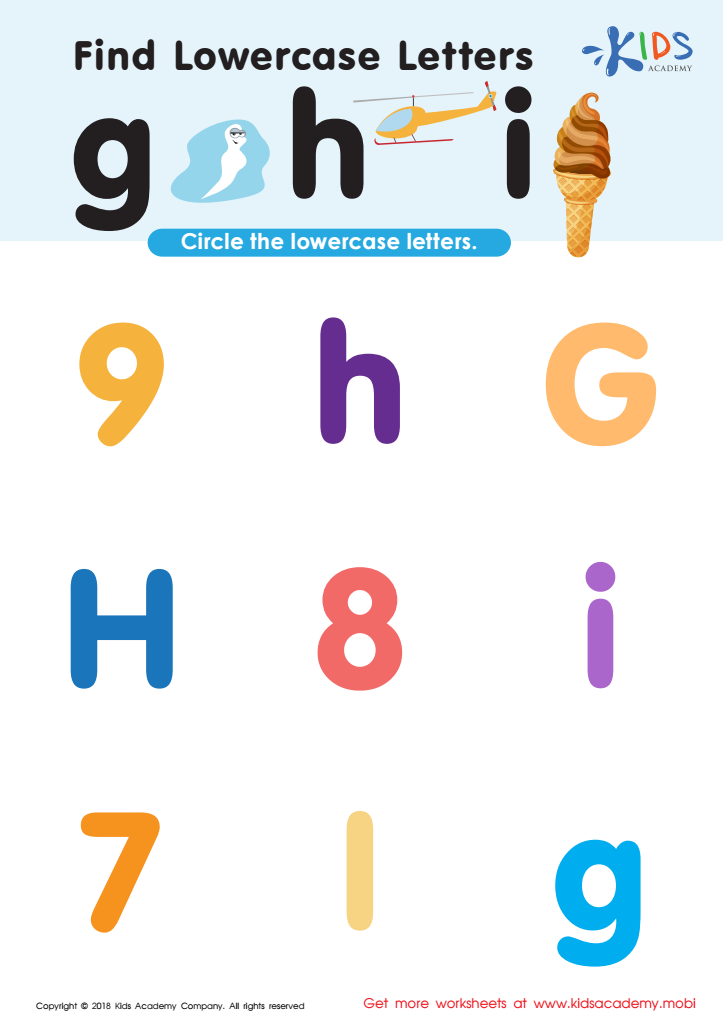
Find Lowercase Letters g h i Worksheet
 Assign to My Students
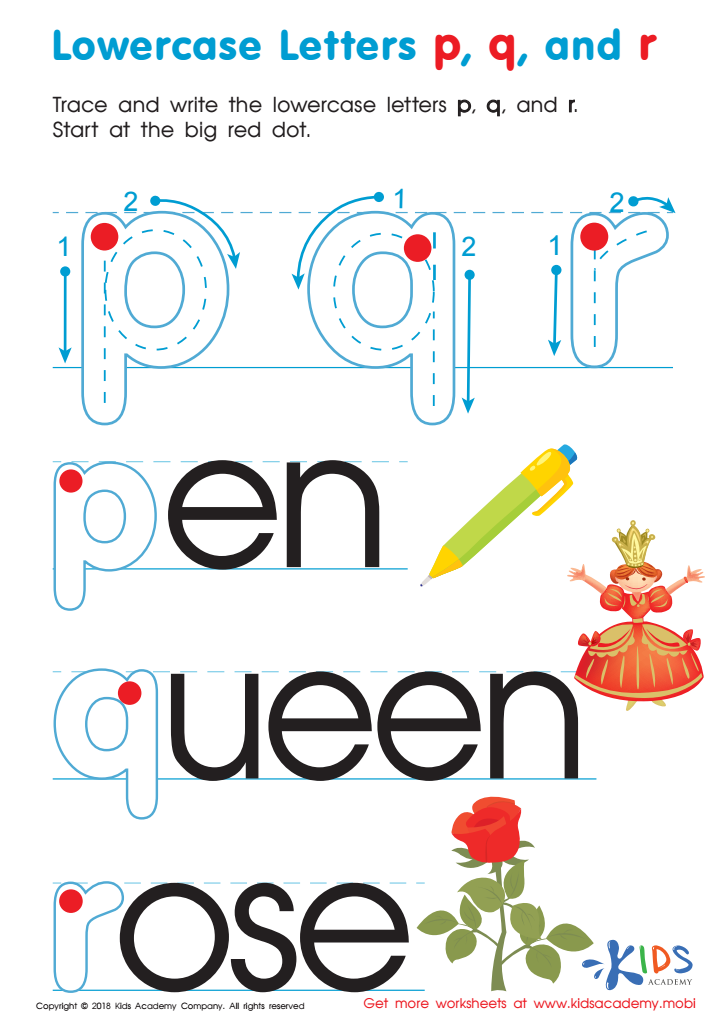
Lowercase Letters p q r Worksheet
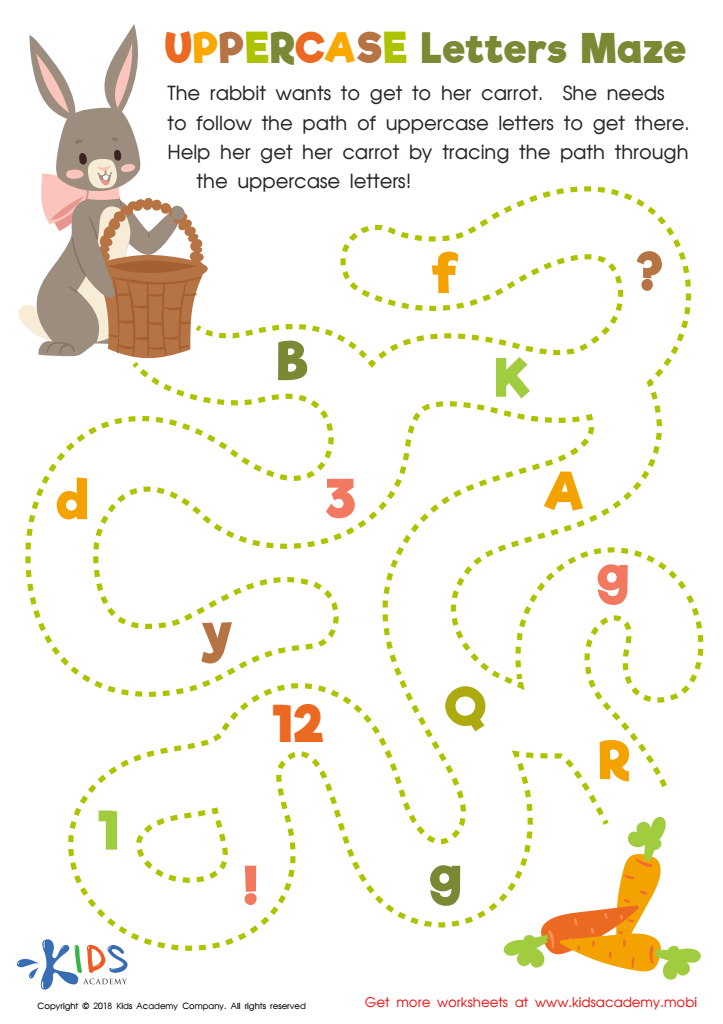
Uppercase Letters Maze Worksheet
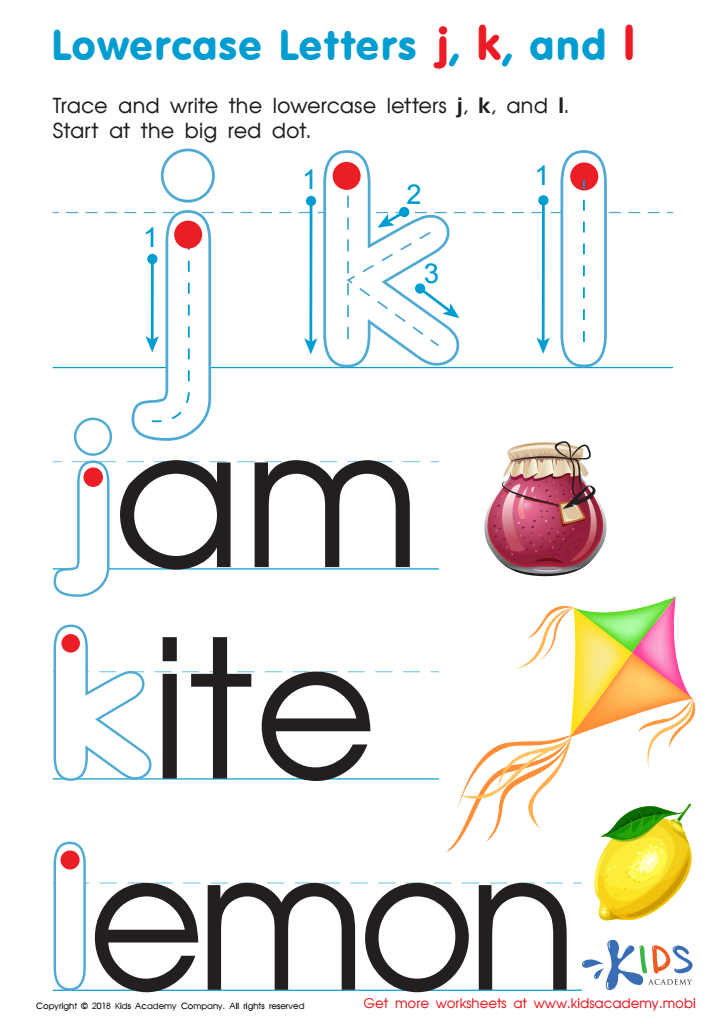
Lowercase Letters j k l Worksheet








Alphabet sequencing is crucial for children aged 4-6 as it forms the foundation for their literacy skills. Understanding the normal alphabet order helps young learners to recognize letters and their sounds, which is essential for reading, writing, and phonetic awareness. When children grasp the alphabetical sequence, they are better prepared to alphabetize words, successfully navigate dictionaries, and decode written text.
Moreover, mastering the alphabet sequence fosters cognitive and language development. Children begin to make connections between letters and their associated sounds, paving the way for phonics instruction and eventual reading fluency. This foundational knowledge enhances their ability to communicate effectively, strengthening both spoken and written language skills.
Parents and teachers play a critical role in nurturing this skill through engaging activities such as singing the alphabet song, using alphabet books, and incorporating games that involve letter recognition and sequencing. By prioritizing alphabet sequencing, adults can support children's overall academic success and boost their confidence in learning.
Ultimately, investing time and resources in teaching young children the alphabet order not only aids in their literacy journey but also encourages a lifelong love for reading and learning. In this formative stage, every letter counts in building a robust literacy foundation.







