Phonics improvement Normal Alphabet Worksheets for Ages 4-6
3 filtered results
-
From - To
Discover our engaging Phonics Improvement Normal Alphabet Worksheets designed for children ages 4-6! These vibrant, interactive worksheets help young learners master the fundamentals of phonics by connecting sounds and letters through enjoyable activities. Ideal for preschool and early-grade classrooms, each worksheet reinforces letter recognition, sound identification, and basic phonetic skills. With a variety of exercises, including tracing, matching, and coloring, children will build their confidence and competence in reading. Whether at home or in school, these resources provide a fun and effective way to cultivate a lifelong love for literacy. Download and enhance your child’s phonics journey today!
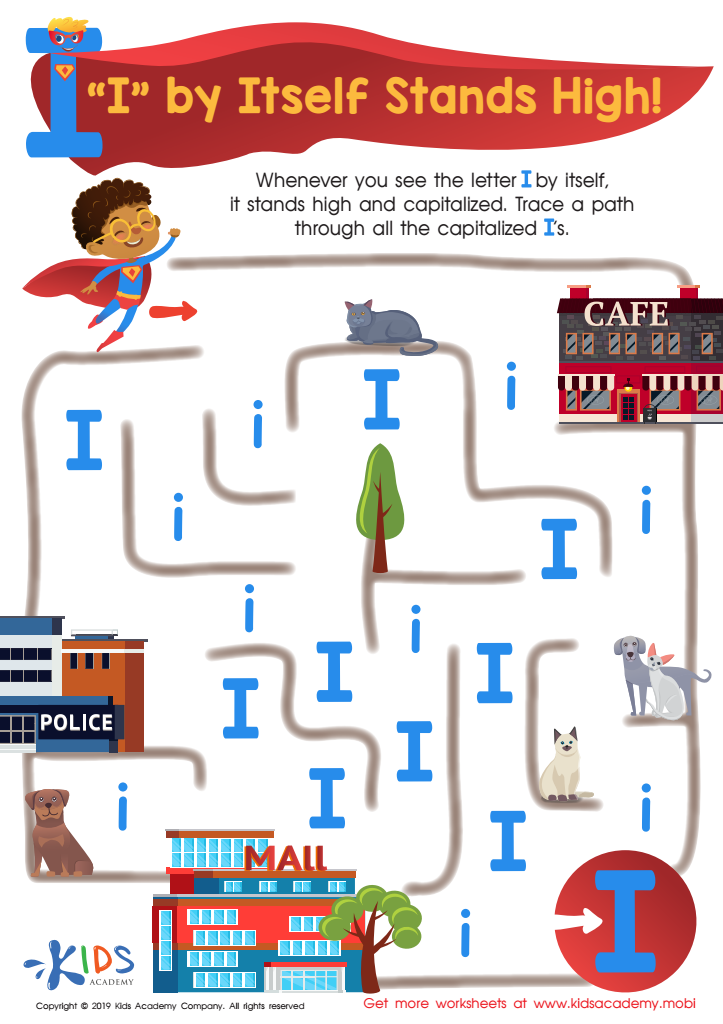
I Stands High Worksheet
 Assign to My Students
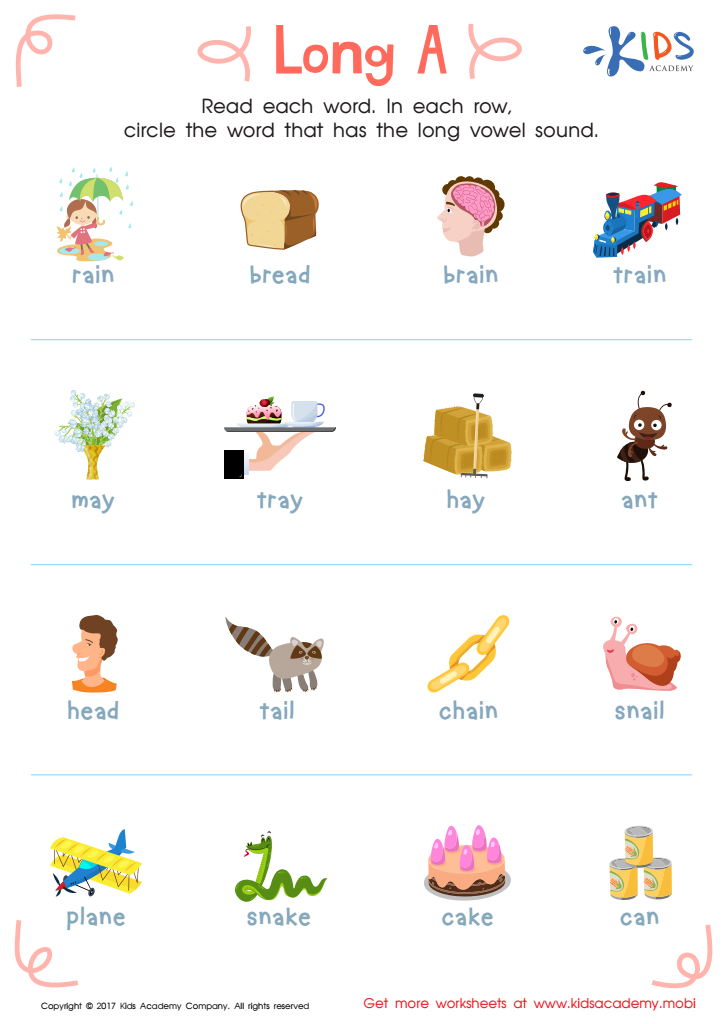
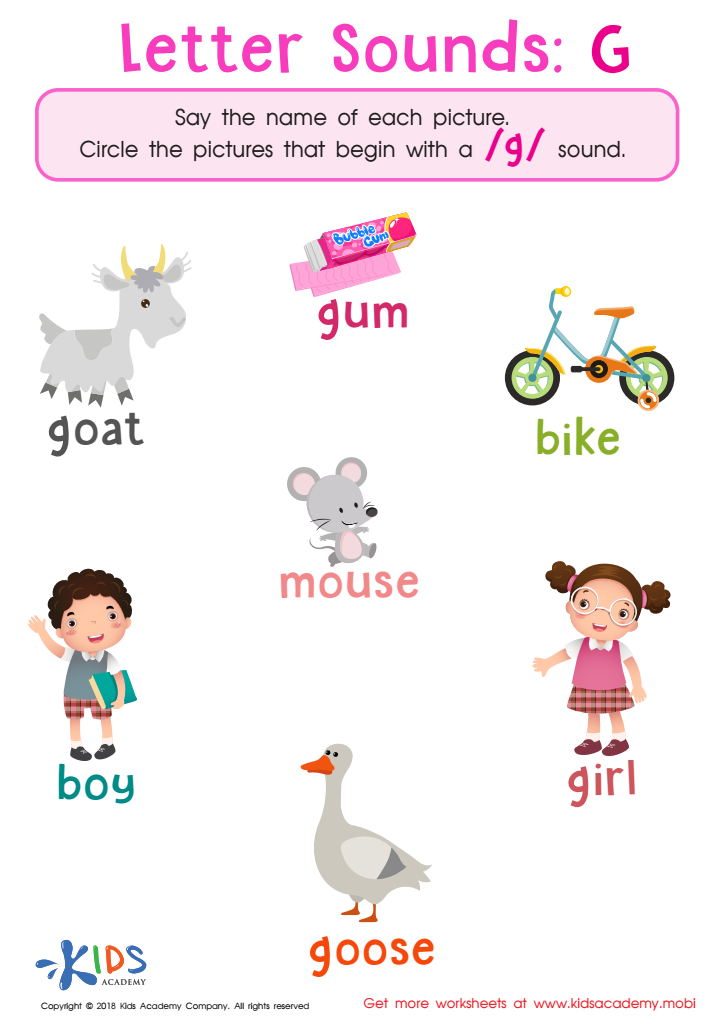
Letter G Sounds Worksheet








Phonics improvement is crucial for children aged 4-6 as it sets the foundation for their reading development. During these formative years, children are learning to connect sounds with letters, which is essential for decoding words. By focusing on phonics, teachers and parents can help young learners develop strong literacy skills that will enable them to read with confidence and comprehension.
Phonics instruction equips children with the tools to sound out unfamiliar words, fostering independence and a love for reading. Early phonics skills also enhance vocabulary development, helping children understand and use new words effectively. Furthermore, when children grasp phonics concepts, they experience increased success in school, which strengthens their motivation and self-esteem.
Teachers and parents play a vital role in this process by creating engaging phonics activities at home and in the classroom. This collaborative effort ensures that children receive consistent practice and reinforcement of these skills. As literacy is fundamental for overall academic success, prioritizing phonics improvement in early education contributes to long-lasting benefits, including better writing and communication skills in later years. In sum, investing time in phonics can transform how children engage with reading and learning, making it an essential focus for both caregivers and educators.







