Reading practice Normal Alphabet Worksheets for Ages 4-6
4 filtered results
-
From - To
Unlock the joy of reading with our specially designed Alphabet Worksheets for children aged 4-6! These engaging activities offer a fun and interactive way to practice letter recognition, phonics, and early reading skills. With colorful illustrations and a variety of exercises, each worksheet is crafted to nurture your child’s literacy journey. Perfect for beginners, these resources enhance concentration, fine motor skills, and foundational reading abilities. Ideal for both classroom and at-home learning, our worksheets make reading practice enjoyable and effective. Inspire confidence in young readers today and watch as they transition from letter recognition to confident early reading!
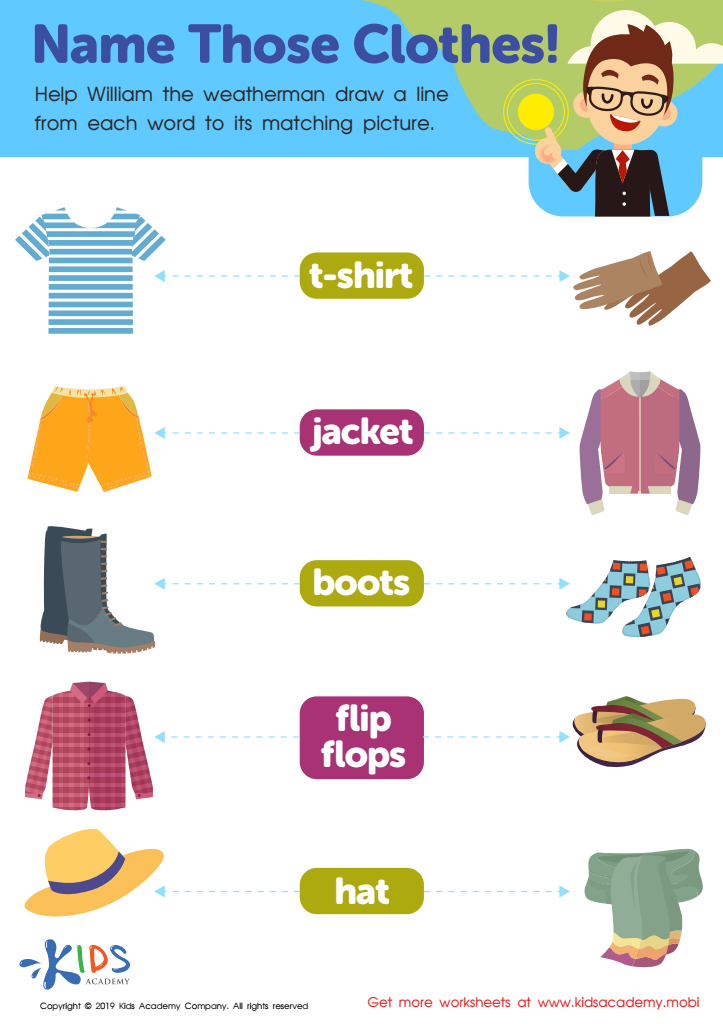
Name Those Clothes Worksheet
 Assign to My Students
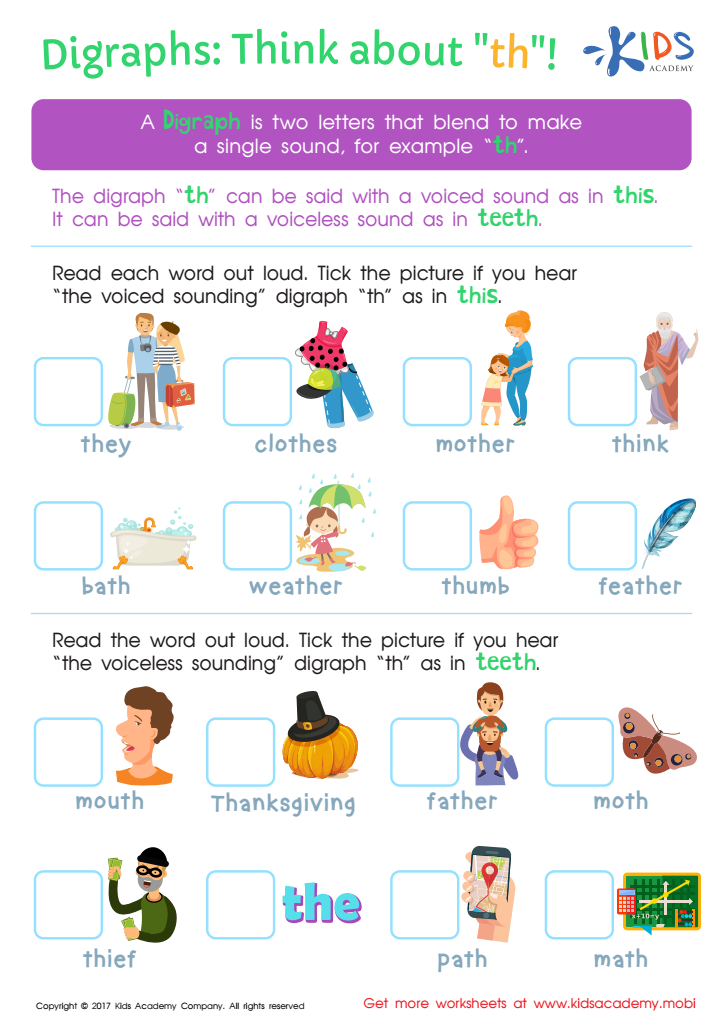
Digraphs: Think About "th" Worksheet
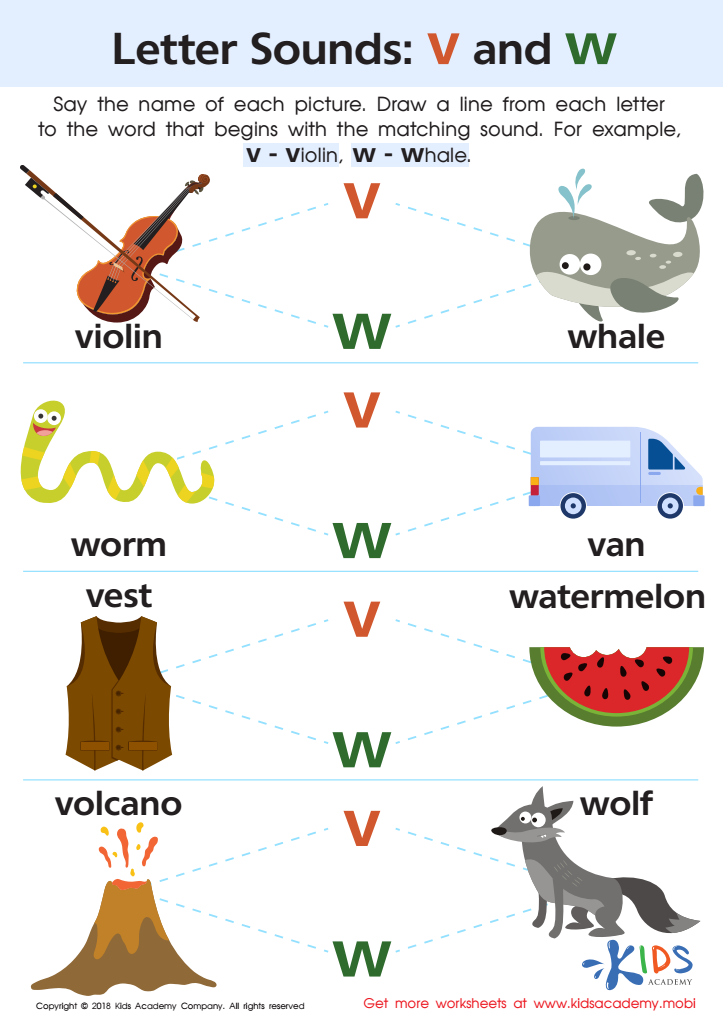
Letter V and W Sounds Worksheet








Parents and teachers should prioritize reading practice with the normal alphabet for children ages 4-6 because it lays the foundation for their future academic success and literacy skills. During these formative years, children's brains are highly adaptable and capable of rapidly learning new skills. Introducing them to the alphabet helps develop essential reading skills such as phonemic awareness, letter recognition, and vocabulary building.
Children who are familiar with the alphabet are better prepared to decode words, which is a critical step toward fluent reading. Early exposure also stimulates cognitive development, enhances memory, and improves concentration. Additionally, developing these skills early on can help children cultivate a lifelong love of reading, leading to better performance across various subjects.
On a social and emotional level, mastering the alphabet boosts children's confidence and encourages their eagerness to learn. It also provides a sense of accomplishment, fostering positive attitudes towards schooling. Lastly, reading practice aligns with important educational standards, ensuring that children meet developmental milestones and are prepared for more complex literacy tasks in the future.
In summary, incorporating regular reading practice with the normal alphabet is crucial for young children's comprehensive growth, providing a solid groundwork for their continued educational journey and overall development.







