Writing practice Normal Alphabet Worksheets for Ages 4-6
7 filtered results
-
From - To
Enhance your child’s writing skills with our "Writing Practice Normal Alphabet Worksheets for Ages 4-6." These engaging worksheets are designed to help young learners effectively master letter formation and recognition in a fun, interactive way. Perfect for preschool and kindergarten children, our resources focus on strengthening fine motor skills while reinforcing fundamental literacy. Each worksheet features clear, traceable letters of the alphabet, guided practice, and delightful illustrations to make learning enjoyable. Foster confidence and boost writing abilities with these expertly crafted tools, essential for your child's early educational journey. Download now to provide the best start in writing.
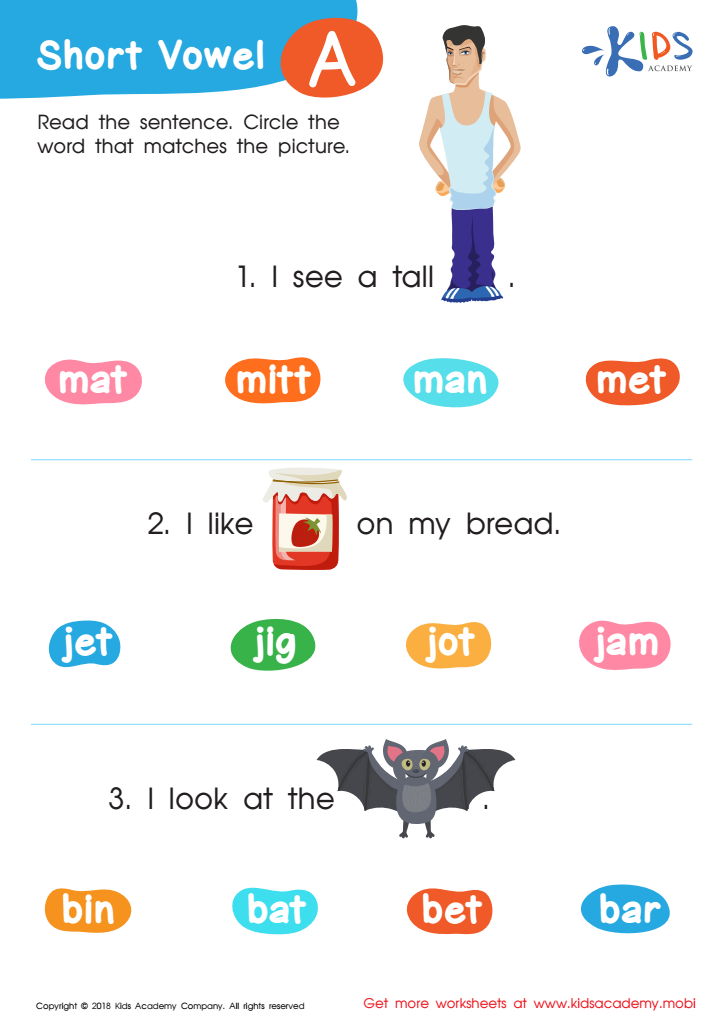
Short Vowel /a/ Worksheet
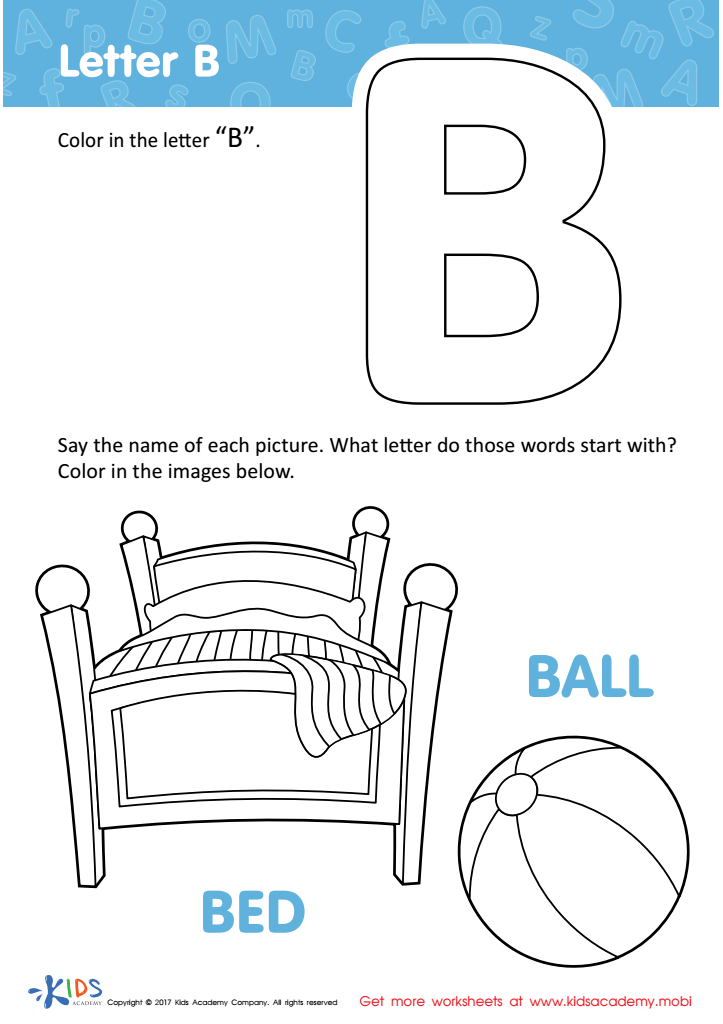
Letter B Coloring Sheet
 Assign to My Students
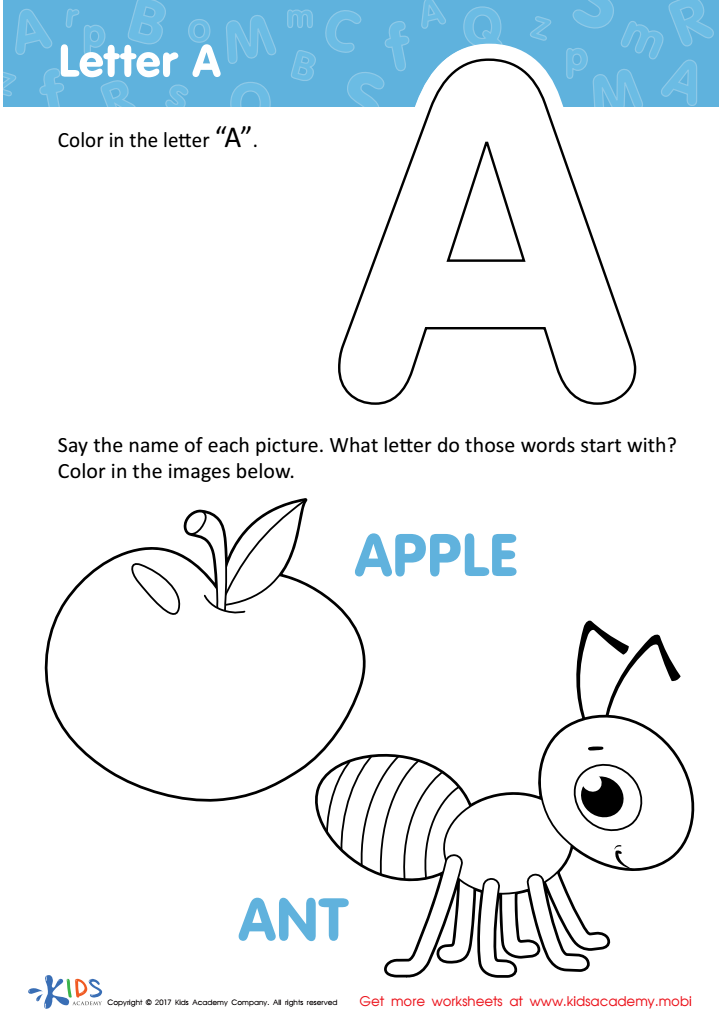
Letter A Coloring Sheet
Assign to My Students
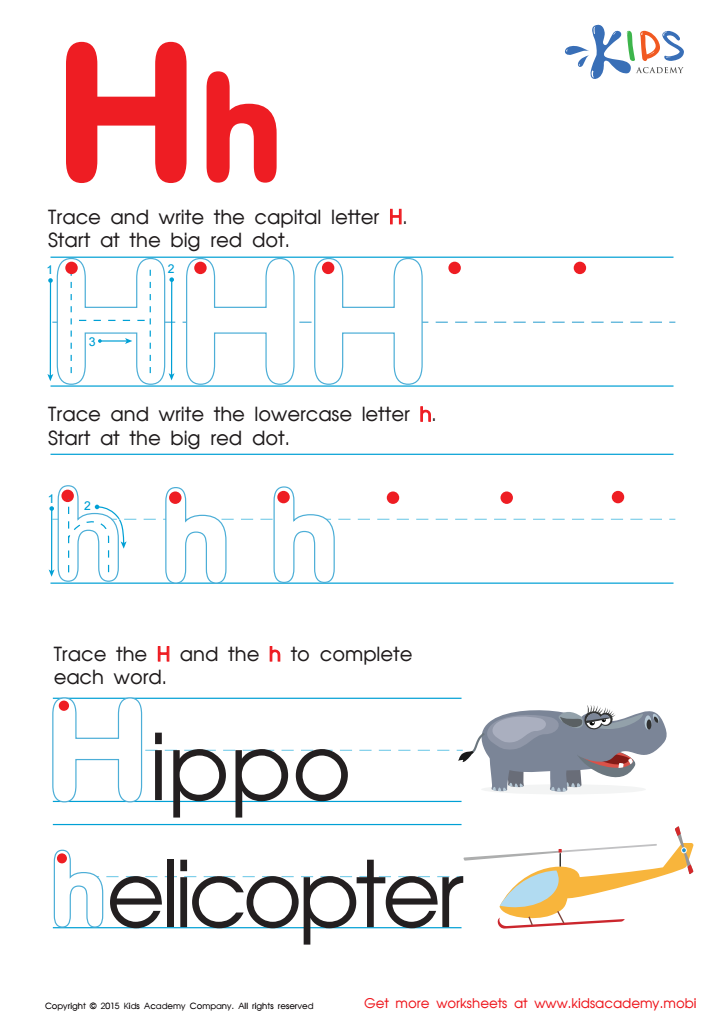
Letter H Tracing Page
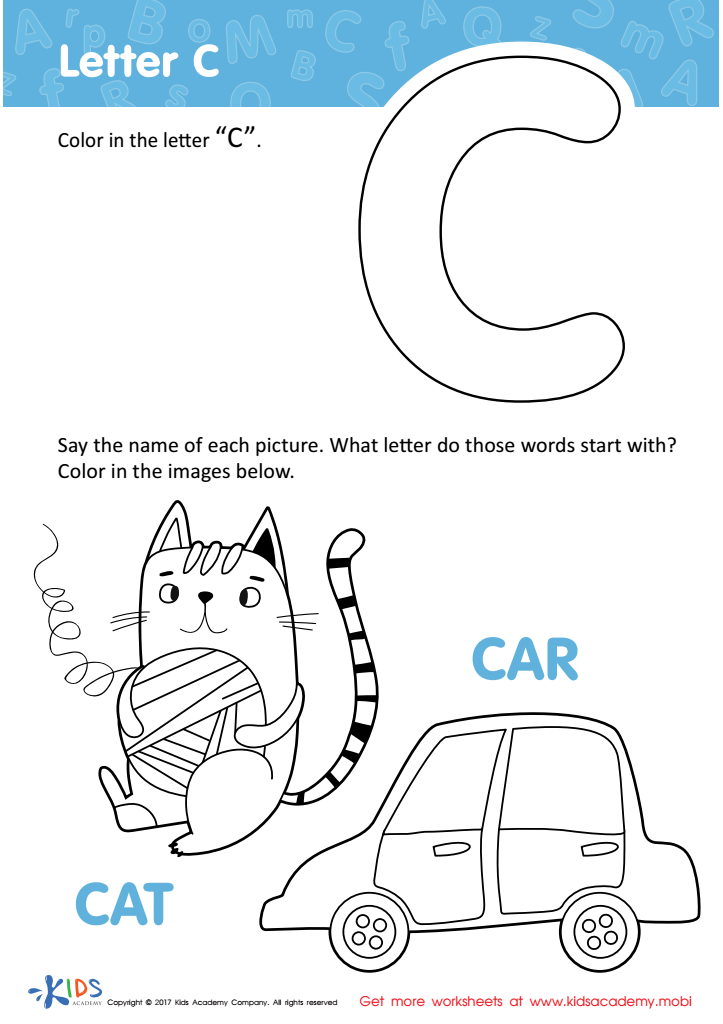
Letter C Coloring Sheet
Assign to My Students
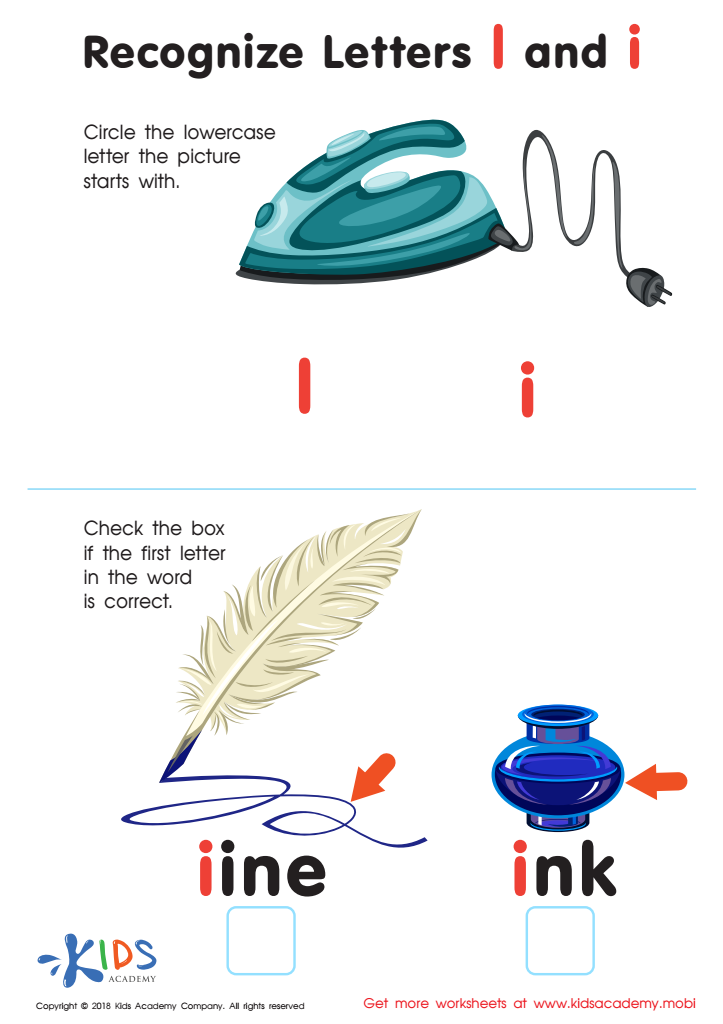
Recognize Letters l and i Worksheet
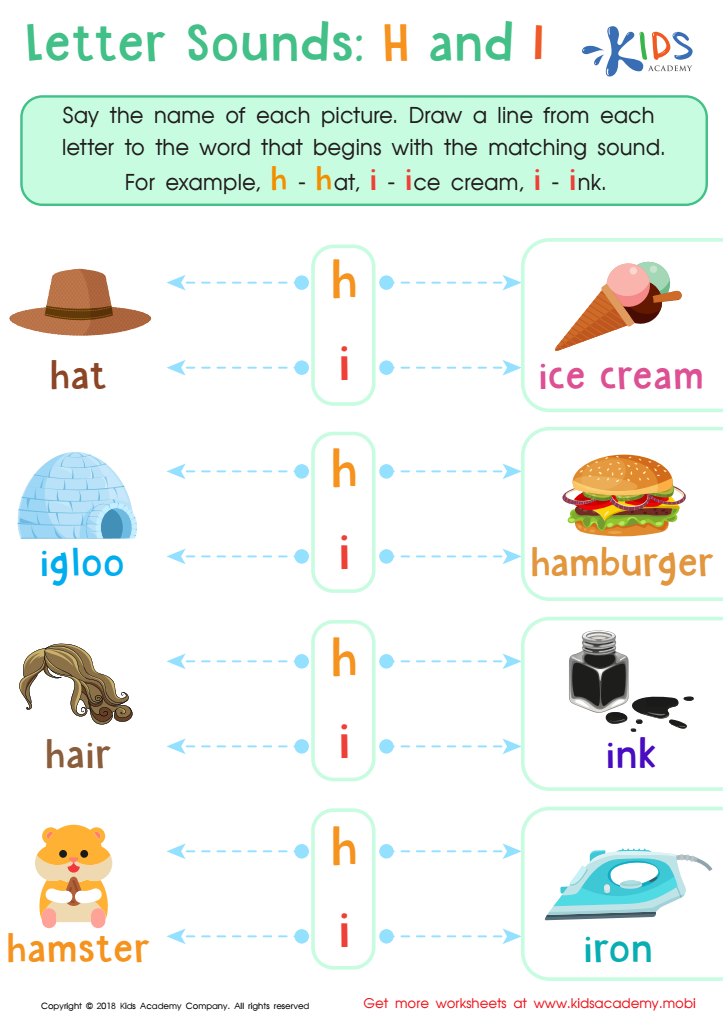
Letter H and I Sounds Worksheet








Writing practice with the normal alphabet for children aged 4-6 is crucial for several reasons. At this formative age, children are developing fine motor skills, which are essential for writing, and practicing with the alphabet aids in honing these abilities. When children practice writing letters, they improve hand-eye coordination and the functional strength of their small hand muscles.
Additionally, writing the alphabet teaches children the fundamental component of language, reinforcing letter recognition and phonemic awareness. Knowing the shapes of letters and understanding how they sound are foundational skills for literacy. This early practice helps children to understand how letters form words, easing the process of reading and spelling.
Moreover, consistent writing practice supports cognitive development. It bolsters memory and comprehension skills as children replicate and remember the shape and order of each letter. Writing practice also nurtures discipline and patience, fostering habits that will benefit academic effort in the future.
Also, from a social-emotional perspective, the ability to write one’s own name or simple words cultivates a sense of achievement and independence. This positive reinforcement can boost self-esteem and a love for learning.
In conclusion, writing practice of the normal alphabet prepares young children for a successful transition into formal education, impacting their academic journey and personal growth positively.







