Handwriting improvement Normal Letter Recognition Worksheets for Ages 4-6
3 filtered results
-
From - To
Enhance your child's handwriting and letter recognition skills with our engaging Normal Letter Recognition Worksheets, specially designed for ages 4-6. These interactive worksheets focus on improving fine motor control while helping young learners identify and write each letter of the alphabet. With fun activities and appealing designs, children will enjoy practicing their handwriting in a stress-free learning environment. Our resources help build confidence and reinforce essential skills necessary for early literacy. Ideal for home or classroom use, these worksheets make learning letters an exciting adventure that sets the foundation for future reading and writing success. Start your child's handwriting journey today!
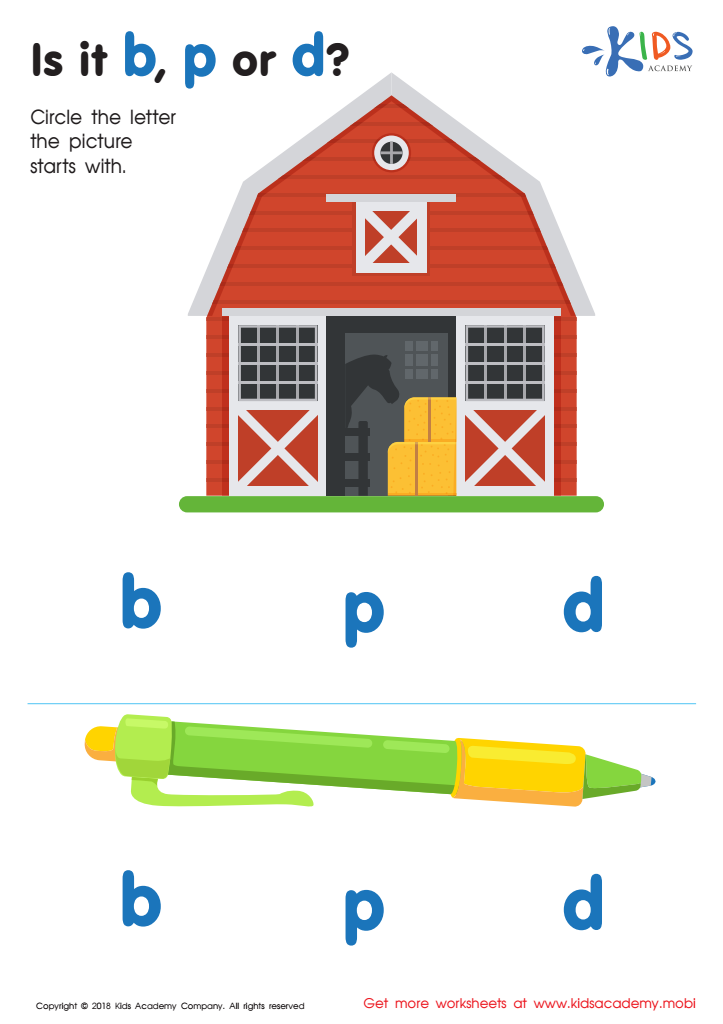
Is it b, p or d? Worksheet
 Assign to My Students
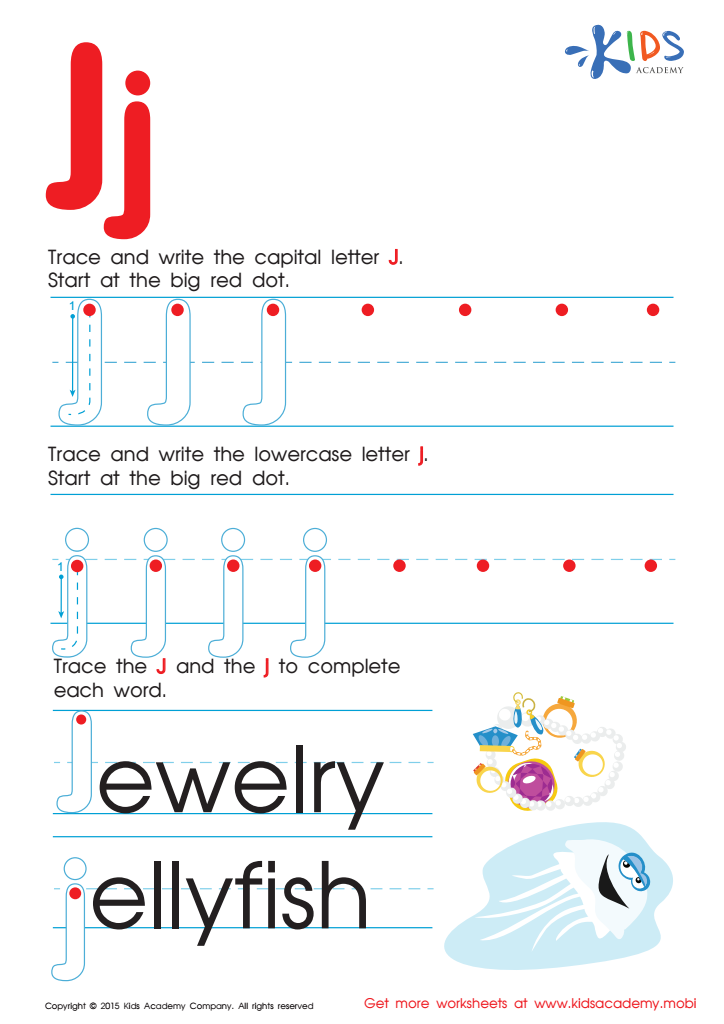
Letter J Tracing Page
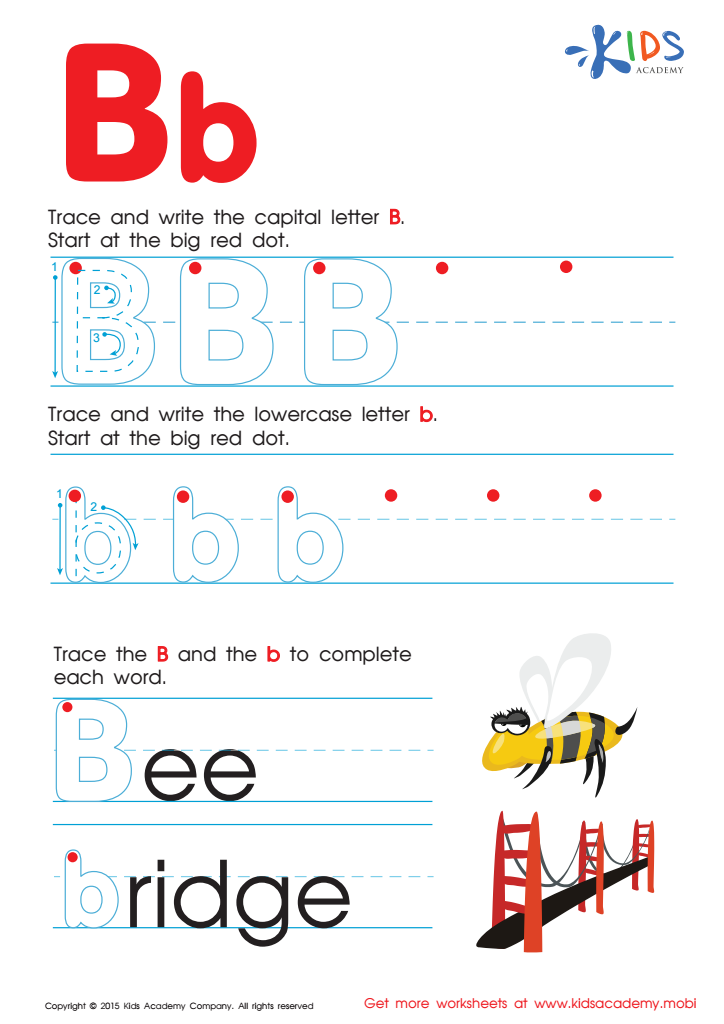
Letter B Tracing Page








Improving handwriting and normal letter recognition in children aged 4-6 is crucial for their academic success and overall development. At this stage, children are laying the foundation for literacy skills, which directly affects their ability to read, write, and communicate effectively. Handwriting isn't just about forming letters; it promotes fine motor skills, hand-eye coordination, and cognitive development. When children practice holding a pencil and shaping letters, they engage the small muscles in their hands, fostering their physical capabilities.
Additionally, normal letter recognition helps children develop critical reading skills as they begin to understand the connection between sounds and symbols. Recognizing letters is the first step in learning to read, and when children can identify letters effortlessly, they become more confident in their literacy journey.
Moreover, handwriting contributes to self-expression. As children gain proficiency, they can convey their thoughts and feelings through writing, helping boost their self-esteem and communicative abilities. Parents and teachers should prioritize handwriting improvement and letter recognition because investing in these skills lays the groundwork for a lifetime of learning, enhances cognitive development, and fosters an overall love for literacy in young learners.








