Motor skills development Normal Letter Recognition Worksheets for Ages 4-6
3 filtered results
-
From - To
Enhance your child’s early literacy with our Motor Skills Development Normal Letter Recognition Worksheets, designed specifically for ages 4-6. These engaging worksheets combine fun activities with essential letter recognition skills, fostering your child's motor skills while they learn. Through tracing, coloring, and identifying letters, children will develop fine motor coordination alongside their understanding of the alphabet. Our thoughtfully crafted exercises aim to make learning enjoyable and effective, preparing your little ones for future academic success. Ideal for classroom settings or at-home practice, these worksheets help instill a love of learning while building crucial foundational skills. Get started today and watch your child thrive!
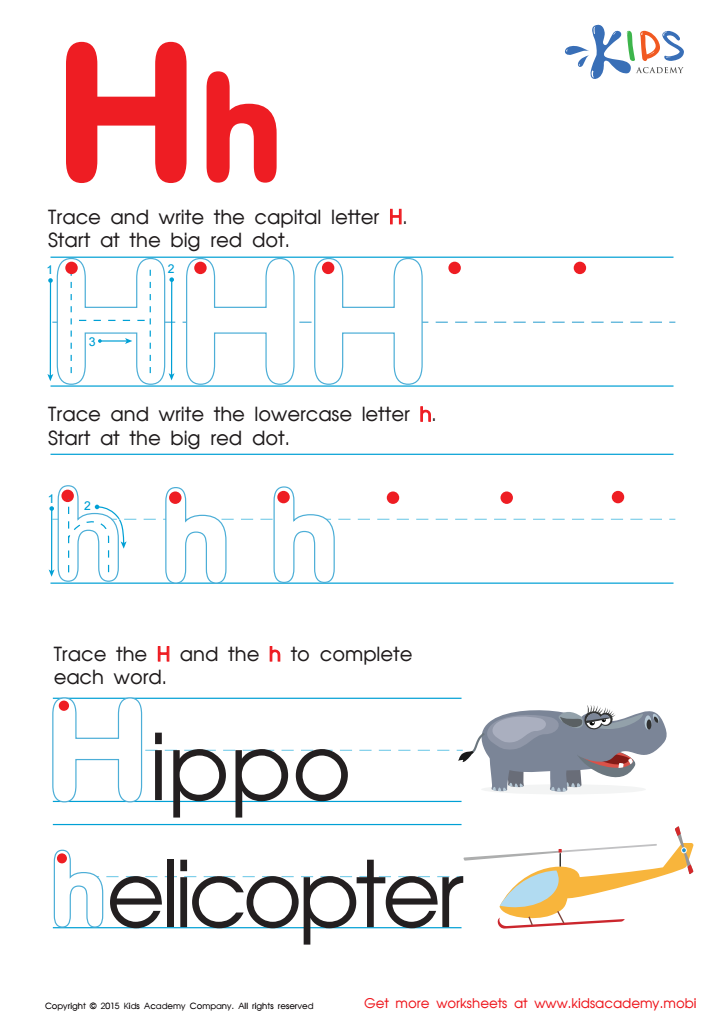
Letter H Tracing Page
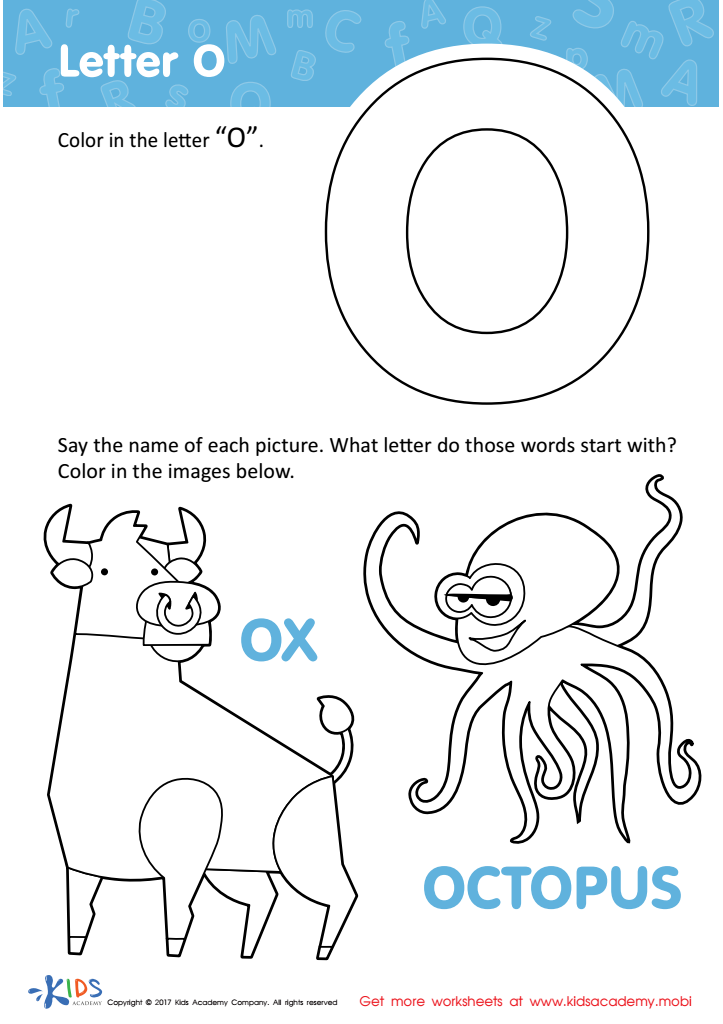
Letter O Coloring Sheet
 Assign to My Students
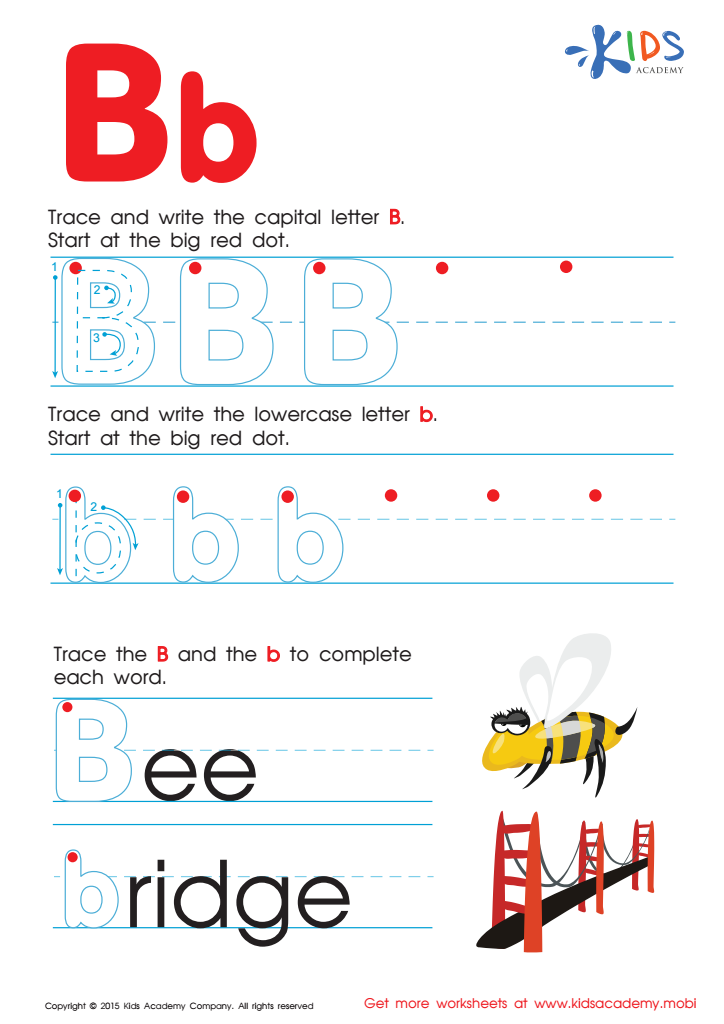
Letter B Tracing Page








Motor skills development and normal letter recognition are crucial for children ages 4-6, as they lay the foundation for future academic and social success. Parents and teachers should care about this stage of development because motor skills facilitate basic tasks like writing and drawing, which are essential for classroom activities. Fine motor skills, in particular, help children grip pencils, cut with scissors, and manipulate small objects, fostering independence and boosting their confidence.
At the same time, recognizing letters forms the cornerstone of literacy. During this age, children begin to connect sounds with symbols, leading to reading proficiency. Early exposure to letter recognition enhances vocabulary, comprehension, and communication skills, all essential for academic achievement.
Moreover, motor skills and letter recognition intertwine; as children learn to write letters, their motor coordination improves, and vice versa. Engaging in activities that promote both skills can encourage holistic development. Therefore, parents and teachers must engage children in playful learning experiences that incorporate both motor skills exercises and letter recognition tasks. By nurturing these skills, adults can significantly influence a child's self-esteem, passion for learning, and future academic trajectory. Fostered through structured guidance and appropriate activities, these abilities contribute to well-rounded, competent learners.








