Writing practice Normal Letter Recognition Worksheets for Ages 4-6
6 filtered results
-
From - To
Enhance your child's literacy journey with our Writing Practice Normal Letter Recognition Worksheets, specially designed for ages 4-6. These engaging worksheets introduce young learners to the alphabet by fostering letter recognition and proper writing techniques. Through fun activities, children will practice tracing and writing both uppercase and lowercase letters, developing their fine motor skills and confidence in early writing. Each worksheet is crafted to make learning enjoyable and interactive, ensuring that your little ones grasp the basics of letter formation. Ideal for classroom use or at-home learning, these worksheets serve as a valuable resource for nurturing early literacy skills. Start their journey today!
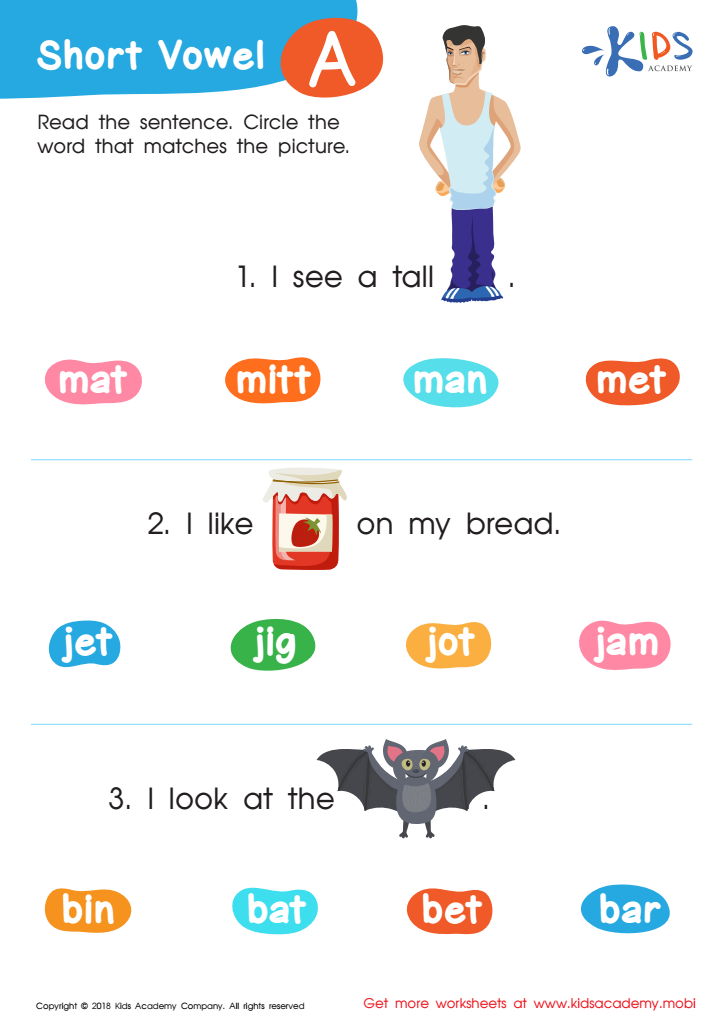
Short Vowel /a/ Worksheet
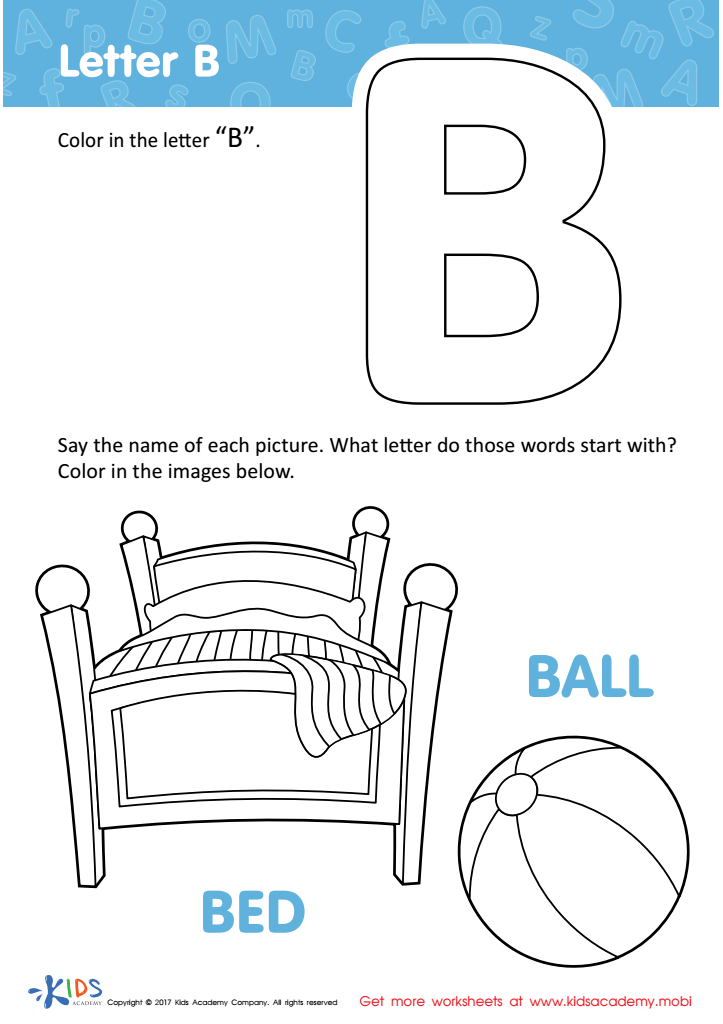
Letter B Coloring Sheet
 Assign to My Students
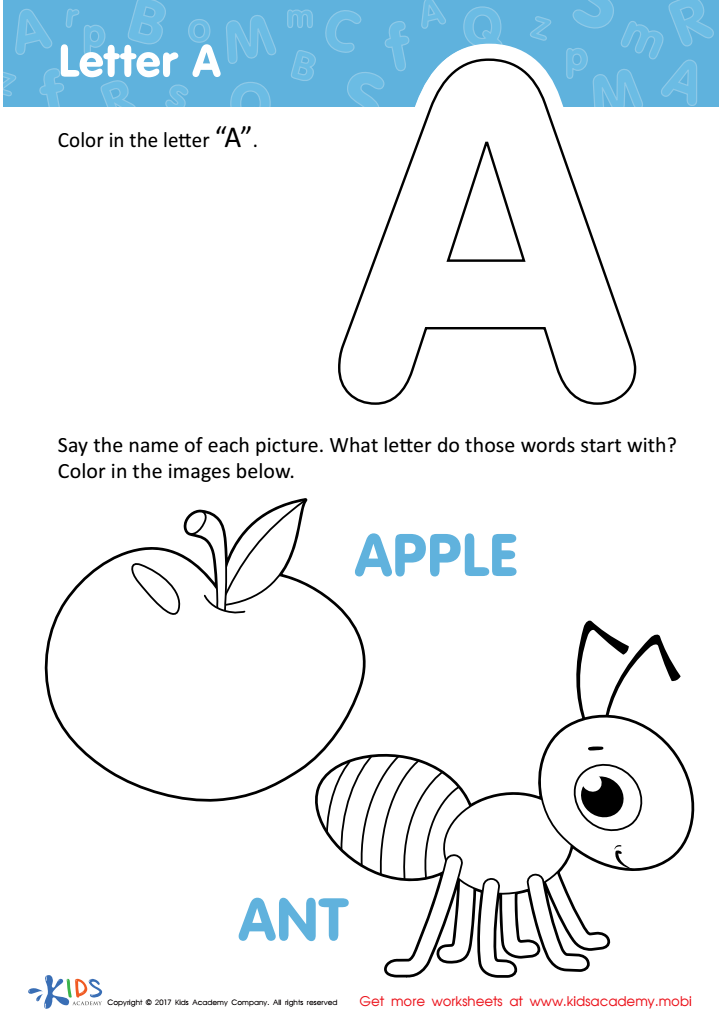
Letter A Coloring Sheet
Assign to My Students

Letter H Tracing Page
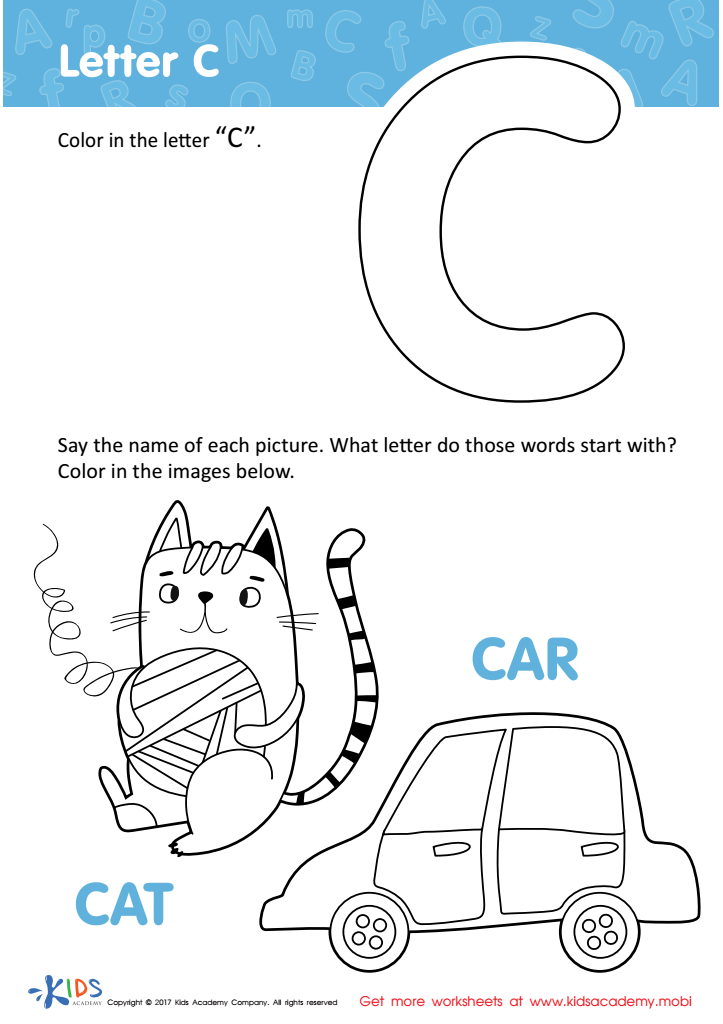
Letter C Coloring Sheet
Assign to My Students
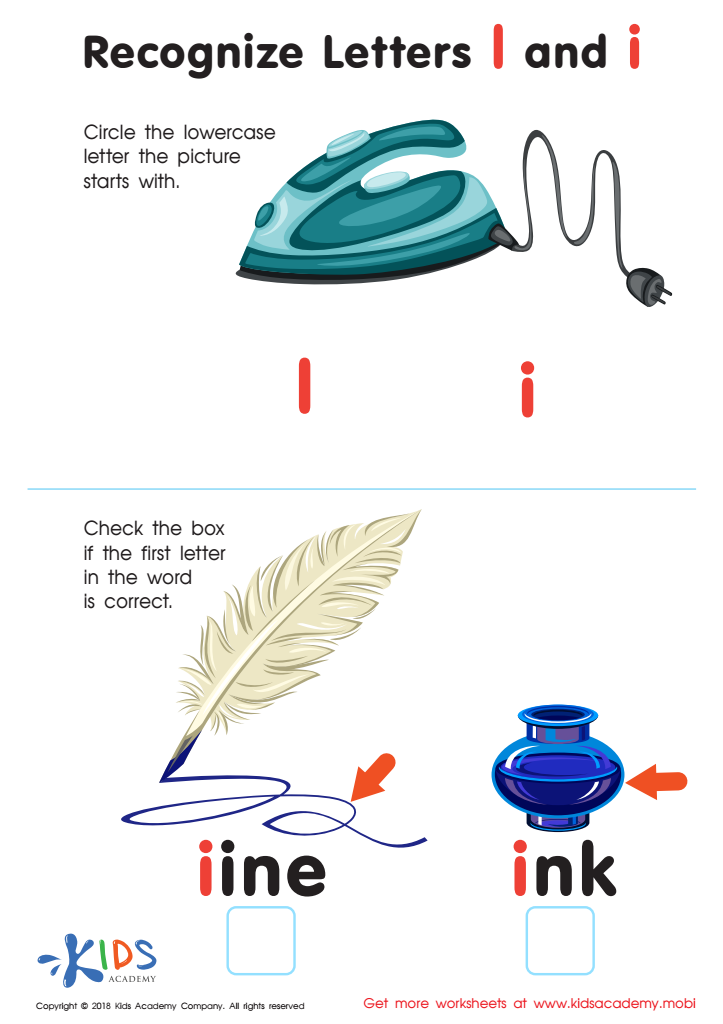
Recognize Letters l and i Worksheet








Parents and teachers should prioritize writing practice and normal letter recognition for children aged 4-6 as these skills lay the foundation for literacy development. At this early age, children are not just learning letters, but also developing fine motor skills and cognitive functions essential for future academic success. Proper letter recognition enhances their ability to read, allowing them to connect sounds with symbols, which is critical as they begin to form words and sentences.
Writing practice encourages self-expression in children and boosts their confidence, helping them communicate their thoughts and feelings more effectively. By engaging in these activities, children can also enhance their understanding of language structure and develop robust vocabulary skills.
Additionally, interactive writing games can foster a love for learning. When parents and teachers participate in these activities, they deepen the bond with their children and model positive attitudes toward education.
Community engagement through letter recognition activities encourages social interactions, promoting teamwork among peers. Therefore, investing time in writing practice and letter recognition not only nurtures literacy skills but also supports holistic development—integrating emotional, cognitive, and social skills—preparing children for a successful transition into structured learning environments.








