Alphabet understanding Normal Upper & Lowercase Letters Worksheets for Ages 4-6
3 filtered results
-
From - To
Give your child a strong foundation in reading and writing with these Alphabet Understanding Normal Upper & Lowercase Letters Worksheets for Ages 4-6. Designed by educational experts, these engaging worksheets help young learners recognize and differentiate between uppercase and lowercase letters. With fun activities such as tracing, matching, and identifying letters in context, children will build essential literacy skills while keeping engaged and entertained. Ideal for preschoolers and kindergarteners, these printable resources support early literacy development, ensuring your child is ready for future reading and writing adventures. Explore and download now to kickstart your child's educational journey!
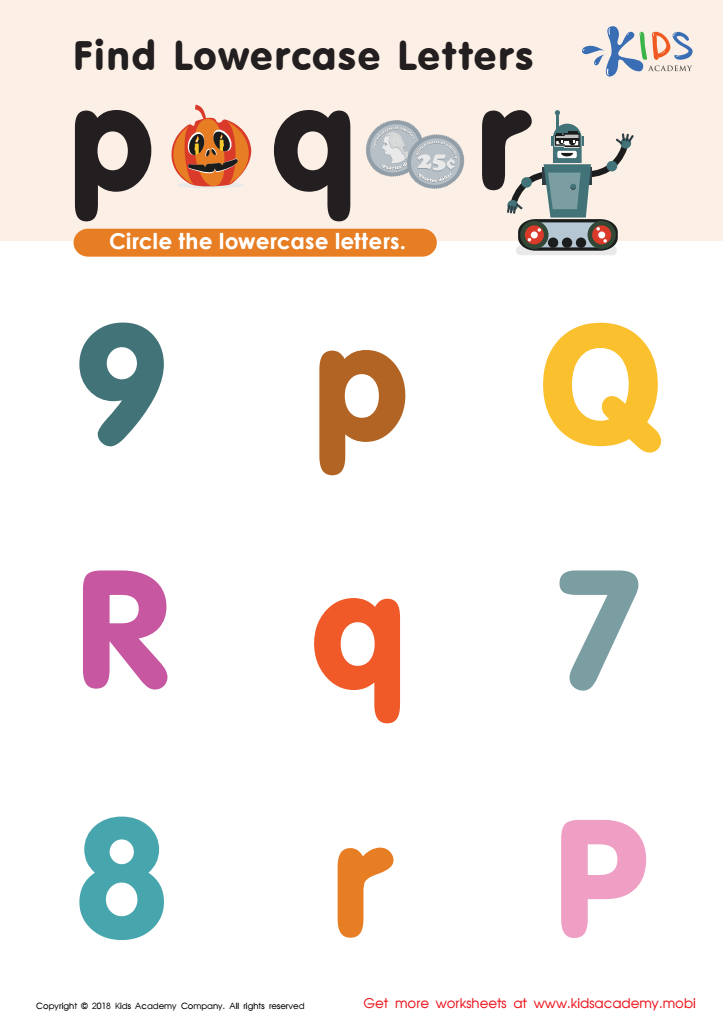
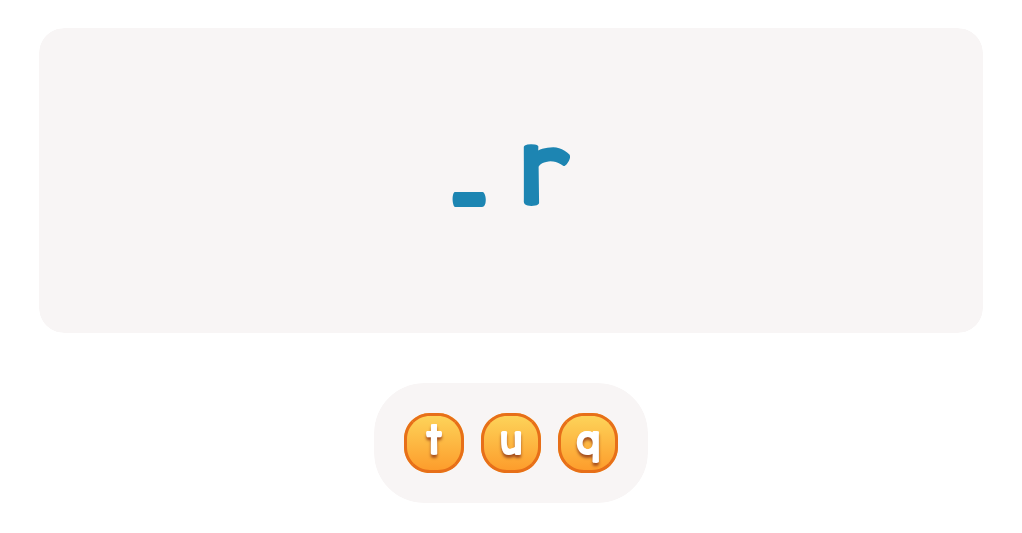
Find lowercase Letters p q r Worksheet
 Assign to My Students
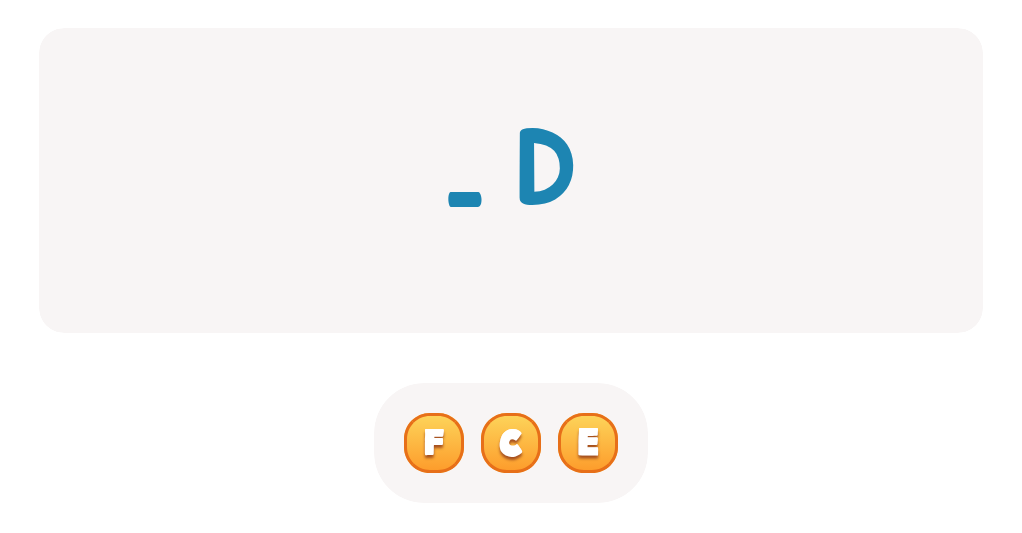

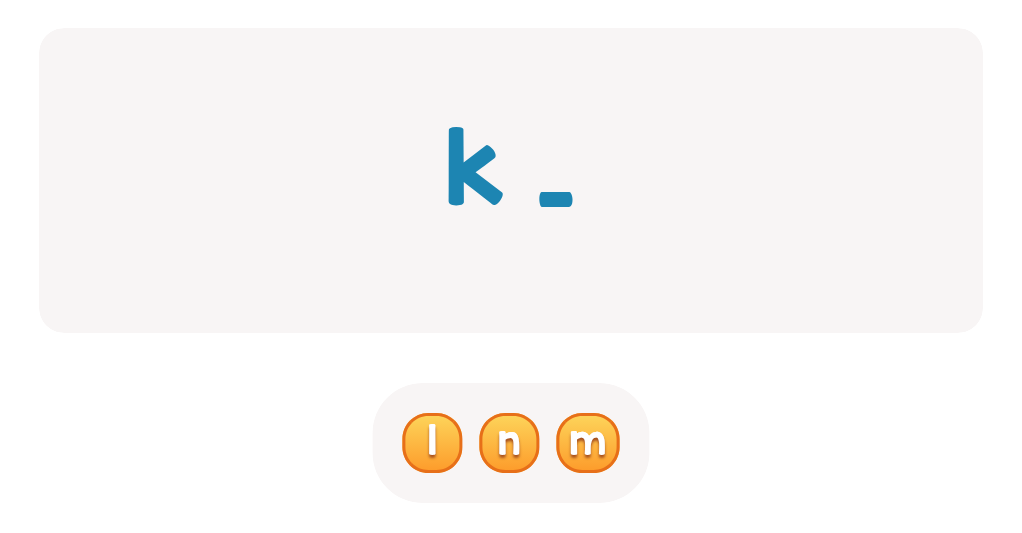
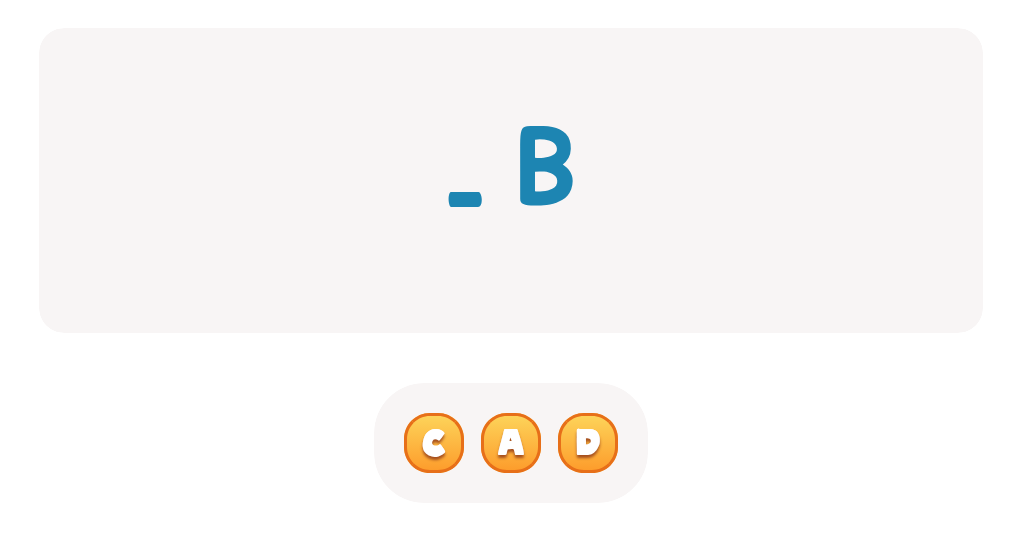
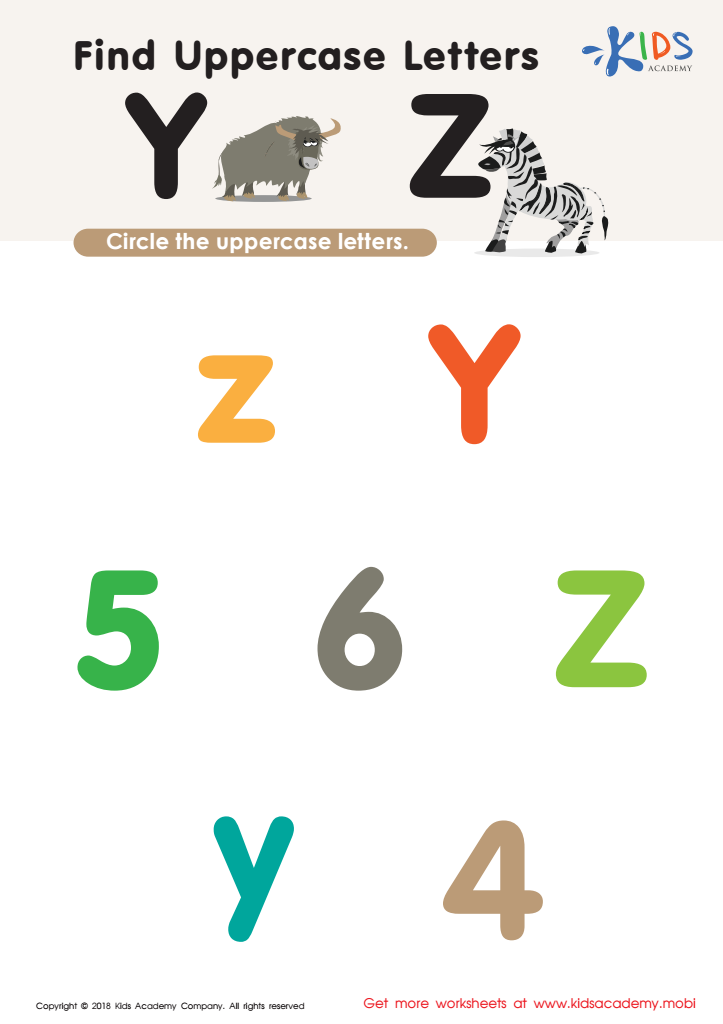
Find Uppercase Letters Y Z Worksheet

Find lowercase letters a b c Worksheet






Understanding the alphabet, including both uppercase and lowercase letters, is foundational for young children aged 4-6. At this critical stage, their brains are rapidly developing language and cognitive skills. Recognizing both forms of each letter enhances children's reading and writing proficiency, establishing the groundwork for successful literacy.
Firstly, knowing the alphabet's uppercase and lowercase forms helps children distinguish between different types of letters, essential for recognizing words in various contexts. Most print materials, like storybooks and educational resources, use a mix of both cases. Familiarity with both forms promotes smoother transitions when encountering written language, bolsters reading fluency, and reduces confusion.
Secondly, learning and practicing letter cases supports fine motor skill development. Writing involves precise finger and hand movements. By repeatedly copying uppercase and lowercase letters, children refine their handwriting, which later aids in note-taking and other written communication.
Additionally, early literacy skills, including letter recognition, are strongly correlated with academic success. Alphabet mastery at a young age leads to improved vocabulary, better reading comprehension, and a more robust ability to decode new words.
Ultimately, parents and teachers nurturing a child's understanding of uppercase and lowercase letters are investing in their future academic achievements. Creating a solid literacy foundation can lead to lifelong learning and foster a love for reading and writing.







