Fine motor skills development Normal Upper & Lowercase Letters Worksheets for Ages 4-6
3 filtered results
-
From - To
Boost your child's fine motor skills with our engaging Upper & Lowercase Letters Worksheets for ages 4-6. Designed to help young learners master the alphabet, these printable worksheets are perfect for developing accuracy and control in writing. They provide a fun and educational way for children to practice proper penmanship by tracing and writing both capital and small letters. Encourage your child to build confidence and proficiency in their handwriting abilities while improving their fine motor coordination. Ideal for at-home learning or supplementary classroom activities, these worksheets are a valuable resource for early childhood education.
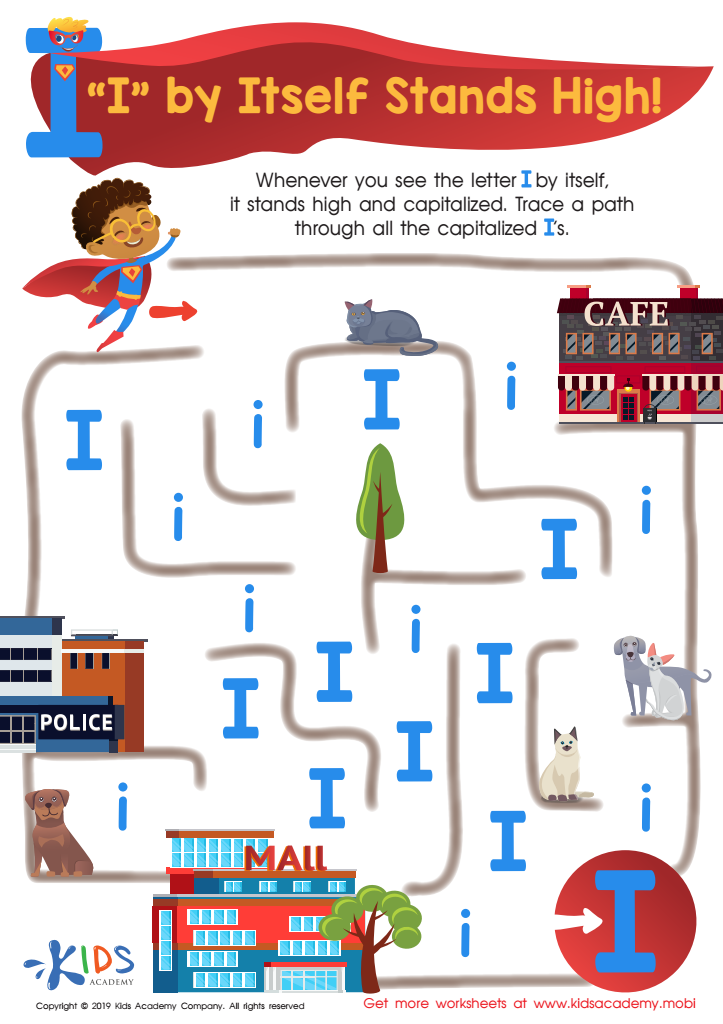
I Stands High Worksheet
 Assign to My Students










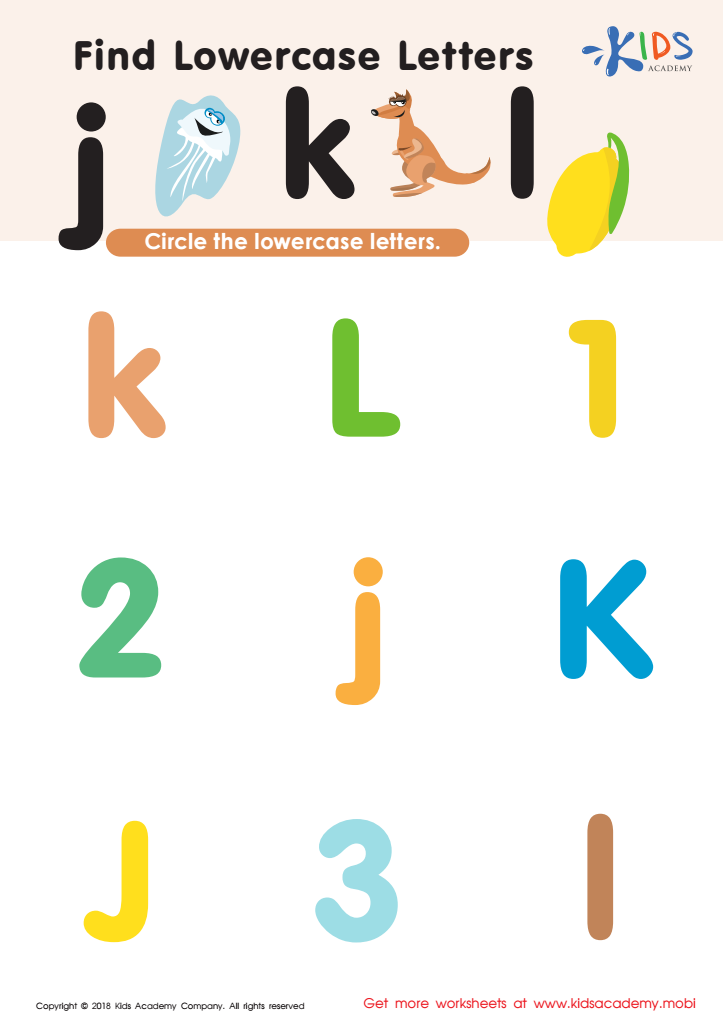
Find Lowercase Letters j k l Worksheet
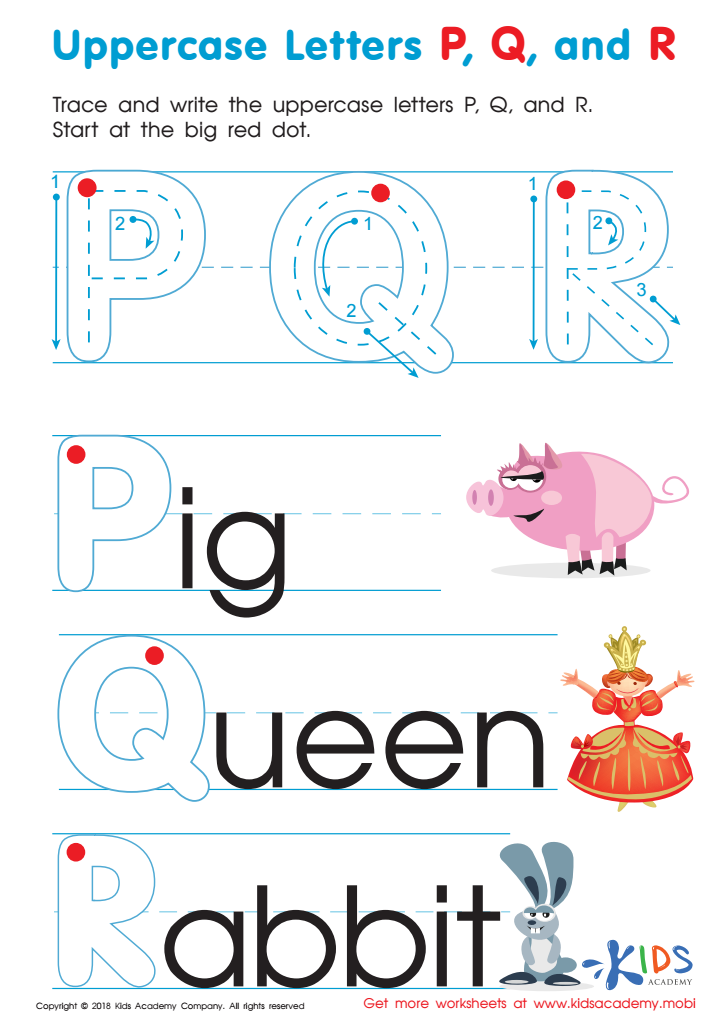
Uppercase Letters P, Q, and R Worksheet






Fine motor skills development and the mastery of upper and lowercase letters in children aged 4-6 are crucial components of early childhood education. Fine motor skills involve the coordinated efforts of small muscles in the hands and fingers, necessary for tasks such as writing, buttoning clothes, and handling utensils. When children enhance these skills, they are better equipped to perform everyday activities independently, boosting their self-esteem and confidence.
Moreover, learning normal upper and lowercase letters during this formative period sets a solid foundation for future academic success. Letter recognition is a key building block for reading, and writing skills propensity directly affect a child’s ability to express ideas, understand written content, and communicate effectively. Children who practice forming letters improve their hand-eye coordination and attention to detail, which are essential for both academic and life skills.
Parents and teachers should prioritize these aspects of development to ensure children are prepared for school and life challenges. Early intervention and consistent practice in developing fine motor skills and letter recognition support cognitive growth and lay a groundwork for later academic achievements. By doing so, they help children reach educational milestones more easily and foster a love of learning from an early age.







