Letter Tracing Practice Normal Upper & Lowercase Letters Worksheets for Ages 4-6
3 filtered results
-
From - To
Enhance your child's handwriting skills with our Letter Tracing Practice worksheets, designed for ages 4-6. These printable exercises focus on both normal uppercase and lowercase letters, providing an excellent foundation for early literacy. Each worksheet features guided tracing activities that help young learners develop fine motor skills, letter recognition, and hand-eye coordination. Perfect for preschool and kindergarten students, these resources make learning the alphabet fun and engaging. Ideal for home or classroom use, our letter tracing worksheets ensure your little one will master the basics of writing in no time. Start their educational journey today!
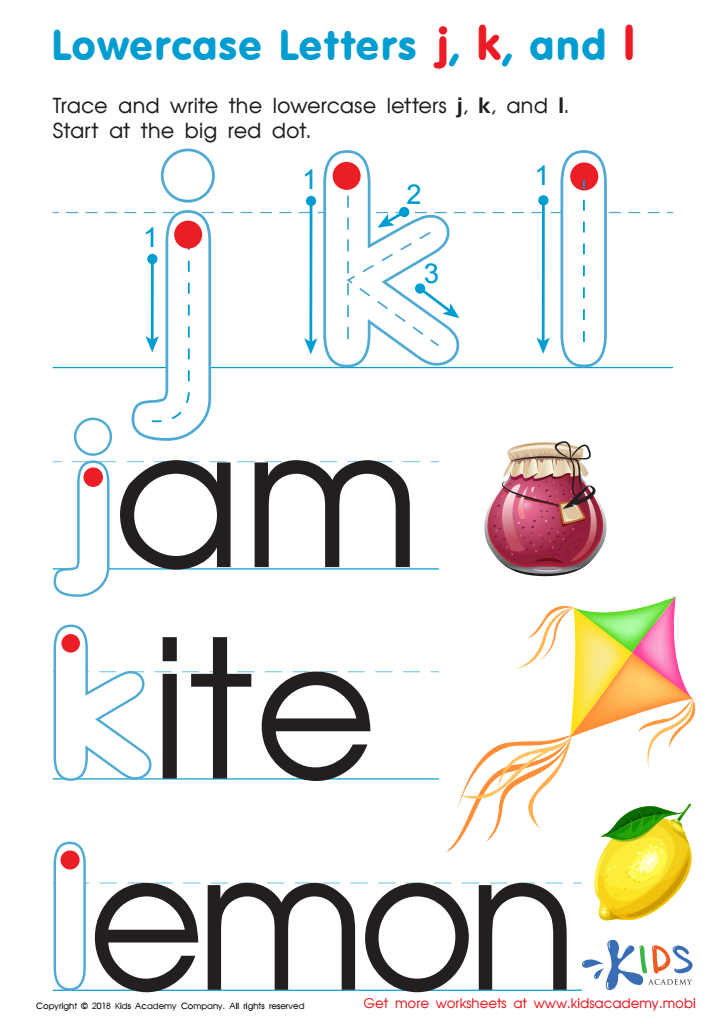
Lowercase Letters j k l Worksheet
 Assign to My Students

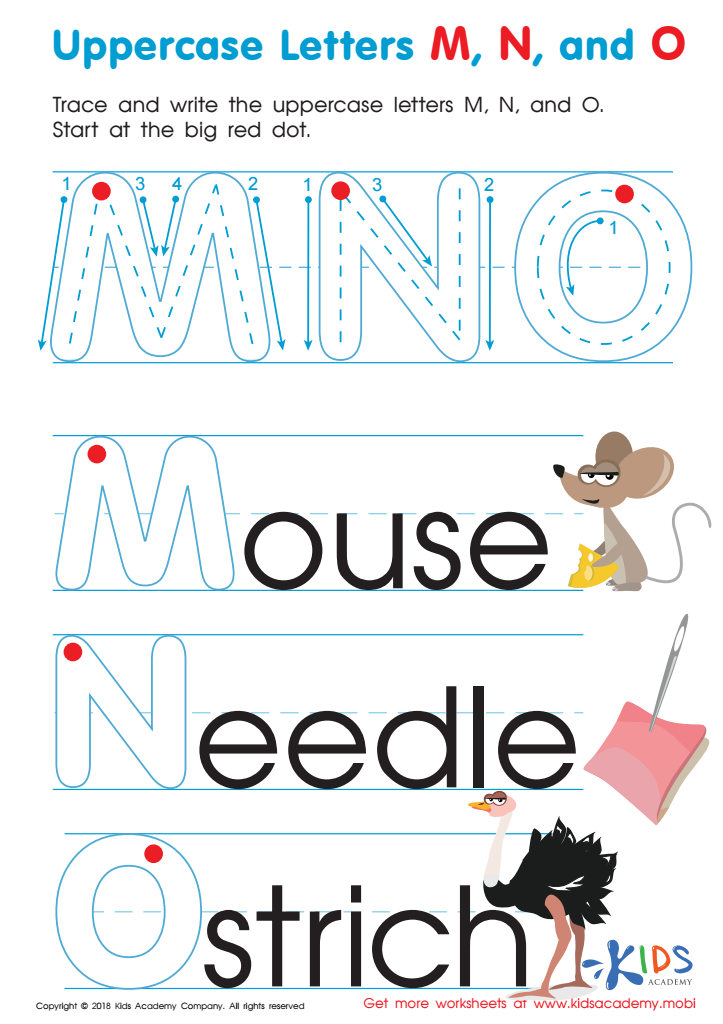
Uppercase Letters M, N, and O Worksheet
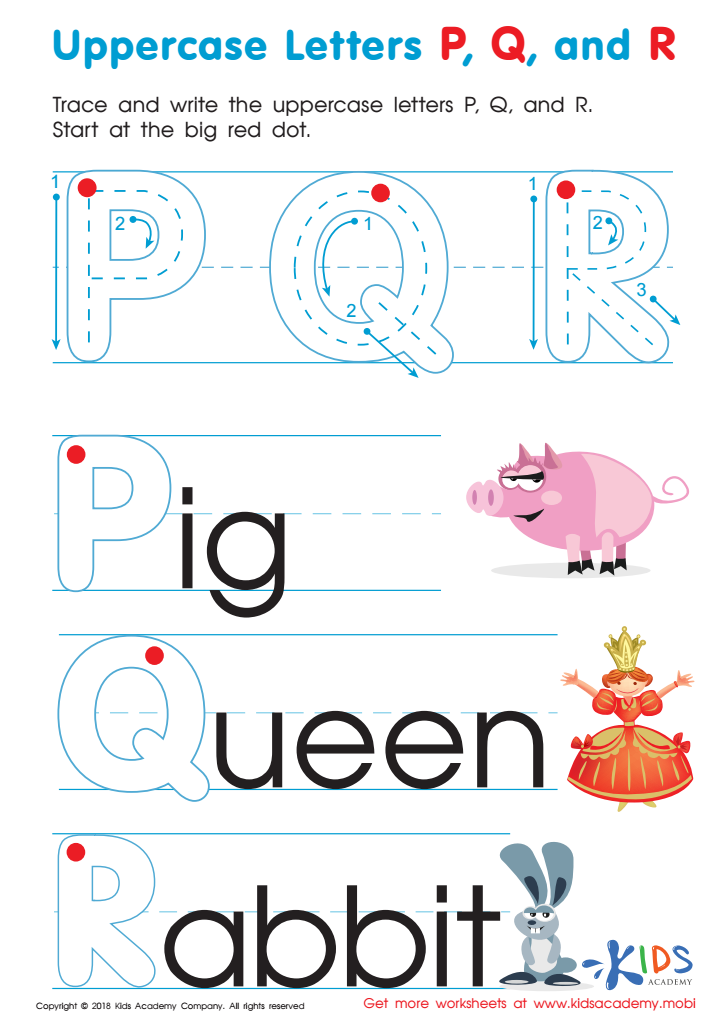
Uppercase Letters P, Q, and R Worksheet






Letter tracing practice, especially for ages 4-6, is vital for developing foundational skills in young learners. These formative years are crucial for physical and cognitive development. Tracing uppercase and lowercase letters helps children improve fine motor skills, which are essential for writing. Holding a pencil and controlling its movement strengthens hand muscles, developing coordination and dexterity.
Additionally, letter tracing enhances visual-motor integration, teaching children to connect what they see with how they move their hand. Recognizing and writing both uppercase and lowercase letters supports literacy development. It familiarizes children with the alphabet, essential for reading. Tracing offers repetitive practice, solidifying letter shapes and patterns, which aids memorization and retrieval.
Teachers and parents should recognize that mastering these basics sets the stage for more advanced skills. Children who practice letter tracing often transition more smoothly into writing words and sentences. Furthermore, early success in this area can boost confidence, encouraging a positive attitude towards learning. Making learning engaging and enjoyable during early childhood can foster lifelong curiosity and love for education. Ultimately, letter tracing is a fundamental activity that supports multiple aspects of development, preparing children for future academic success and practical life skills.







