Uppercase identification Normal Upper & Lowercase Letters Worksheets for Ages 4-6
5 filtered results
-
From - To
Discover our engaging Uppercase Identification Normal Upper & Lowercase Letters Worksheets designed for children ages 4-6! These worksheets are perfect for helping young learners distinguish uppercase letters from their lowercase counterparts. Featuring fun and interactive activities, each worksheet encourages letter recognition through colorful visuals and simple instructions, making learning enjoyable and effective. As kids practice identifying uppercase letters, they'll build important foundational skills that pave the way for reading and writing success. Ideal for teachers and parents alike, our printable worksheets support early literacy development and keep children excited about learning the alphabet. Start nurturing your child’s letter recognition skills today!
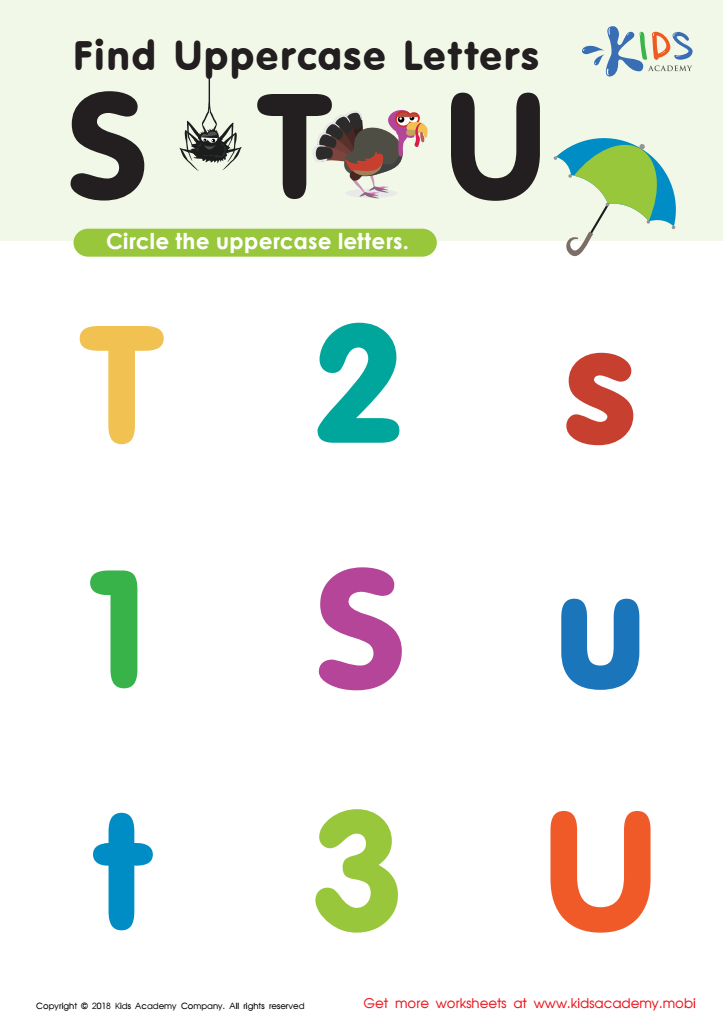
Find Uppercase Letters Worksheet
 Assign to My Students

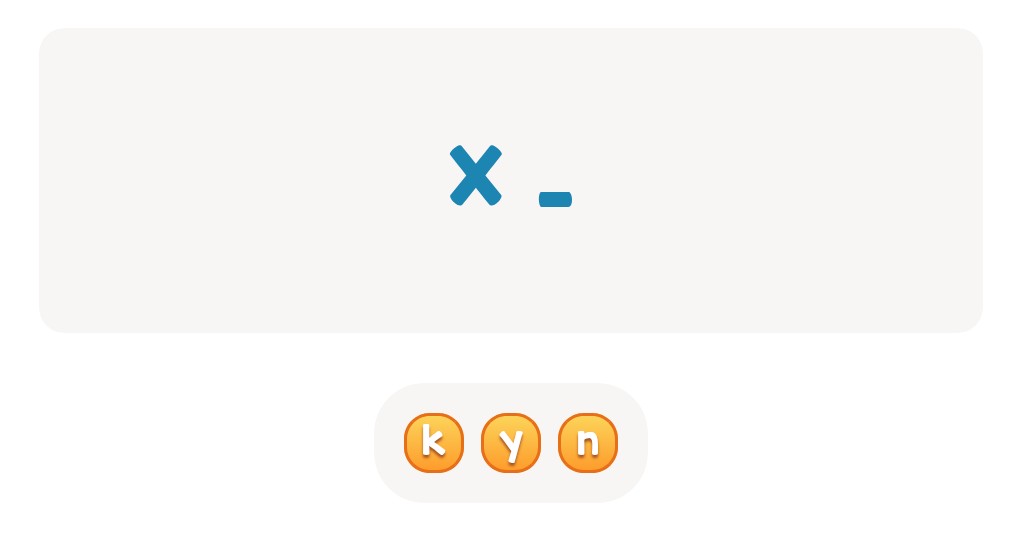
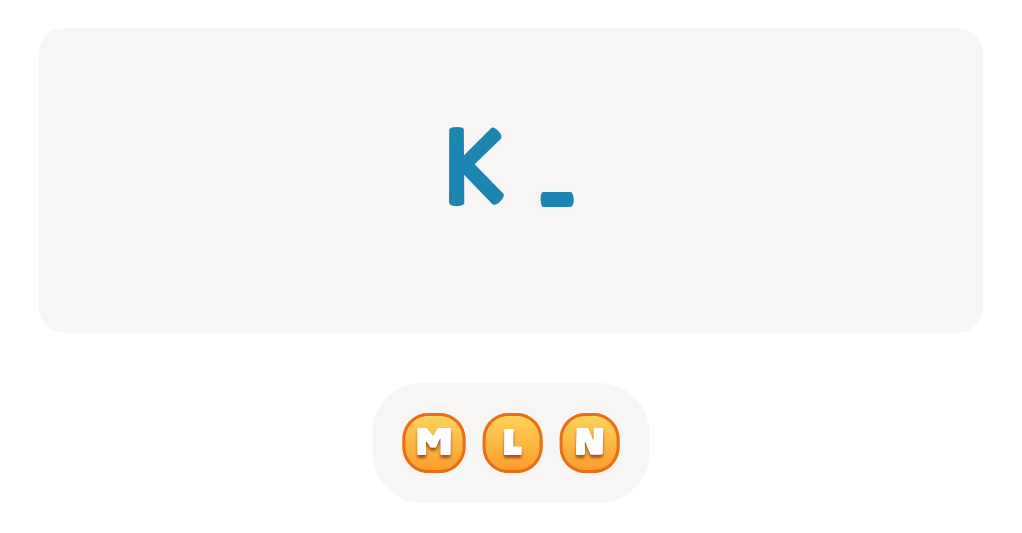
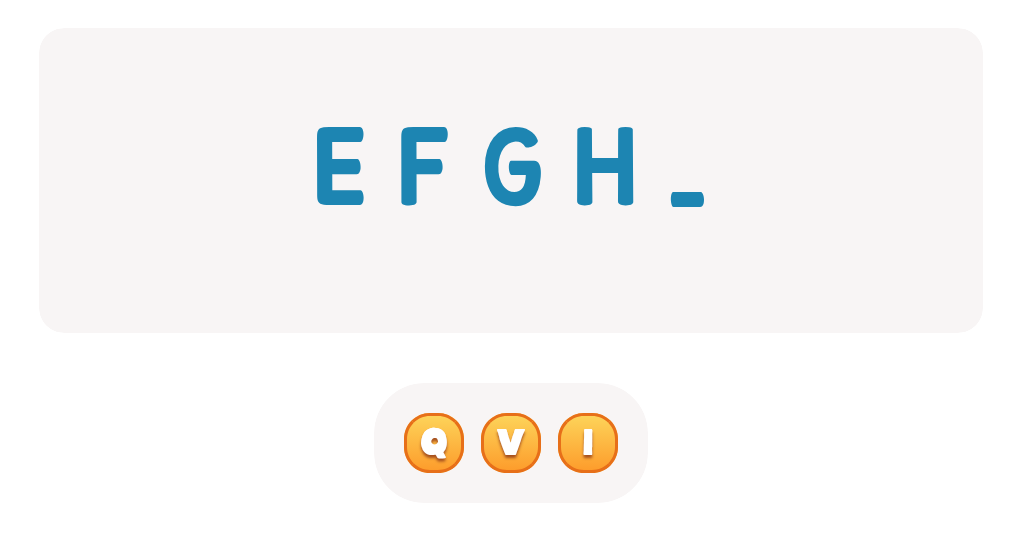
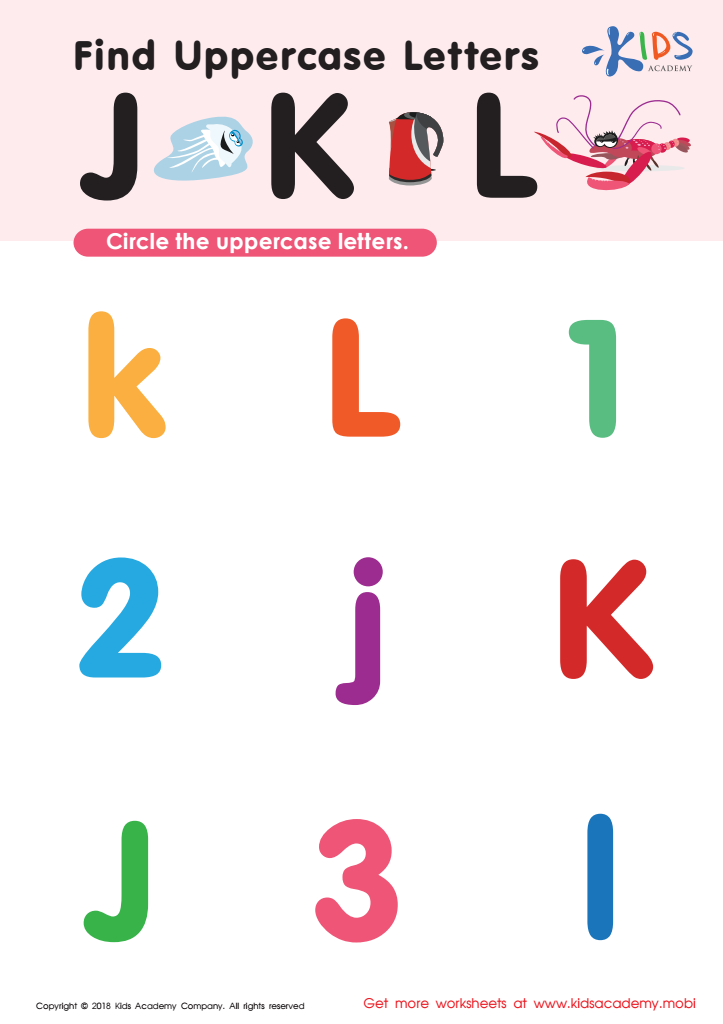
Find Uppercase Letters J, K, and L Worksheet

Find Uppercase Letters A, B, and C Worksheet
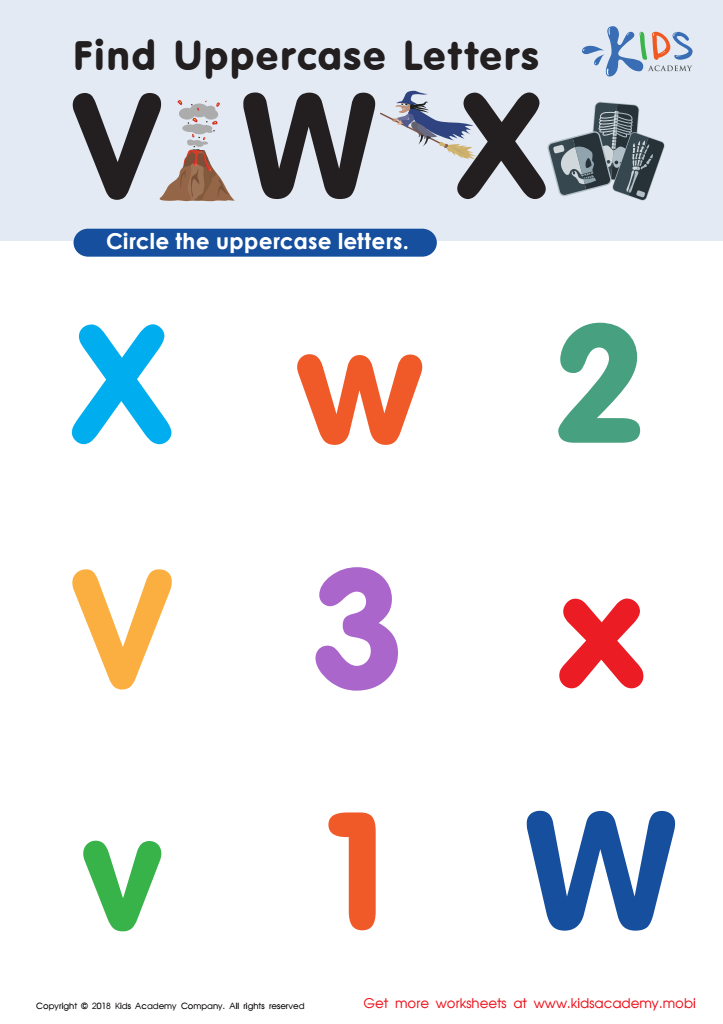
Find Uppercase Letters V, W, X Worksheet
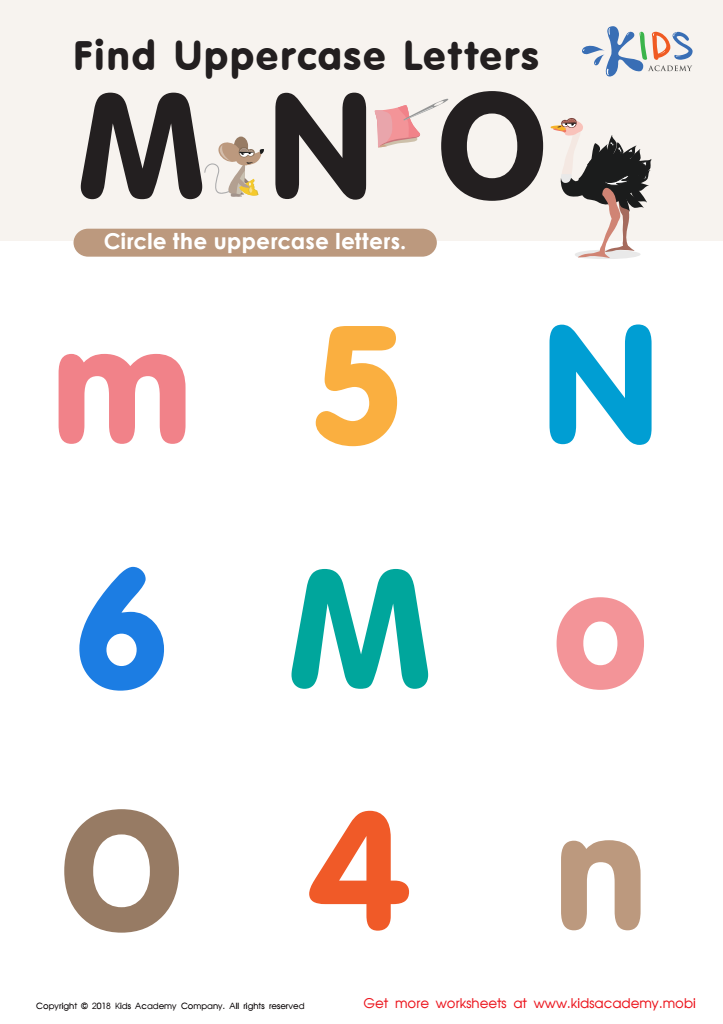
Find Uppercase Letters M, N, and O Worksheet






Understanding uppercase and lowercase letters is fundamental for young learners aged 4-6, and it is crucial for parents and teachers to emphasize this concept. First, recognizing uppercase letters helps children identify the beginning of sentences and proper nouns, enhancing their reading comprehension. This skill lays the groundwork for understanding text structure in books and other written materials.
Second, uppercase letters are often used in educational settings, such as on signs, posters, and classroom materials, making it essential for children to recognize them in their environment. This boosts their confidence in navigating worksheets and responding to instructions.
Moreover, engaging with uppercase and lowercase letters promotes fine motor skills. As children practice writing, they develop hand-eye coordination and spatial awareness, both of which are critical for later academic skills.
Additionally, mastering letter recognition aids phonetic awareness, linking sounds to symbols, which is vital for early literacy development. When children learn the importance of both upper and lowercase letters, they cultivate a strong foundation that supports spelling and writing skills later on.
Ultimately, by supporting this fundamental learning, parents and teachers contribute significantly to a child's overall literacy journey and their ability to communicate effectively.







