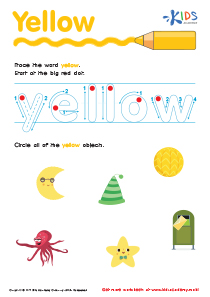
Alphabet Learning Normal English for Beginners Worksheets for Ages 4-6
3 filtered results
-
From - To
Unlock the joy of learning with our "Alphabet Learning Normal English for Beginners Worksheets," designed specifically for children ages 4-6! These engaging worksheets introduce young learners to the English alphabet through fun activities and colorful illustrations. Tailored for children who are just starting their English journey, our materials build foundational skills in letter recognition, phonics, and basic vocabulary. Each worksheet encourages creativity and boosts confidence, making learning an enjoyable experience. Ideal for home or classroom use, these resources promote interactive and meaningful learning. Start your child’s adventure in mastering the English alphabet today with our thoughtfully crafted worksheets!
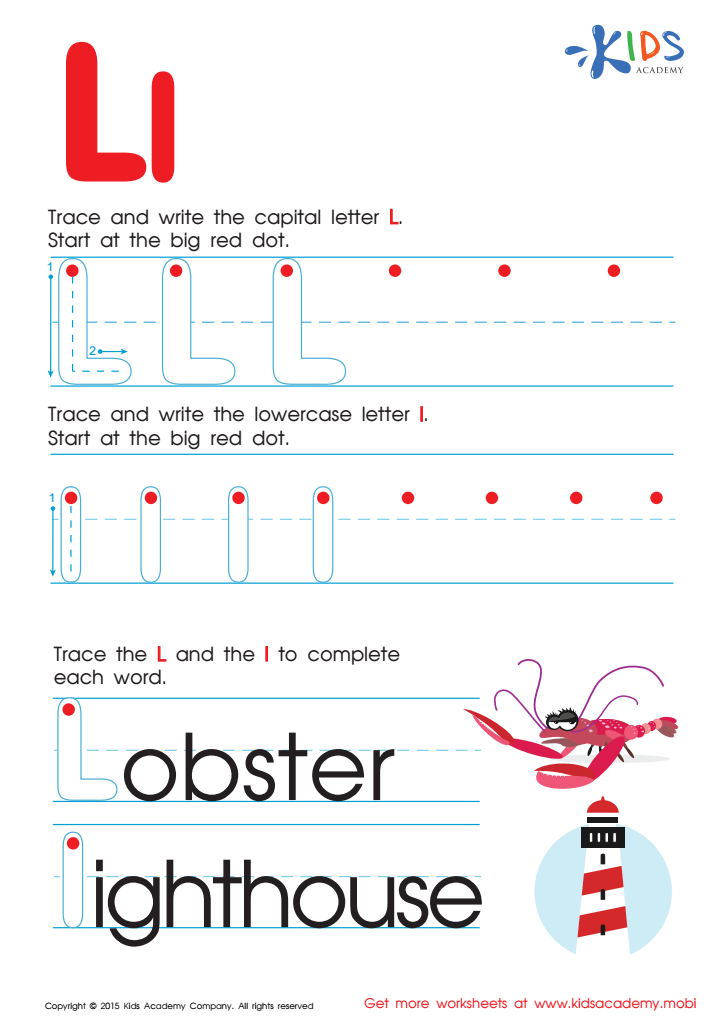
Letter L Tracing Page
 Assign to My Students
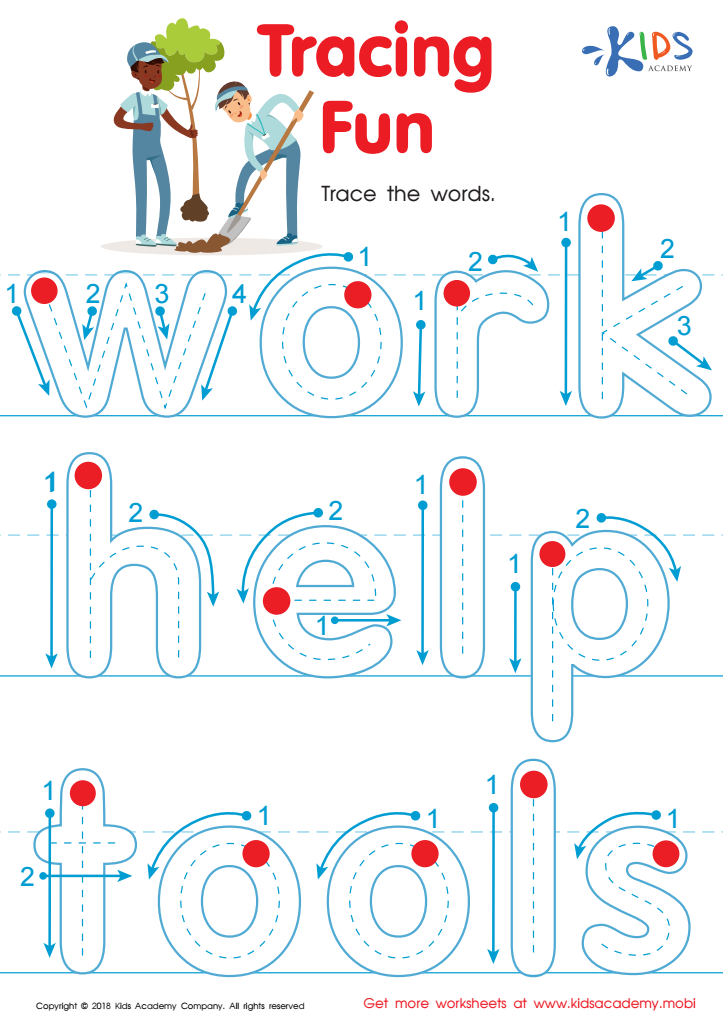
Tracing Fun Worksheet
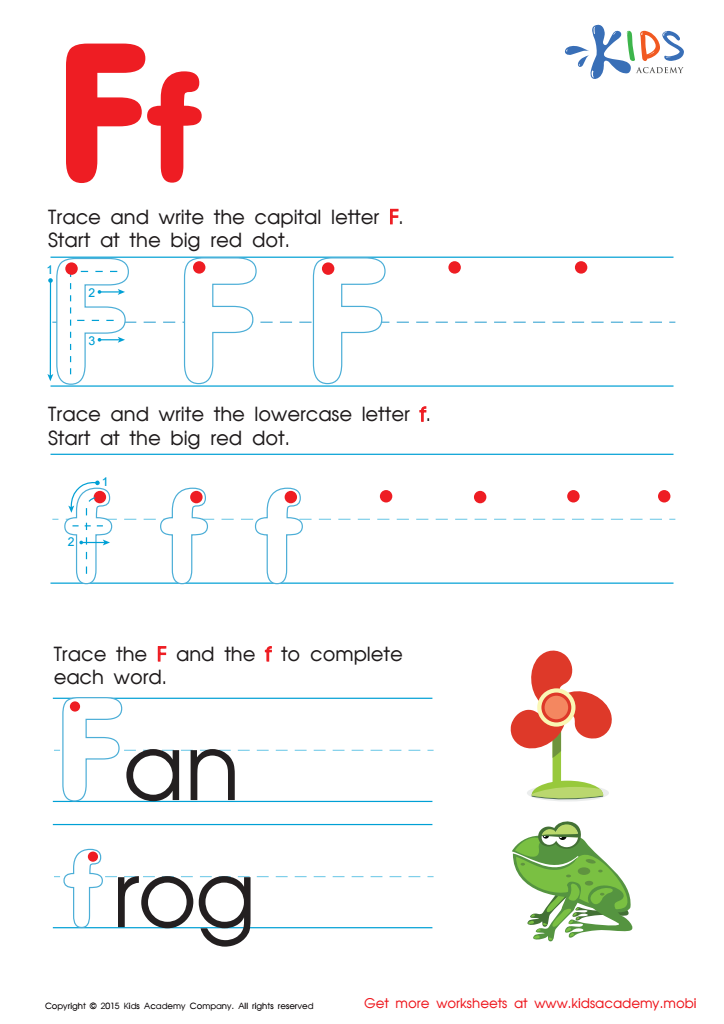
Letter F Tracing Page





Alphabet learning is crucial for children aged 4-6, as it serves as the foundation for their literacy development. Parents and teachers should care about teaching normal English alphabet skills to beginners for several reasons. First, early exposure to the alphabet helps children develop phonemic awareness, crucial for reading skills. Understanding letter sounds and formations enables children to decode words, fostering a love for reading and enhancing vocabulary.
Second, mastering the alphabet builds children's confidence. When they can recognize and write letters, they feel more competent in participating in classroom activities and social interactions, boosting their self-esteem.
Moreover, alphabet learning promotes cognitive development. It stimulates critical thinking and memory skills as children learn to identify, categorize, and manipulate letters and sounds. This aligns with academic success not only in language arts but across all subjects.
Finally, fostering an engaging and supportive environment to learn the alphabet helps children associate learning with enjoyment. Engaging activities—from songs to games—can make the process enjoyable, ensuring they carry a positive attitude towards education into their future.
When parents and teachers prioritize alphabet learning, they lay the groundwork for children’s educational journey, nurturing essential skills that will benefit them for years to come.