Alphabet Recognition Normal English for Beginners Worksheets for Ages 4-6
19 filtered results
-
From - To
Unlock your child’s potential with our engaging Alphabet Recognition worksheets tailored for beginners aged 4-6! Designed specifically for young learners, these fun and interactive materials help children develop essential letter recognition skills in English. Each worksheet features vibrant illustrations and activities that make learning enjoyable, fostering creativity and curiosity. By practicing letter identification, tracing, and matching, your little ones will build a strong foundational literacy skill set. Perfect for home or classroom use, these worksheets cater to early language development, empowering children to gain confidence while they learn. Start their literacy journey today with our exciting Alphabet Recognition resources!
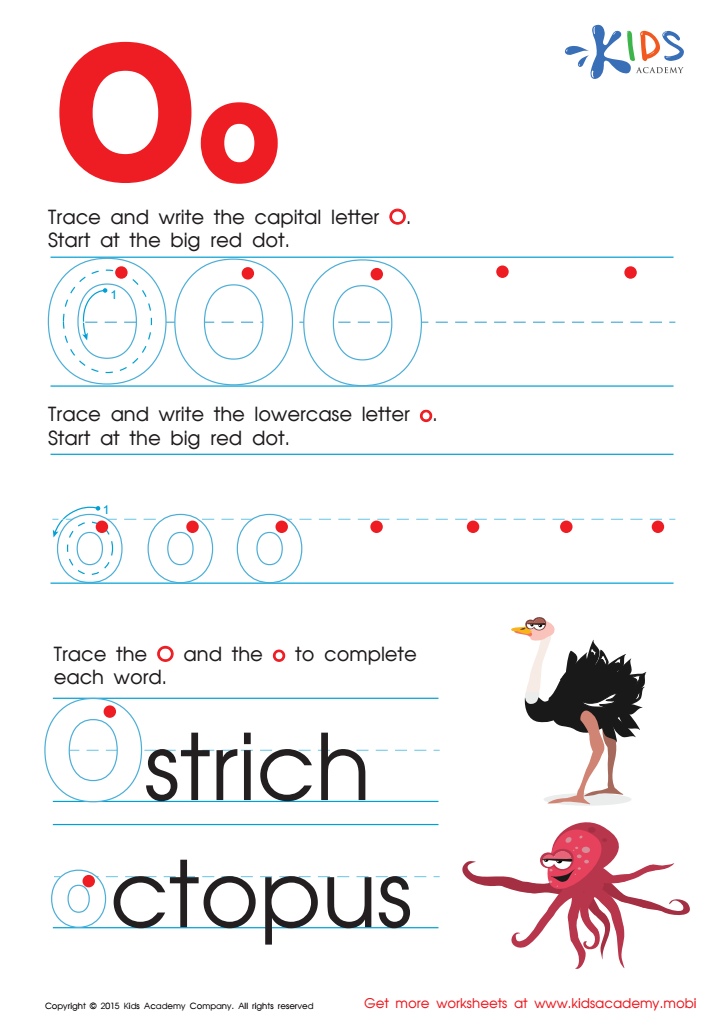
Letter O Tracing Page
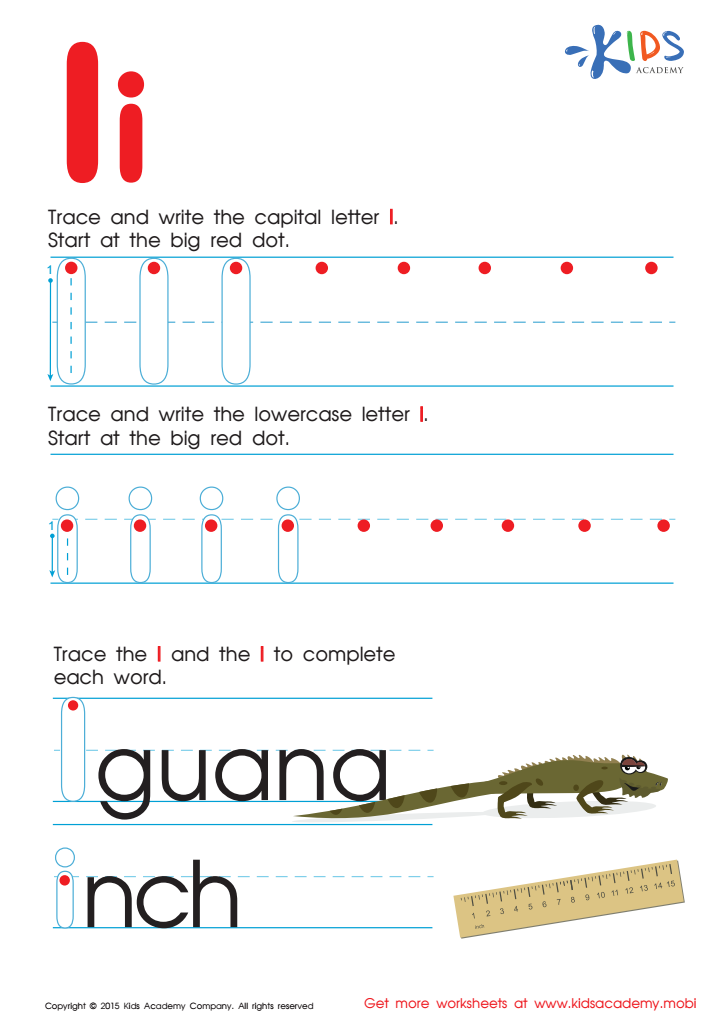
Letter I Tracing Page
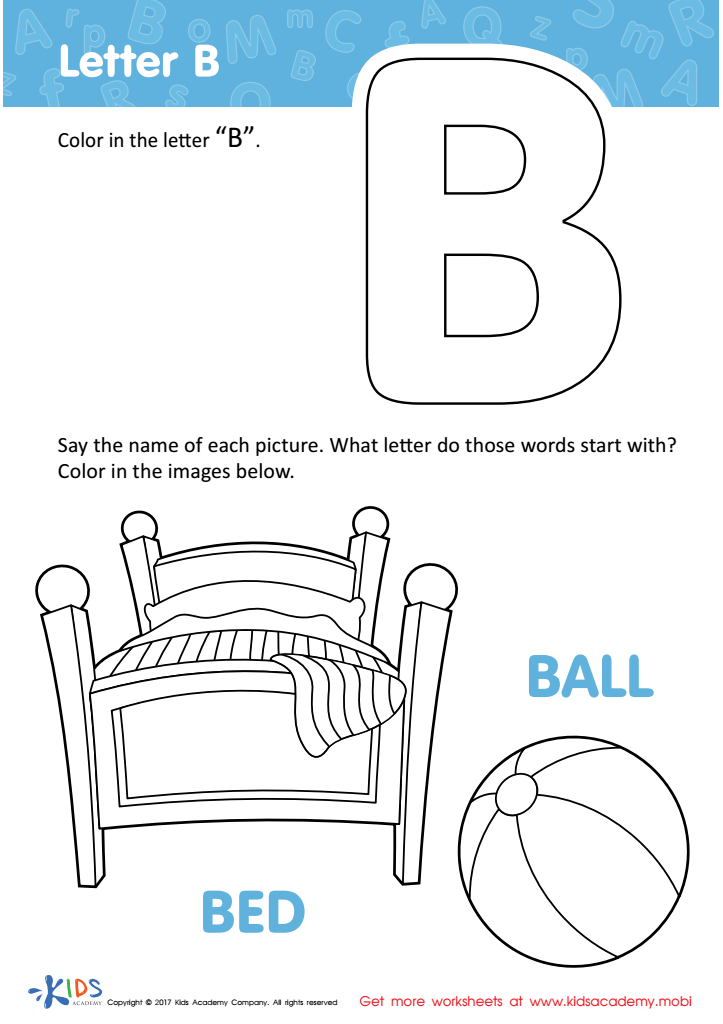
Letter B Coloring Sheet
 Assign to My Students
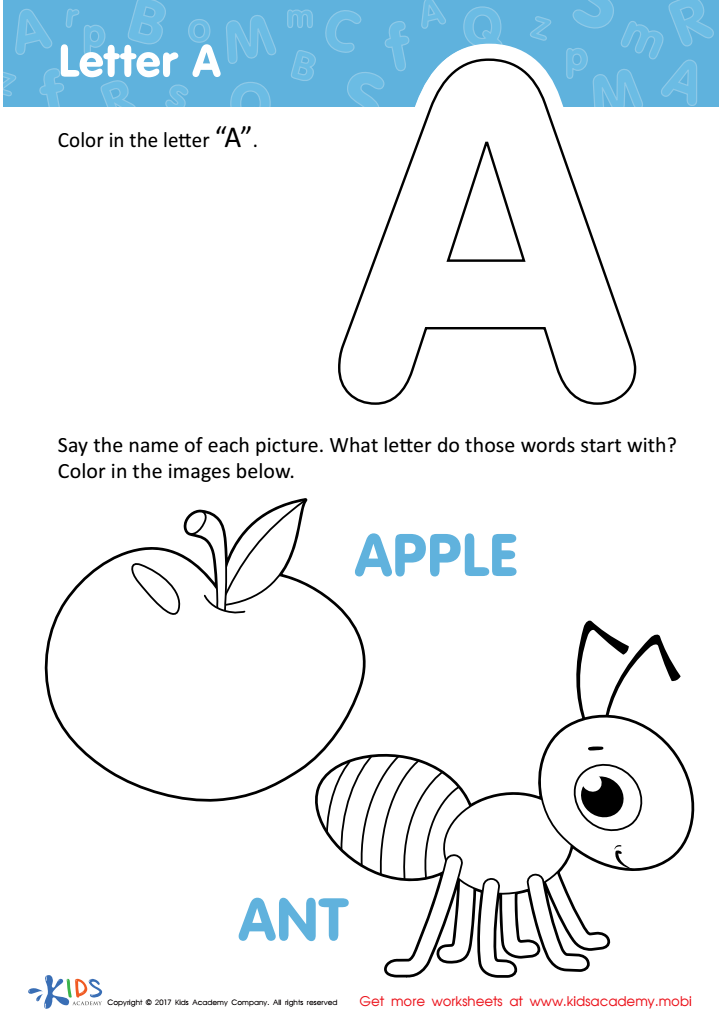
Letter A Coloring Sheet
Assign to My Students
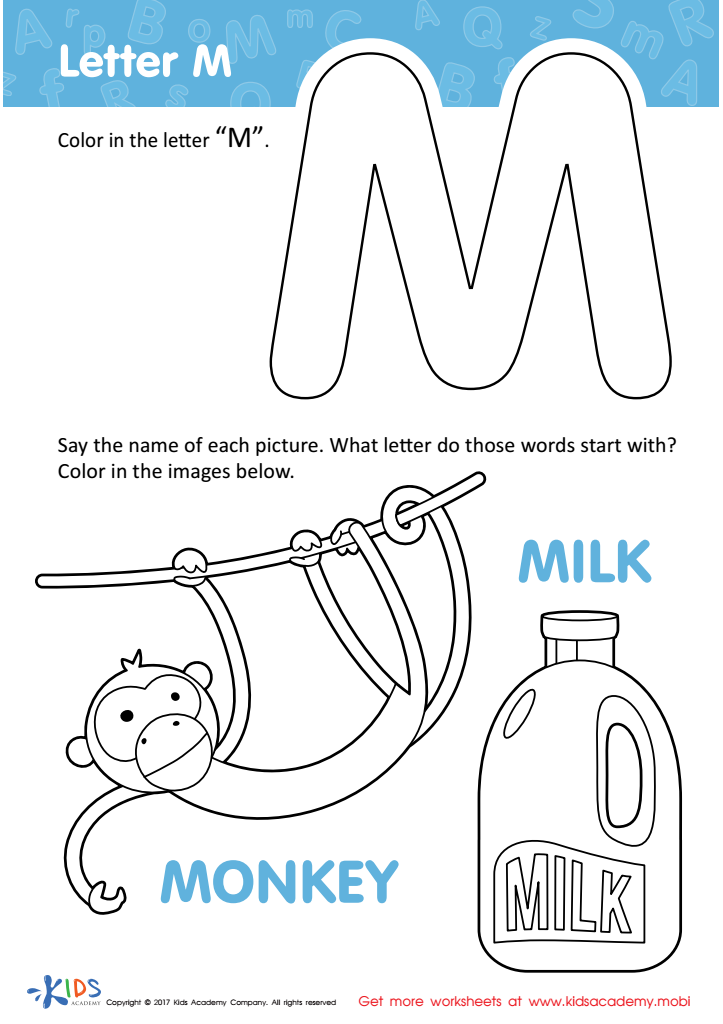
Letter M Coloring Sheet
Assign to My Students
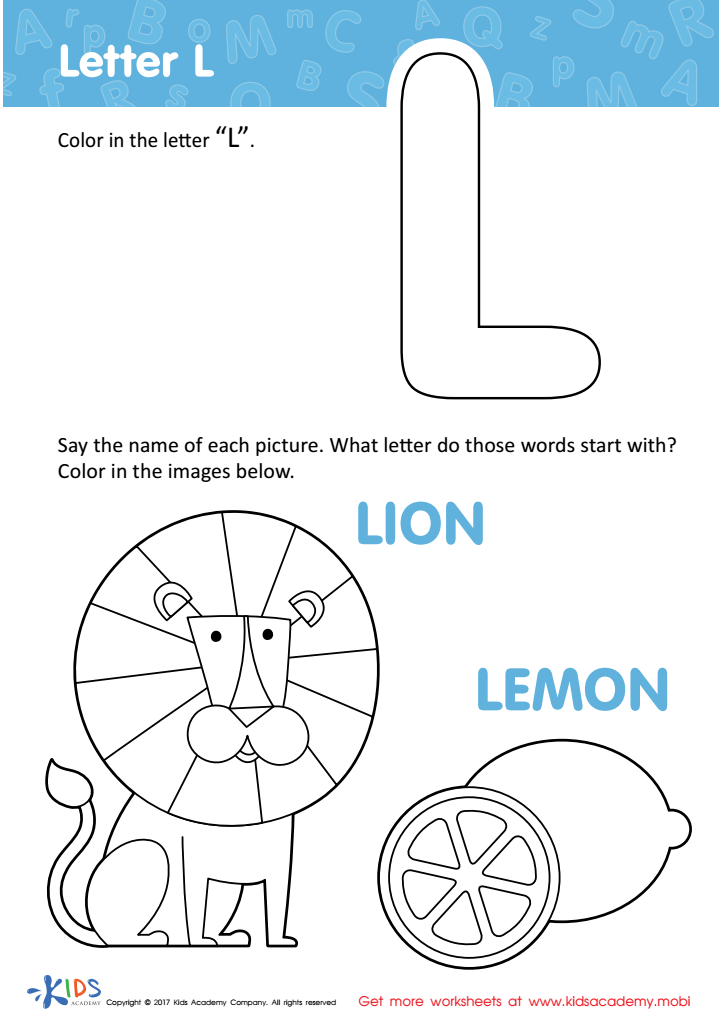
Letter L Coloring Sheet
Assign to My Students
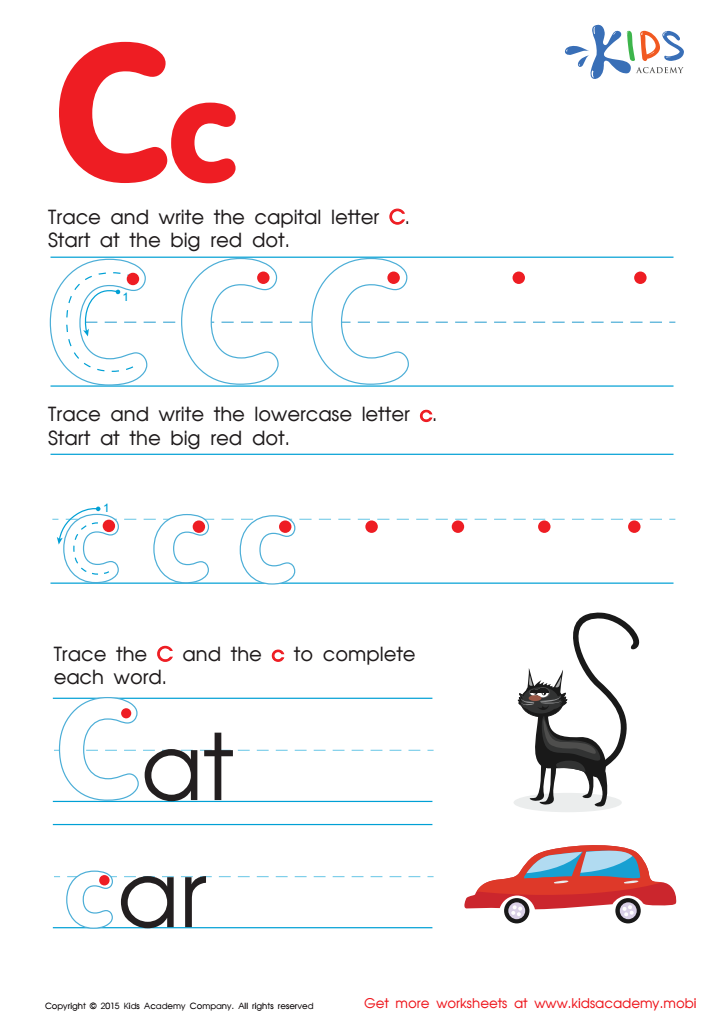
Letter C Tracing Page
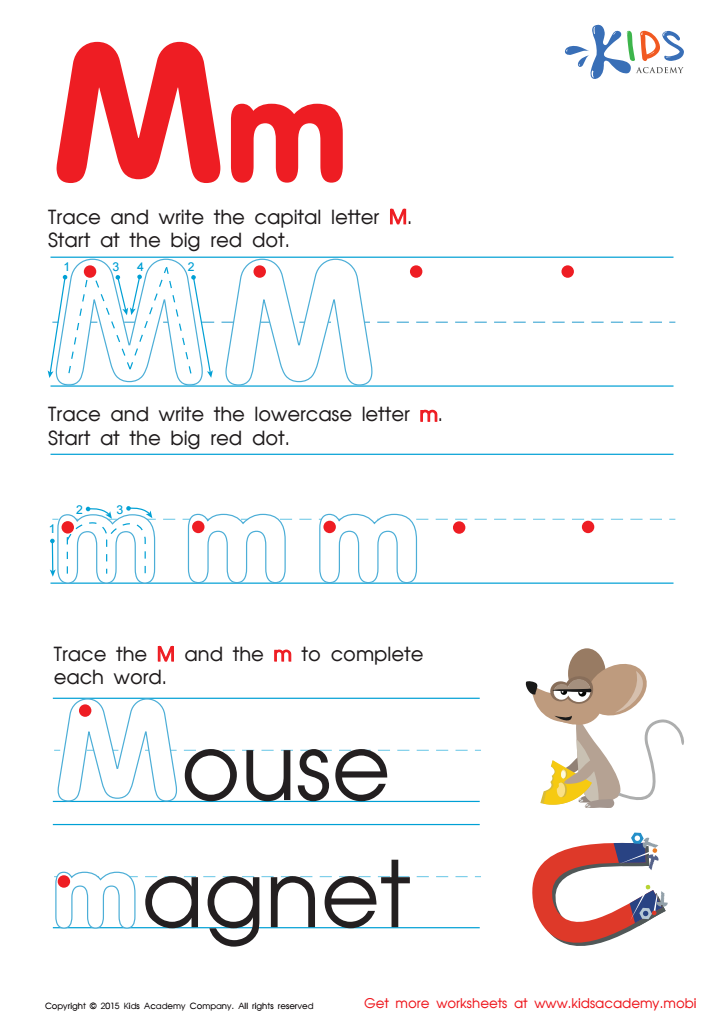
Letter M Tracing Page
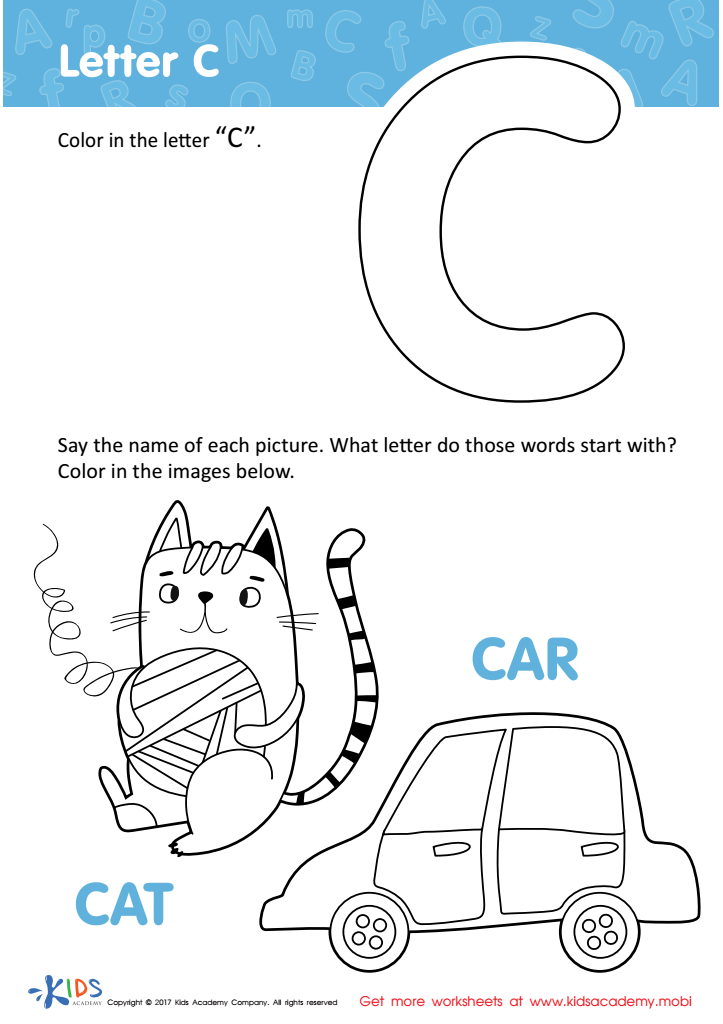
Letter C Coloring Sheet
Assign to My Students
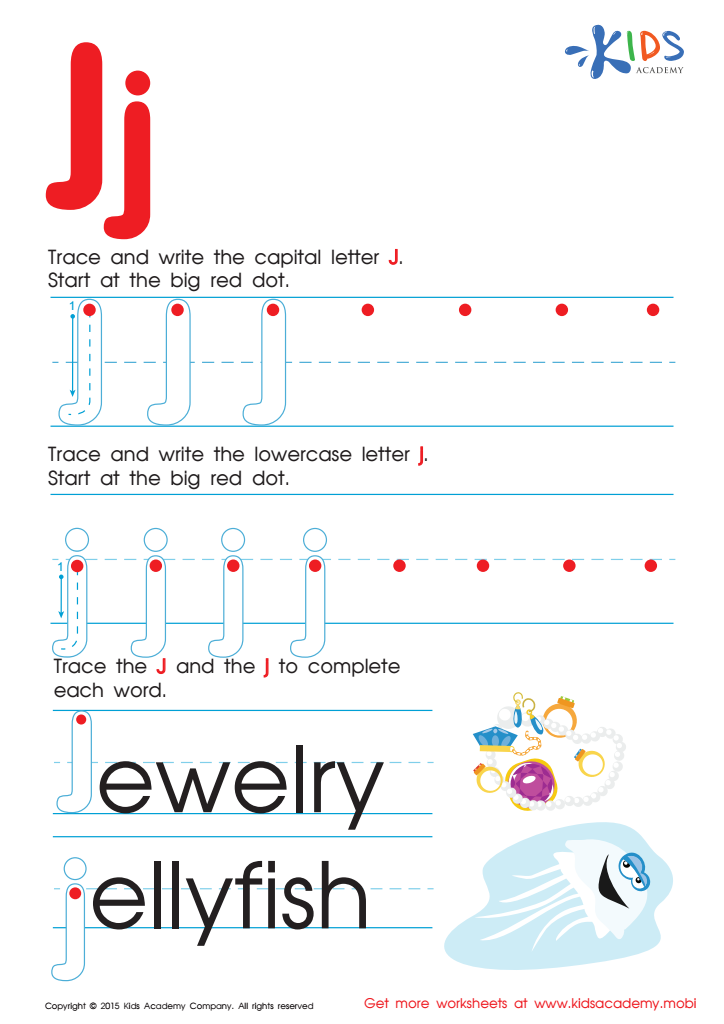
Letter J Tracing Page
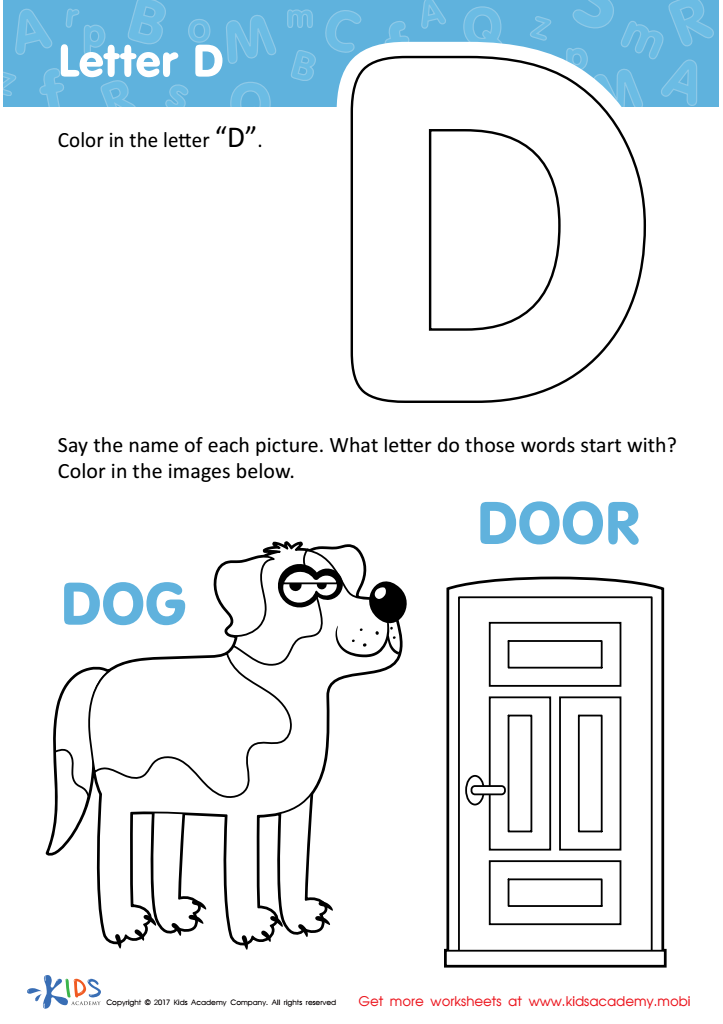
Letter D Coloring Sheet
Assign to My Students
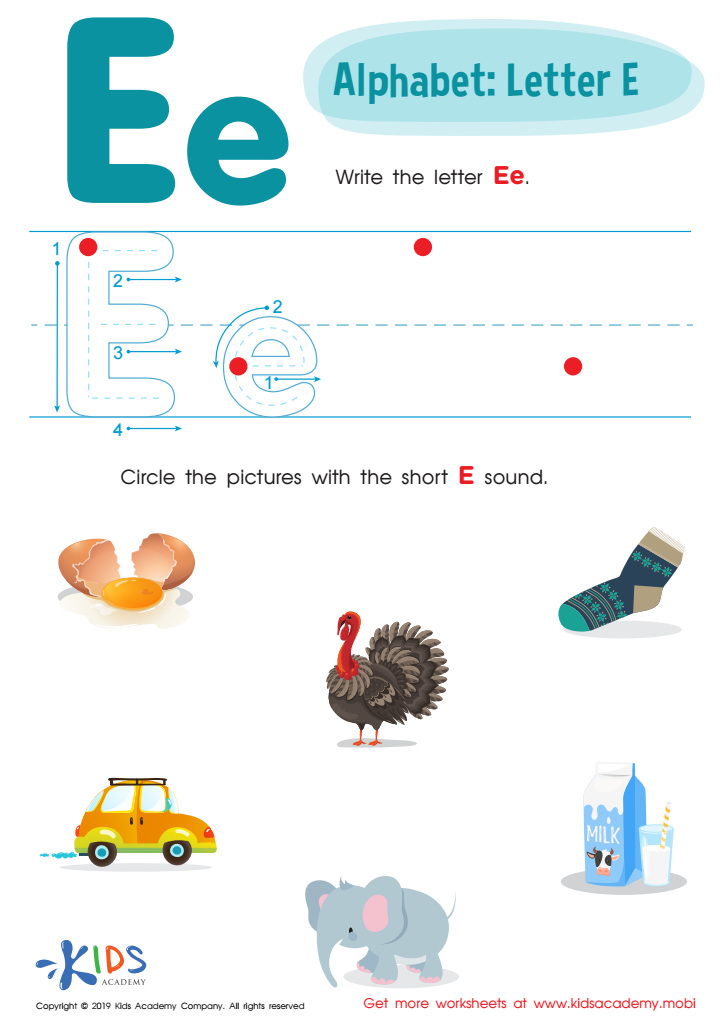
Letter E Tracing Worksheet
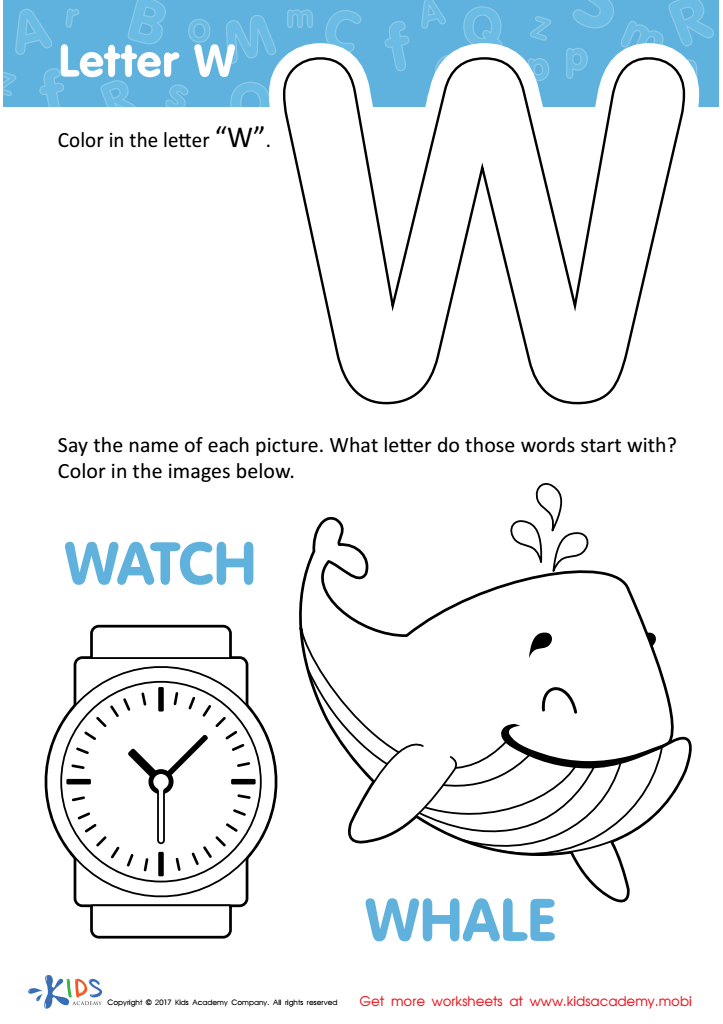
Letter W Coloring Sheet
Assign to My Students
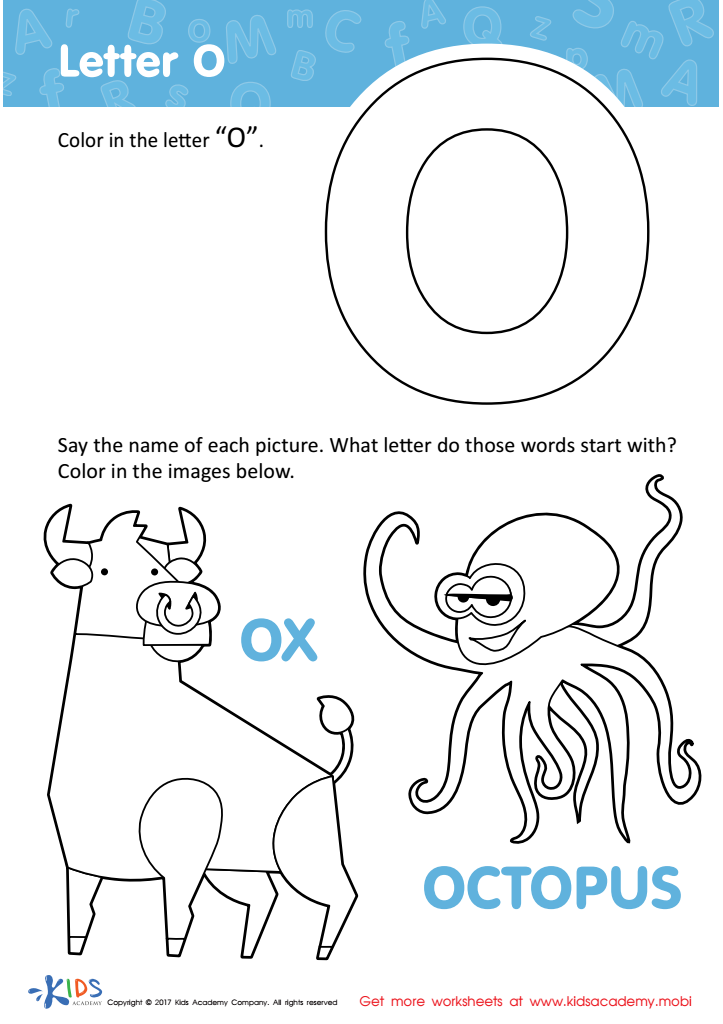
Letter O Coloring Sheet
Assign to My Students
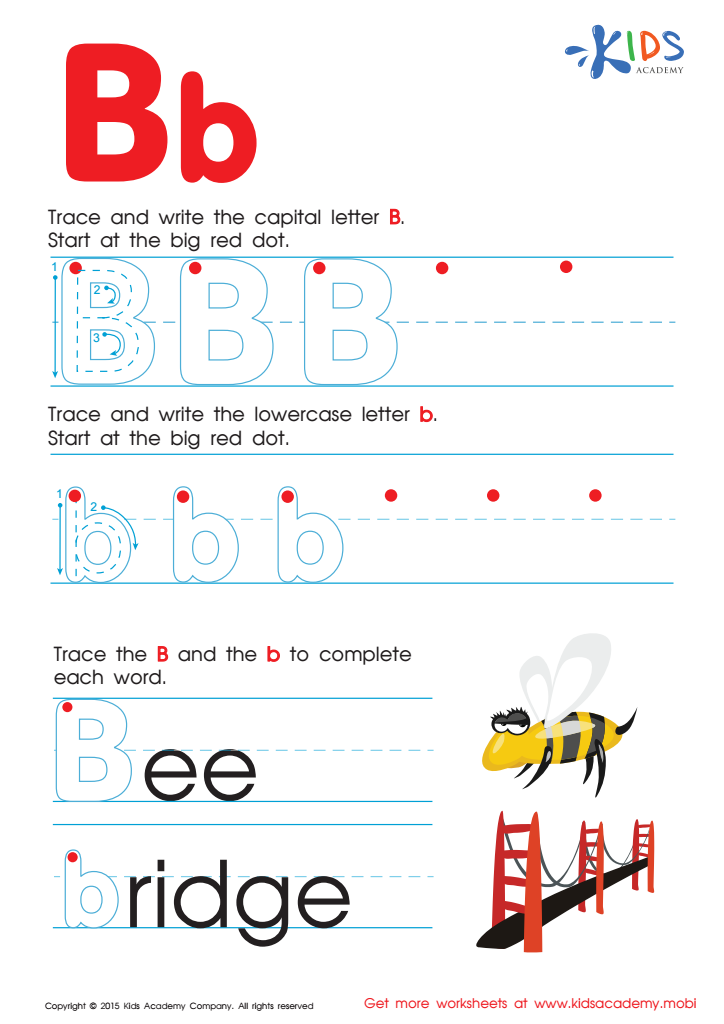
Letter B Tracing Page
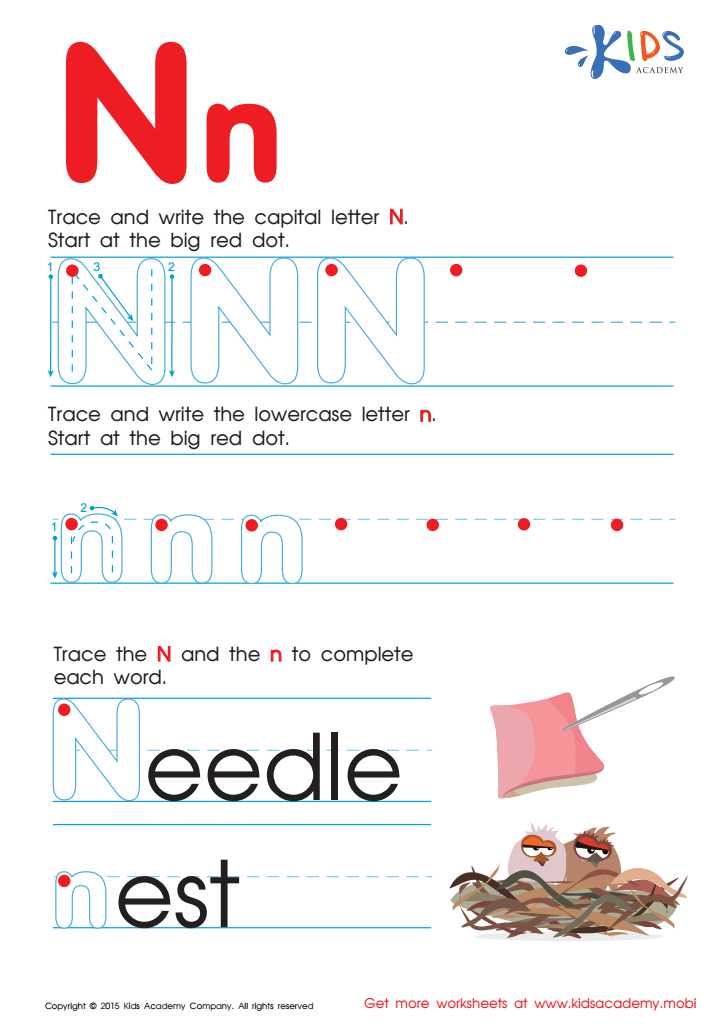
Letter N Tracing Page
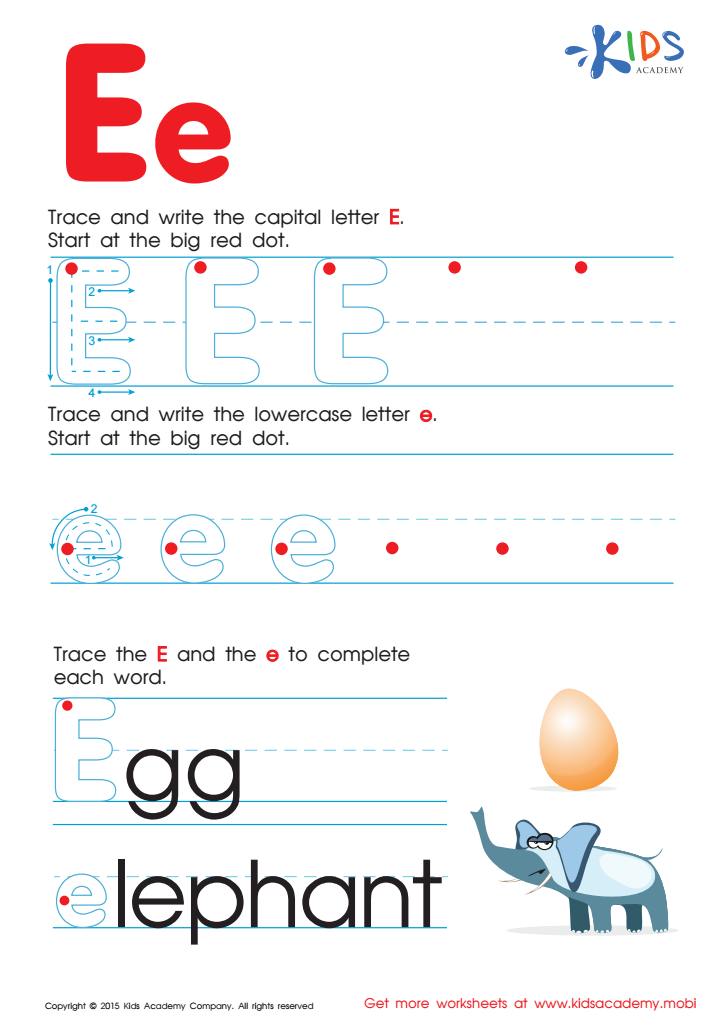
Letter E Tracing Page
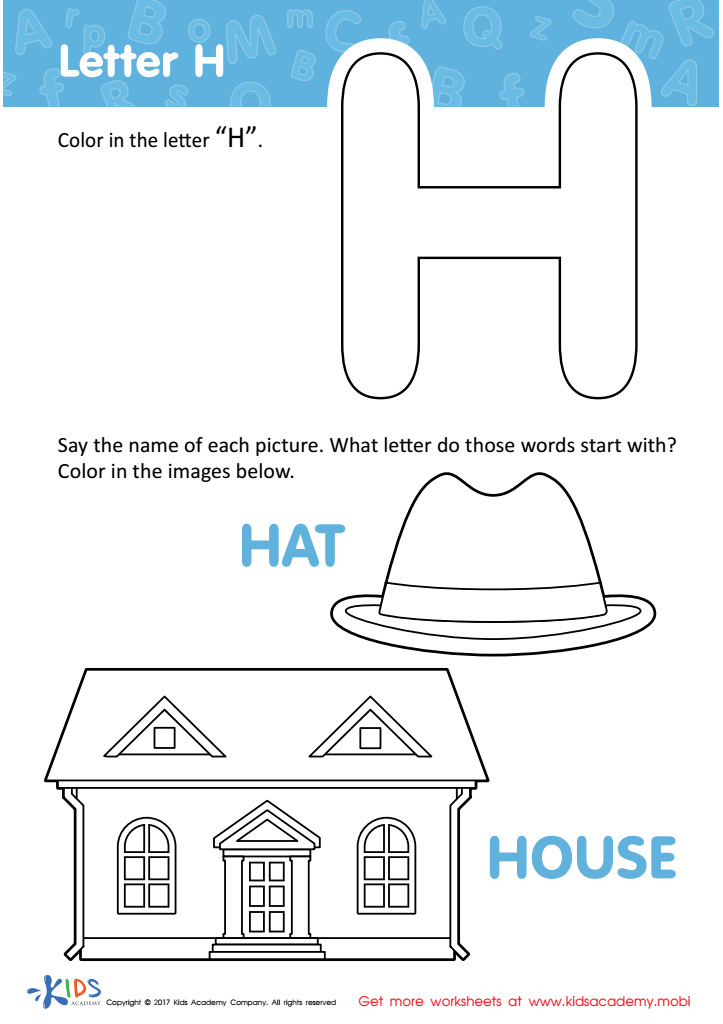
Letter H Coloring Sheet
Assign to My Students
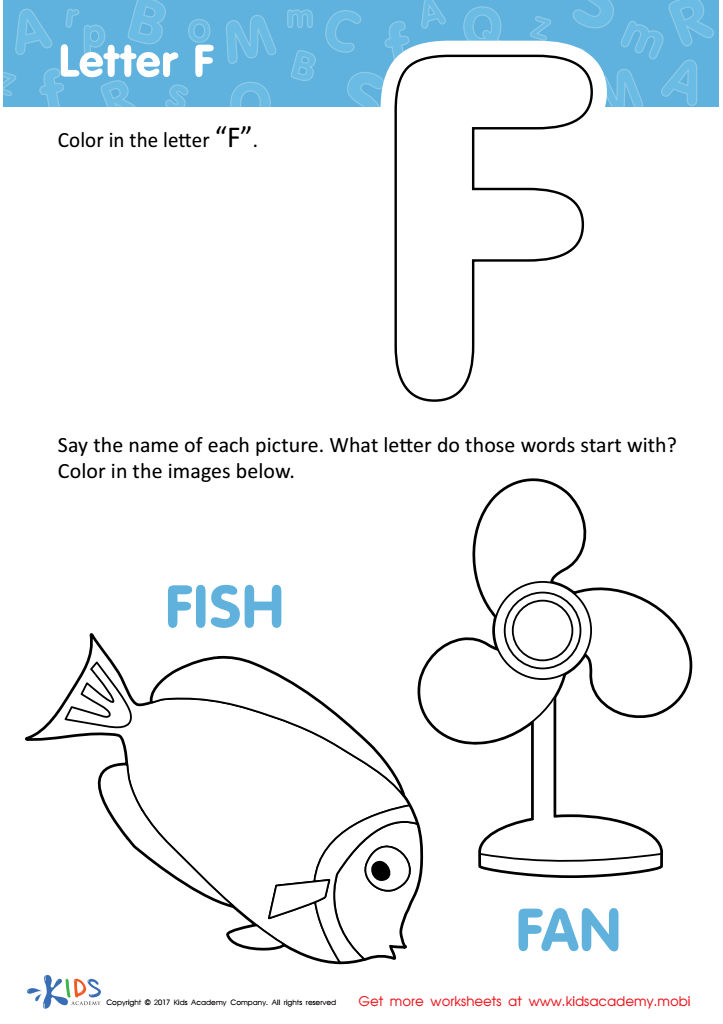
Letter F Coloring Sheet
Assign to My Students




Alphabet recognition is crucial for early literacy development in children aged 4-6. Teaching kids to recognize letters not only helps them understand the foundation of written language but also boosts their confidence in reading and writing. This skill shapes their ability to decode words, which is essential for later academic success.
Parents and teachers should care about alphabet recognition because it enhances cognitive development. As children learn to identify and differentiate letters, they strengthen critical thinking and memory skills. Moreover, early exposure to letters fosters curiosity about storytelling and language, encouraging a love for books and learning in general.
Additionally, strong letter recognition correlates with improved phonemic awareness. When children can recognize letters and their sounds, they become more adept at spelling and reading as they progress in school. This foundational skill not only aids in academic achievement but also prepares children for lifelong learning.
Finally, engaging with children during literacy activities creates bonding moments. When parents and teachers incorporate playful methods to teach the alphabet, such as games or songs, they not only make learning enjoyable but also instill a positive attitude towards education. This nurturing environment can significantly influence a child’s love for reading and self-confidence in their abilities.