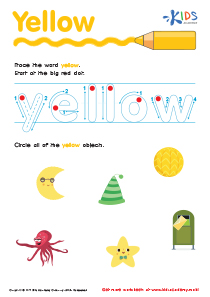
Writing practice Normal English for Beginners Worksheets for Ages 4-6
6 filtered results
Difficulty Level
Grade
Age
-
From - To
Subject
Activity
Standards
Discover engaging "Writing Practice Normal English for Beginners" worksheets designed for children aged 4-6. These fun, easy-to-follow activities help young learners build essential writing skills while boosting their confidence. Each worksheet offers creative exercises, guiding children through letter formation, basic word construction, and simple sentence creation. Perfect for early learners and ESL students, our resources support language development in a playful and interactive way. Start your child's writing journey with our expert-crafted worksheets and watch their love for language flourish!
Favorites
With answer key
Interactive
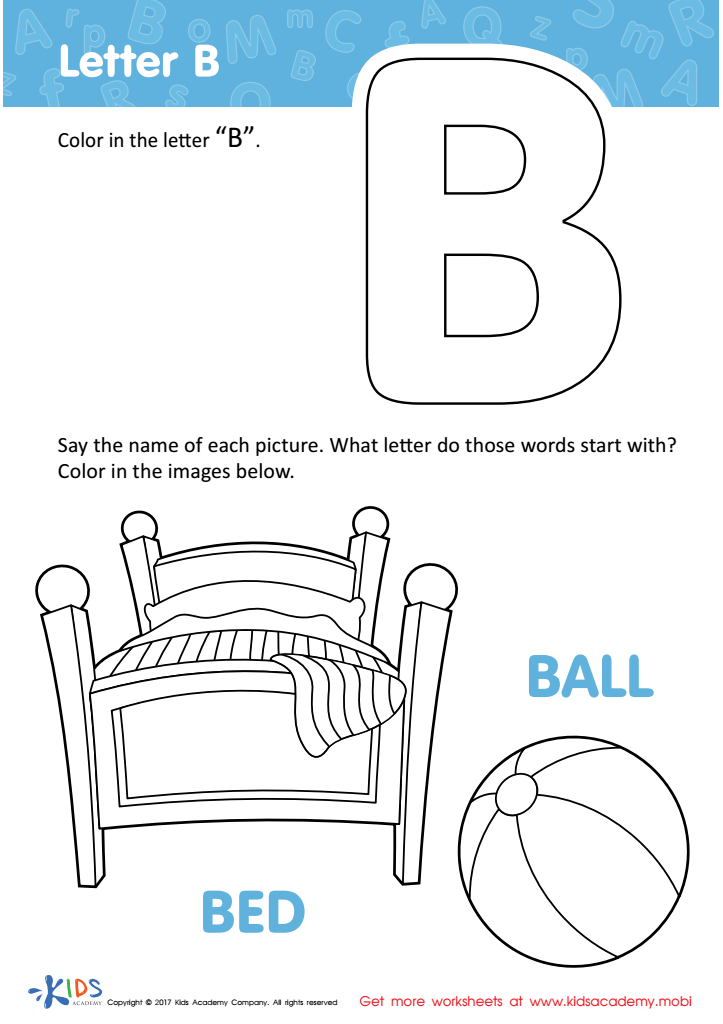
Letter B Coloring Sheet
Kids will love coloring this page that features things they like - balls, bubbles, bugs and bedtime - all words starting with "B"! It's a great way to introduce the alphabet and increase their exposure to letters and sounds. Let them have fun and learn at the same time!
Download (PDF)
 Assign to My Students
Assign to My Students
Letter B Coloring Sheet
Worksheet
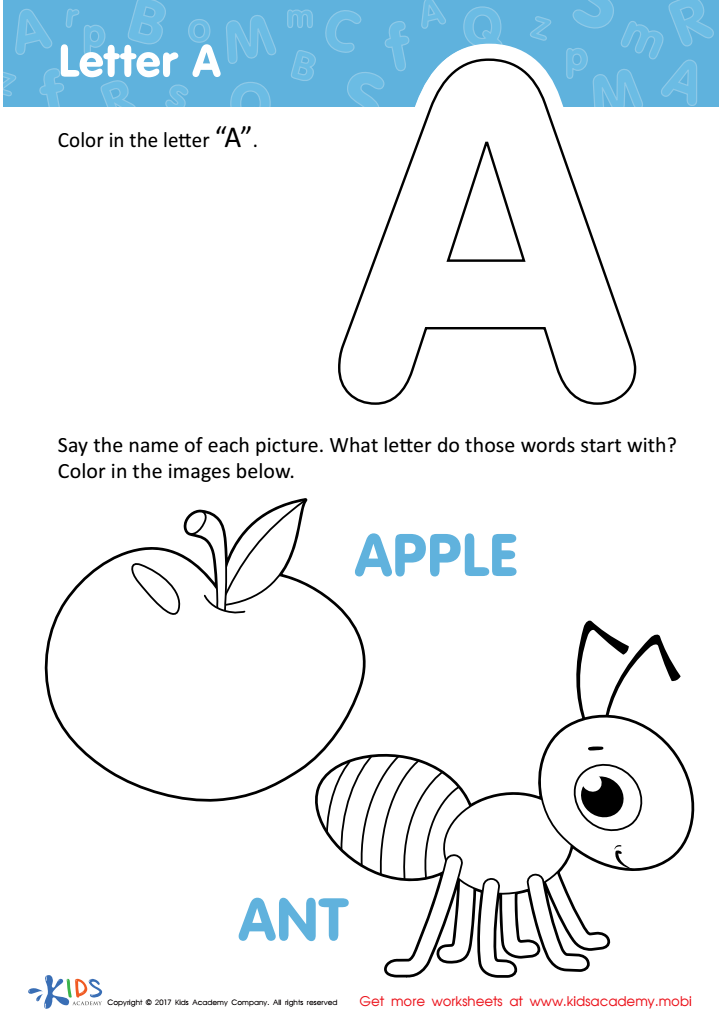
Letter A Coloring Sheet
This letter "A" coloring page is great for introducing kids to the alphabet! Let them exercise their creativity while they learn to recognize letters and sounds - it's a fun and easy way to help them get started.
Download (PDF)
Assign to My Students
Assign to My Students
Letter A Coloring Sheet
Worksheet

Letter H Tracing Page
Trace the letter "H", then practice writing its lowercase form. Finally, choose your favorite form of transport and ride away! Get our worksheets to make learning fun and easy.
Letter H Tracing Page
Worksheet
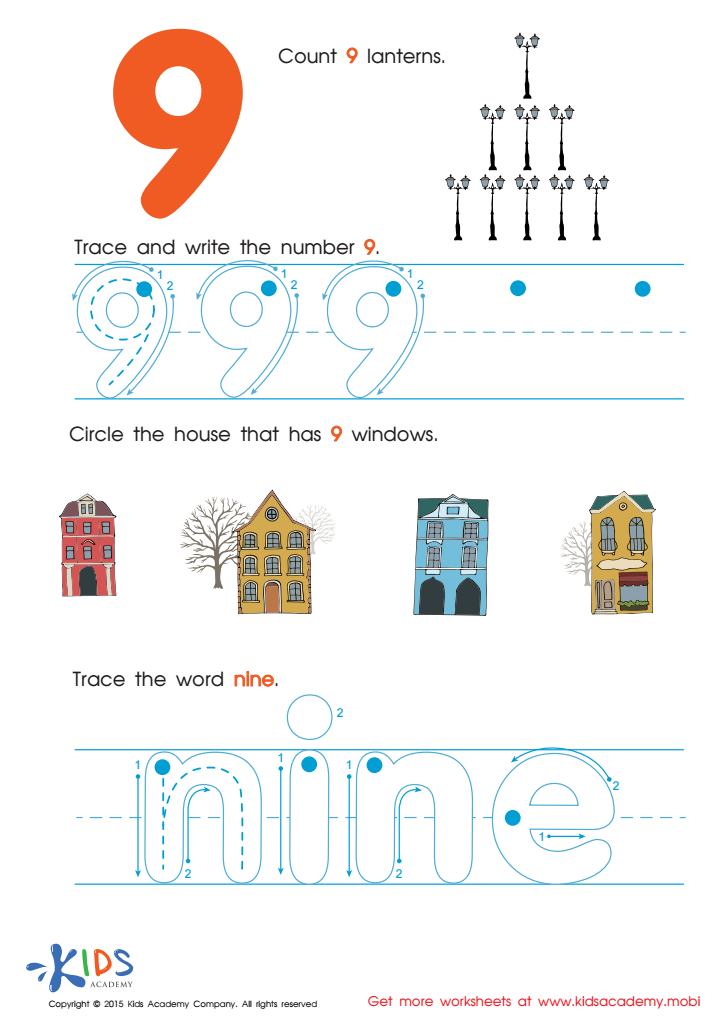
Tracing And Learning to Write Number 9 Worksheet
Explore our collection of learning numbers worksheets and make teaching numbers to preschoolers easier with Kids Academy. Trace numbers, circle houses with the specified number of windows, write the corresponding number words and revise previous numbers regularly to help kids learn.
Tracing And Learning to Write Number 9 Worksheet
Worksheet
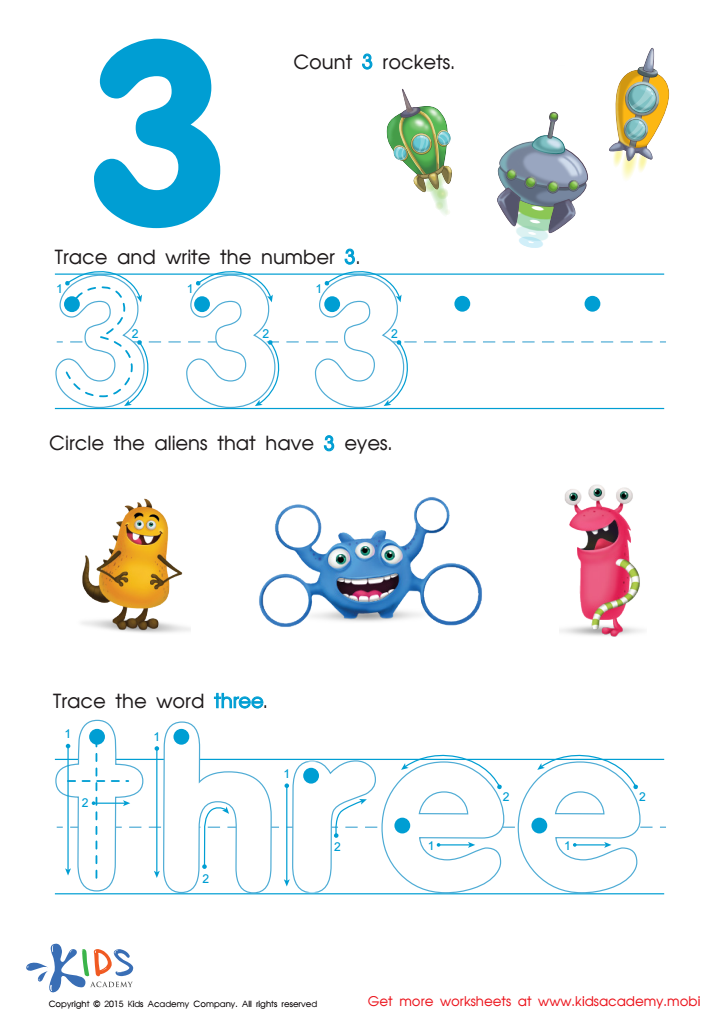
Learning Number Three Worksheet
Learn to count with aliens! Trace the number 3 and circle aliens with 3 eyes. Explore our web site for more number games and activities for preschoolers.
Learning Number Three Worksheet
Worksheet
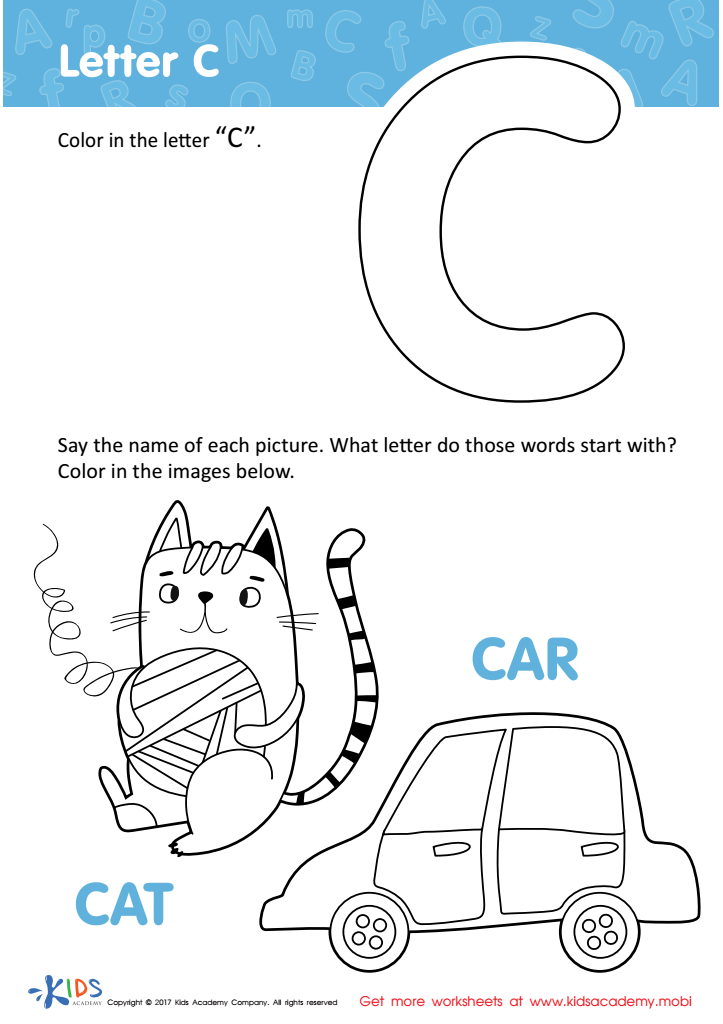
Letter C Coloring Sheet
Introduce kids to the letter 'C' with this fun coloring page! Exposing little ones to letters, words, and sounds helps them learn long before they can read. Start with simple words like 'cat' and 'car' - these are great first sight words for young children.
Download (PDF)
Assign to My Students
Assign to My Students
Letter C Coloring Sheet
Worksheet
Join Kids Academy for Free
Who is primarily going to use this learning content?




Writing practice is essential for young children, particularly those aged 4-6, as it forms the foundation for literacy and effective communication skills. At this critical stage, young learners are beginning to understand the basics of language and how to express their thoughts. Therefore, parents and teachers should focus on incorporating writing practice into their routines for several reasons.
Firstly, early writing exercises help children develop fine motor skills, essential for overall coordination and daily tasks. Using a pencil strengthens their hand muscles and improves hand-eye coordination.
Secondly, engaging in writing activities stimulates cognitive development. Learning to form letters and words encourages kids to recognize patterns, understand sequencing, and enhance memory retention. As children connect sounds with letters (phonics), they start to decode words, bridging the gap to reading proficiency.
Moreover, writing empowers children to convey their ideas and emotions, fostering creativity and emotional development. They learn to communicate effectively and increase their vocabulary, aiding verbal communication.
Teachers and parents who prioritize writing practice also instill a sense of confidence and mastery in children. Their early exposure to writing tasks ensures a smoother transition into school settings, fostering academic success and instilling a lifelong love for learning and literacy.