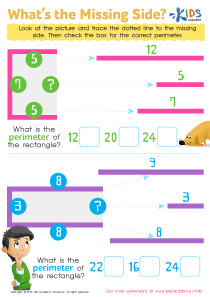
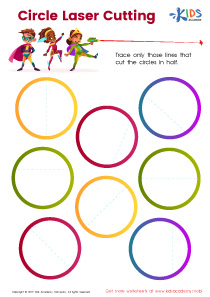
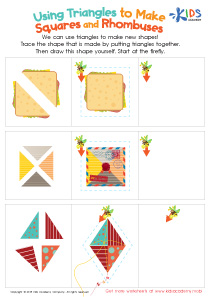
Counting skills Normal 2D Shapes Worksheets for Ages 4-6
4 filtered results
-
From - To
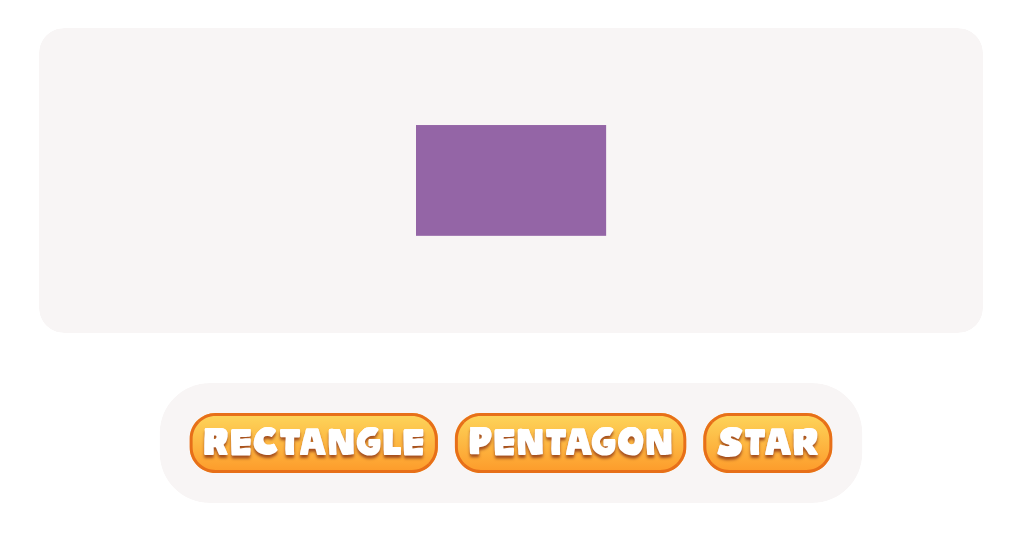
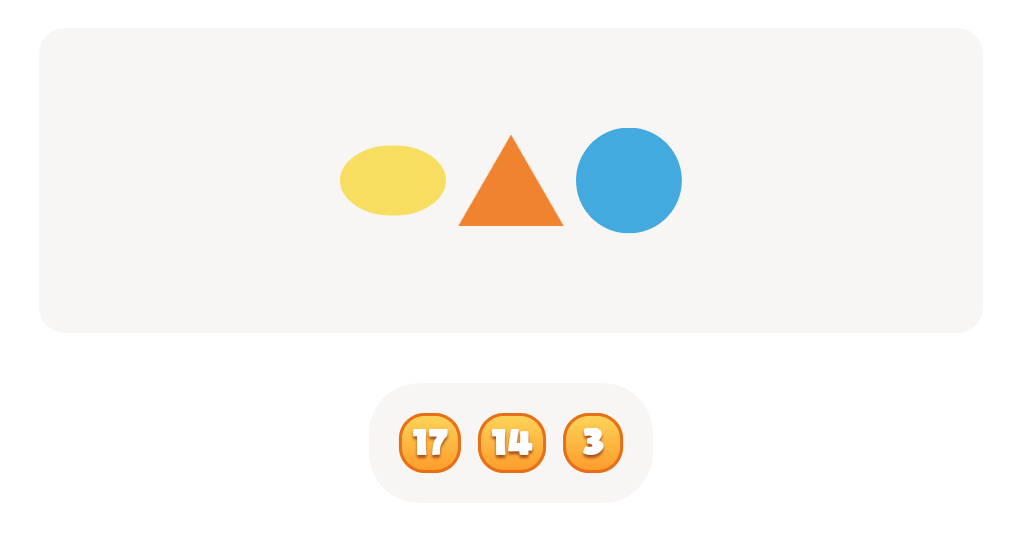
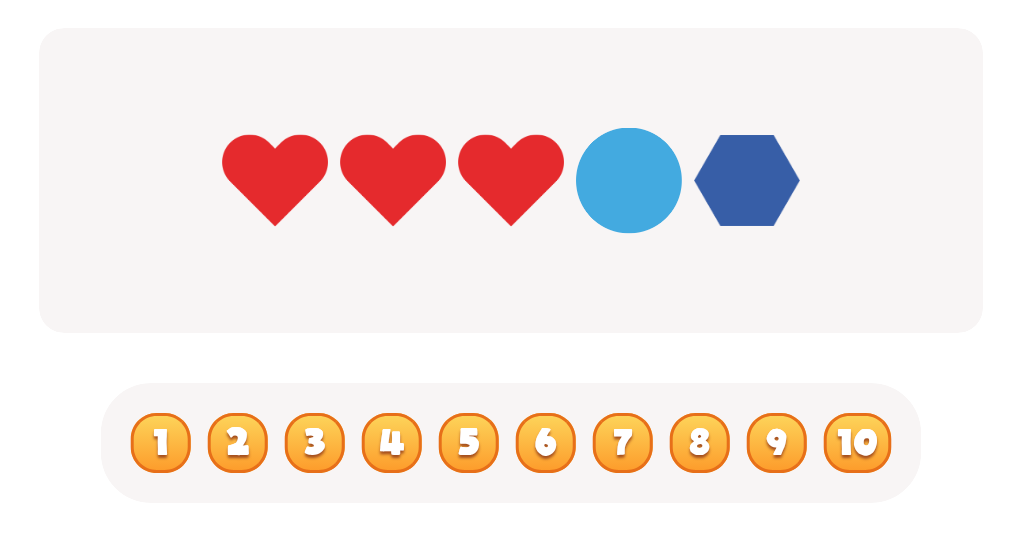
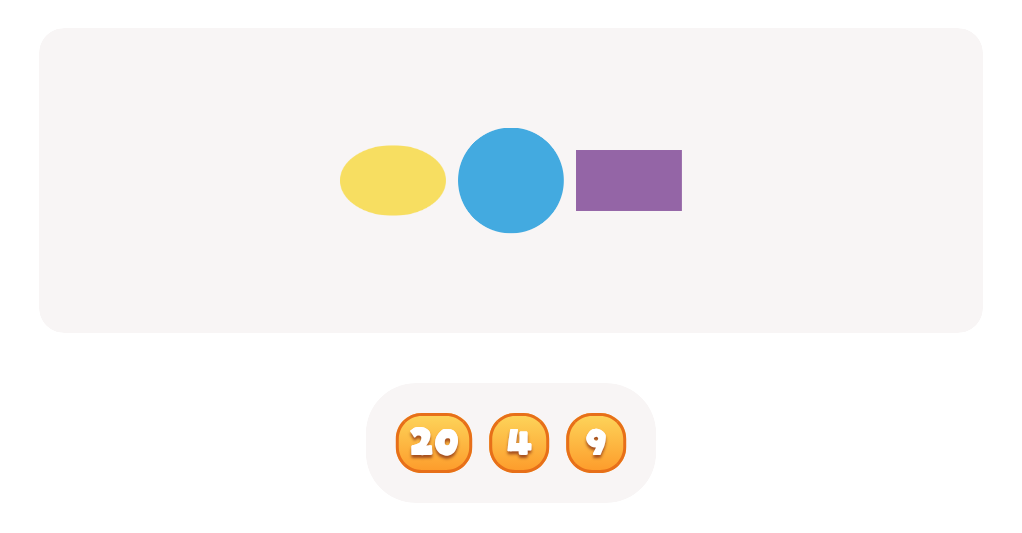
Enhance your child's counting skills with our engaging Normal 2D Shapes Worksheets, specially designed for ages 4-6! These fun and interactive worksheets encourage young learners to recognize and count various 2D shapes while developing essential mathematical skills. Each worksheet features vibrant illustrations and age-appropriate activities that make learning enjoyable. Perfect for preschool and kindergarten classrooms or at-home study sessions, our resources support early math education by reinforcing shape recognition and counting techniques. Give your child a head start in math with our comprehensive collection of worksheets, designed to foster confidence and a love for learning in young minds!
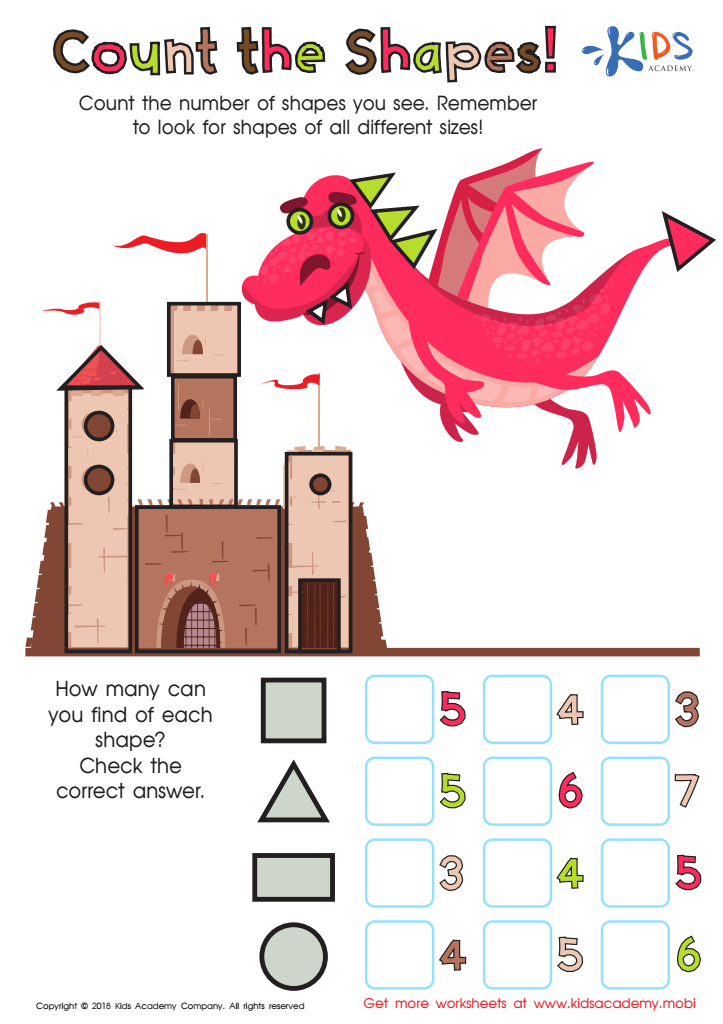
Count the Shapes Worksheet
 Assign to My Students

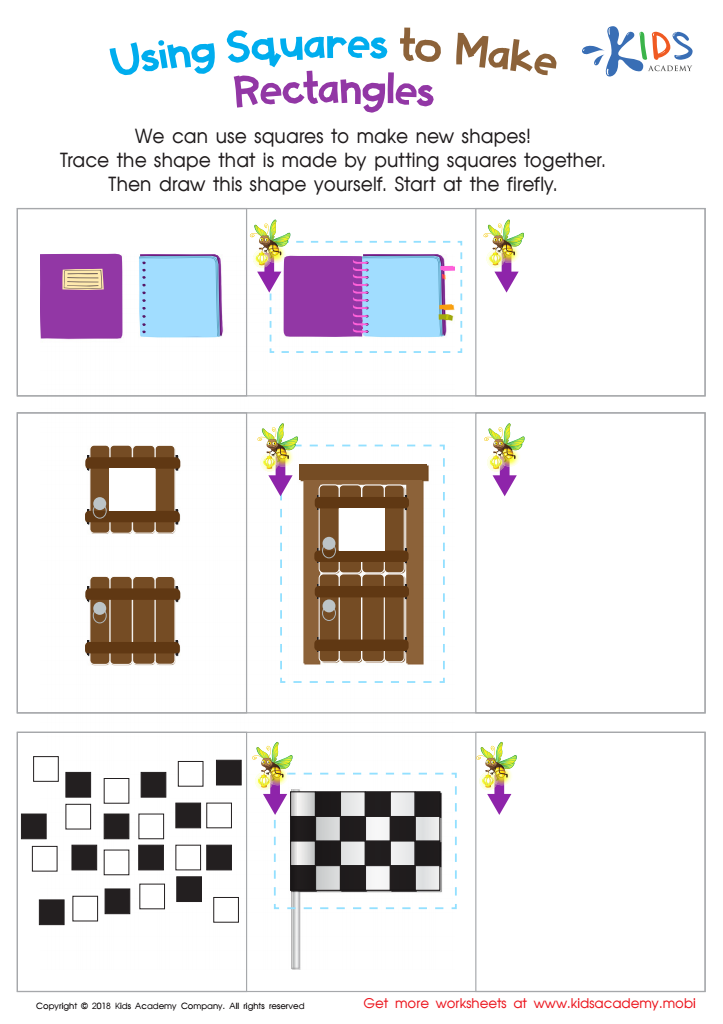
Using Squares to Make Rectangles Worksheet
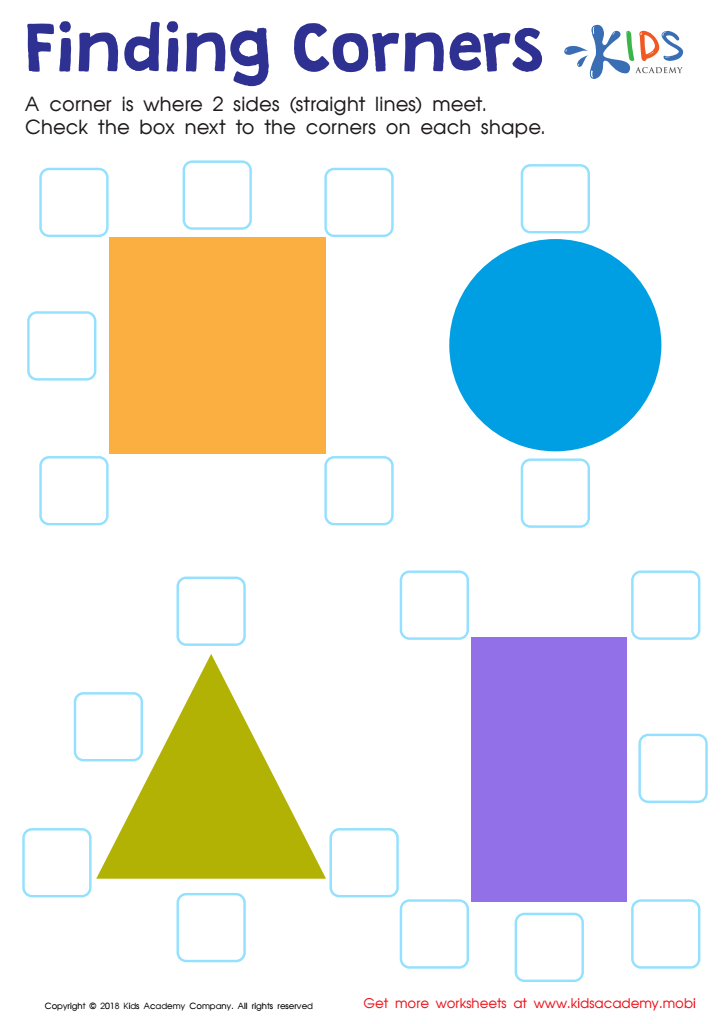
Finding Corners Worksheet
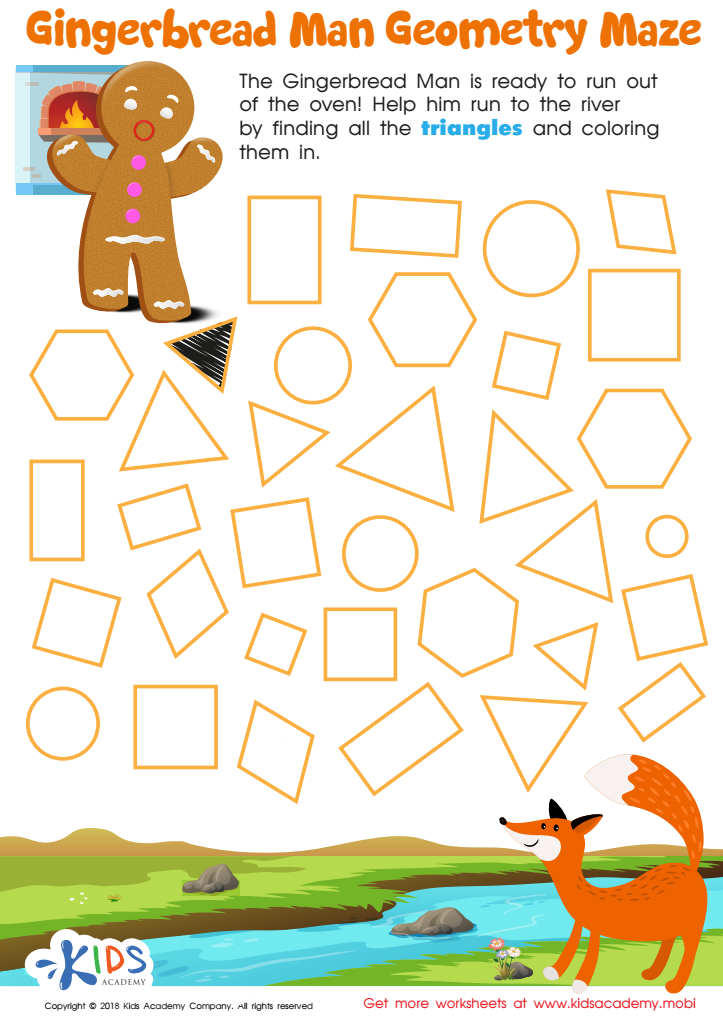
Gingerbread Man Geometry Maze Worksheet








Counting skills and an understanding of normal 2D shapes are foundational concepts for children aged 4 to 6, making them crucial for parents and teachers. These skills are not only pivotal for early math literacy but also play a significant role in overall cognitive development.
First, counting lays the groundwork for number sense, enabling children to recognize patterns and develop problem-solving abilities. Early exposure to numbers helps with future skills such as addition, subtraction, and basic arithmetic operations. Additionally, counting encourages fine motor skills when children manipulate objects to aid in learning.
Understanding normal 2D shapes—like squares, circles, triangles, and rectangles—helps children categorize and describe the world around them. These skills contribute to spatial awareness and visual perception. Recognizing and naming shapes are early steps in geometry, which will be built upon in later grades.
Furthermore, integrating counting with shape recognition through games and activities fosters critical thinking and teamwork, enhancing social skills. Engagement with these concepts can also support language development, as children learn to describe shapes and quantities.
Ultimately, instilling a solid foundation in counting and shapes empowers children for future academic success and enriches their everyday experiences. Therefore, it's essential for caregivers to prioritize these educational milestones.