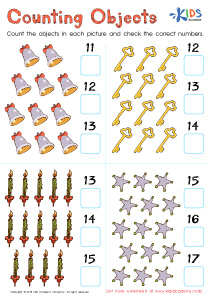
Counting skills Normal Place Value Worksheets for Ages 4-6
4 filtered results
-
From - To
Introduce your child to the world of numbers with our Counting Skills Normal Place Value Worksheets for Ages 4-6! Designed to build a strong math foundation, these engaging resources focus on counting, recognizing, and ordering numbers, while reinforcing the concept of place value. Perfectly tailored for young learners, each worksheet offers fun activities, colorful graphics, and easy-to-follow instructions that make learning enjoyable. Help your little one boost their counting skills and develop early math confidence as they explore numbers, patterns, and sequences. Discover the joy of learning with our expertly crafted worksheets and watch your child's numerical skills flourish!
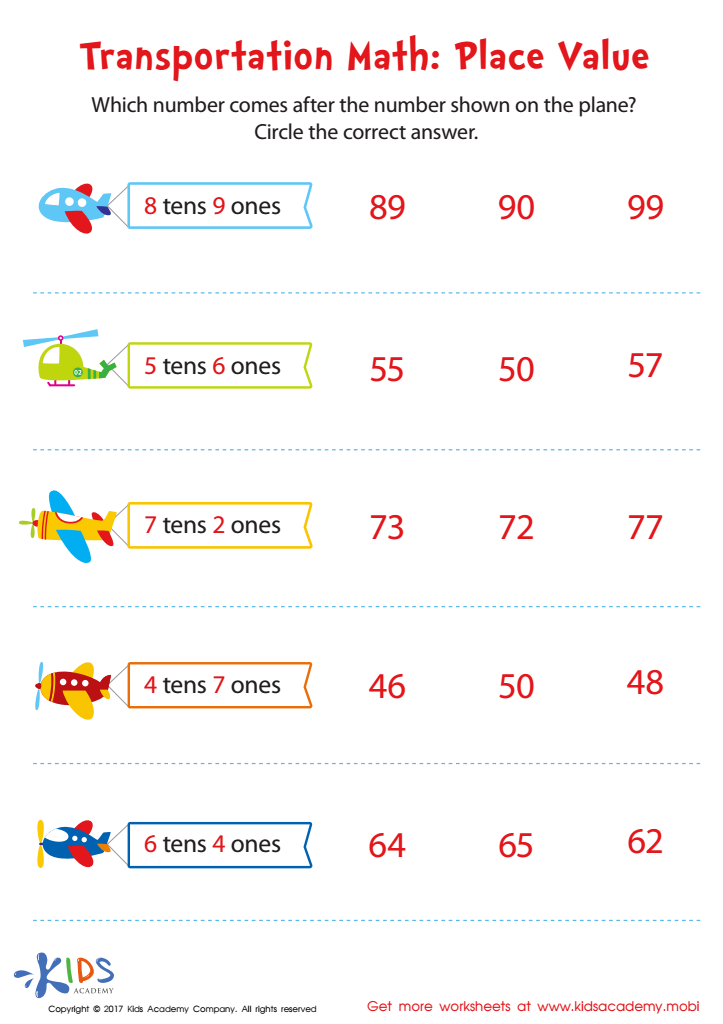
Transportation Math Printable
 Assign to My Students
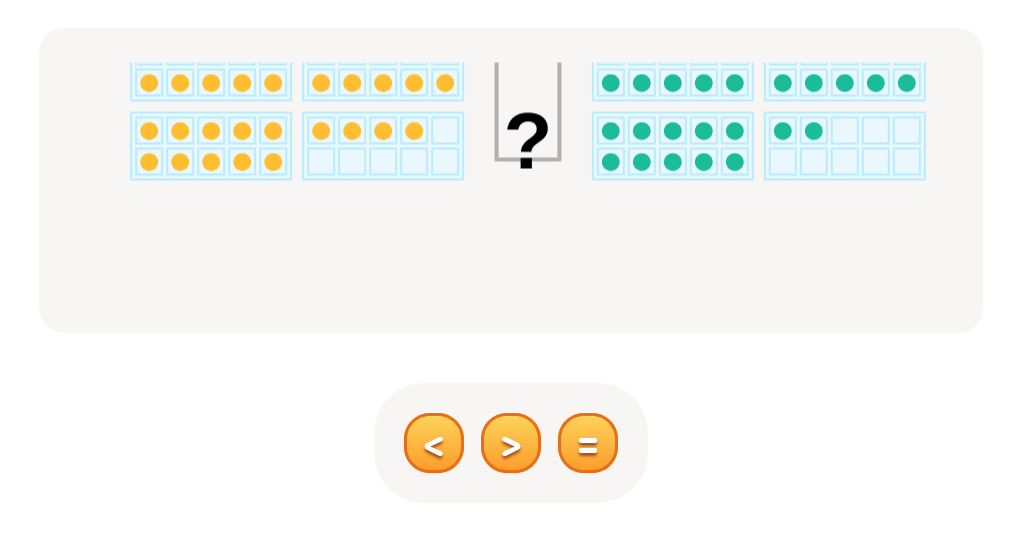

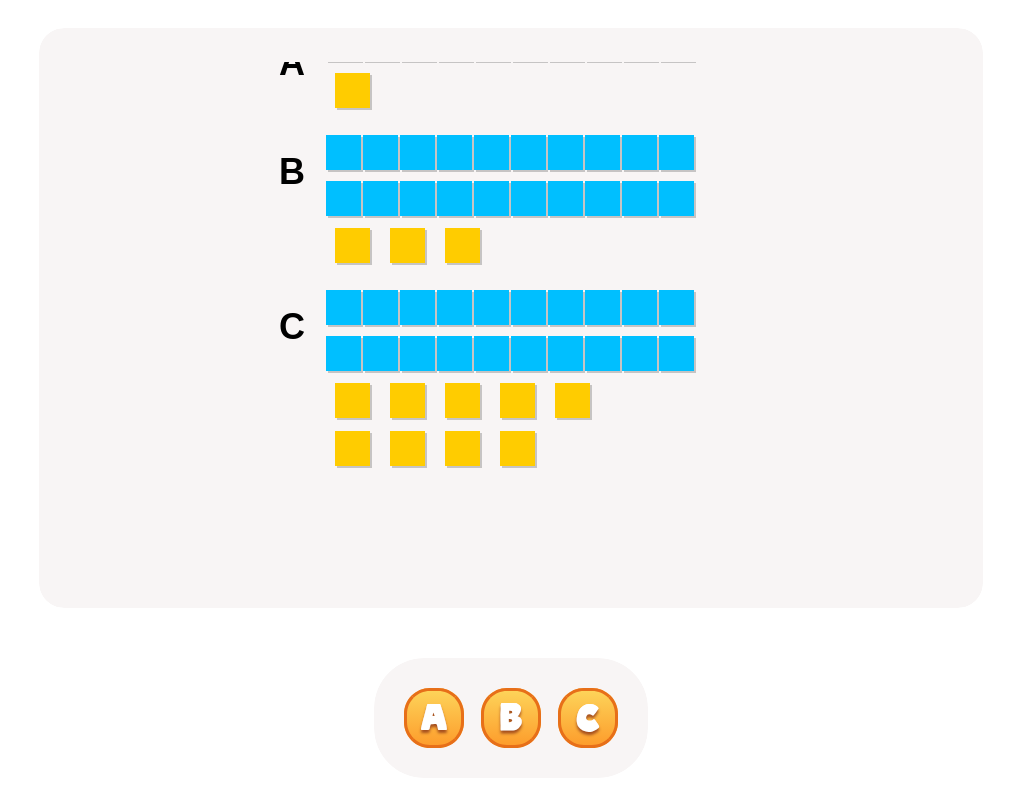
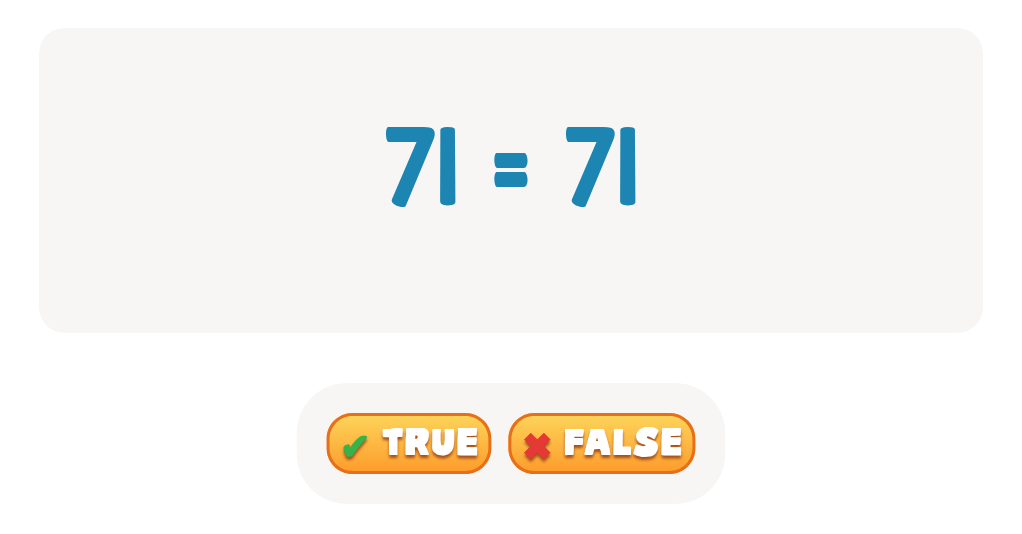
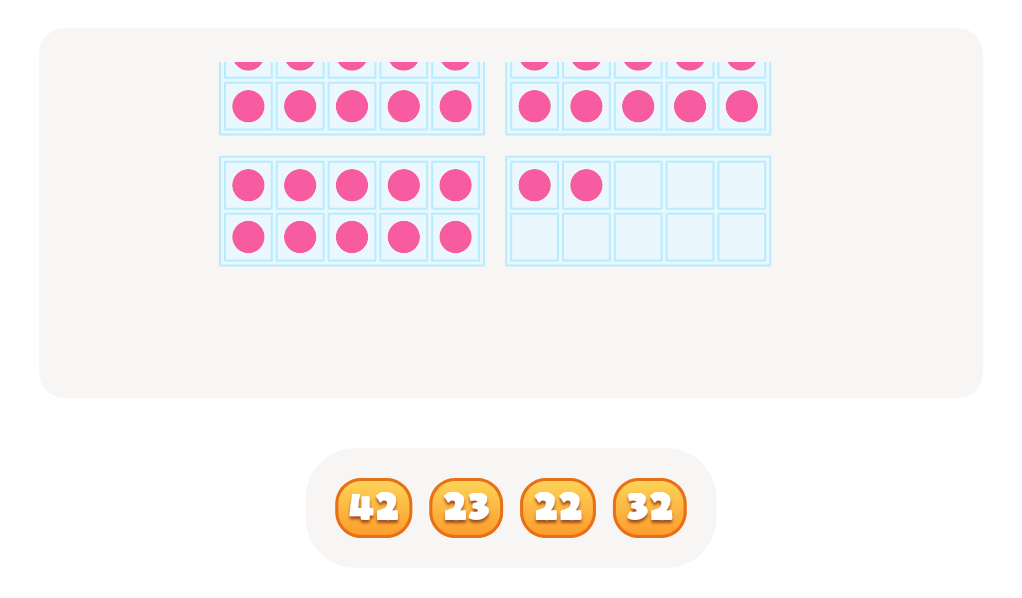
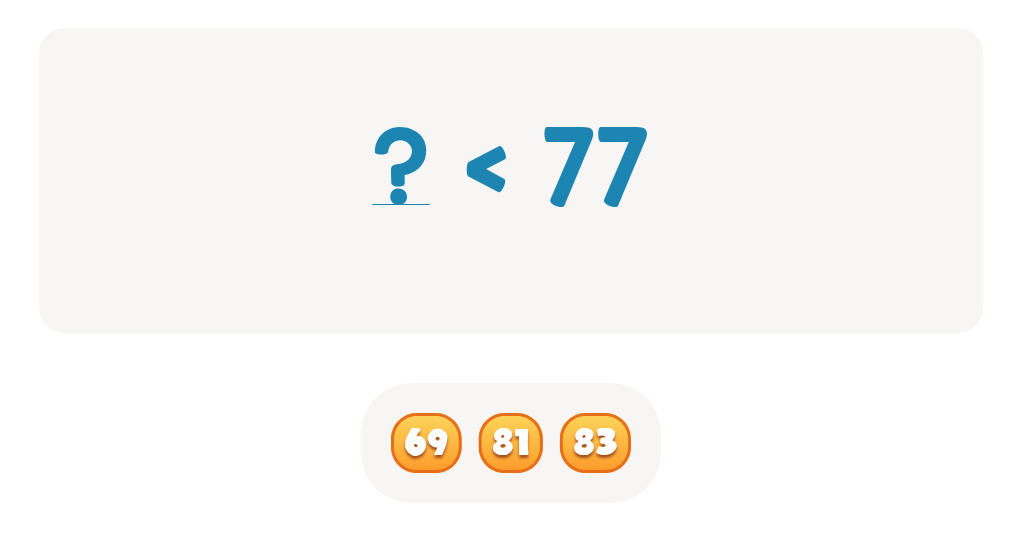
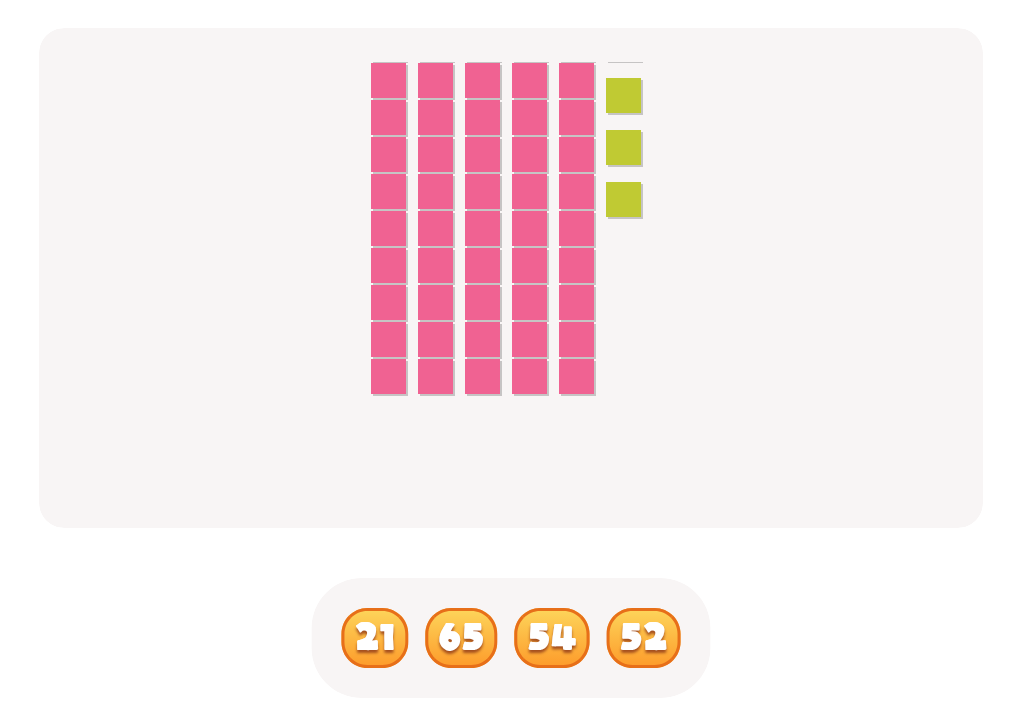
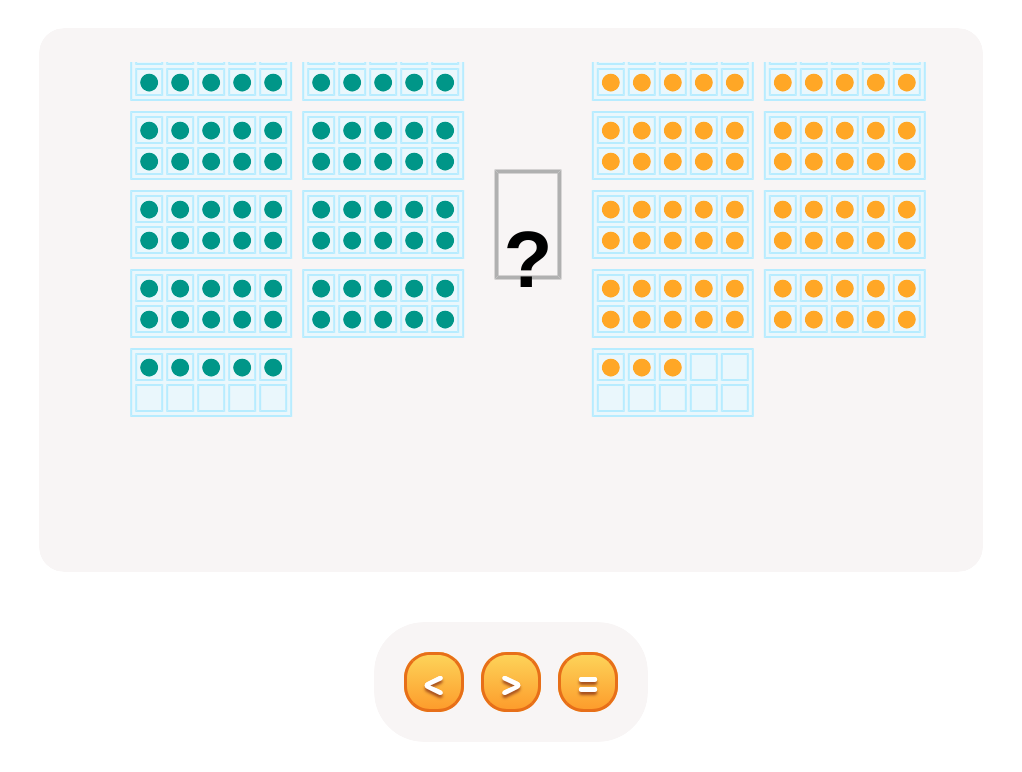
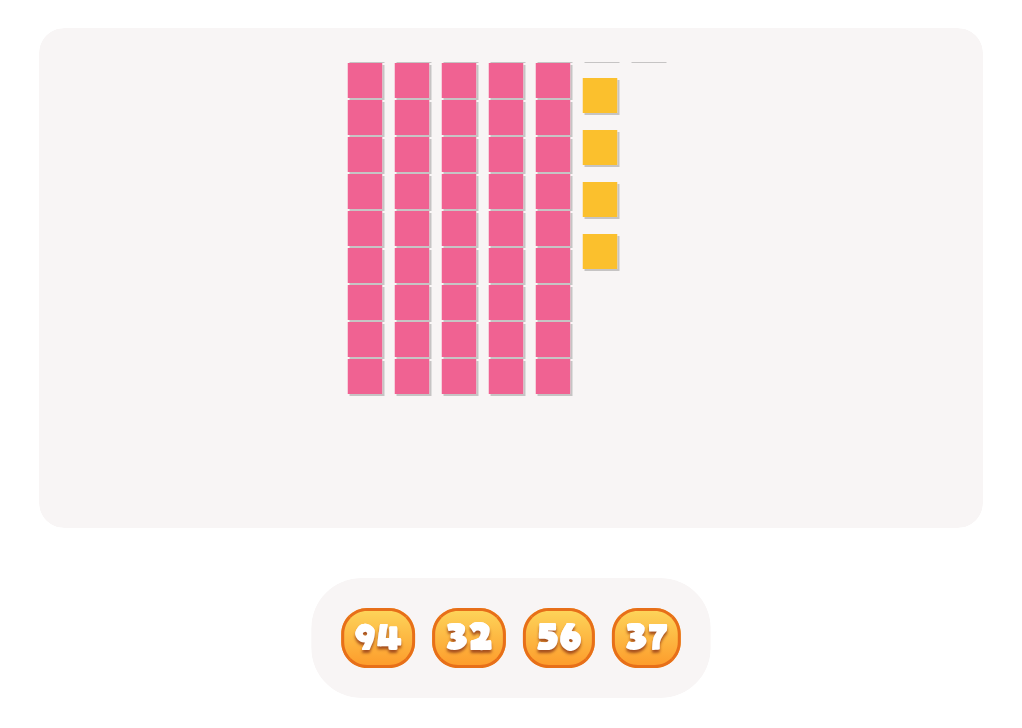
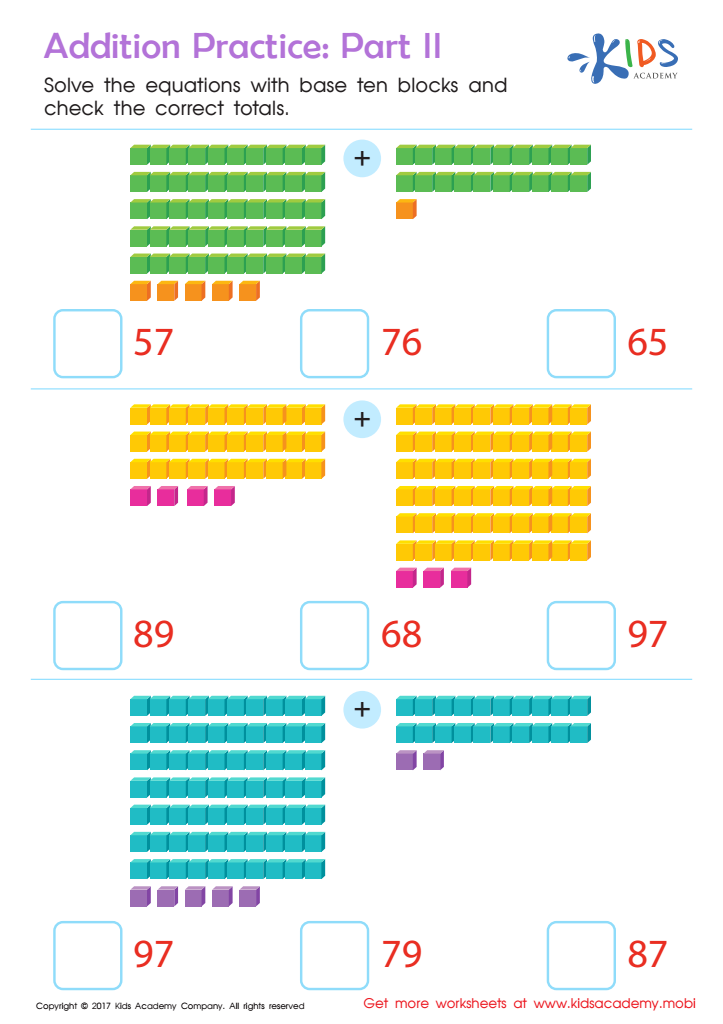
Addition Practice Sheet: Part 2
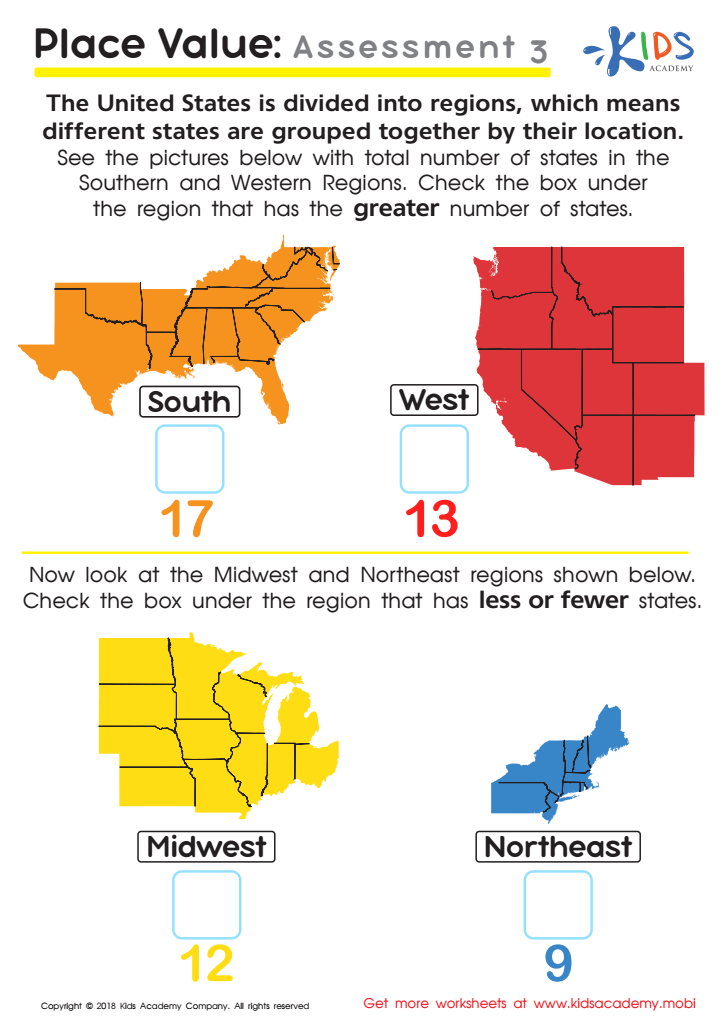
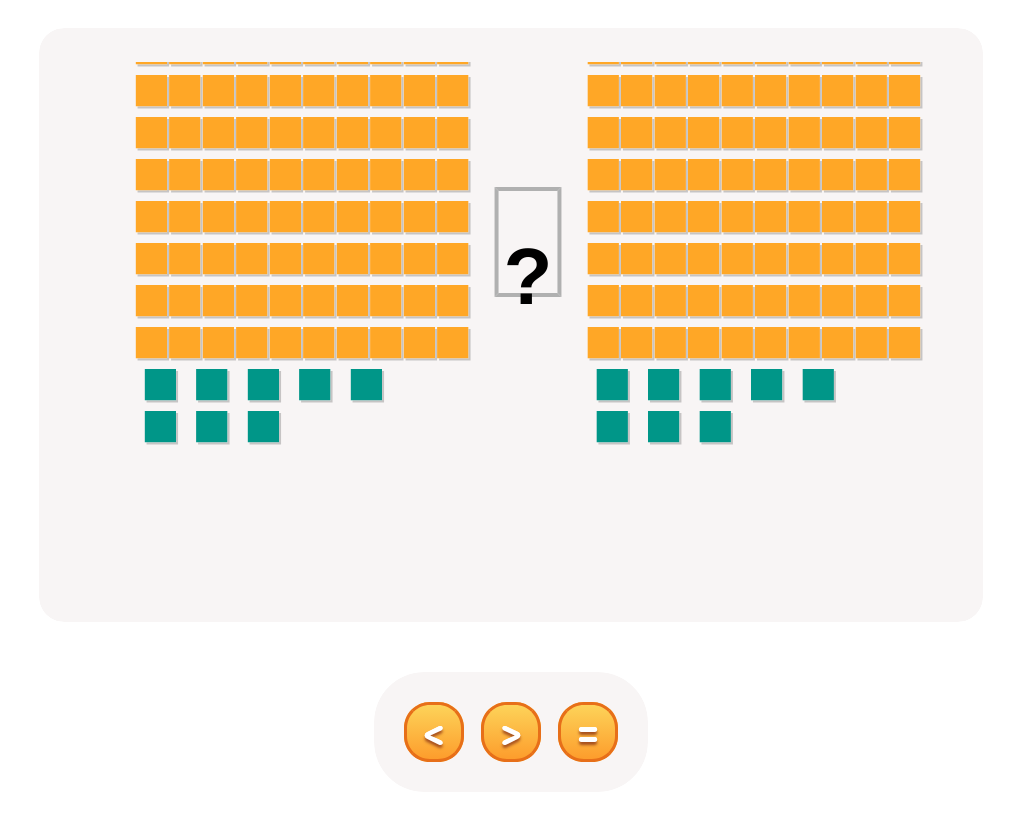
Place Value: Assessment 3 Worksheet
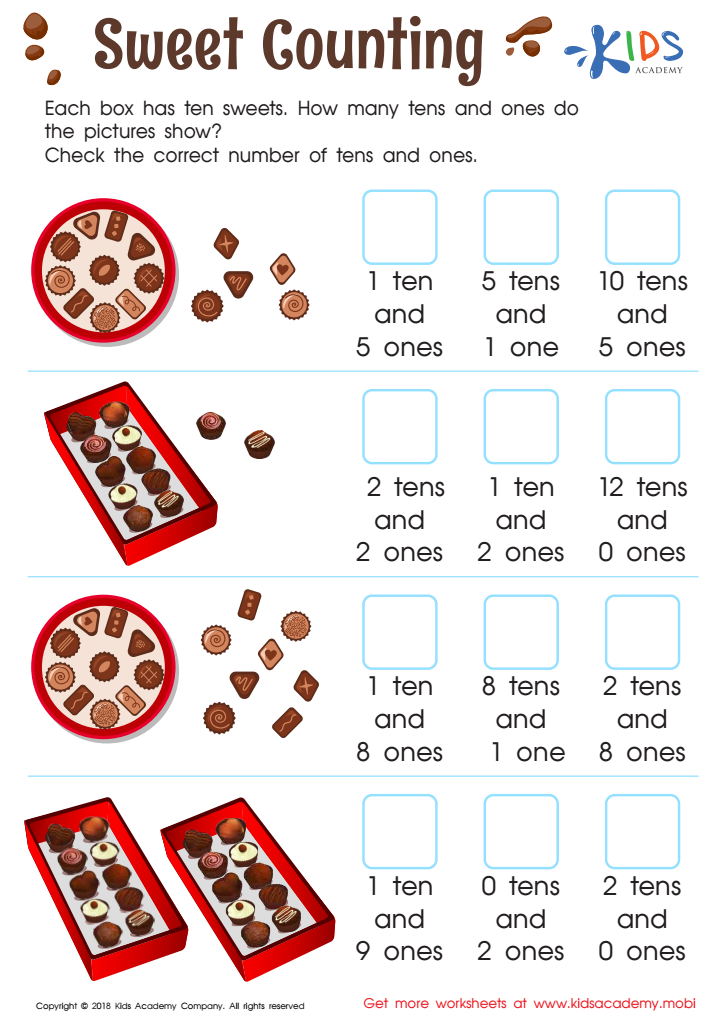
Sweet Counting - Part 2 Worksheet








Counting skills and understanding of place value are foundational for young children, typically aged 4-6, as they set the stage for future mathematical learning. Firstly, counting helps children understand numbers and their order, which is a basic math skill necessary for everyday tasks. It also aids in developing critical thinking and problem-solving abilities by introducing the concept of quantity and the relationship between numbers.
Understanding place value, on the other hand, teaches kids that the position of a digit in a number determines its value. This principle is essential for performing more complex arithmetic operations such as addition, subtraction, and eventually multiplication and division. When children grasp the idea of place value early, they gain a solid understanding of how our number system works, including concepts like 'tens' and 'ones'.
Moreover, these skills are not just limited to math; they help in other areas too. Counting and place value fundamentals promote logical thinking, enhance cognitive development, and encourage academic confidence. Mastery of these concepts in the early years ensures that children are well-prepared for advanced mathematical concepts, thereby reducing the likelihood of math-related anxiety in later school years.
By supporting early counting and place value concepts, parents and teachers lay a strong educational foundation that benefits children throughout their schooling and beyond.