Critical Thinking Normal Building Vocabulary Worksheets for Ages 4-6
8 filtered results
-
From - To
Enhance your child's vocabulary and critical thinking skills with our engaging "Critical Thinking Normal Building Vocabulary Worksheets" designed for ages 4-6. These thoughtfully crafted worksheets provide fun, interactive exercises that encourage young learners to think analytically while expanding their word knowledge. Each activity promotes creative problem-solving and reinforces language concepts through enjoyable games and relatable scenarios. Perfect for preschool and early grade students, these worksheets seamlessly integrate learning into play. Help your child develop essential skills that will foster their confidence and readiness for future academic challenges. Explore our collection today to inspire a love for learning and critical thinking in your little one!
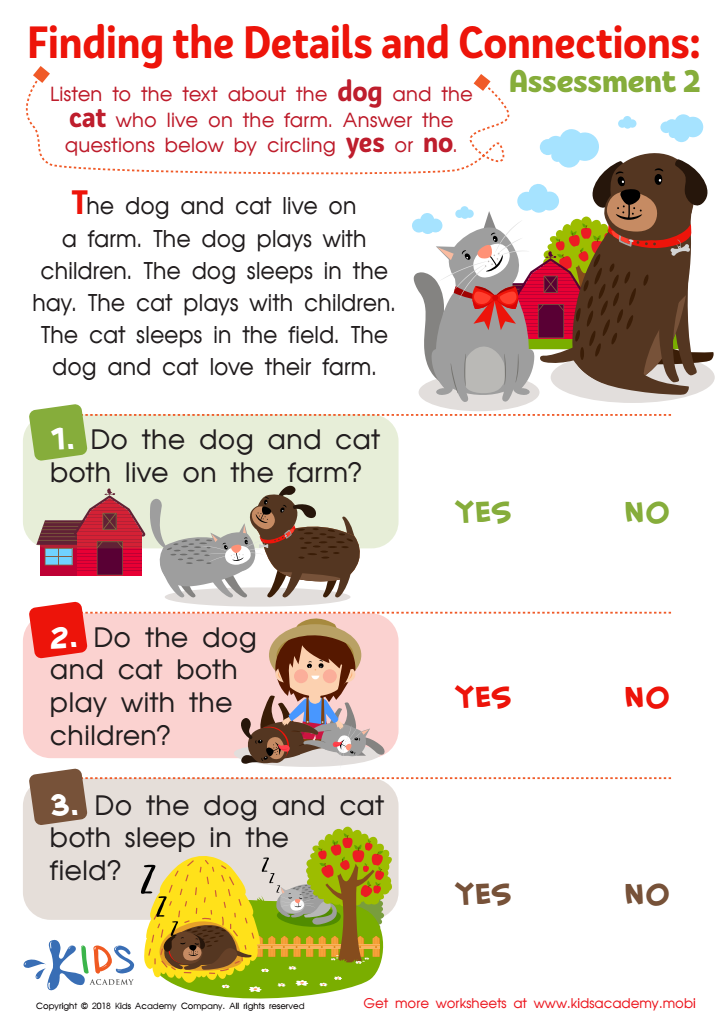
Finding the Details and Connections: Assessment 2 Worksheet
 Assign to My Students











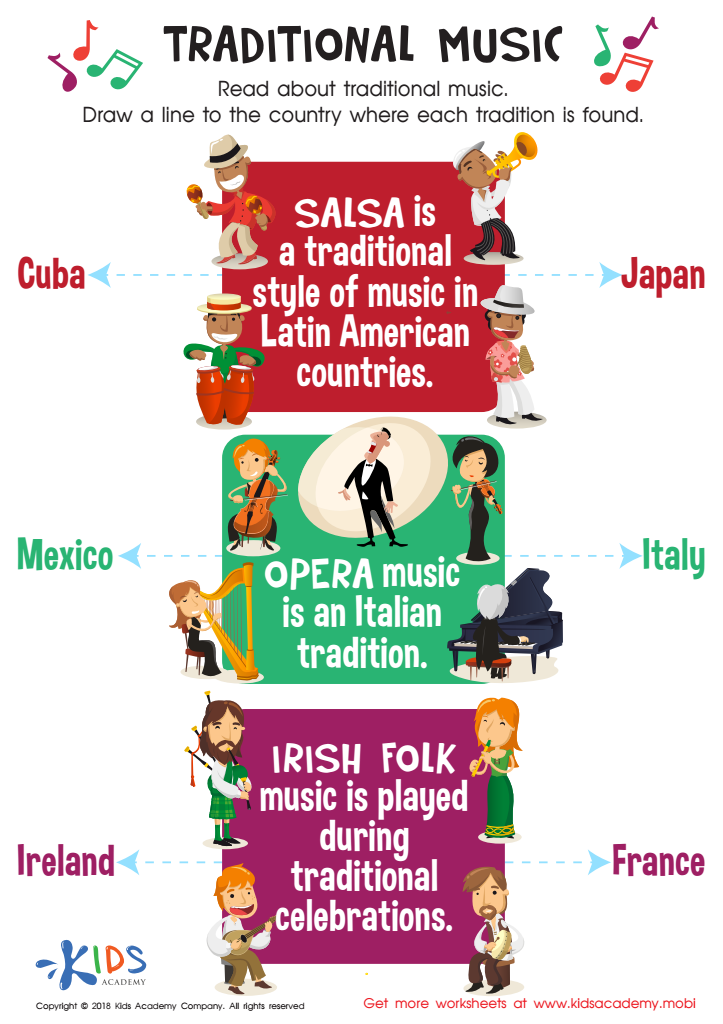
Traditional Music Worksheet
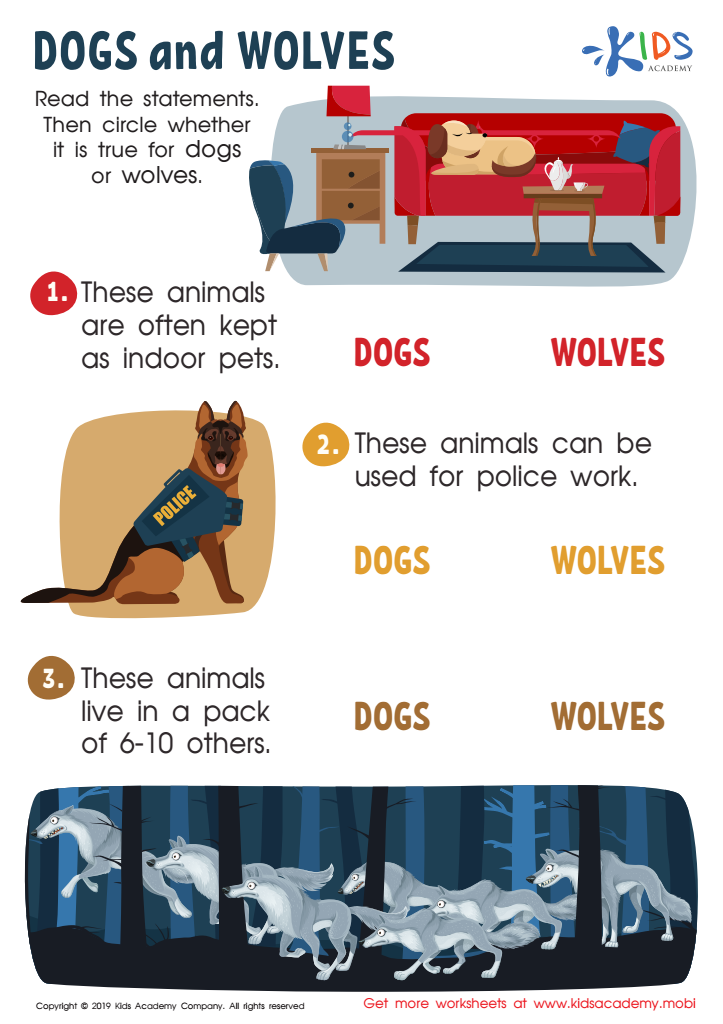
Dogs and Wolves Worksheet
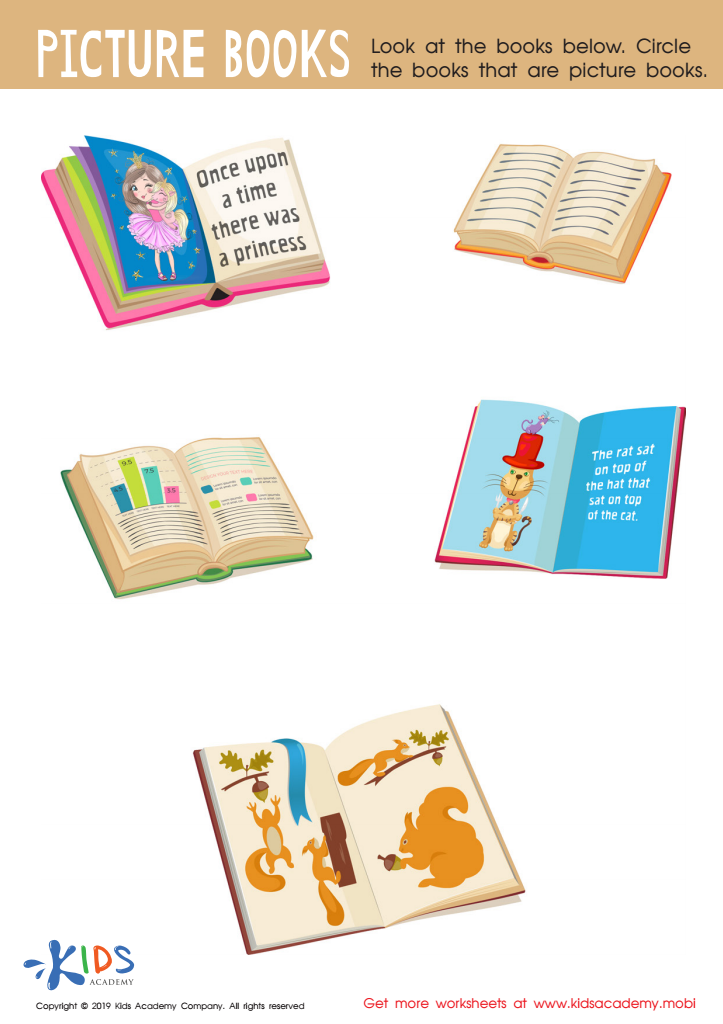
Picture Books Worksheet
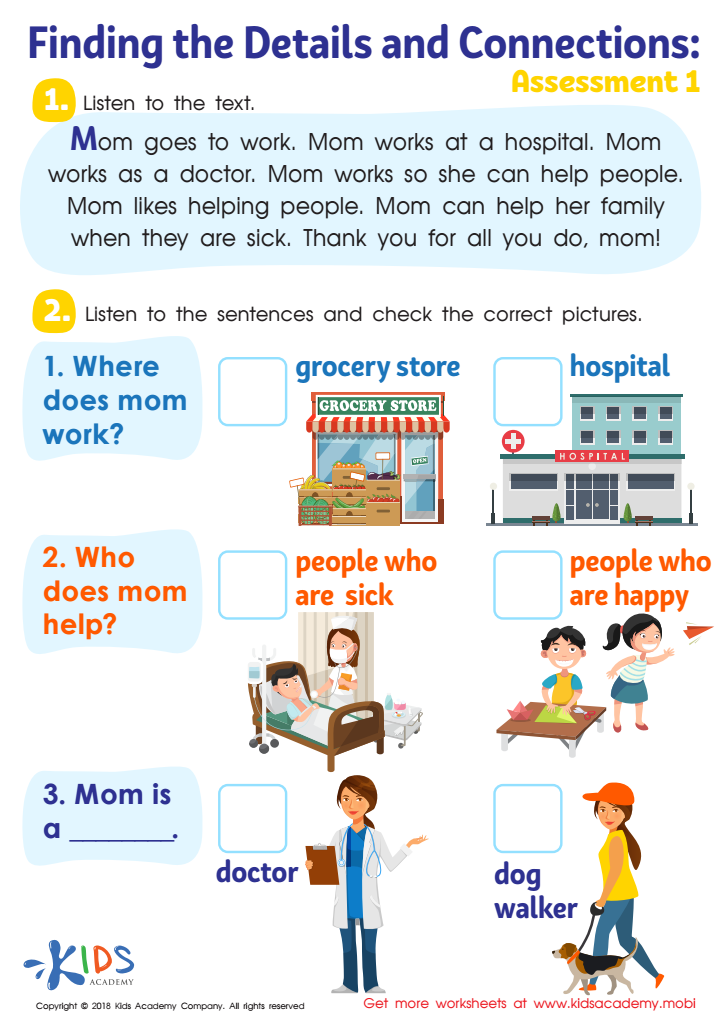
Finding the Details and Connections: Assessment 1 Worksheet
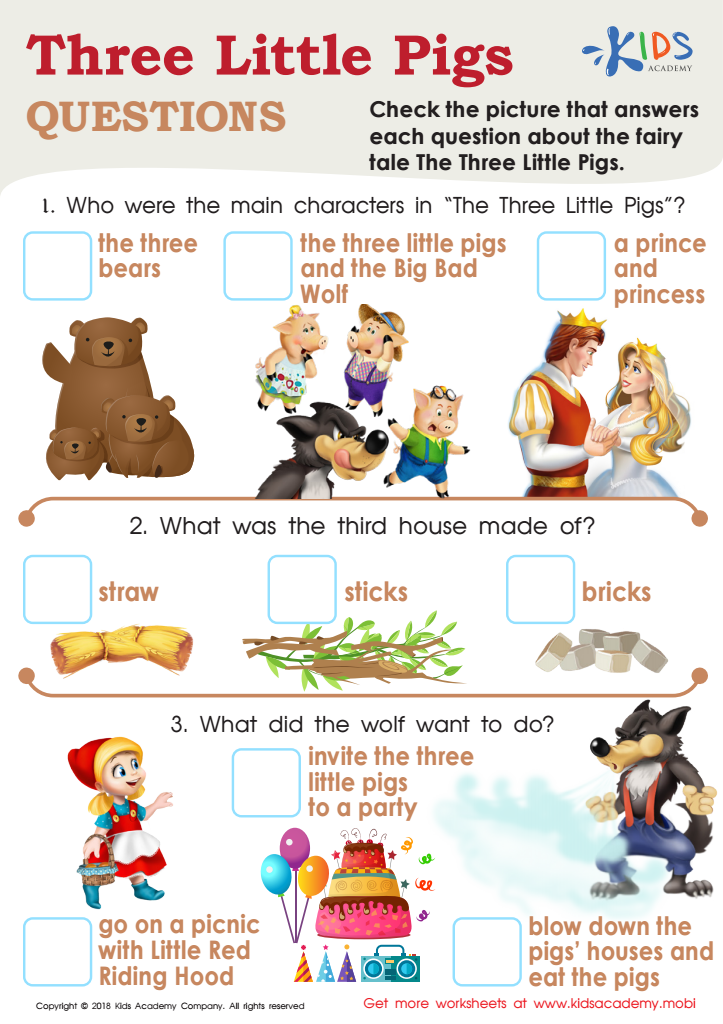
Three Little Pigs Questions Worksheet
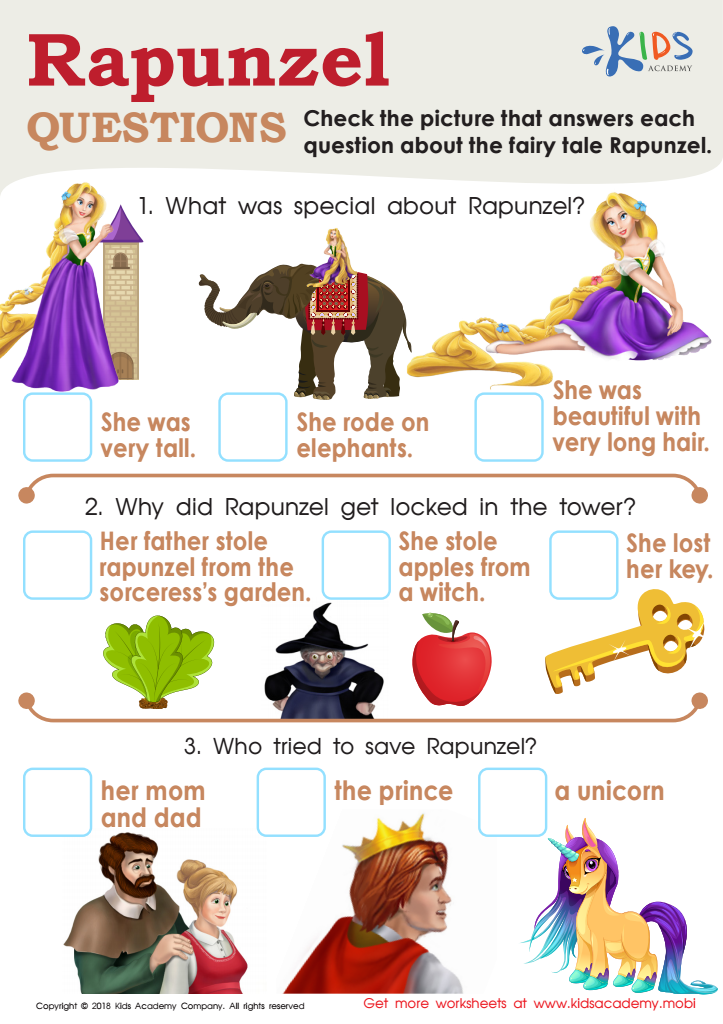
Rapunzel Questions Worksheet
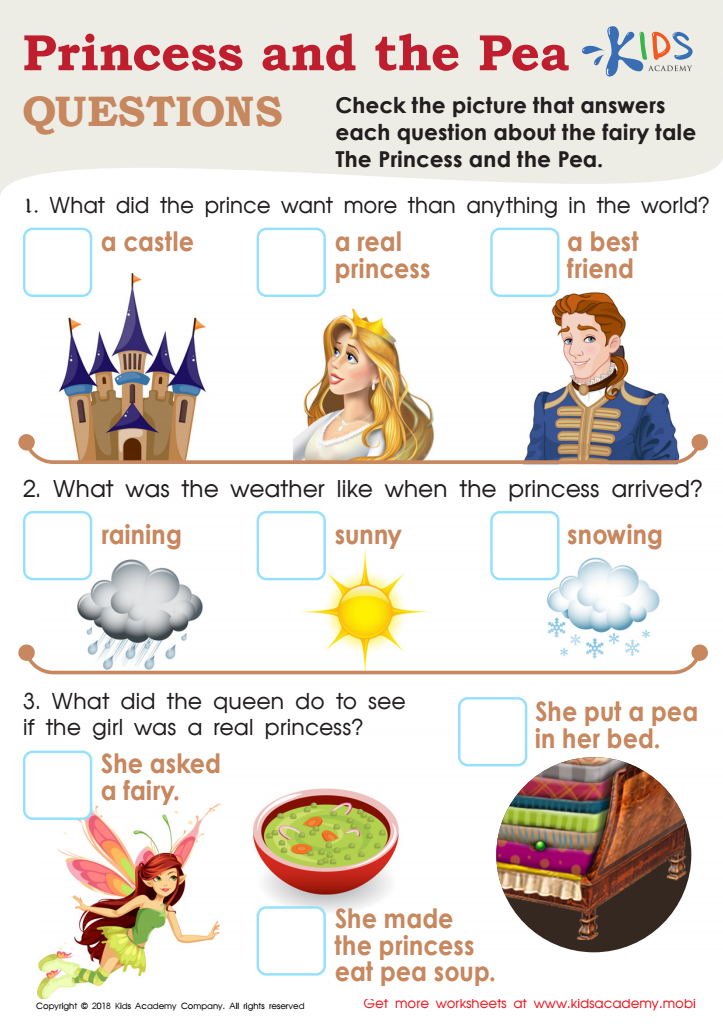
Princess and the Pea Questions Worksheet






.jpg)

Parents and teachers should prioritize building vocabulary and fostering critical thinking skills in children aged 4-6 because these foundational elements are crucial for cognitive development and lifelong learning. At this early stage, children are like sponges, actively absorbing language and ideas. A rich vocabulary empowers them to express thoughts and feelings, enhances communication skills, and facilitates understanding of new concepts. When children can articulate their ideas clearly, it boosts their confidence and encourages them to engage in conversations, which is essential for social interaction.
Moreover, promoting critical thinking at this age encourages curiosity and problem-solving. When children learn to ask questions, analyze information, and consider different perspectives, they develop essential skills to navigate the world around them. By engaging in discussions, participating in storytelling, and exploring new experiences, educators and parents can guide children through the process of exploring ideas, leading to better understanding and retention of knowledge.
Incorporating vocabulary building with critical thinking creates a synergy that not only cultivates a child's intellect but also nurtures their creativity and social-emotional growth. Ultimately, these skills lay the groundwork for effective learning experiences in school and beyond, making early childhood education a vital investment in a child's future.








