Hand-eye Coordination Normal Reading Worksheets for Ages 4-6
5 filtered results
-
From - To
Boost your child's learning with our Hand-Eye Coordination Normal Reading Worksheets, designed specifically for ages 4-6! These fun, engaging worksheets help young learners improve their fine motor skills and reading abilities through a variety of interactive activities. Focusing on tracing, matching, and drawing, our expertly crafted materials support early literacy development while enhancing coordination. Perfect for use at home or in the classroom, these worksheets make reading practice enjoyable. Ensure your child builds a strong foundation in both reading and movement skills—browse and download our worksheets today to get started on the path to success!
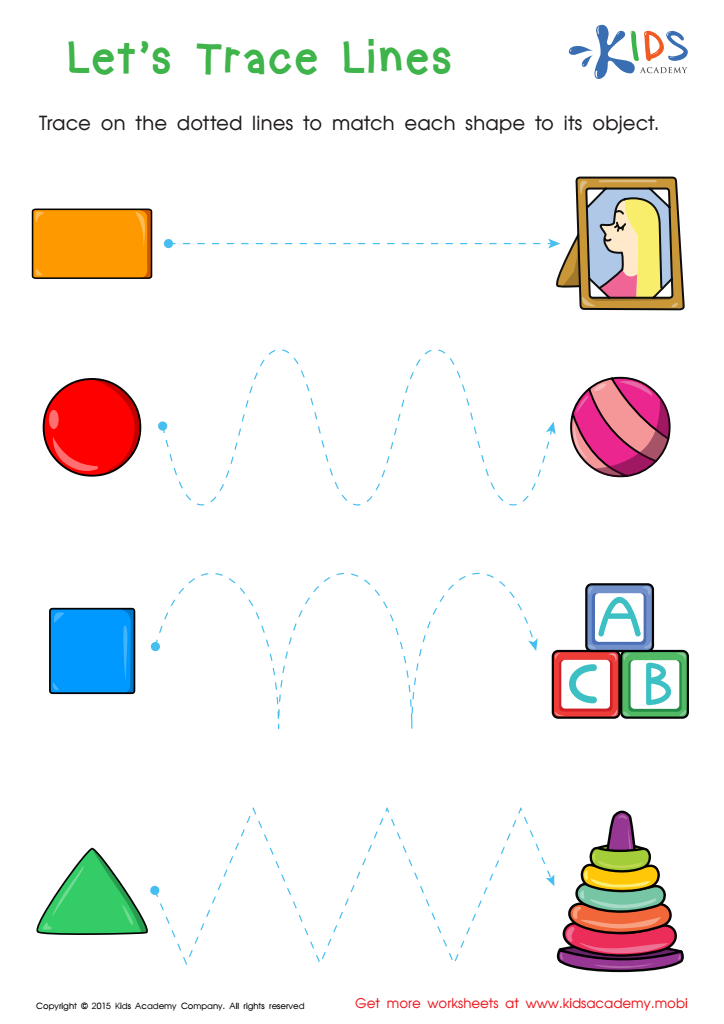
First Words: Let's Trace Lines Worksheet

Long and Short U Worksheet
 Assign to My Students
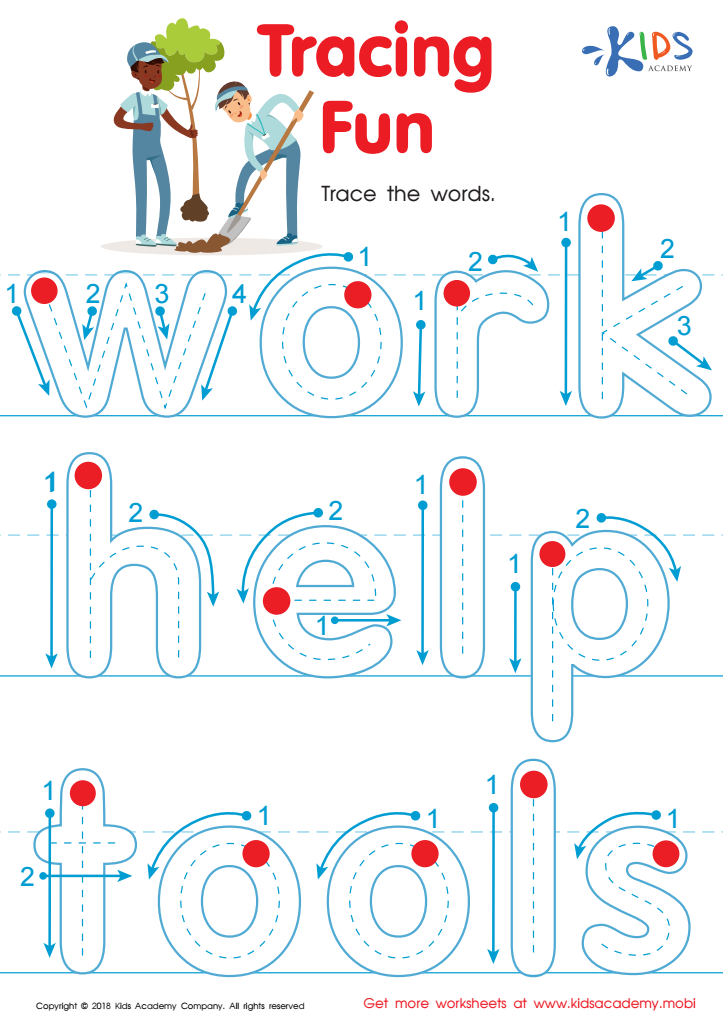
Tracing Fun Worksheet
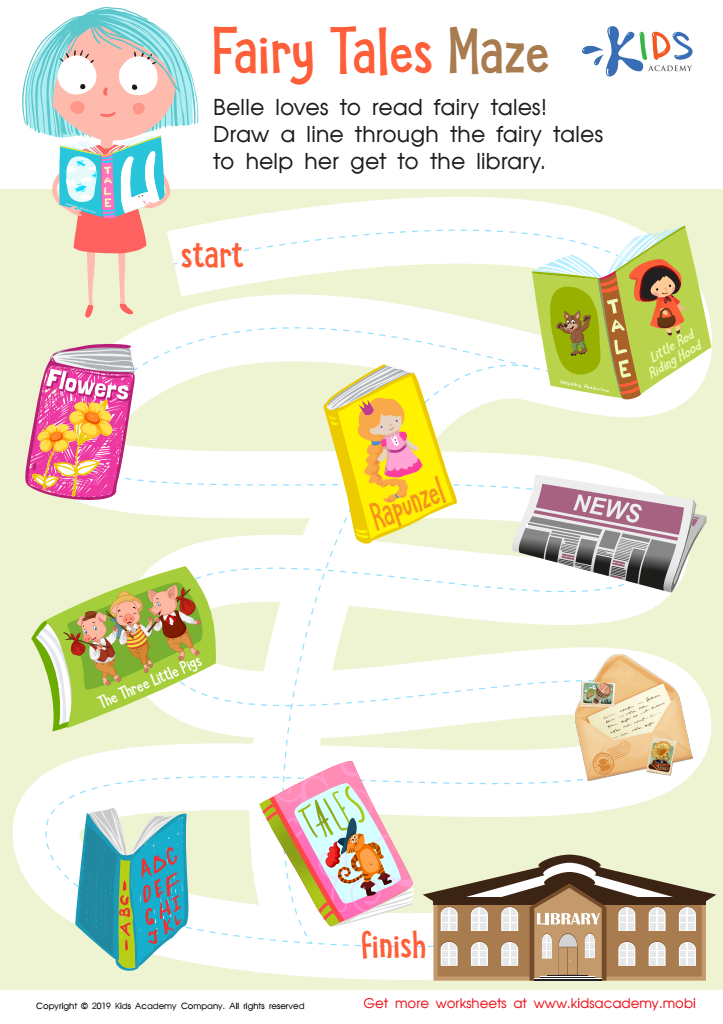
Fairy Tales Maze Worksheet
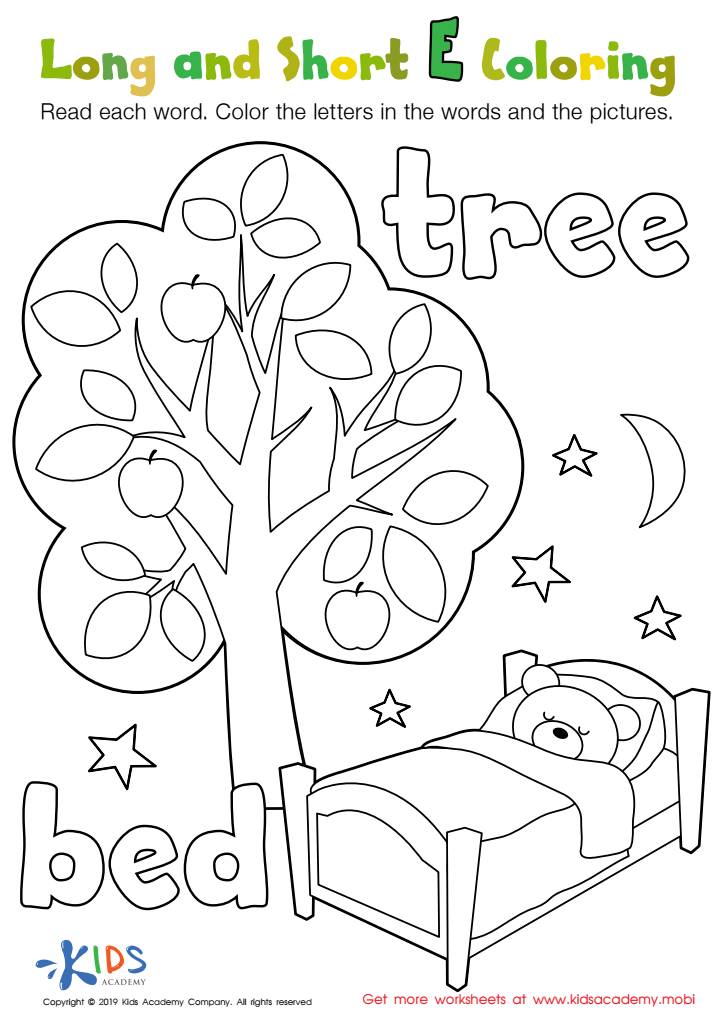
Long and Short E Worksheet
Assign to My Students








Hand-eye coordination and normal reading development for children aged 4-6 are crucial cornerstones for their intellectual and physical growth, as well as future academic success. Hand-eye coordination, the ability to track the movement of the hands with the eyes, is fundamental in activities ranging from simple block building to writing and sports. For example, good hand-eye coordination helps children learn to write legibly, use scissors safely, and enhances their ability to play games that require catching, throwing, or other precise movements.
Additionally, developing strong hand-eye coordination lays a foundation for many educational tasks. When it comes to reading, children aged 4-6 undergo dramatic growth in recognizing letters, words, and comprehension skills. The development of hand-eye coordination assists in early reading behaviors like tracking text from left to right and turning pages. Early and efficient reading skills are directly linked to better academic performance later in life, enhancing cognitive development, concentration, and memory skills.
Promoting practices that enhance both hand-eye coordination and reading abilities, such as puzzles, drawing, interactive reading, or playing matching games, enriches children’s educational experiences. It prepares them for more complex tasks, thereby giving them a significant advantage as they progress through school. This dual focus helps mold well-rounded, capable, and confident learners, ready to tackle the challenges of the modern educational landscape.








