Vocabulary enhancement Normal Physical Science Worksheets for Ages 4-6
4 filtered results
-
From - To
Enhance your child's vocabulary and understanding of physical science with our engaging worksheets designed for ages 4-6! These expertly crafted activities blend fun and learning, helping young learners grasp essential science terms while reinforcing their reading and comprehension skills. Each worksheet includes colorful illustrations and simple explanations tailored for young minds, ensuring an enjoyable educational experience. By exploring various physical science concepts, children will expand their vocabulary, develop critical thinking skills, and ignite a lifelong love for science. Perfect for parents and educators seeking to support early educational growth, our worksheets are an excellent addition to any curriculum or at-home learning routine.
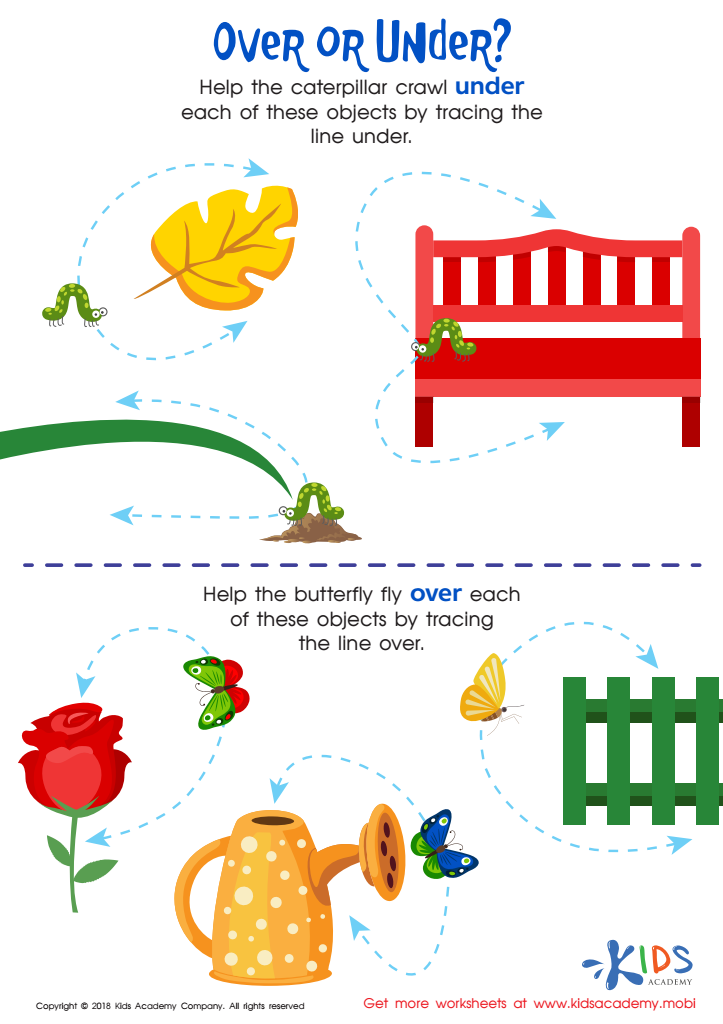
Over or Under? Worksheet
 Assign to My Students
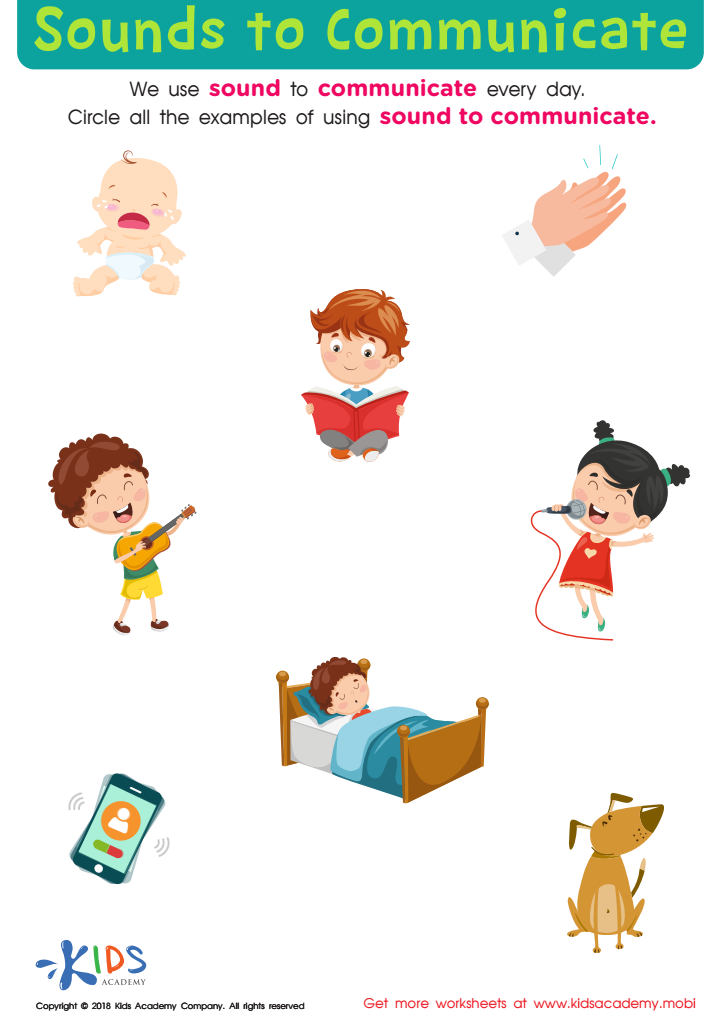
Sounds to Communicate Worksheet
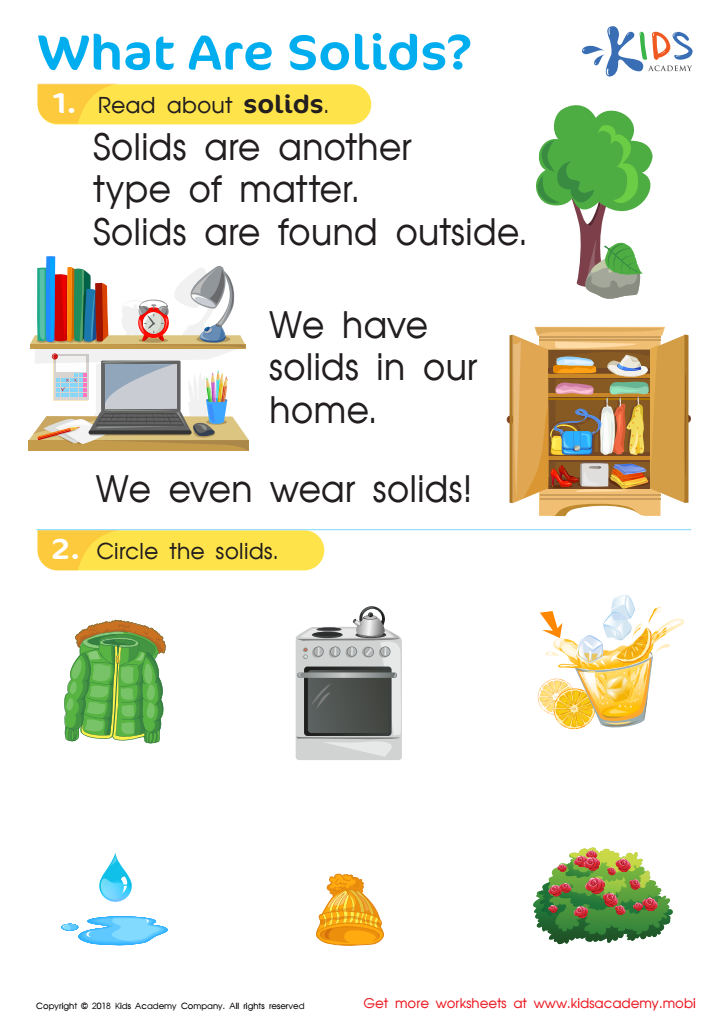
What Are Solids? Worksheet
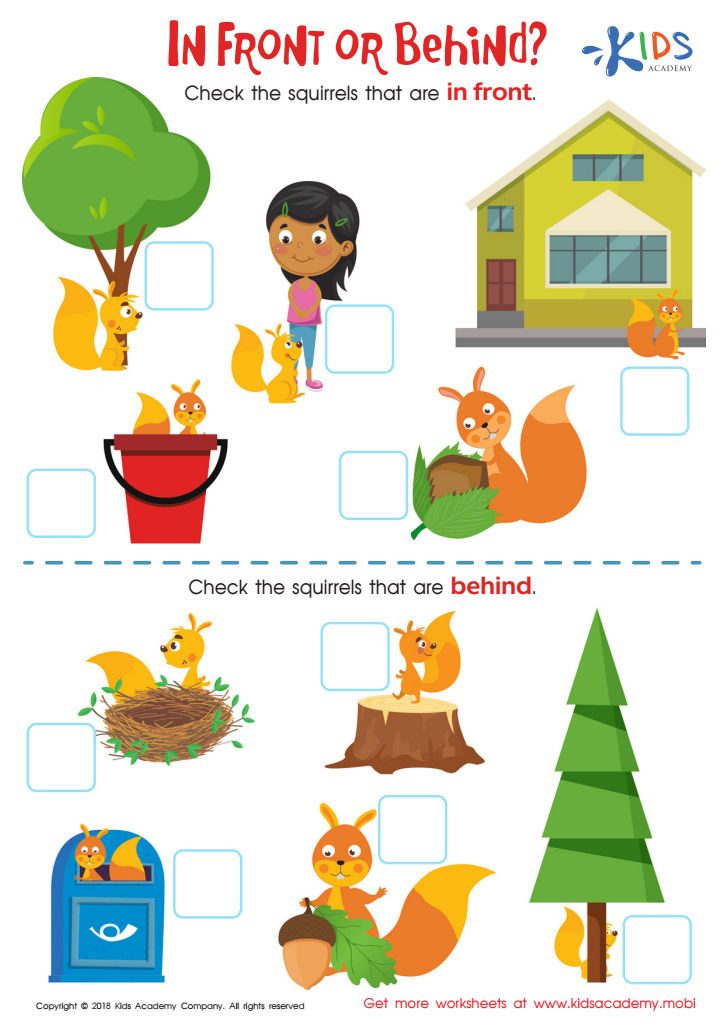
In Front or Behind: Part 2 Worksheet






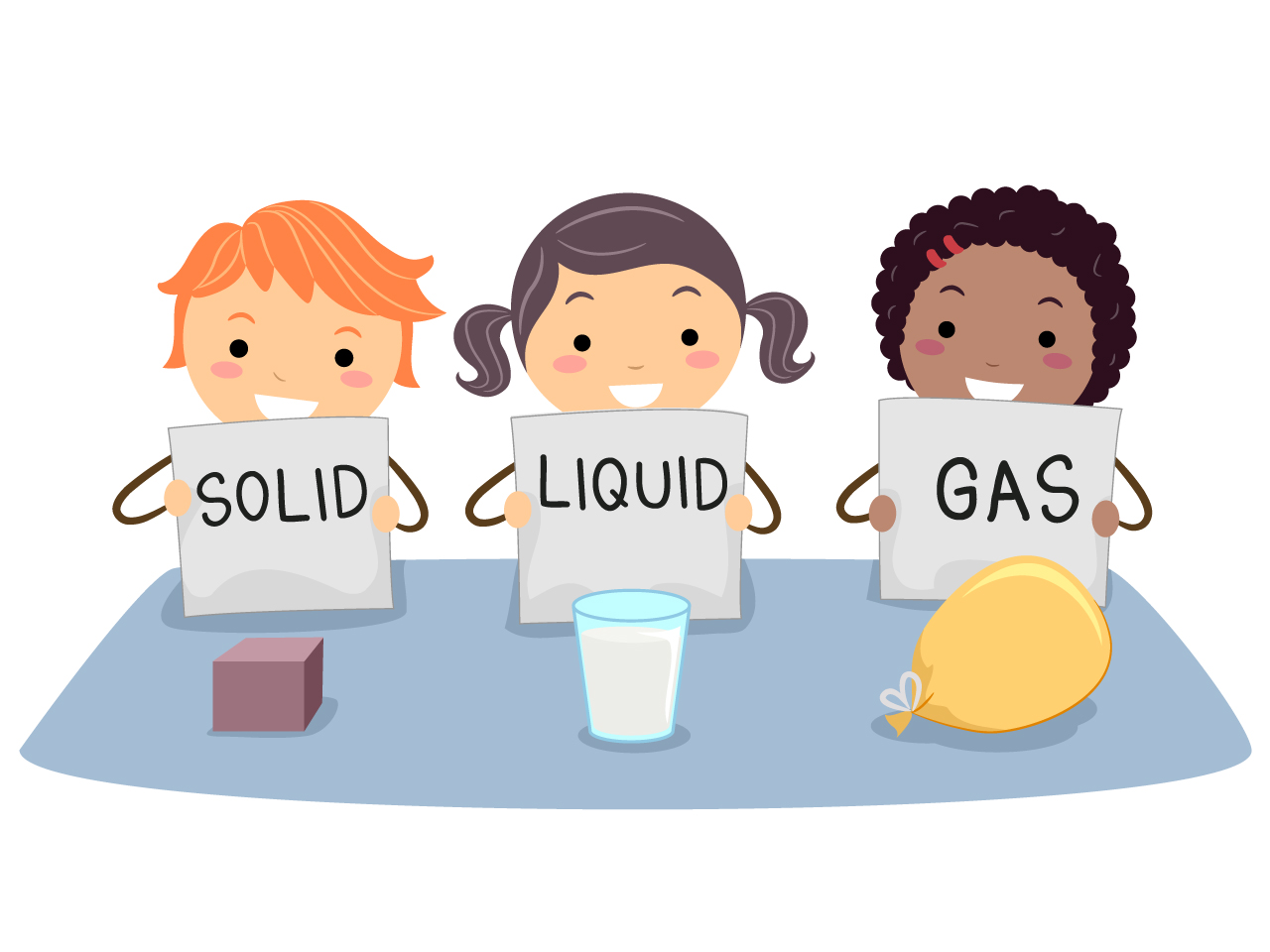

Vocabulary enhancement in the context of normal physical science for children ages 4-6 is crucial for several developmental reasons. At this formative stage, young children are like sponges, eager to explore and understand the world around them. By introducing them to scientific terminology and concepts, parents and teachers can significantly improve their cognitive development and language skills, laying a solid foundation for future learning.
First, early exposure to science vocabulary enriches a child’s language and communication abilities. Knowing specific terms empowers children to describe their experiences and observations more accurately, fostering better expression and comprehension. As they learn words like "gravity," "motion," and "magnet," they build a stronger mental framework for understanding how the world works.
Second, integrating physical science into early education sparks curiosity and promotes critical thinking. As children learn about natural phenomena, they start asking questions and making connections, developing problem-solving skills. Understanding basic scientific concepts helps them make sense of everyday occurrences and nurtures a lifelong interest in learning.
Finally, a strong vocabulary in physical science can boost a child’s confidence. When children successfully articulate their thoughts, they feel validated and more willing to engage in discussions and experiments. This newfound confidence promotes a positive attitude toward schooling and academic pursuits.
In summary, vocabulary enhancement in physical science for young children is vital for their overall academic and personal growth, ensuring they become articulate, inquisitive, and confident learners.







