Hand-eye Coordination Normal ABC Letters Worksheets for Ages 4-7
5 filtered results
-
From - To
Enhance your child's hand-eye coordination while they explore the wonders of the alphabet with our Normal ABC Letters Worksheets, designed specifically for ages 4-7. These engaging worksheets allow young learners to practice essential writing skills by tracing and coloring letters, promoting fine motor skills development and cognitive engagement. Each activity is crafted to spark creativity and reinforce letter recognition through fun illustrations and interactive tasks. Ideal for home or classroom use, our worksheets provide a perfect blend of learning and play, ensuring that children build confidence in their abilities while mastering the fundamentals of literacy. Download now and watch their skills soar!
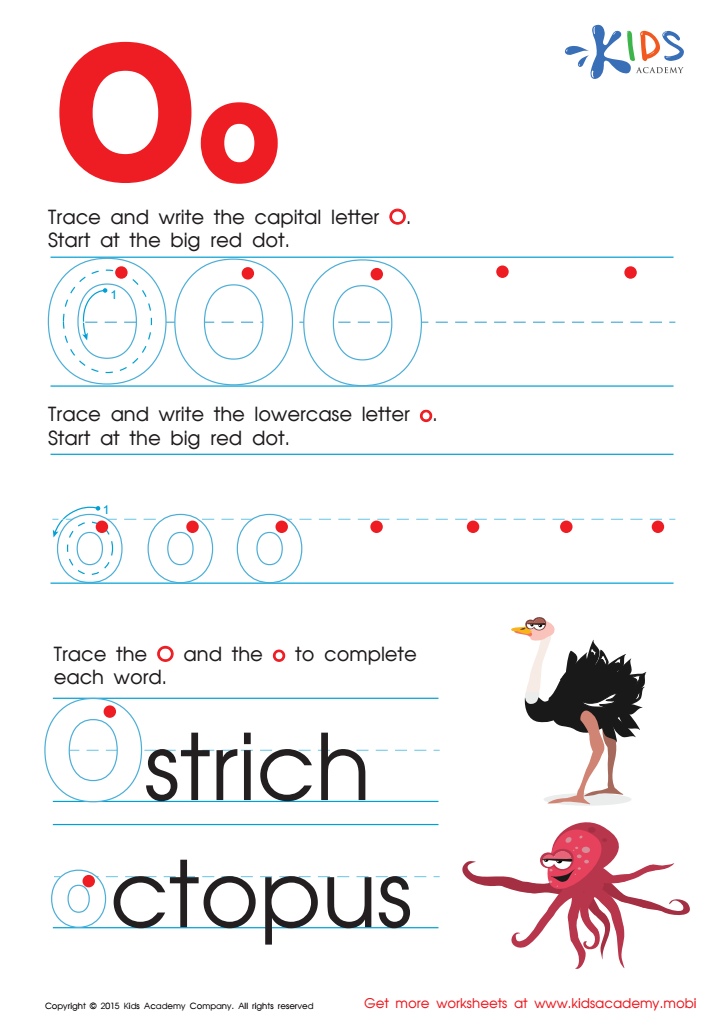
Letter O Tracing Page
 Assign to My Students








Letter P Tracing Page

Letter H Tracing Page
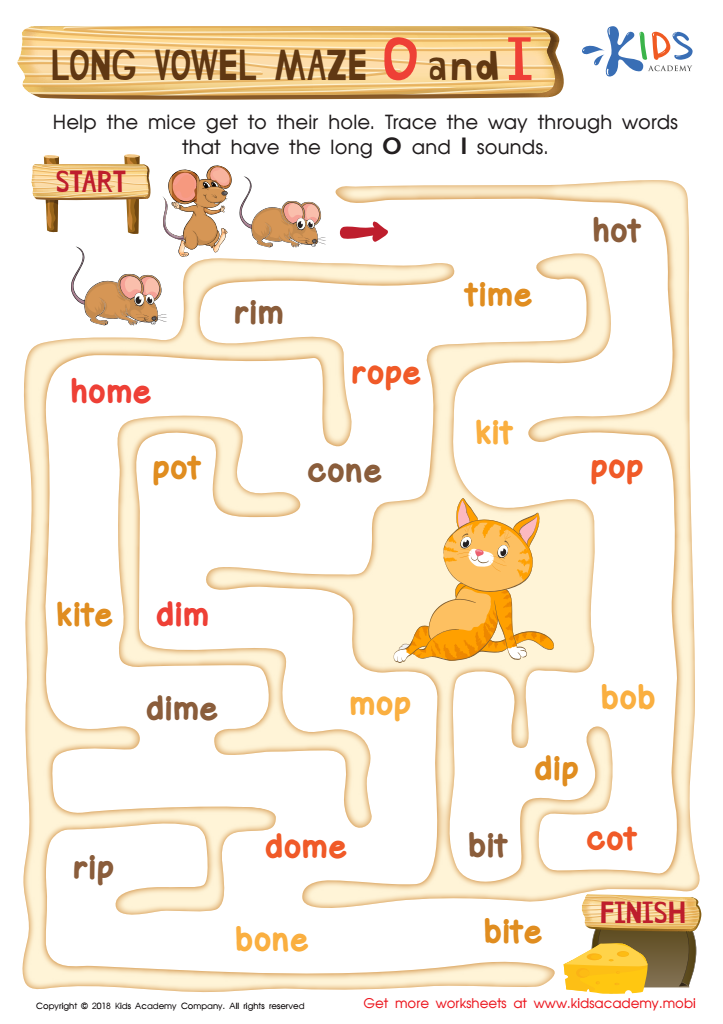
Long Vowel Maze /o/ and /i/ Worksheet

Letter D Tracing Page







Hand-eye coordination is a critical developmental skill for children aged 4-7, especially when it comes to learning the alphabet and foundational literacy skills. During this age, children are actively developing their motor skills, and strong hand-eye coordination directly influences their ability to write, draw, and engage in various learning activities. Mastering normal ABC letters requires the ability to focus visual attention on the forming letters, while simultaneously coordinating hand movements appropriately.
Parents and teachers should prioritize activities that enhance hand-eye coordination because it lays the groundwork for literacy and academic success. Engaging in simple tasks—like tracing letters, completing puzzles, or using crafting materials—provides multiple opportunities for children to practice and improve these important skills. Additionally, strong hand-eye coordination can build a child’s confidence, making them more willing to explore new activities and challenges.
Furthermore, fostering hand-eye coordination is crucial for social interactions; children who can skilfully engage in physical activities are often more adept at playing with peers, thereby enhancing their social skills as well. Overall, nurturing hand-eye coordination fosters not only academic advancement but also supports the overall development of children during these formative years.







