Alphabet Recognition Normal Alphabet Coloring Pages Worksheets for Ages 4-7
10 filtered results
-
From - To
Discover engaging "Alphabet Recognition Normal Alphabet Coloring Pages Worksheets for Ages 4-7" to enhance your child’s early literacy skills. Our vibrant, printable worksheets offer a fun and educational way for young learners to recognize and practice each letter of the alphabet. Designed for kids aged 4-7, these coloring pages help improve letter identification, fine motor skills, and hand-eye coordination. Perfect for preschoolers and early elementary students, these worksheets provide an interactive learning experience that fosters a love for reading and writing. Visit Kids Academy to download, print, and bring excitement to your child’s letter recognition journey!
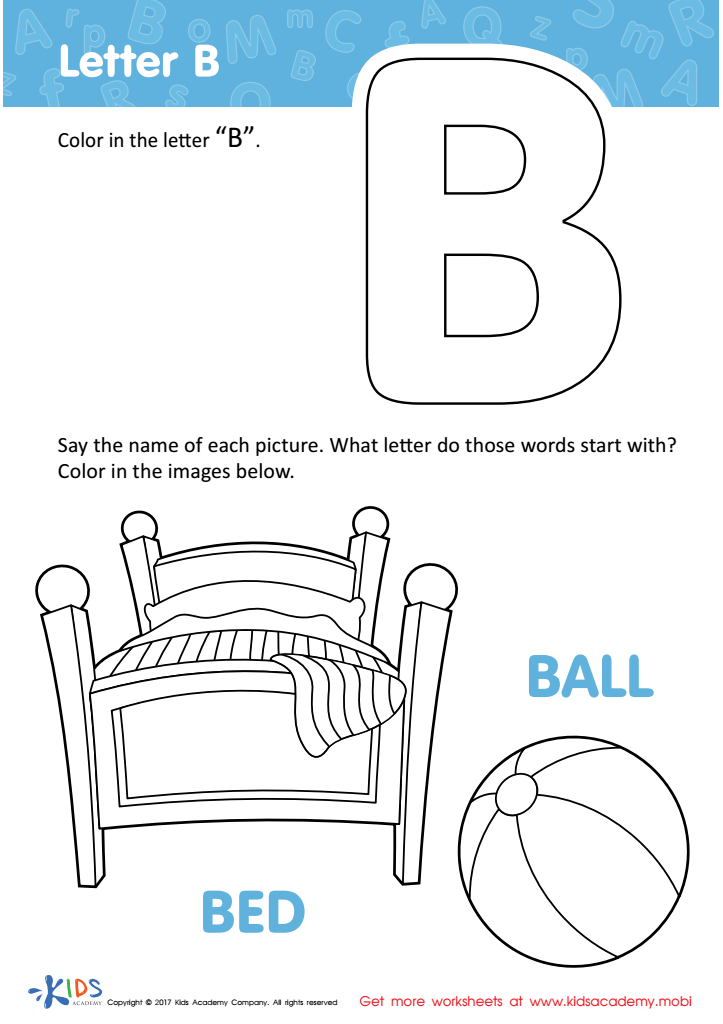
Letter B Coloring Sheet
 Assign to My Students
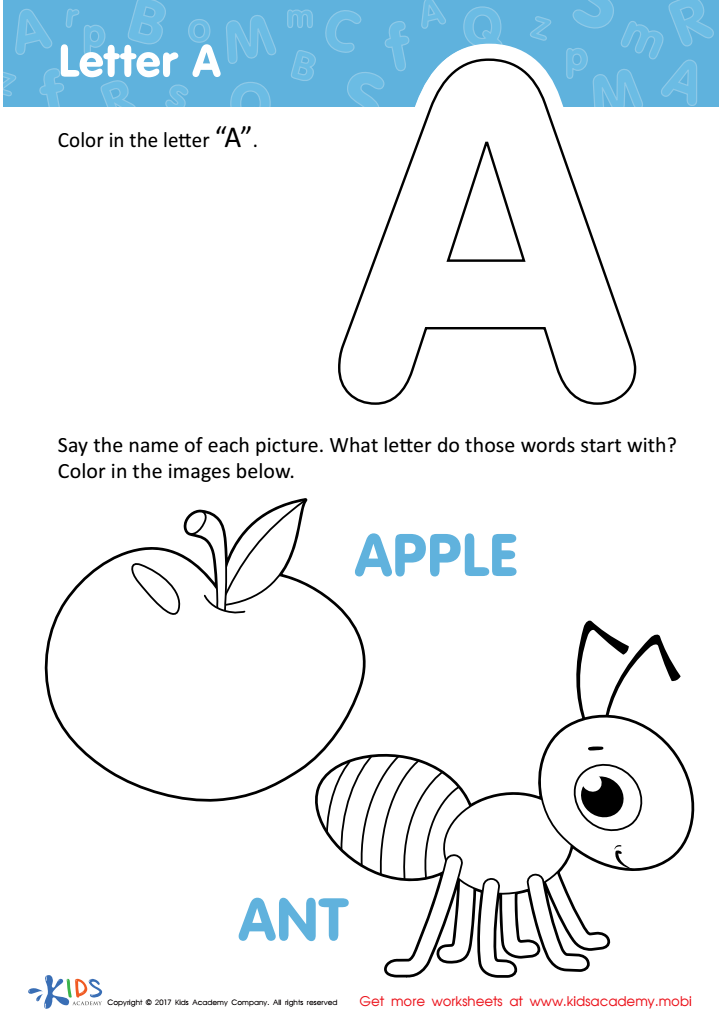
Letter A Coloring Sheet
Assign to My Students
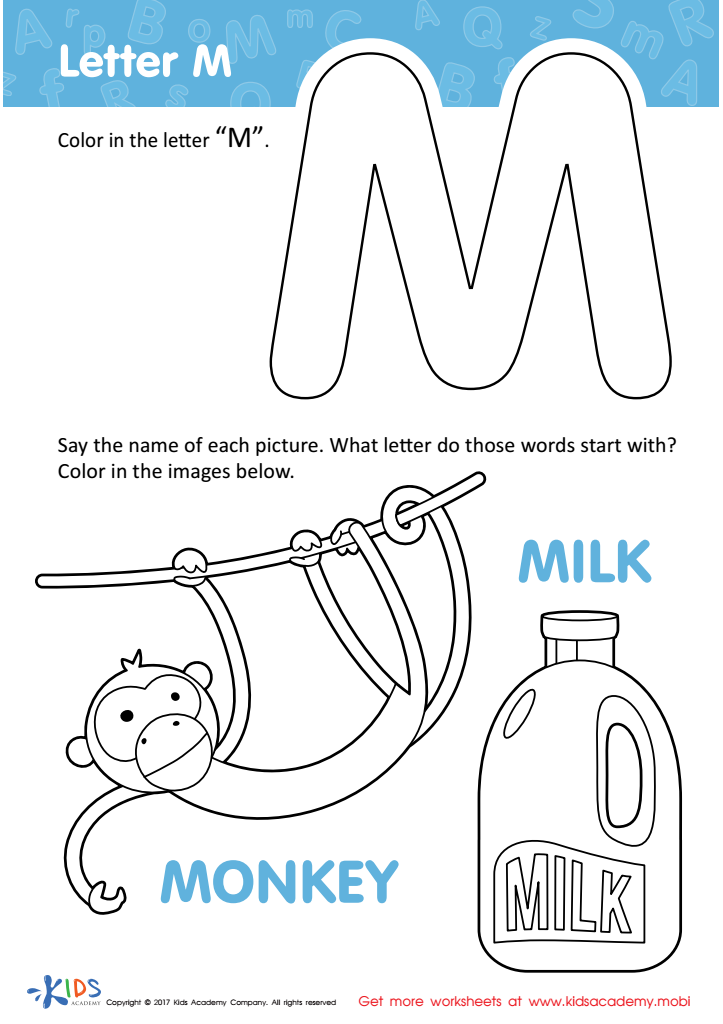
Letter M Coloring Sheet
Assign to My Students
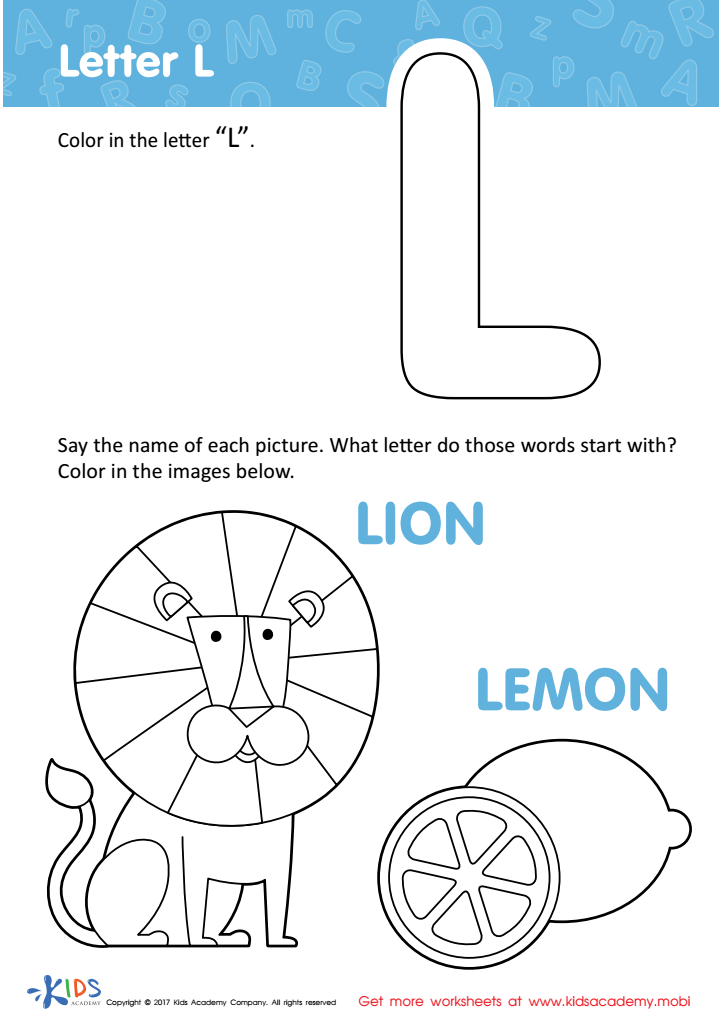
Letter L Coloring Sheet
Assign to My Students
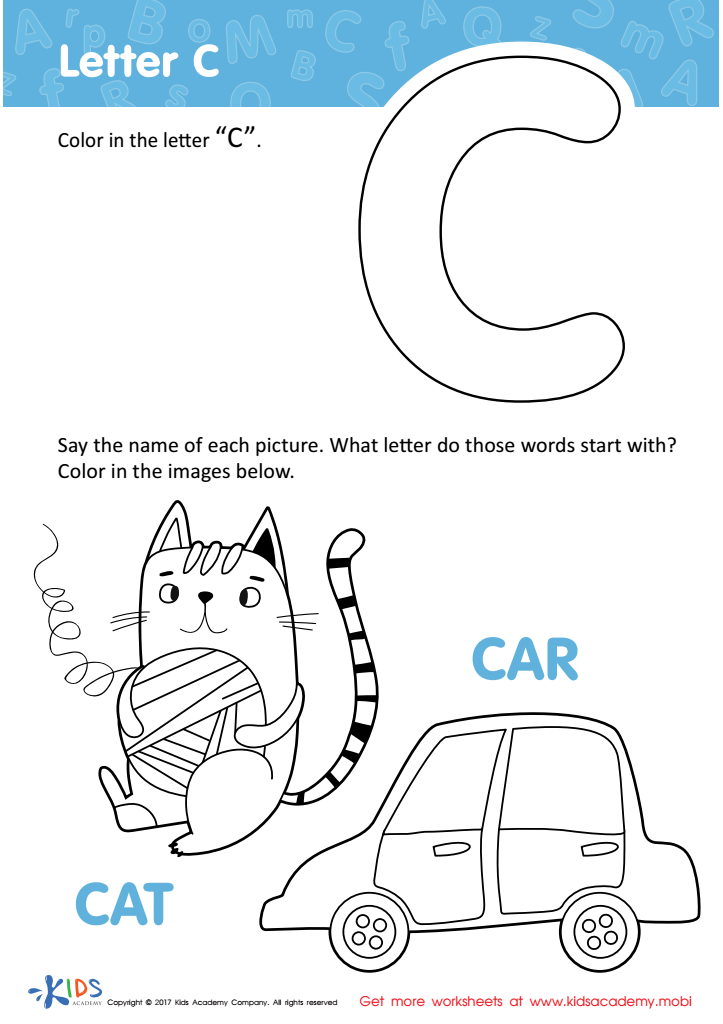
Letter C Coloring Sheet
Assign to My Students
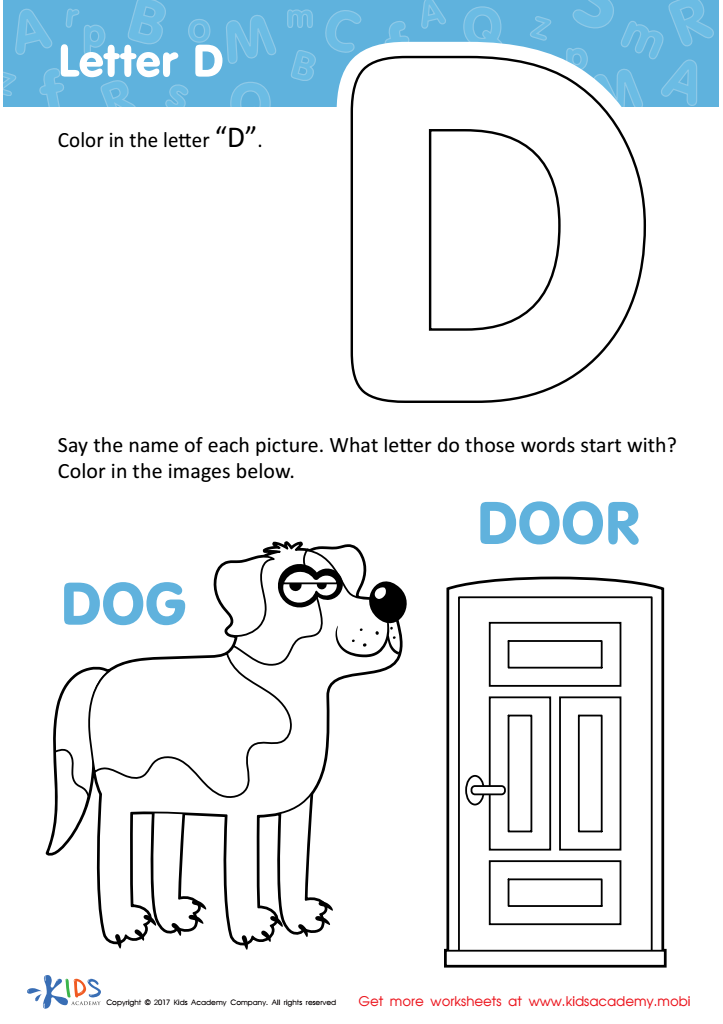
Letter D Coloring Sheet
Assign to My Students
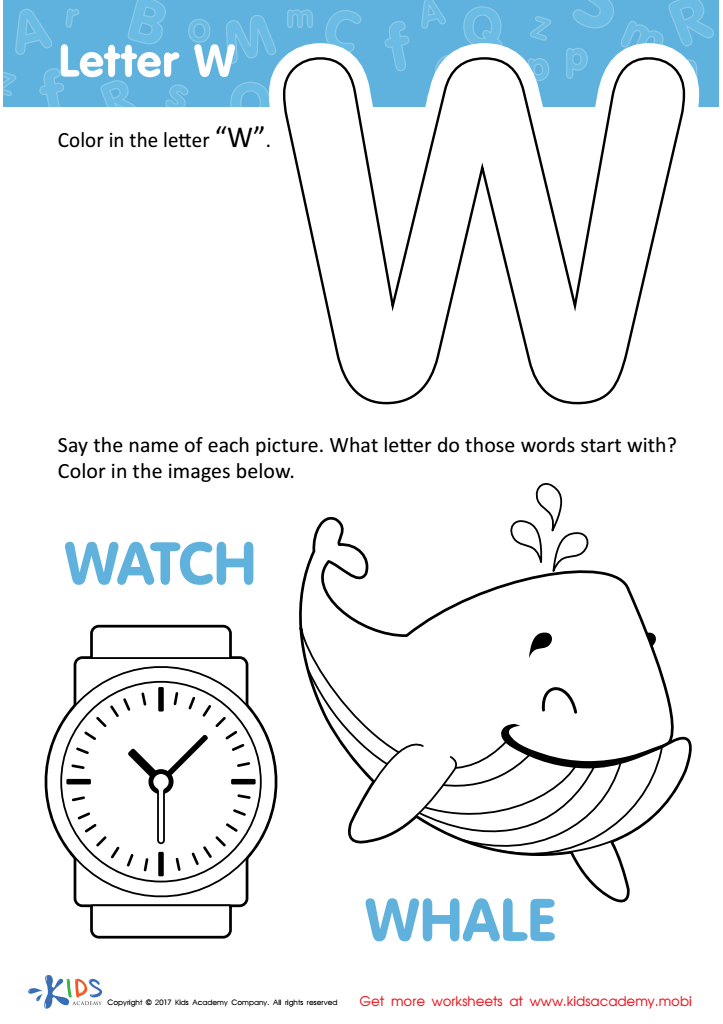
Letter W Coloring Sheet
Assign to My Students
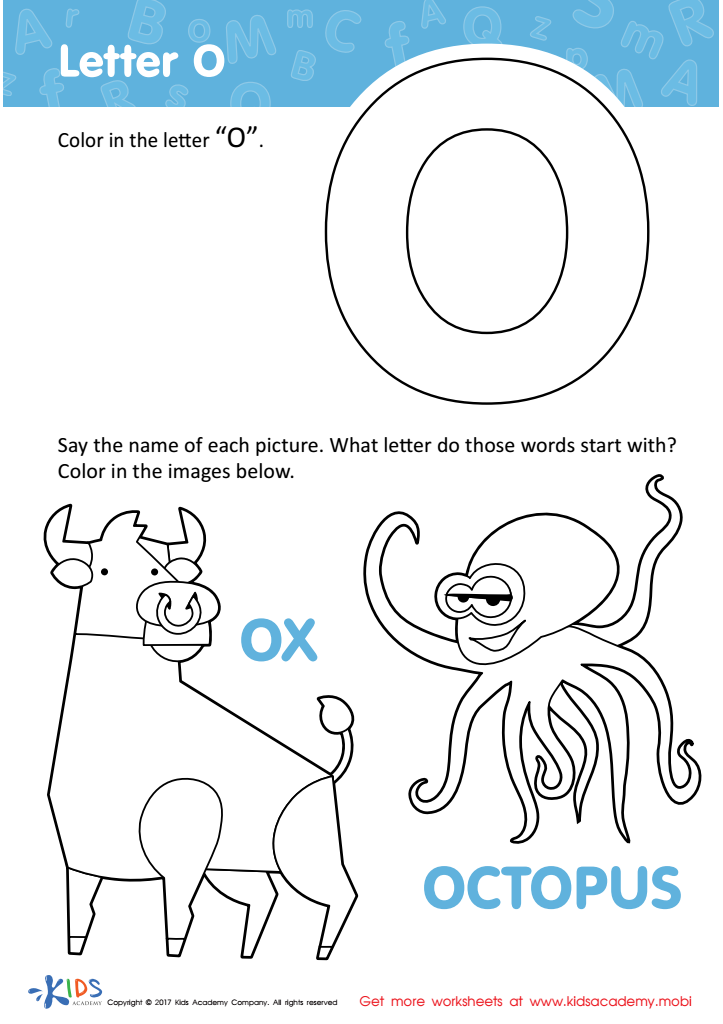
Letter O Coloring Sheet
Assign to My Students
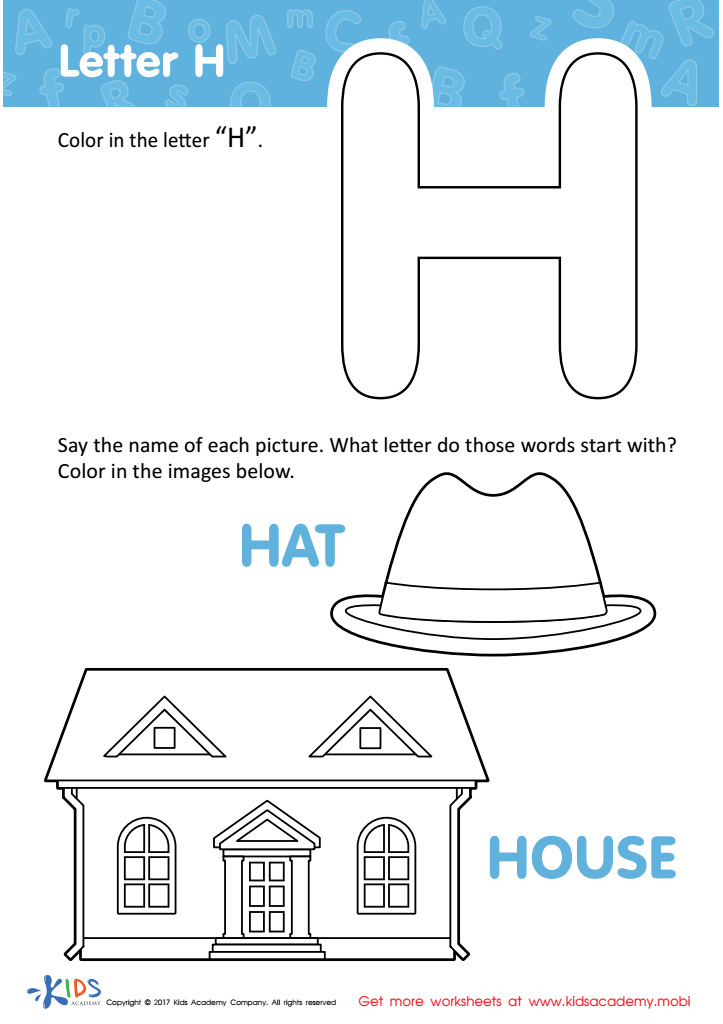
Letter H Coloring Sheet
Assign to My Students
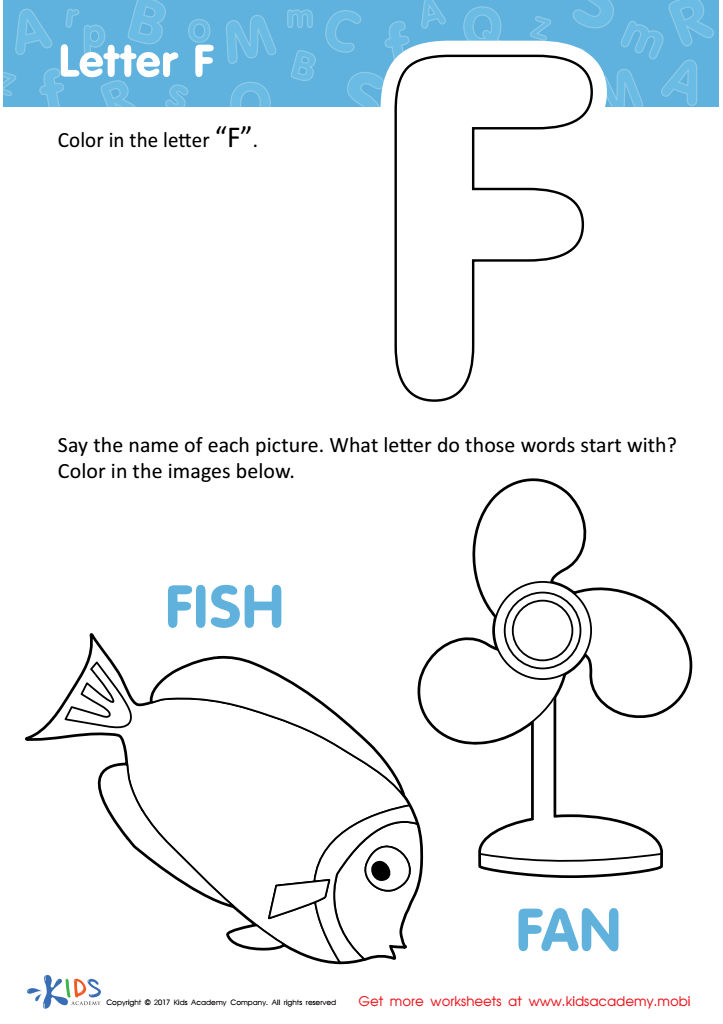
Letter F Coloring Sheet
Assign to My Students





Alphabet recognition is foundational to a child's literacy development, and engaging activities, like alphabet coloring pages, can play a pivotal role for kids aged 4-7. At this age, children are in the early stages of their educational journey, making it crucial to adopt learning methods that are both effective and enjoyable.
Alphabet coloring pages offer a multi-sensory approach to learning. Visual engagement with letters helps children differentiate between shapes and forms, enhancing their ability to recognize and recall each character. The act of coloring itself encourages fine motor skill development, hand-eye coordination, and concentration, all of which are essential for writing and other academic tasks.
When children view learning as fun and playful, they are more likely to develop a positive attitude toward education. Coloring pages introduce letters in a context that's less formal than typical classroom activities, reducing stress and making the learning process more approachable.
Furthermore, these activities provide parents and teachers with opportunities to reinforce phonemic awareness. Discussing the sounds associated with each letter while a child colors can solidify their understanding of the relationships between letters and their corresponding sounds.
Overall, alphabet coloring pages serve as a valuable educational tool by combining cognitive, motor, and phonemic learning in a way that's engaging, making them an excellent resource for fostering literacy in young learners.







