Phonics skills development Normal Alphabet Worksheets for Ages 4-7
4 filtered results
-
From - To
Unlock the magic of reading with our Phonics Skills Development Normal Alphabet Worksheets, crafted for ages 4-7. These engaging and educational worksheets are designed to enhance phonics skills, setting a strong foundation for literacy. Each worksheet focuses on letter recognition, sound identification, and blending practices, helping young learners connect letters and sounds with confidence. Perfect for both classroom and at-home learning, our worksheets make phonics fun and interactive with colorful illustrations and hands-on activities. Start your child's reading journey today with our expert-designed phonics worksheets, tailored to foster a love for reading and lifelong learning.
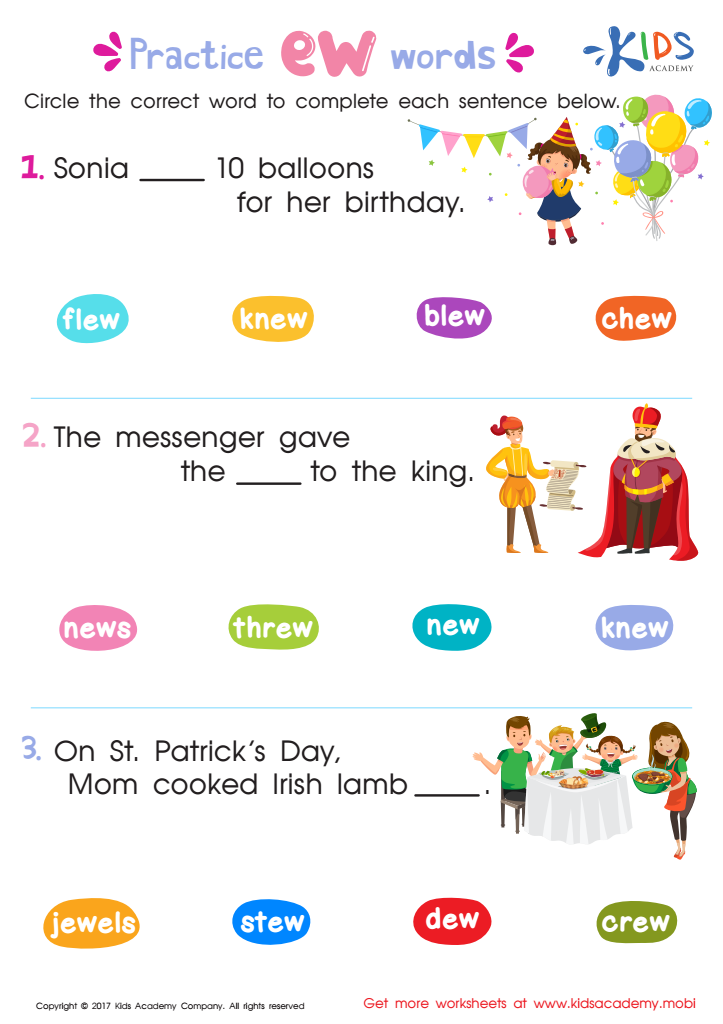
EW Words Worksheet
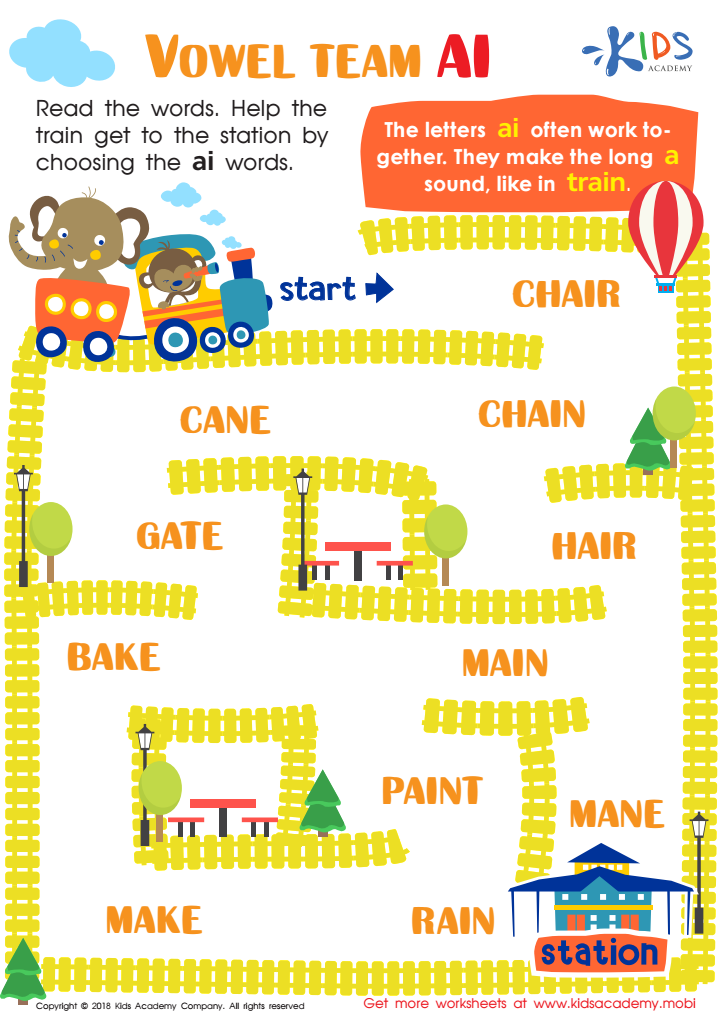
Vowel team ai Worksheet

Long and Short I Worksheet
 Assign to My Students
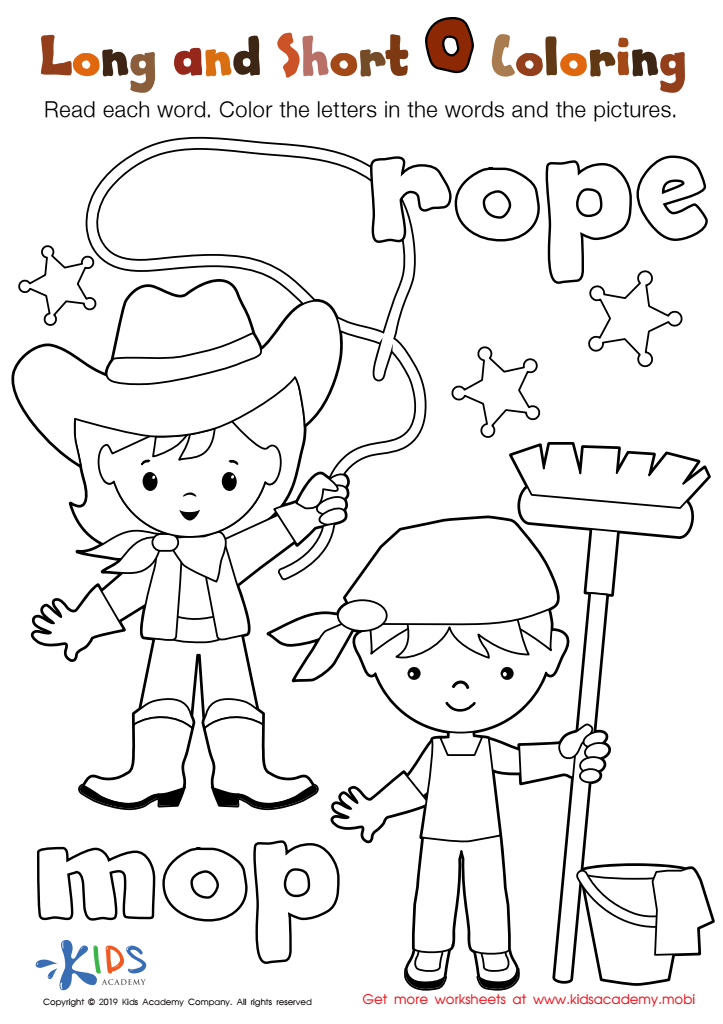
Long and Short O Worksheet
Assign to My Students







Phonics skills development is crucial for children aged 4-7, as it lays the foundation for successful reading and writing abilities. Phonics combines the understanding of sounds (phonemes) and their corresponding letters (graphemes), acting as the building blocks for literacy. Parents and teachers should care about phonics development for several reasons.
Firstly, phonics enhances reading fluency. When children understand the relationship between letters and sounds, they can more easily decode words, improving their reading speed and accuracy. This fluency allows them to focus on comprehension, making reading a more enjoyable and productive experience.
Secondly, strong phonics skills help children with spelling. Knowing the sound each letter makes enables kids to spell words correctly, which is essential for confident writing. Spelling accuracy, in turn, boosts their overall communication skills.
Thirdly, early phonics instruction fosters a love for reading. As children start to recognize and read words independently, they gain confidence and are more likely to engage with books and written materials. This love for reading can lead to increased vocabulary, general knowledge, and cognitive development.
Finally, phonics assists in critical thinking and problem-solving. By learning to decode unfamiliar words, children develop analytical skills that are transferable to other areas of learning.
By focusing on phonics skills development, parents and teachers are investing in a child’s lifelong literacy, educational success, and cognitive growth.







