Alphabet Recognition Normal Letter Recognition Worksheets for Ages 4-7 - Page 2
30 filtered results
-
From - To
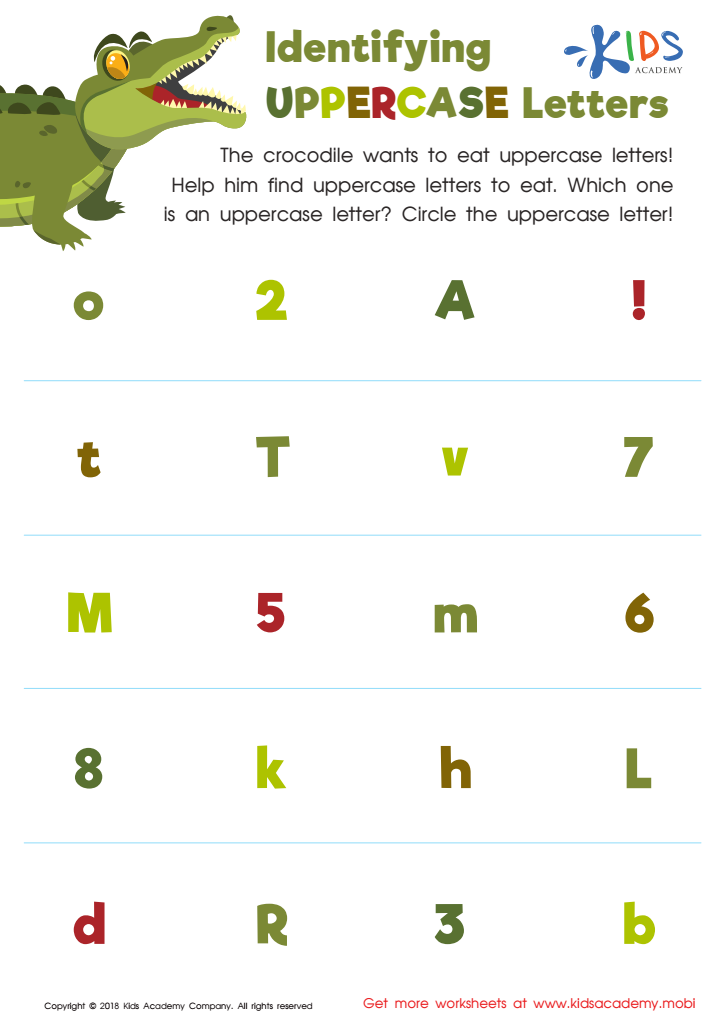
Identifying Uppercase Letters Worksheet
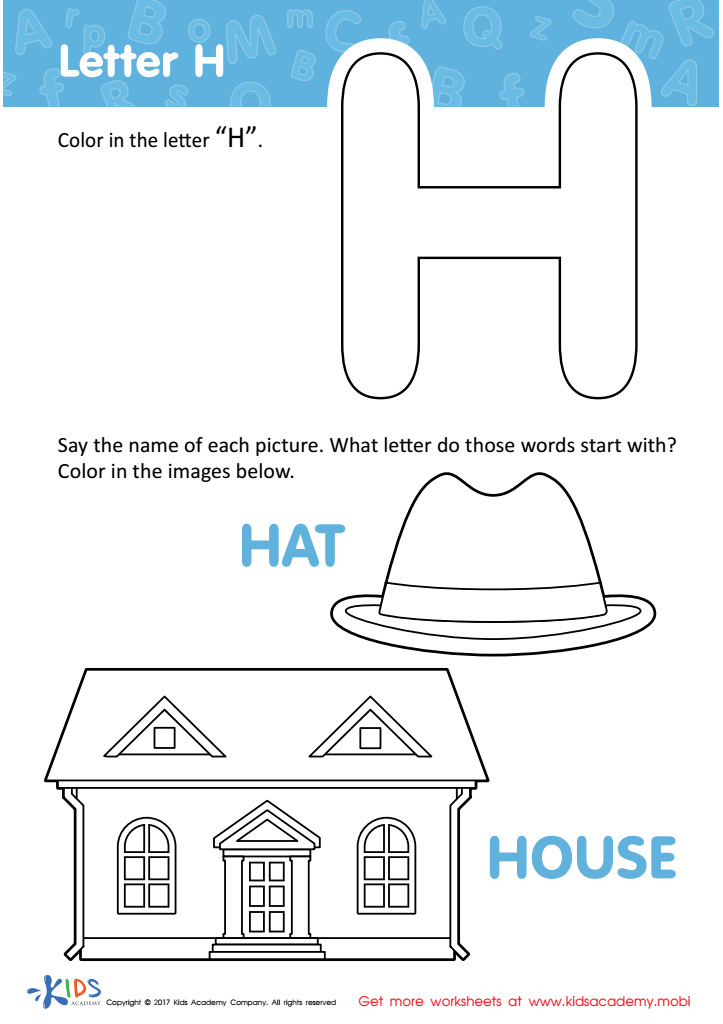
Letter H Coloring Sheet
 Assign to My Students
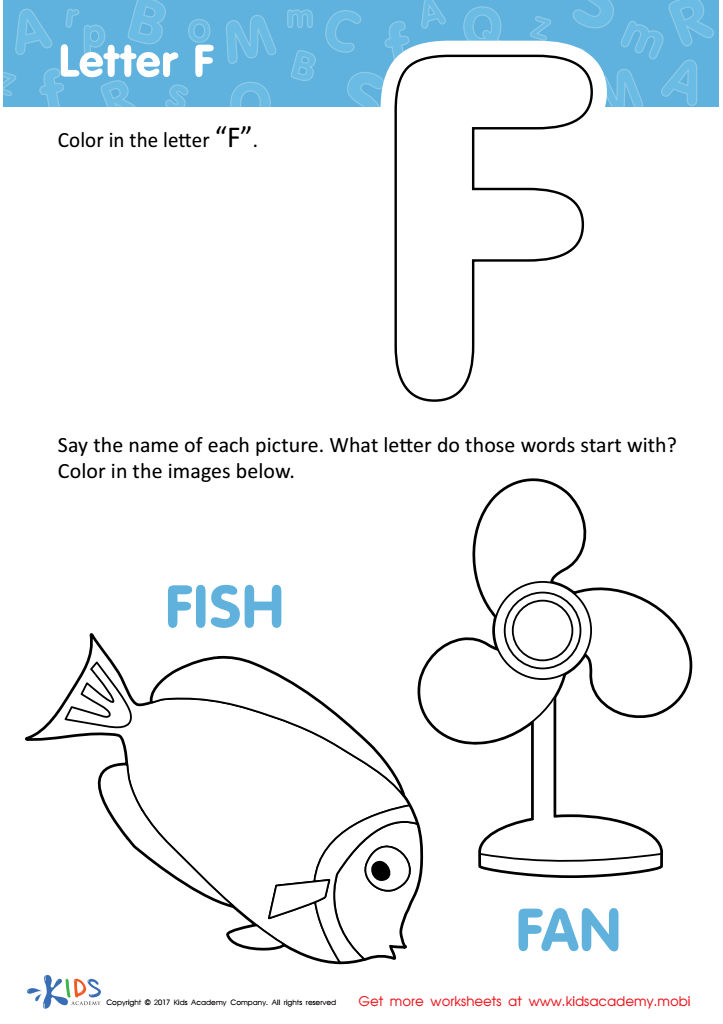
Letter F Coloring Sheet
Assign to My Students
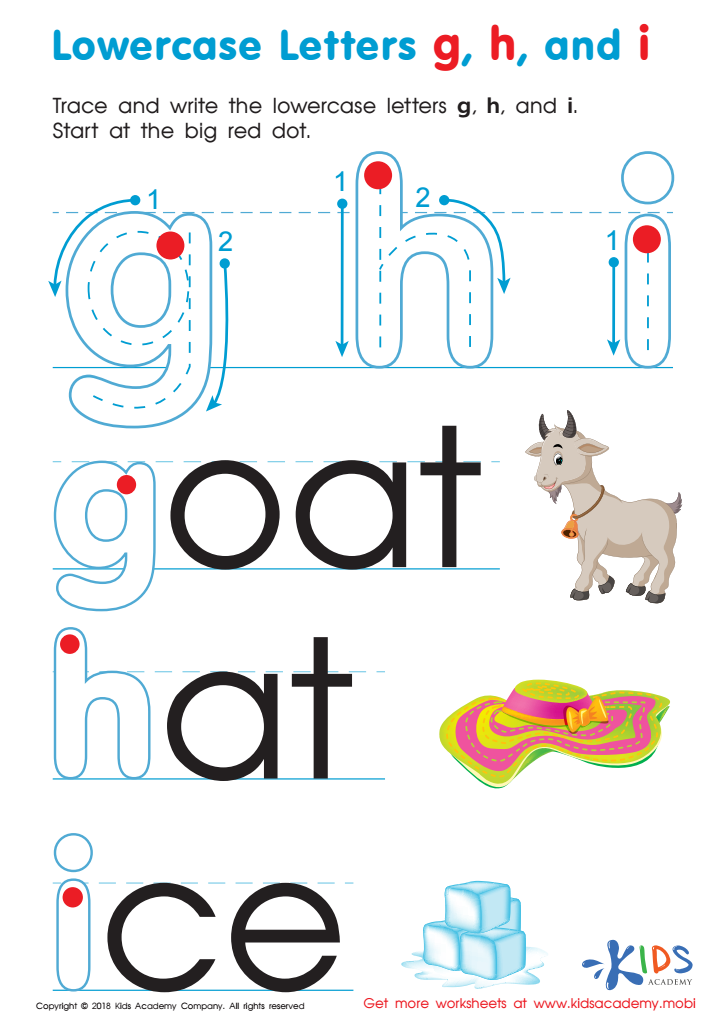
Lowercase Letters g h i Worksheet
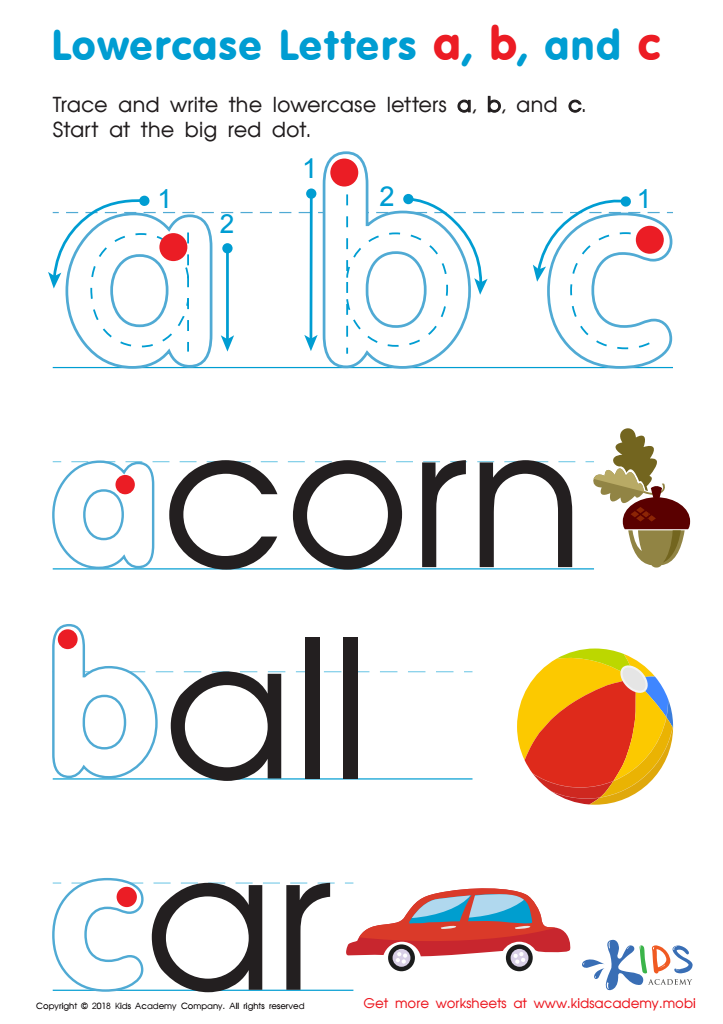
Lowercase Letters a b c Worksheet
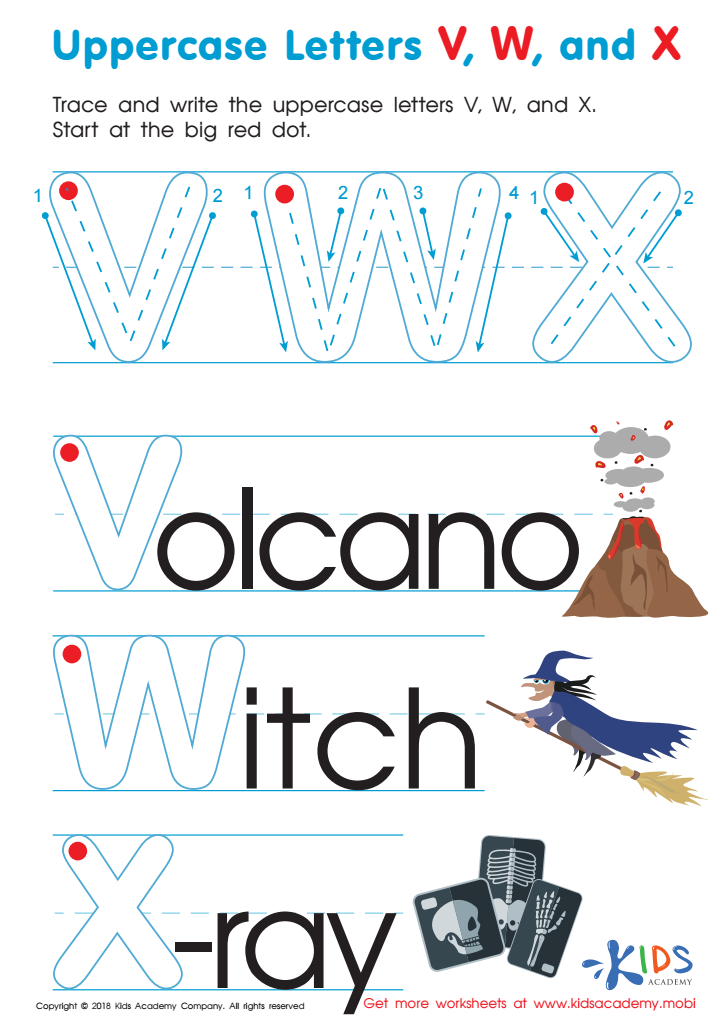
Uppercase Letters V, W, and X Worksheet








Alphabet recognition is a fundamental building block in early literacy, particularly for children aged 4 to 7. During this developmental stage, children move from recognizing letters to understanding that these symbols convey sounds and meaning—a crucial step in reading and writing.
When parents and teachers prioritize alphabet recognition, they provide children with the tools they need to decode words, facilitating a love for reading that can last a lifetime. Recognizing both uppercase and lowercase letters is vital since children encounter both forms in various contexts. Moreover, familiarity with letters boosts confidence and motivation, allowing kids to engage more fully in school activities.
Educators and parents can employ fun, interactive methods such as games, songs, and hands-on activities to make letter learning enjoyable. This approach caters to diverse learning styles, ensuring that all children can thrive. As children gain proficiency in alphabet recognition, they're better equipped to tackle basic phonics, sight words, and eventually, full sentences.
By fostering strong letter recognition skills, parents and teachers set the stage for successful literacy development, positively impacting children’s academic journey and overall communication skills as they grow.








