Hand-eye Coordination Normal Letter Recognition Worksheets for Ages 4-7
7 filtered results
-
From - To
Discover our engaging Hand-eye Coordination Normal Letter Recognition Worksheets designed specifically for children aged 4-7! These worksheets seamlessly combine essential skills, helping young learners develop hand-eye coordination while recognizing letters of the alphabet. Each fun and interactive activity encourages children to trace, match, and identify letters, fostering both their motor skills and literacy knowledge. Ideal for classrooms or at-home learning, our worksheets are perfect for reinforcing letter recognition in an enjoyable way. Equip your child with the foundational skills they need for reading success, enhancing their confidence and readiness for future academic challenges. Explore our comprehensive resources today!
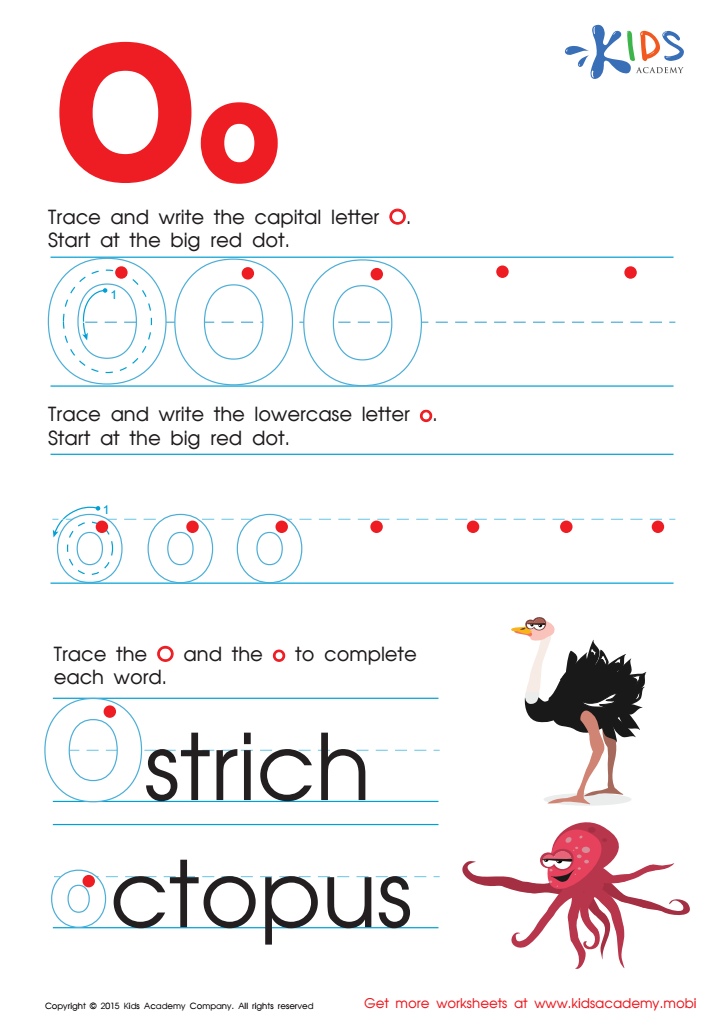
Letter O Tracing Page
 Assign to My Students
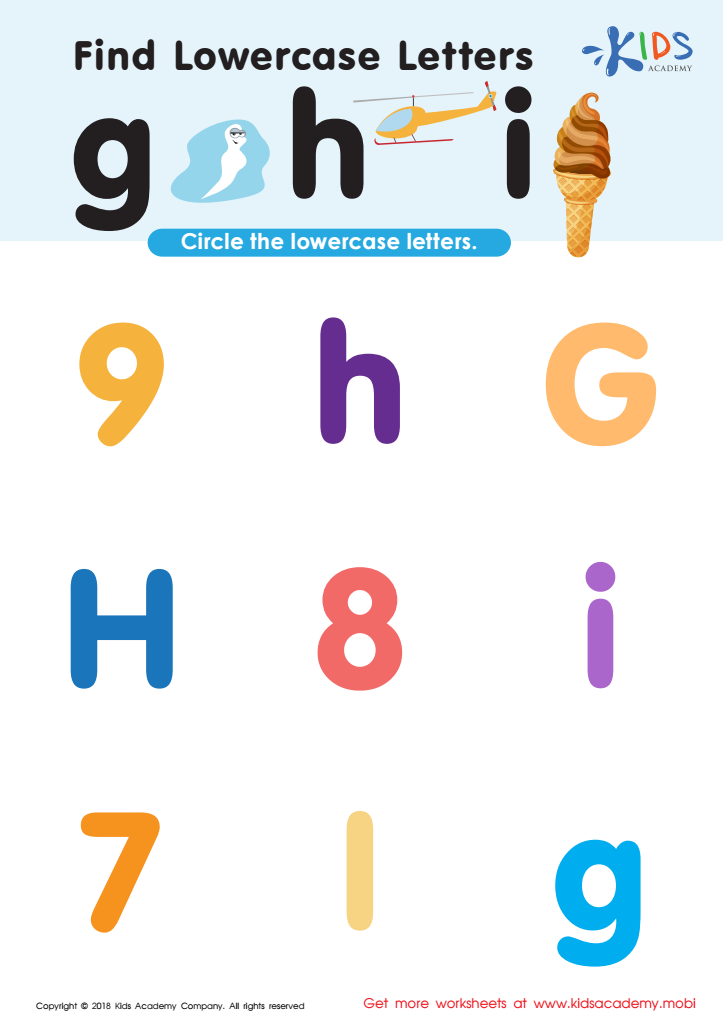
Find Lowercase Letters g h i Worksheet
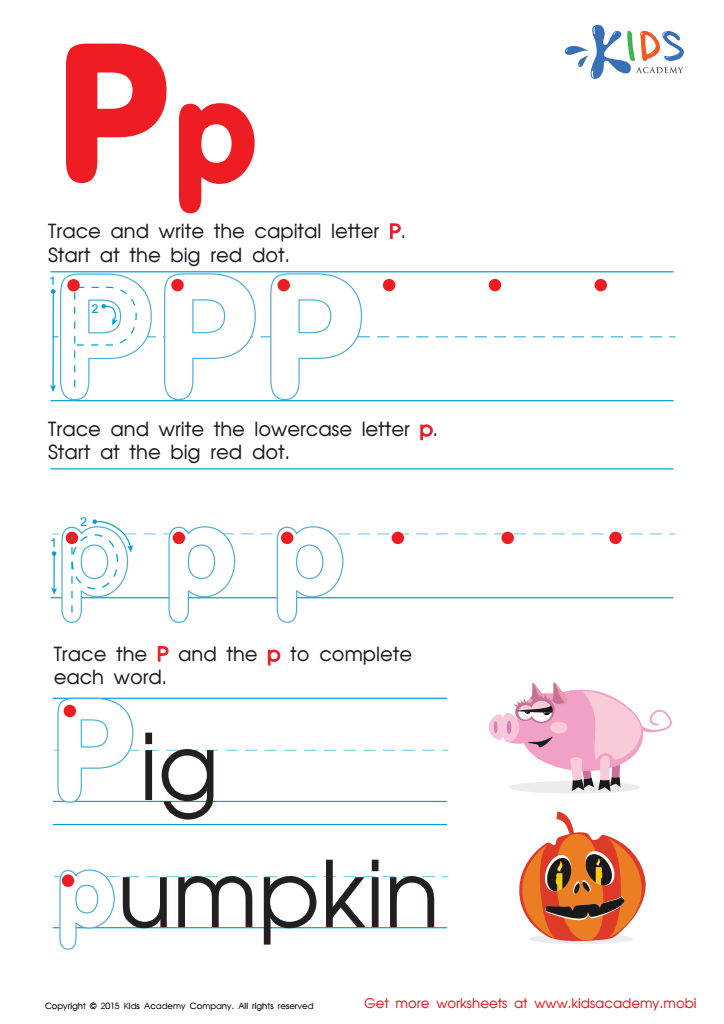
Letter P Tracing Page

Letter H Tracing Page
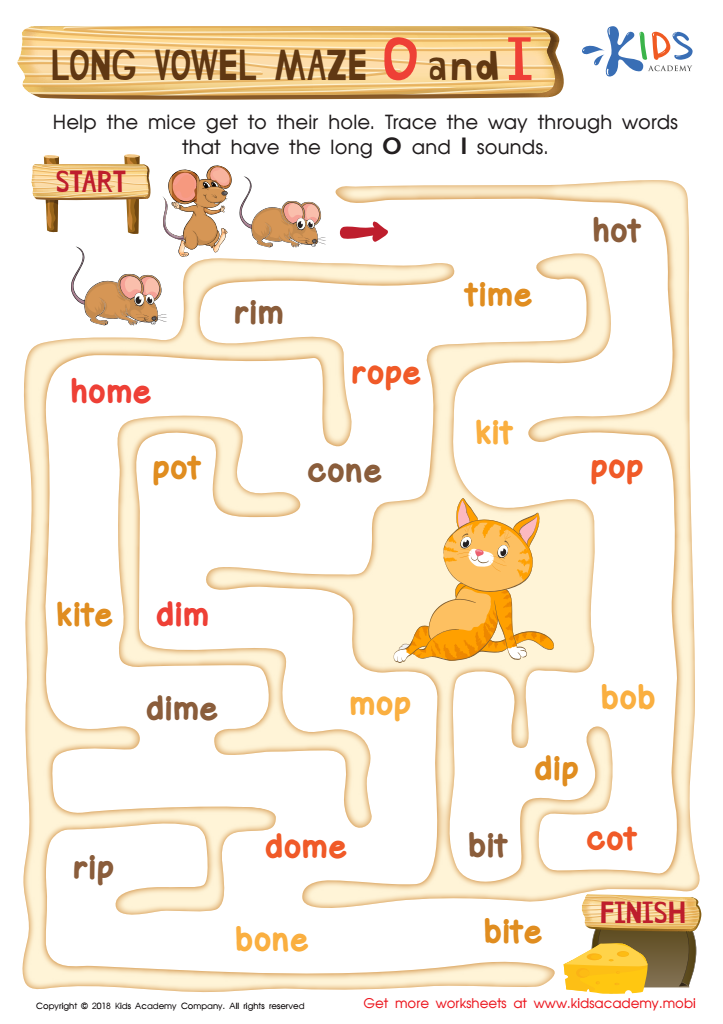
Long Vowel Maze /o/ and /i/ Worksheet
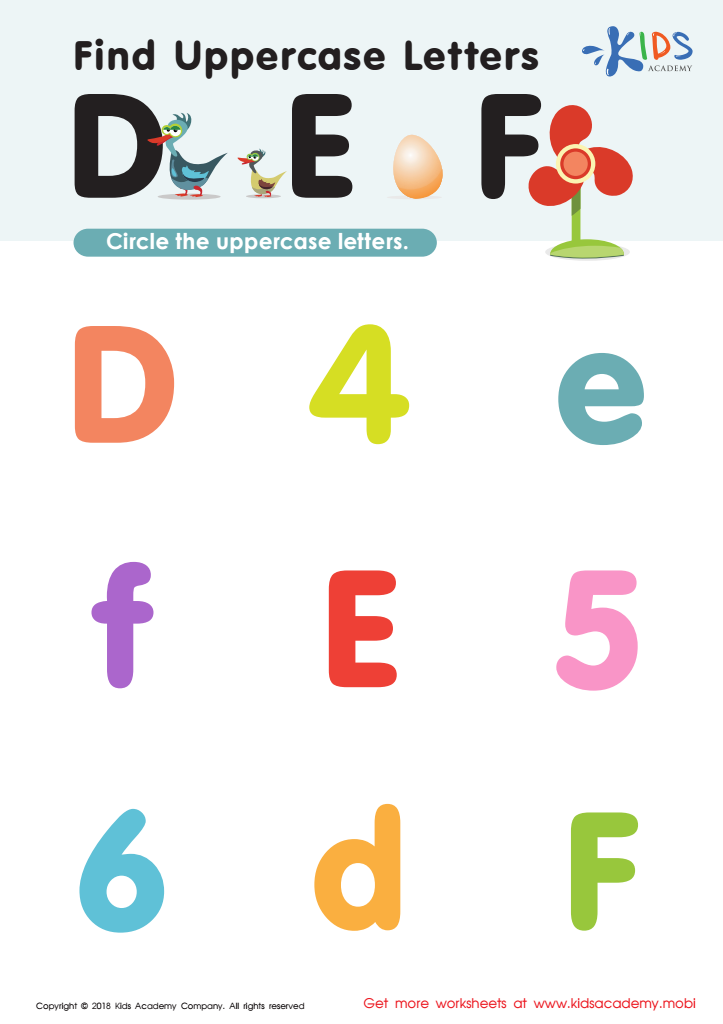
Find Uppercase Letters D, E, and F Worksheet
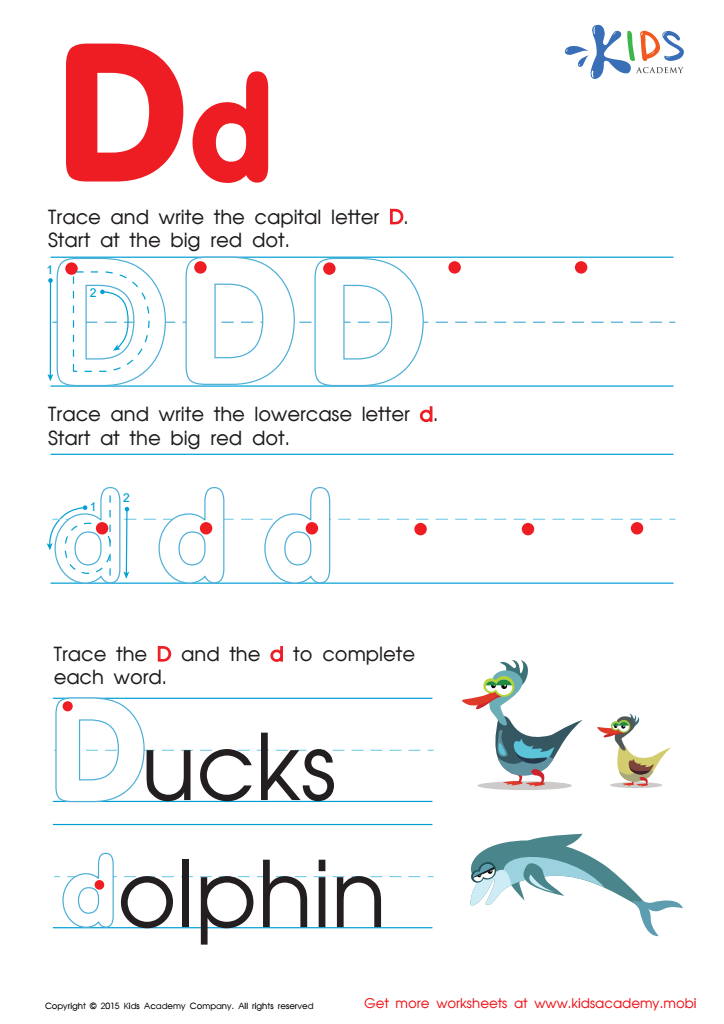
Letter D Tracing Page








Hand-eye coordination and normal letter recognition are essential skills for children aged 4-7, making their development a priority for parents and teachers. Hand-eye coordination refers to the ability to coordinate visual perceptual skills with physical movements. This skill is foundational for numerous activities, such as writing, drawing, and sports, which children will encounter throughout their educational journeys. Strong hand-eye coordination enhances fine motor skills, allowing children to engage successfully in classroom tasks.
Normal letter recognition is equally important, as it lays the groundwork for literacy. Recognizing letters helps children begin to understand phonics, spelling, and vocabulary, forming the building blocks of reading and writing. Early mastery of letter recognition contributes to confidence in communication and comprehension skills, promoting a love for reading that will aid throughout their schooling.
When parents and teachers prioritize hand-eye coordination and letter recognition, they can create enriching environments that foster children's engagement and development. Simple activities, like playing with blocks, drawing, or using letter-based games, can significantly enhance these skills. Ultimately, supporting these foundational areas empowers children not only academically but also socially and emotionally, setting the stage for future success. Engaging with these skills now ensures children are well-prepared as they advance in their education.








