Vocabulary expansion Normal Letter Recognition Worksheets for Ages 4-7
3 filtered results
-
From - To
Our Vocabulary Expansion Normal Letter Recognition Worksheets for Ages 4-7 are designed to develop young learners' language abilities through engaging and educational activities. Each worksheet helps children identify and recognize letters, fostering a strong foundation in phonics and early reading skills. Along with letter recognition, these beautifully illustrated worksheets introduce new words, boosting vocabulary and comprehension. Ideal for kindergarten and preschool-aged children, this resource encourages curiosity and a love for learning. Explore a diverse range of activities that make learning fun and effective, ensuring your child gains essential literacy skills for future academic success.
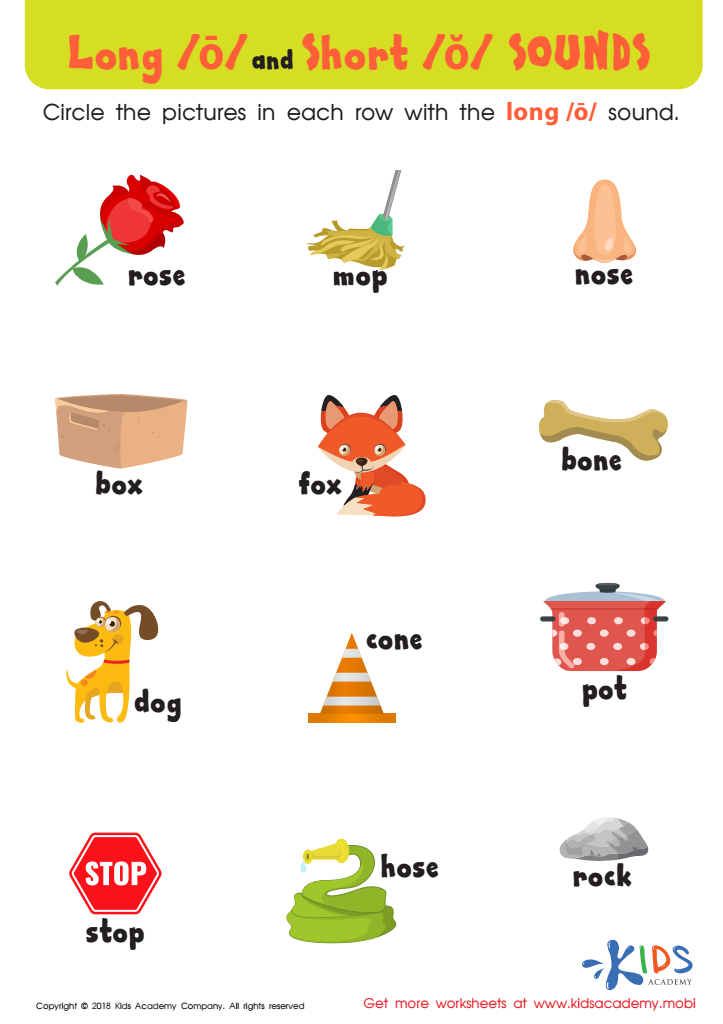
Reading: Long O and Short O Sounds Worksheet
 Assign to My Students
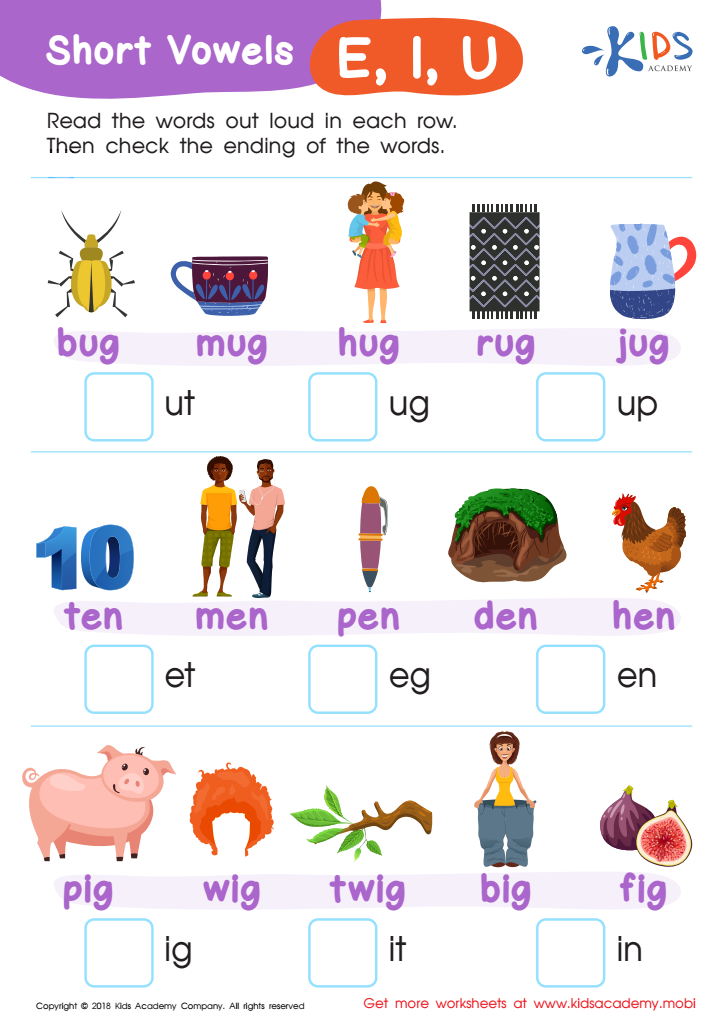
Short Vowels /e/, /i/, and /u/ Worksheet
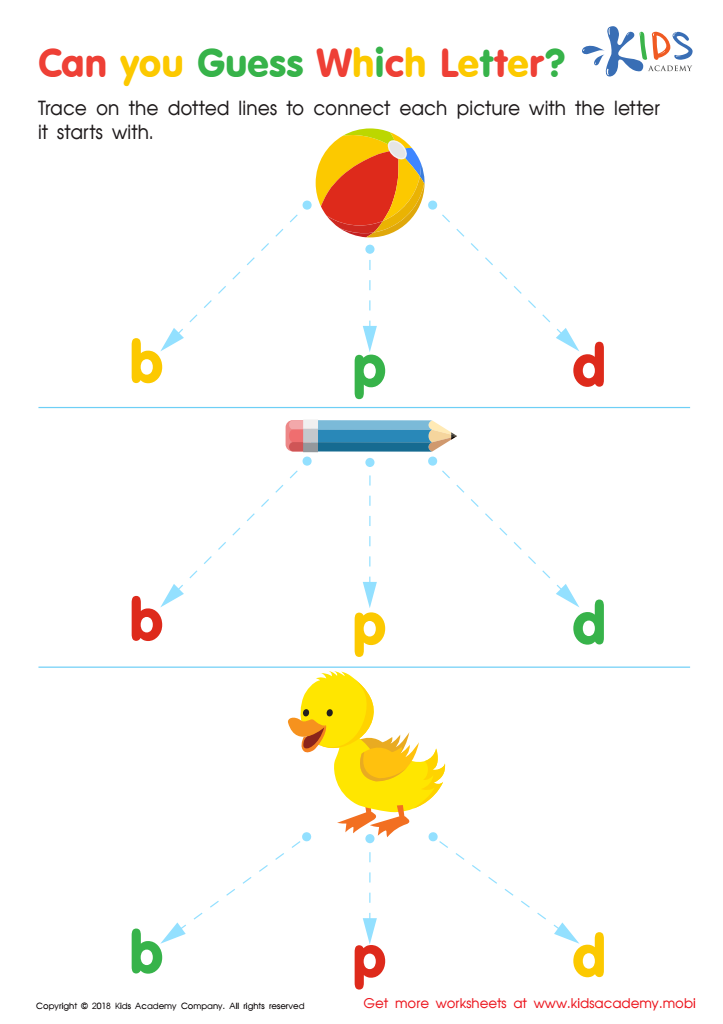
Can you Guess Which Letter? Worksheet








Vocabulary expansion and normal letter recognition are essential components of early childhood education, particularly for children aged 4-7. At this stage, young minds are highly receptive to learning new words and concepts, which establishes a solid foundation for literacy and academic achievement. Effective vocabulary expansion equips children with the tools necessary for comprehensive understanding of language, which, in turn, supports reading comprehension, writing skills, and effective communication.
Letters are the building blocks of words. As children learn to recognize letters, they develop the crucial pre-reading skills needed to decode written language. Normal letter recognition facilitates the ability to connect sounds to letters, a skill imperative for phonemic awareness. This awareness is critical for blending sounds to form words and eventually read fluently.
For parents and teachers, prioritizing vocabulary expansion and letter recognition lays the groundwork for lifelong learning and academic success. It also boosts children's confidence and enables them to express their ideas more clearly and effectively. Engaging, age-appropriate educational activities, such as reading storybooks, playing word games, and interactive writing, can make this learning process enjoyable and rewarding. Therefore, focusing on these foundational skills not only addresses immediate educational needs but also prepares children for future challenges in academia and beyond.








