Writing practice Normal Letter Recognition Worksheets for Ages 4-7
6 filtered results
-
From - To
Introduce your child to the magical world of letters with our expertly designed Writing Practice Normal Letter Recognition Worksheets for ages 4-7! Perfectly crafted for young learners, these engaging activities help kids identify and write each letter of the alphabet. Our worksheets, bursting with colors and fun illustrations, make learning enjoyable and interactive. With clear instructions and age-appropriate challenges, children gain confidence in their writing skills while reinforcing letter shapes and sounds. Boost your child’s early literacy development and watch their love for learning grow with Kids Academy’s effective and delightfully fun writing practice resources.
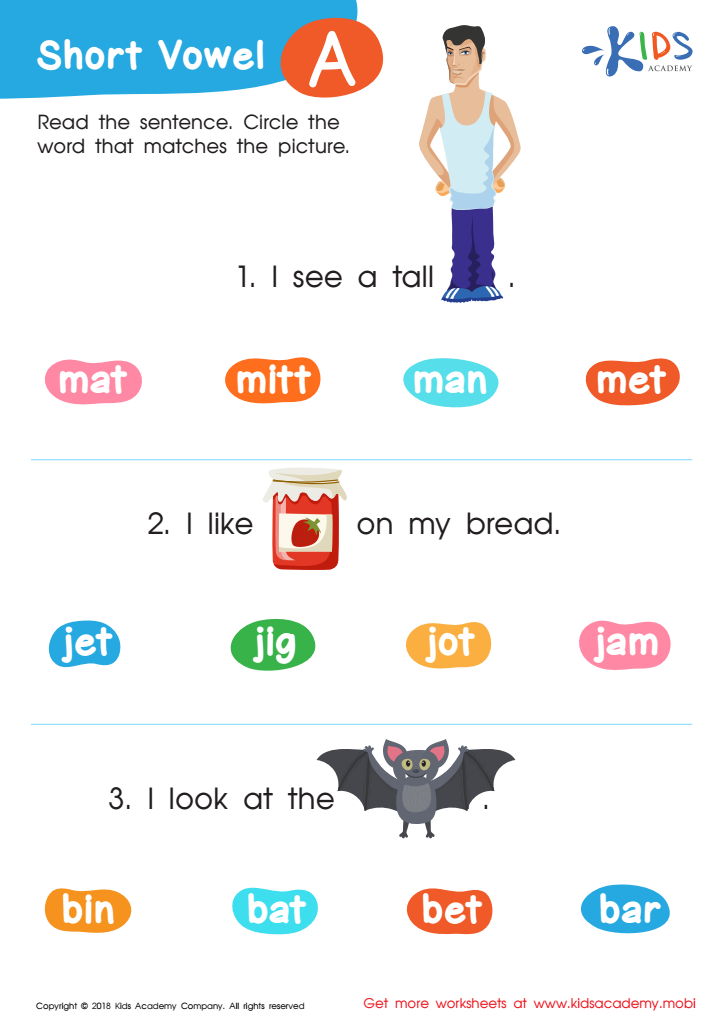
Short Vowel /a/ Worksheet
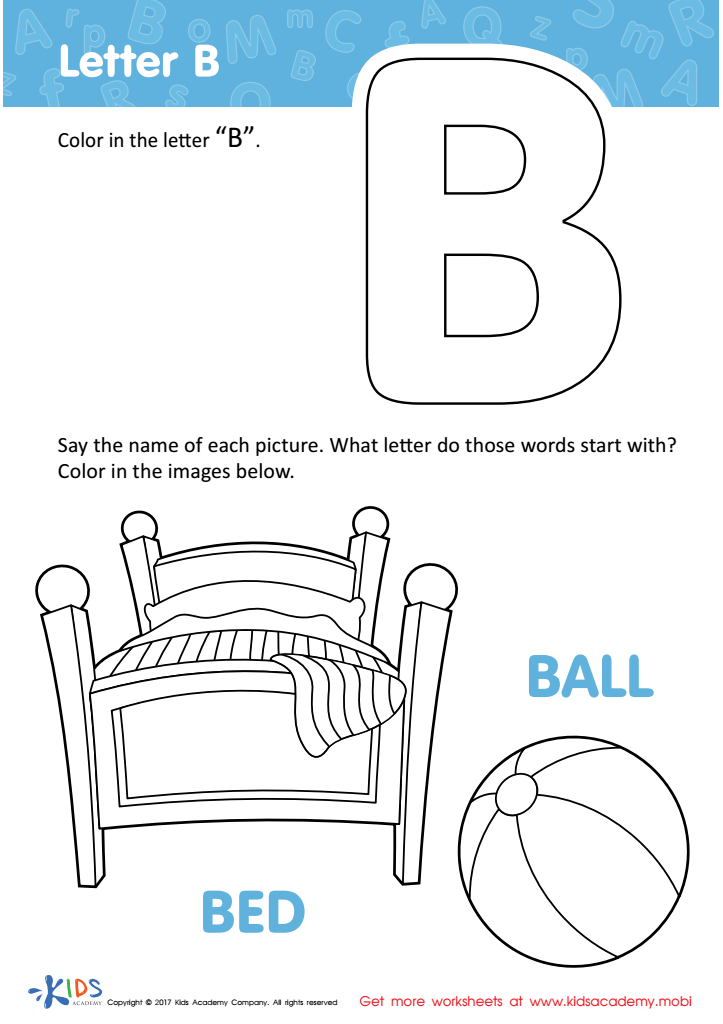
Letter B Coloring Sheet
 Assign to My Students
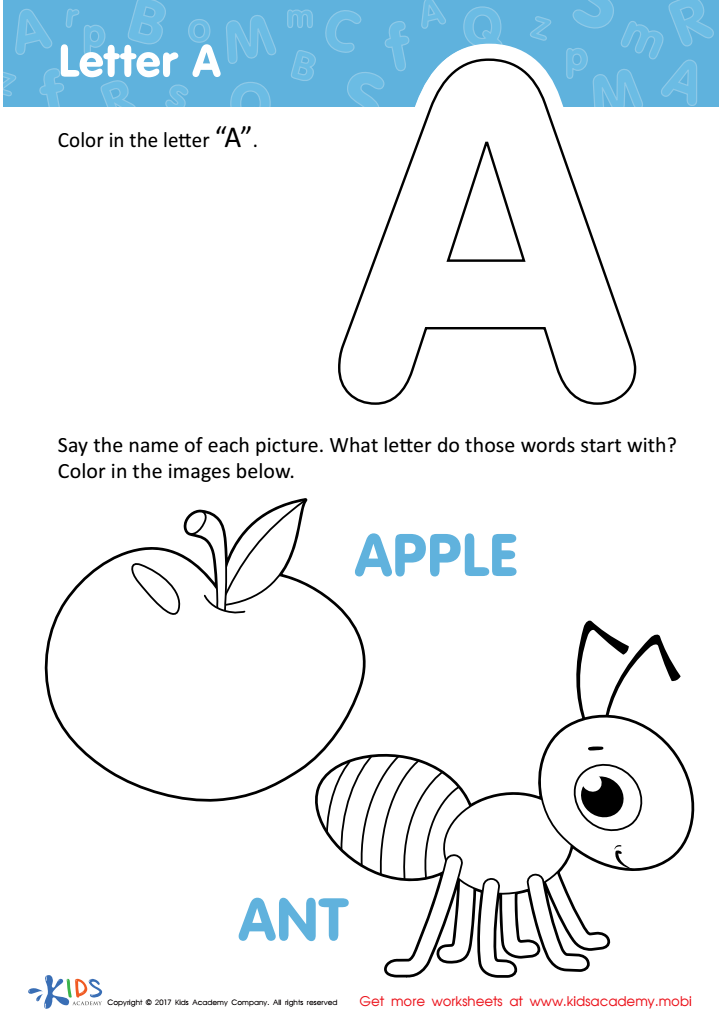
Letter A Coloring Sheet
Assign to My Students

Letter H Tracing Page
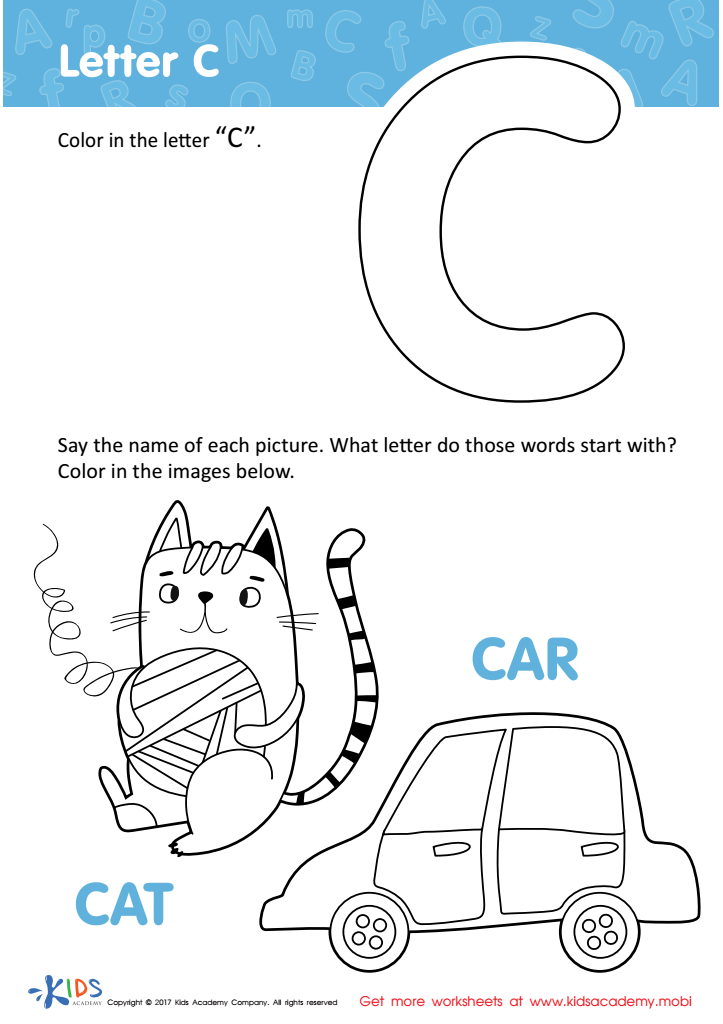
Letter C Coloring Sheet
Assign to My Students
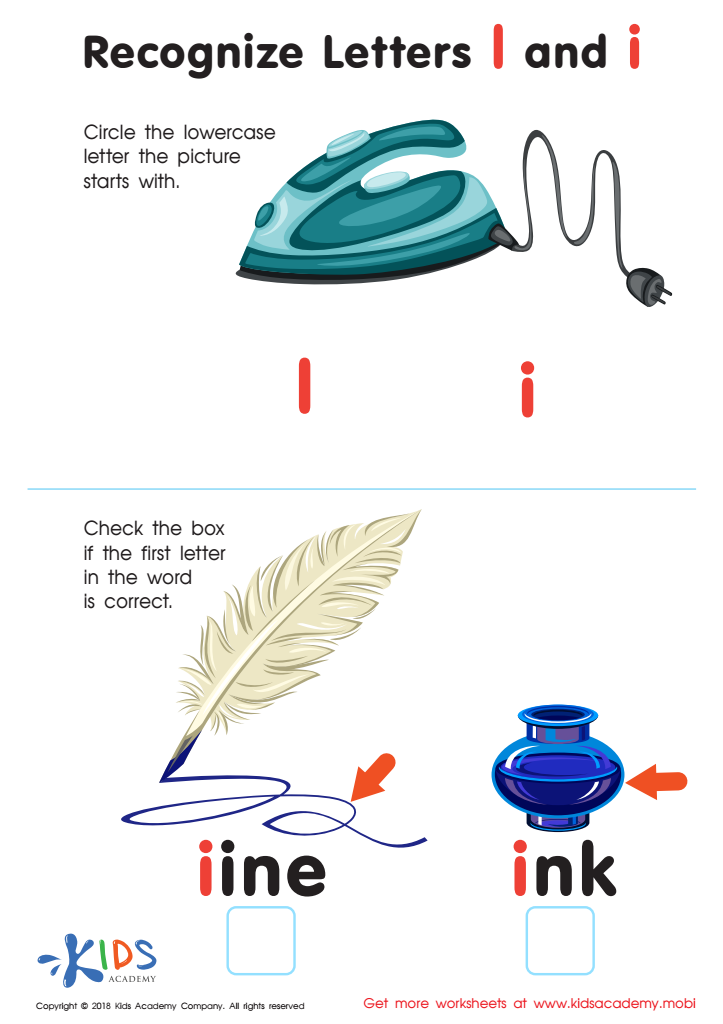
Recognize Letters l and i Worksheet








Writing practice and normal letter recognition are crucial for children aged 4-7 because they lay the foundation for future academic success and cognitive development. At this formative stage, young children’s brains are primed to learn language and literacy skills. Engaging in regular writing practice helps kids strengthen their fine motor skills, hand-eye coordination, and muscle memory, which are essential for tasks inside and outside the classroom.
Familiarity with letter shapes and sounds improves phonemic awareness, which is the ability to hear, identify, and manipulate sounds in words. This awareness is a critical precursor to successful reading and writing. When children can easily recognize and write letters, they feel more confident and less frustrated, setting a positive tone for their education.
Additionally, writing helps children express their thoughts and ideas, bolstering their creativity, communication skills, and emotional development. It also enhances memory and understanding since forming letters requires attention to detail and focus, aiding in the retention of information.
In essence, these practices are about more than just knowing the alphabet; they foster a love for learning and a strong educational foundation. By encouraging writing practice and letter recognition, parents and teachers are giving children the tools they need to succeed academically and beyond.








