Vocabulary enhancement Normal Letter Sounds Worksheets for Ages 4-7
4 filtered results
-
From - To
Unlock your child's potential with our Vocabulary Enhancement Normal Letter Sounds Worksheets, designed specifically for ages 4-7. These engaging and interactive worksheets foster early literacy by helping young learners identify and sound out letters while expanding their vocabulary. Each activity combines fun illustrations and motivating exercises, ensuring your little ones stay engaged as they practice important phonetic skills. Perfect for home or classroom use, these worksheets encourage a solid foundation in reading, writing, and pronunciation. Empower your child to explore language in a creative and enjoyable way, setting them on the path to lifelong learning and communication success.
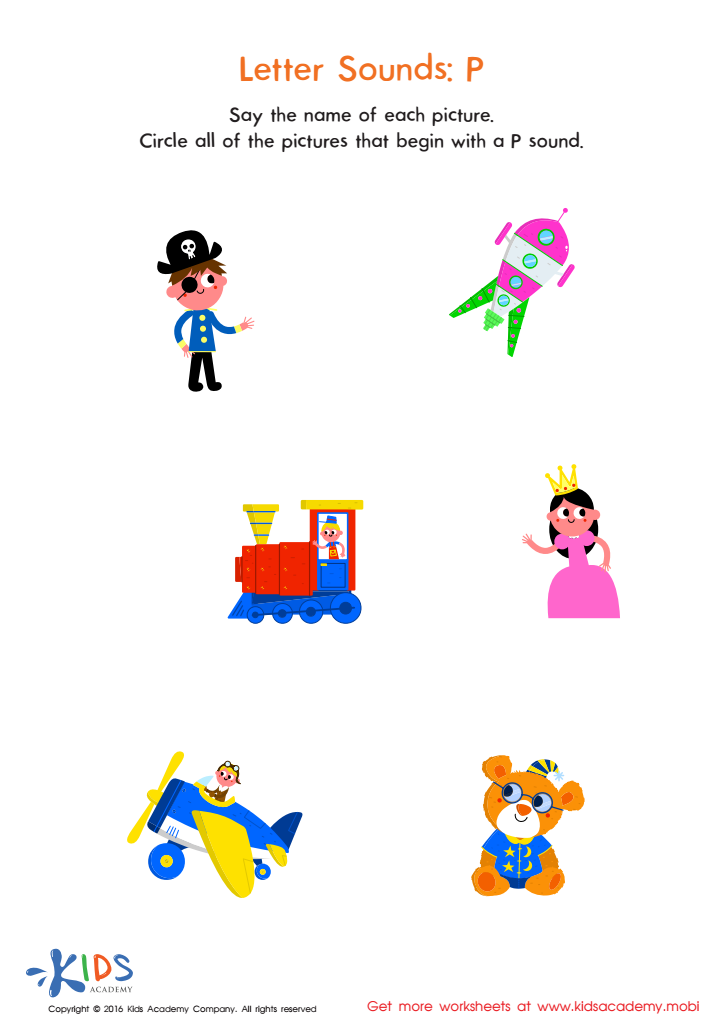
Letter P Sound Worksheet
 Assign to My Students
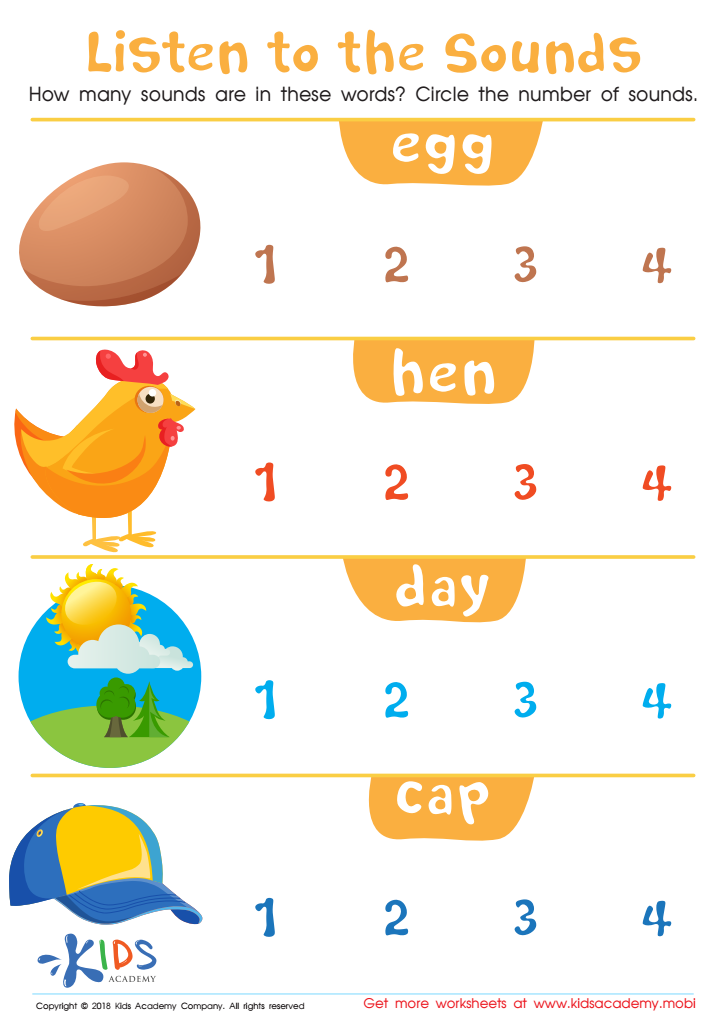
Listen to the Sounds Worksheet
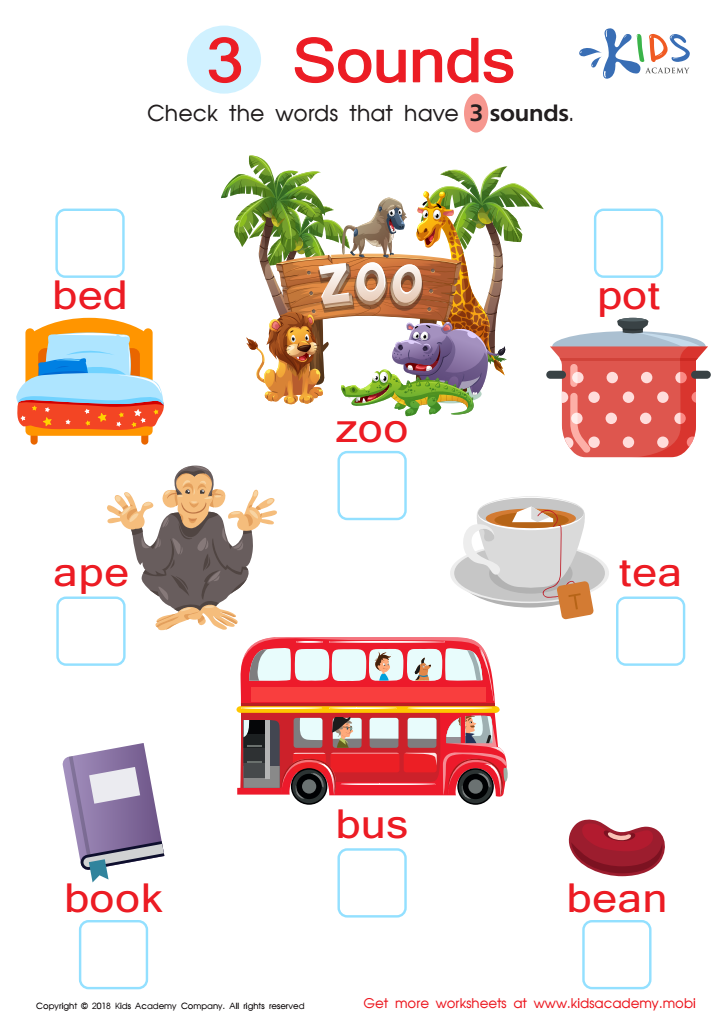
3 Sounds Worksheet
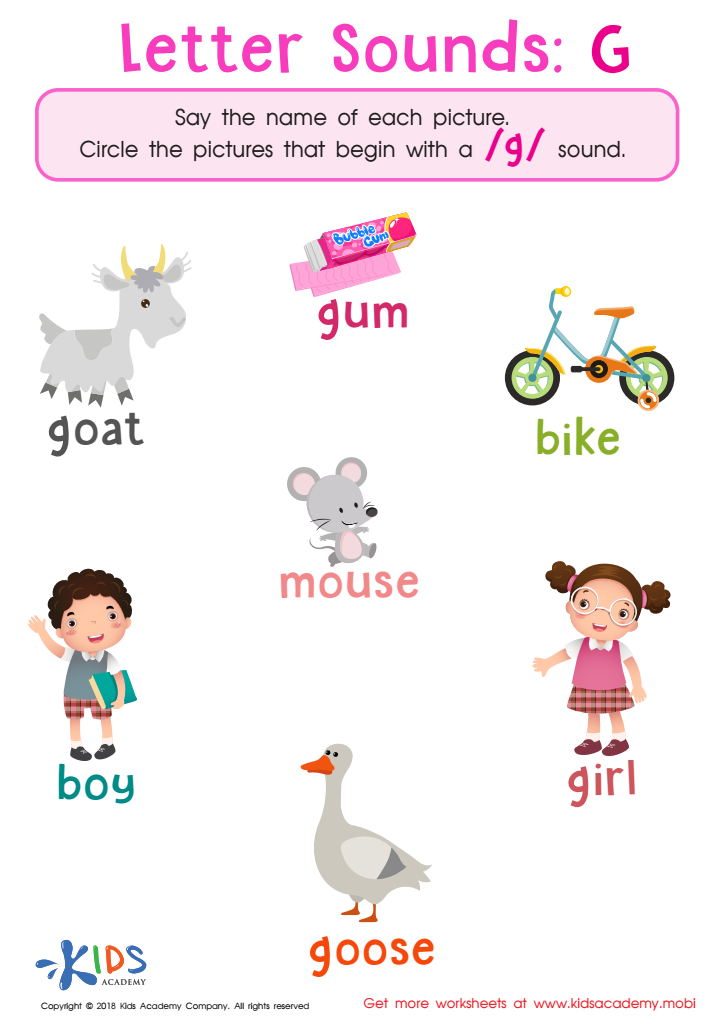
Letter G Sounds Worksheet








Vocabulary enhancement and understanding normal letter sounds are crucial for children aged 4-7 as they lay the foundation for future reading and language skills. During these formative years, children are cognitively developing their ability to communicate effectively, and a rich vocabulary boosts their self-expression and helps them articulate thoughts and emotions.
When children learn normal letter sounds, they become phonemically aware, a vital skill for decoding words. This phonics knowledge enables them to sound out letters when reading, fostering early literacy skills and a lifelong love for reading. By incorporating vocabulary enhancement into daily routines, parents and teachers can provide children with a variety of words, helping them understand nuances and context, which contributes to better comprehension.
Moreover, enhanced vocabulary enriches cognitive development, supporting critical thinking and problem-solving abilities as children begin to discuss more complex ideas and narratives. Engaging with rich language helps children feel confident in social situations and prepares them for academic success. Ultimately, prioritizing vocabulary and letter sounds not only accelerates literacy skills but also empowers children to communicate effectively and builds a strong foundation for lifelong learning. Thus, it's essential for parents and teachers to nurture these skills at this crucial stage in development.






