Hand-eye Coordination Normal Tracing Lines and Curves Worksheets for Ages 4-7
4 filtered results
-
From - To
Enhance your child's hand-eye coordination with our specially designed "Normal Tracing Lines and Curves Worksheets" for ages 4-7. These engaging printable worksheets allow young learners to practice tracing essential lines and curves while improving their motor skills. The activities are enjoyable and interactive, helping children develop precision and control as they follow various paths. Perfect for home or classroom use, our worksheets foster creativity and confidence in early writing skills. Ideal for preschool and kindergarten learners, our resources support fine motor development and prepare children for more complex writing tasks in the future. Promote learning through play today!
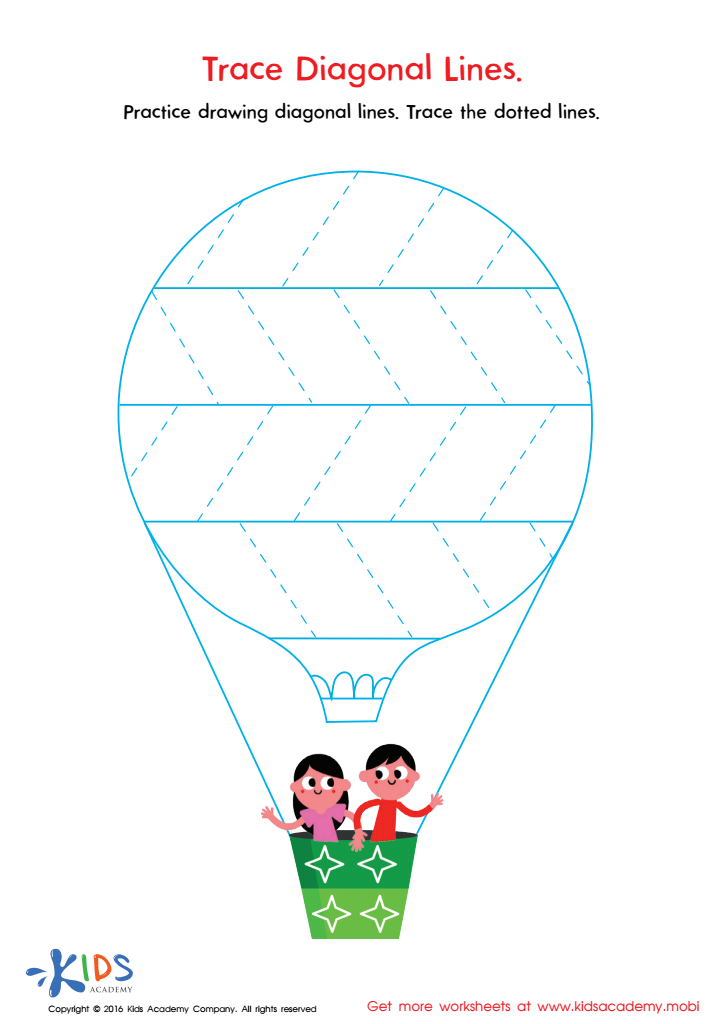
Trace Diagonal Lines Worksheet
 Assign to My Students
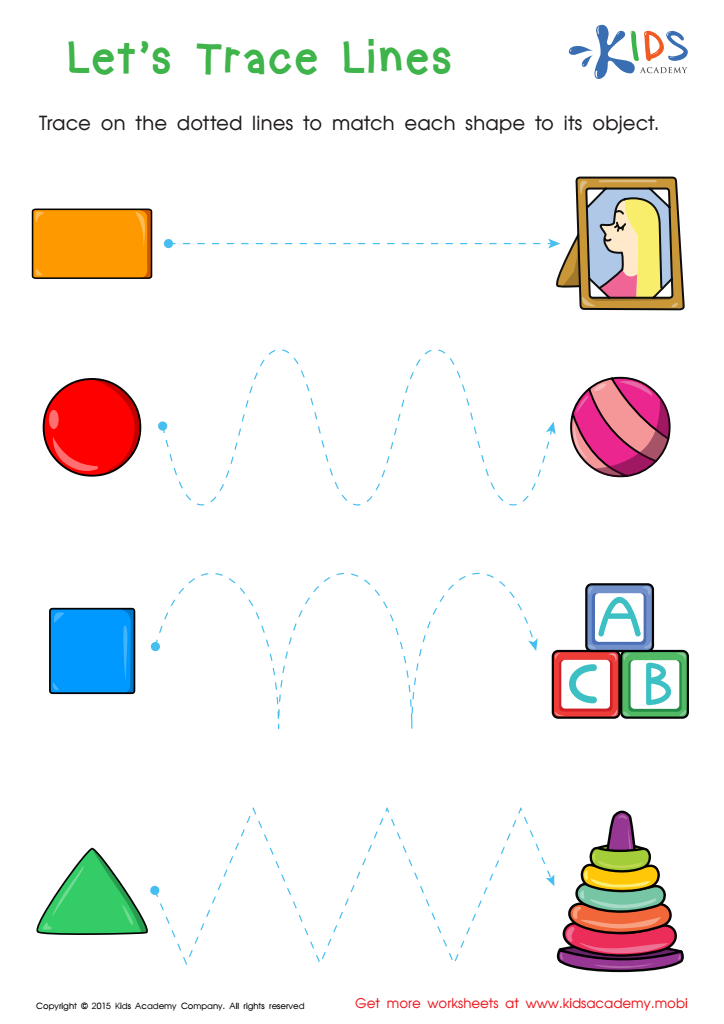
First Words: Let's Trace Lines Worksheet
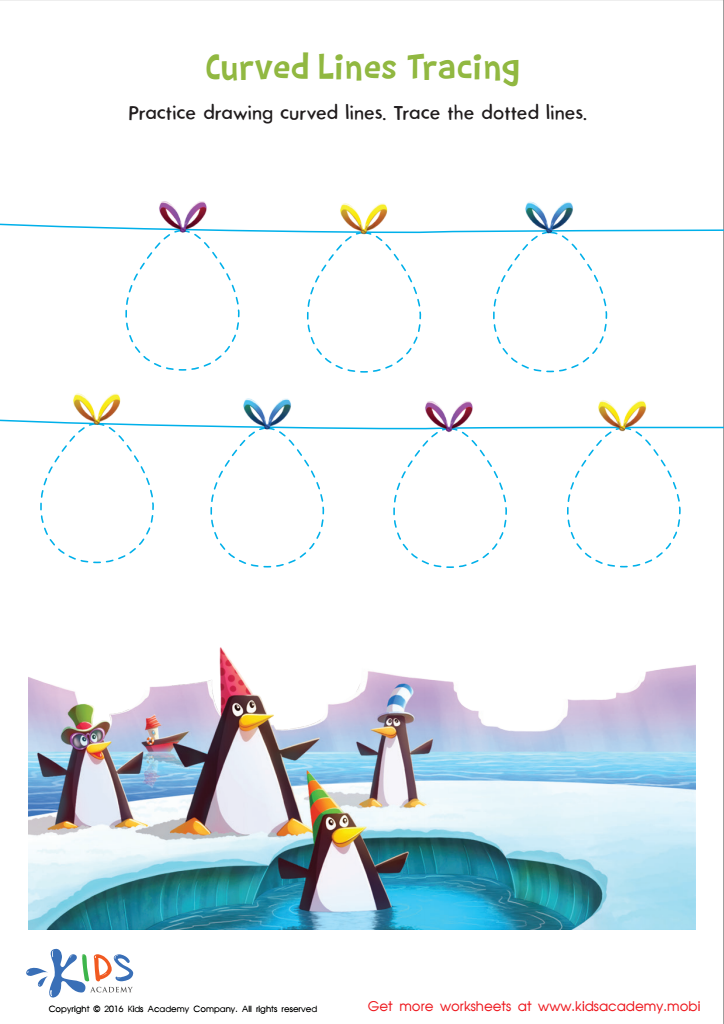
Curved Lines Tracing Worksheet
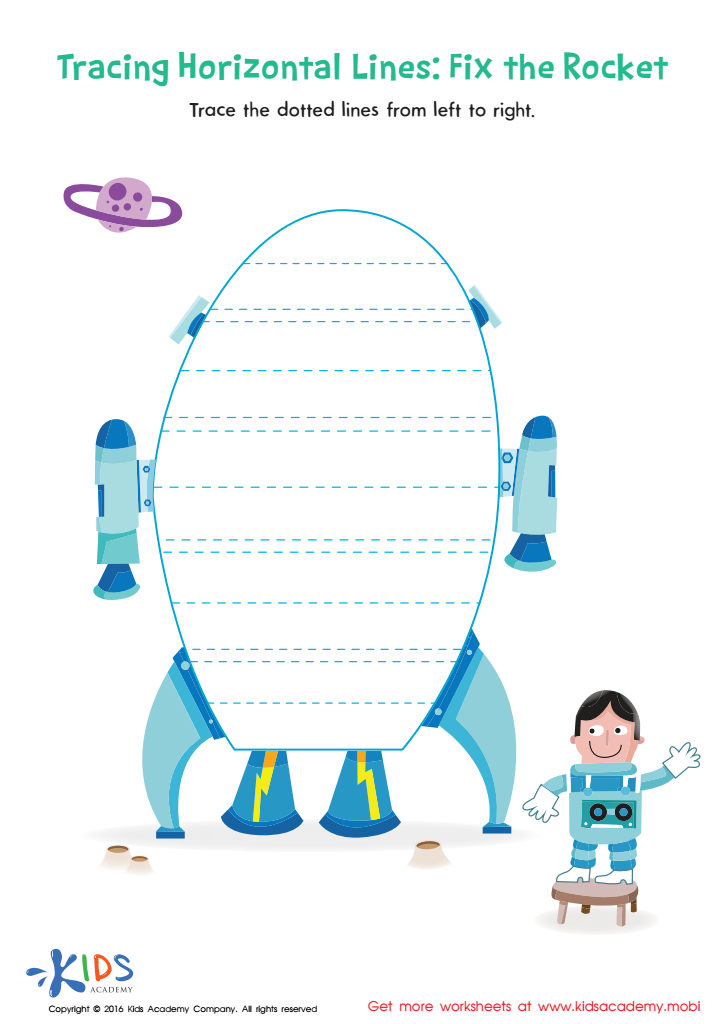
Tracing Horizontal Lines Worksheet




Hand-eye coordination (HEC) is a crucial developmental skill that enables children to synchronize their hand movements with visual input. For children aged 4-7, practicing normal tracing of lines and curves significantly contributes to this coordination. Parents and teachers should care about this skill because it lays the foundation for more complex tasks in both academic and daily life settings.
At this age, children are developing fine motor skills necessary for writing, drawing, and self-care activities like buttoning shirts. Normal tracing activities help strengthen hand muscles and improve dexterity, enabling them to write clearly and perform tasks with greater independence. Additionally, these exercises enhance cognitive abilities as children learn to focus, remember, and execute tasks.
Furthermore, mastering HEC through tracing promotes confidence. Children experience a sense of accomplishment as they progress in their skills, which in turn motivates them to take on new challenges. This developmental milestone also prepares them for future academic success, as handwriting becomes an essential part of their learning journey. By prioritizing tracing lines and curves, parents and teachers play an instrumental role in fostering a child's overall development—physically, cognitively, and emotionally.







