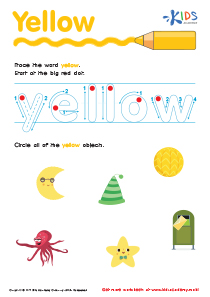
Motor skills development Normal English for Beginners Worksheets for Ages 4-7
3 filtered results
-
From - To
Introduce your child to the exciting world of learning with our "Motor Skills Development Normal English for Beginners Worksheets for Ages 4-7". These engaging and educational worksheets are specifically designed to help young learners enhance their fine motor skills while beginning their journey in English. With fun activities that include tracing, coloring, and simple writing tasks, kids will enjoy practicing essential skills in a playful manner. Perfect for parents and educators, these worksheets offer a valuable resource to support early childhood development and lay the foundation for future educational success. Empower your child's growth with our expertly crafted materials.

Letter H Tracing Page
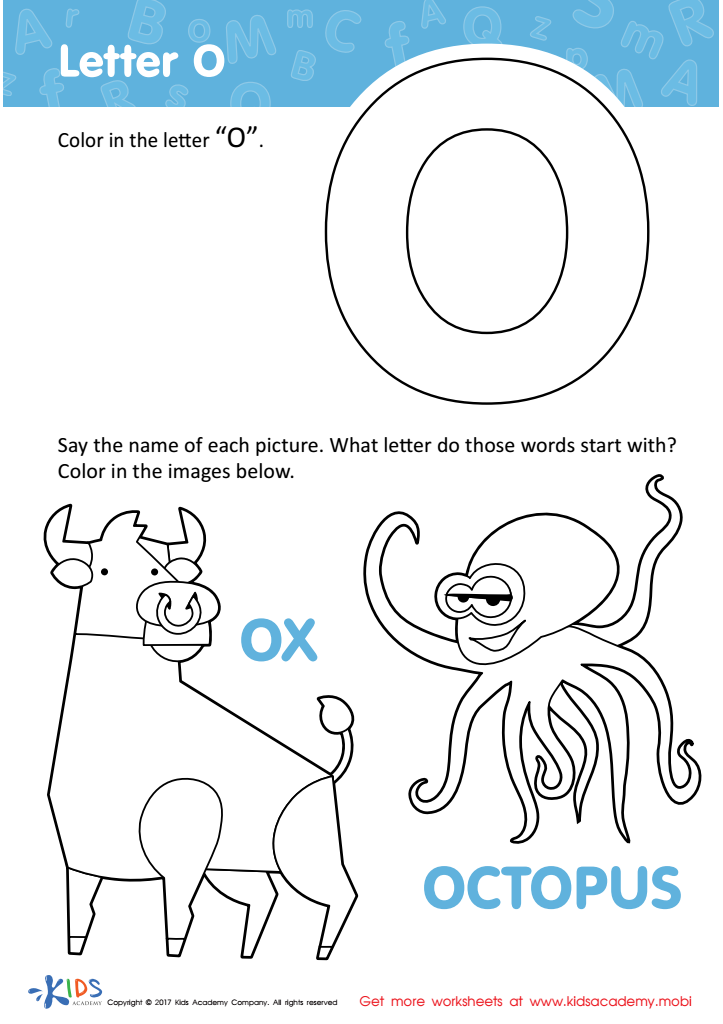
Letter O Coloring Sheet
 Assign to My Students
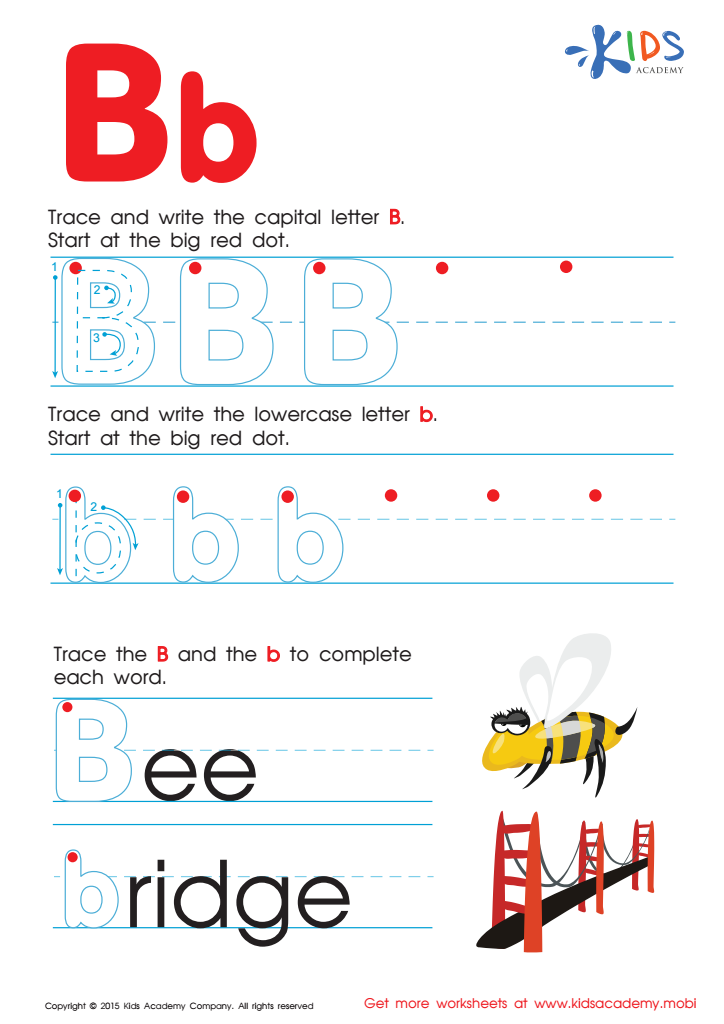
Letter B Tracing Page




Parents and teachers should care about motor skills development in children aged 4-7 because these skills are key building blocks for everyday tasks and overall growth. Motor skills involve the ability to move and control the body, which falls into two main types: gross motor skills and fine motor skills. Gross motor skills use large muscles and include activities like running, jumping, and climbing. Fine motor skills use smaller muscles for tasks like writing, buttoning a shirt, and using scissors.
Developing these skills early helps children become more confident and independent. For instance, good motor skills can improve handwriting, making school activities easier and more enjoyable. Children with well-developed gross motor skills are better at sports and active play, which are important for their physical health and social interactions. Poor motor skills can lead to frustration and lower self-esteem.
Motor skills also support academic learning. When kids can use their hands well, they can better engage in drawing and manipulating small objects, which are often part of classroom activities. By fostering motor skills, parents and teachers are not only helping children be more active and healthy but also helping them succeed in school and socially. In short, focusing on motor skills sets a strong foundation for a child's overall development.