Analytical thinking Normal Reading Comprehension Worksheets for Ages 4-7
3 filtered results
-
From - To
Discover our Analytical Thinking Normal Reading Comprehension Worksheets designed for ages 4-7! These engaging activities help young learners develop critical analytical skills while enhancing their reading comprehension. Each worksheet is tailored to challenge children with age-appropriate texts, asking questions that encourage them to think deeply and analyze content. Perfect for classroom or home use, our worksheets support the development of essential skills, including problem-solving, logical thinking, and understanding cause and effect. Invest in your child's cognitive growth and literacy with our thoughtfully crafted resources. Explore today and nurture your child's analytical and comprehension abilities!
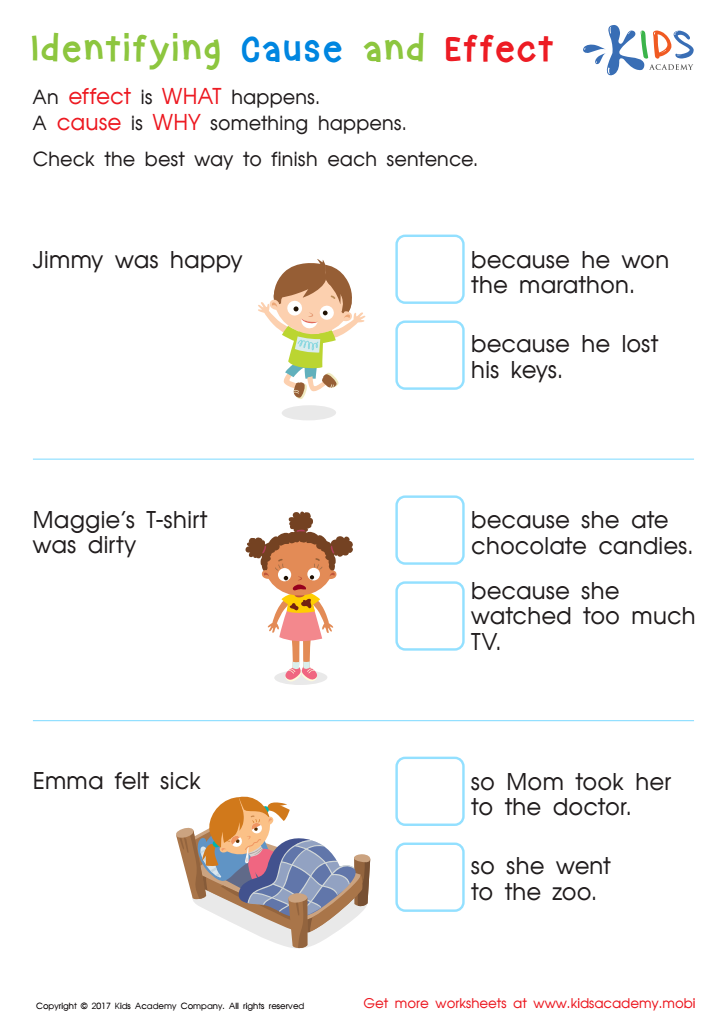
Indentifying Cause and Effect Worksheet
 Assign to My Students
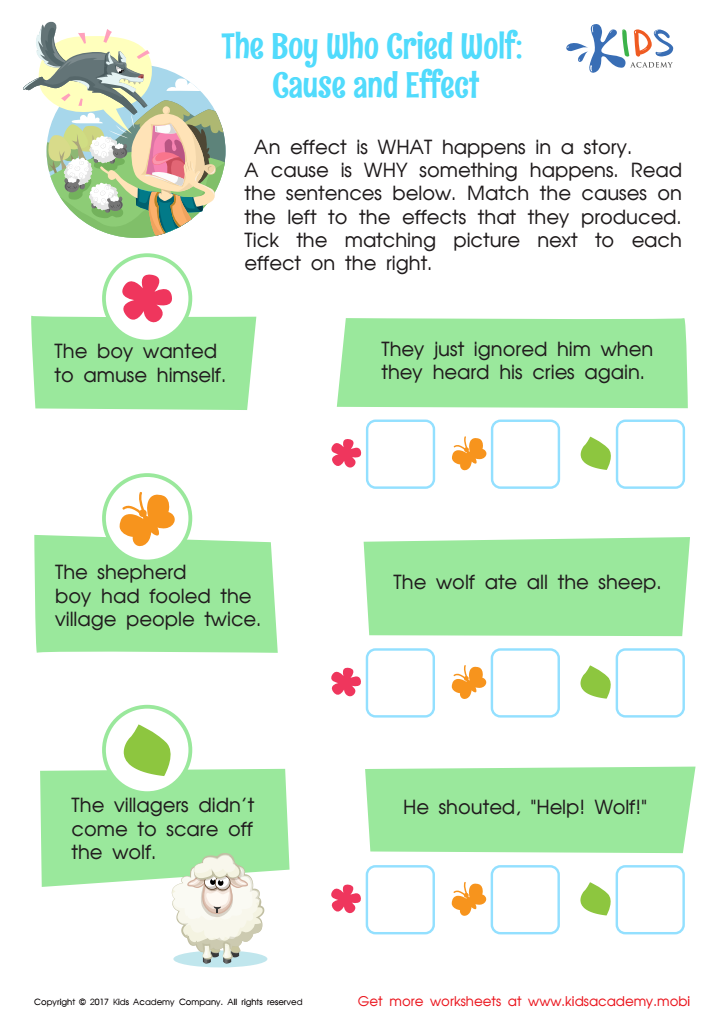
The Boy Who Cried Wolf: Cause and Effect Worksheet
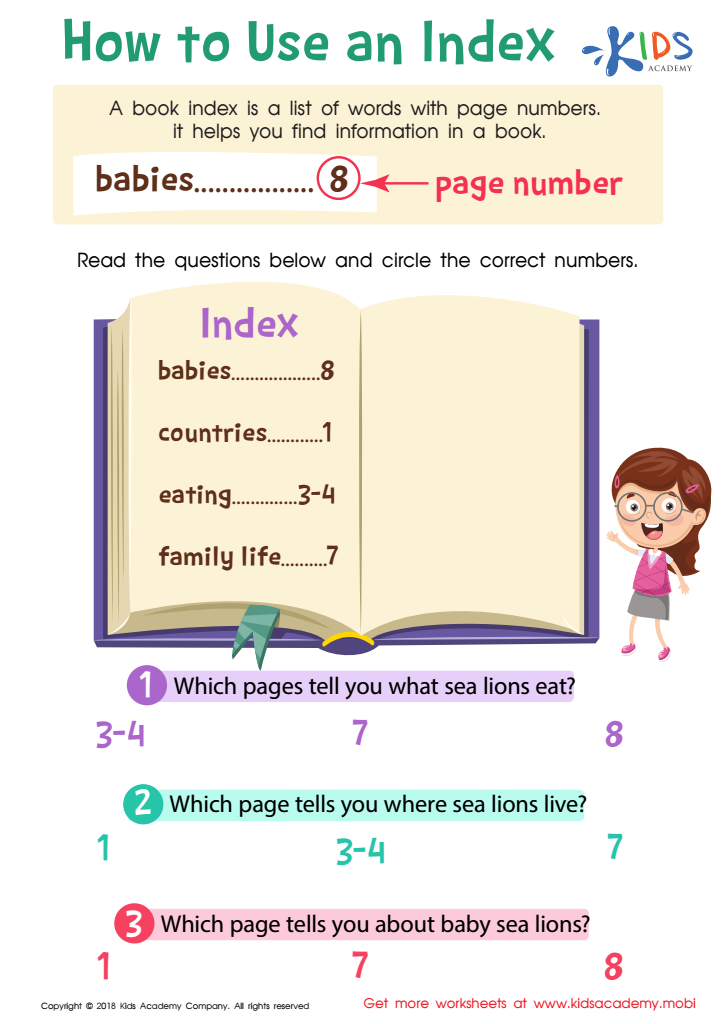
How Use Index Worksheet








Analytical thinking and normal reading comprehension are crucial for children aged 4-7 as foundational skills that support overall cognitive and academic development. During these early years, children's brains are incredibly receptive to learning, making it an optimal period to cultivate essential analytical and reading skills. Analytical thinking enables young learners to understand, process, and apply information, fostering problem-solving abilities and critical thinking. These skills not only improve academic achievements but also prepare children for real-life challenges.
Normal reading comprehension at this age builds the foundation for fluent reading, which influences other learning areas like math, science, and social studies. When children understand what they read, it enhances vocabulary, language skills, and cognitive functions. Improved reading comprehension also increases attention span and encourages an interest in learning new things.
For teachers and parents, investing in these skills early can lead to significant benefits. It promotes independent learning, boosts confidence, and sets the stage for lifelong educational success. By nurturing analytical thinking and comprehension abilities, we help children develop into thoughtful, informed individuals capable of making reasoned decisions and effectively communicating their ideas. Therefore, emphasizing these core skills at an early age is pivotal in paving the way for future academic and personal success.








