Motor skills development Normal Alphabet Worksheets for 4-Year-Olds
3 filtered results
-
From - To
Enhance your 4-year-old's motor skills with our engaging Normal Alphabet Worksheets! Designed to support early childhood development, these worksheets help little hands practice essential writing movements while learning the alphabet. Each activity is crafted to boost coordination and control, making it easier for young learners to form letters and words. With colorful designs and fun exercises, children will enjoy improving their fine motor skills as they trace, write, and engage with letters. Ideal for at-home learning or classroom activities, our worksheets provide a perfect blend of education and enjoyment, laying a strong foundation for future success in reading and writing.
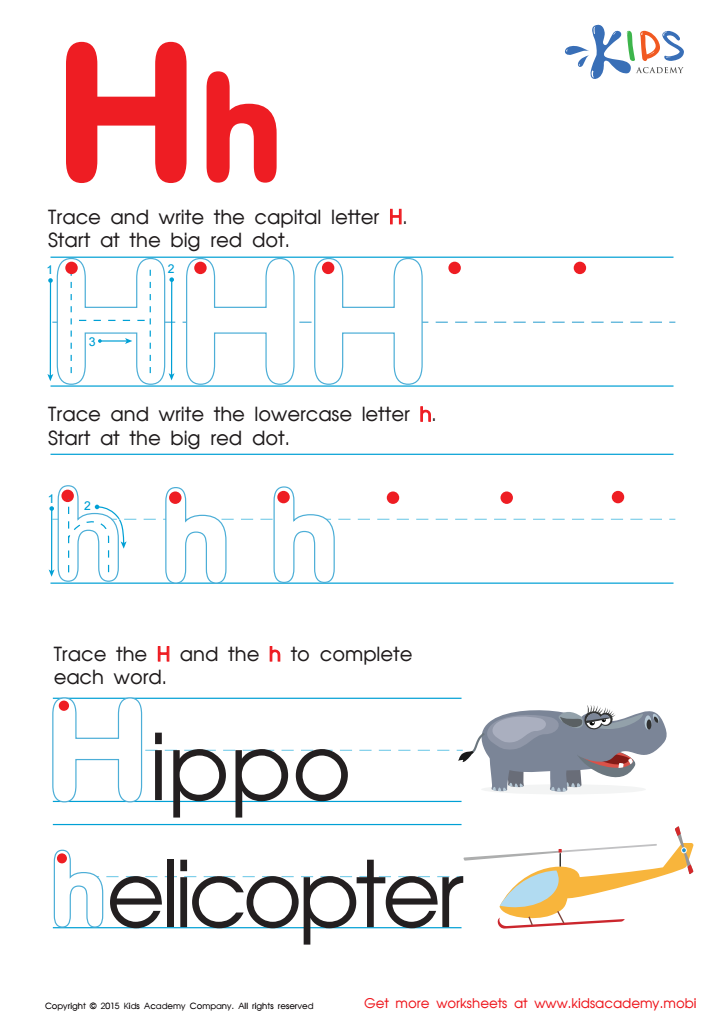
Letter H Tracing Page
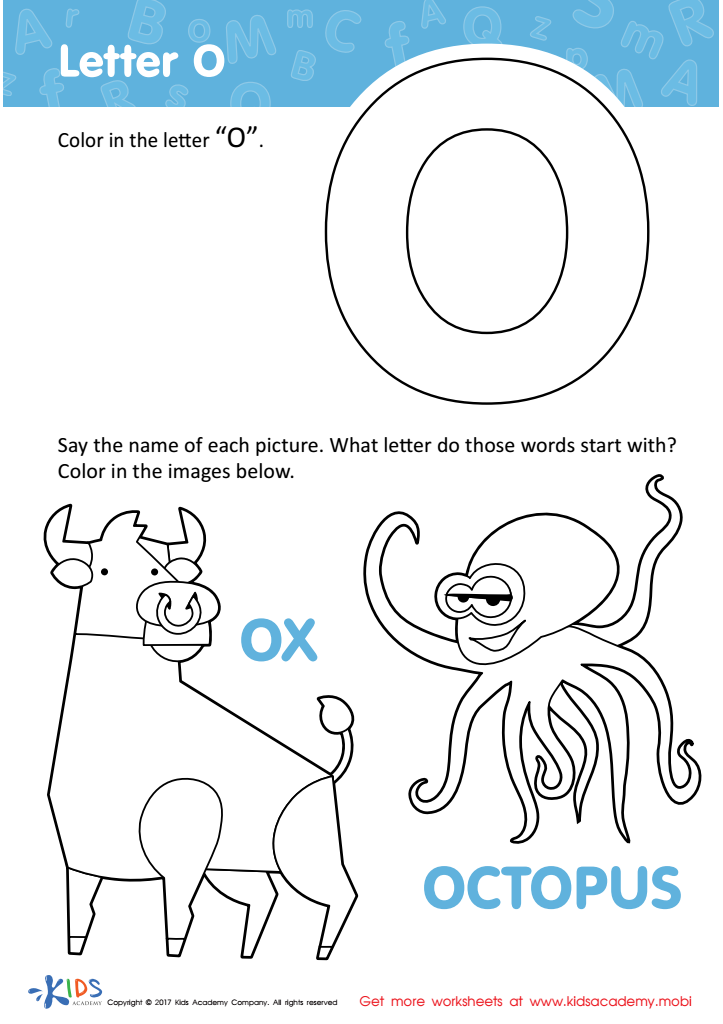
Letter O Coloring Sheet
 Assign to My Students
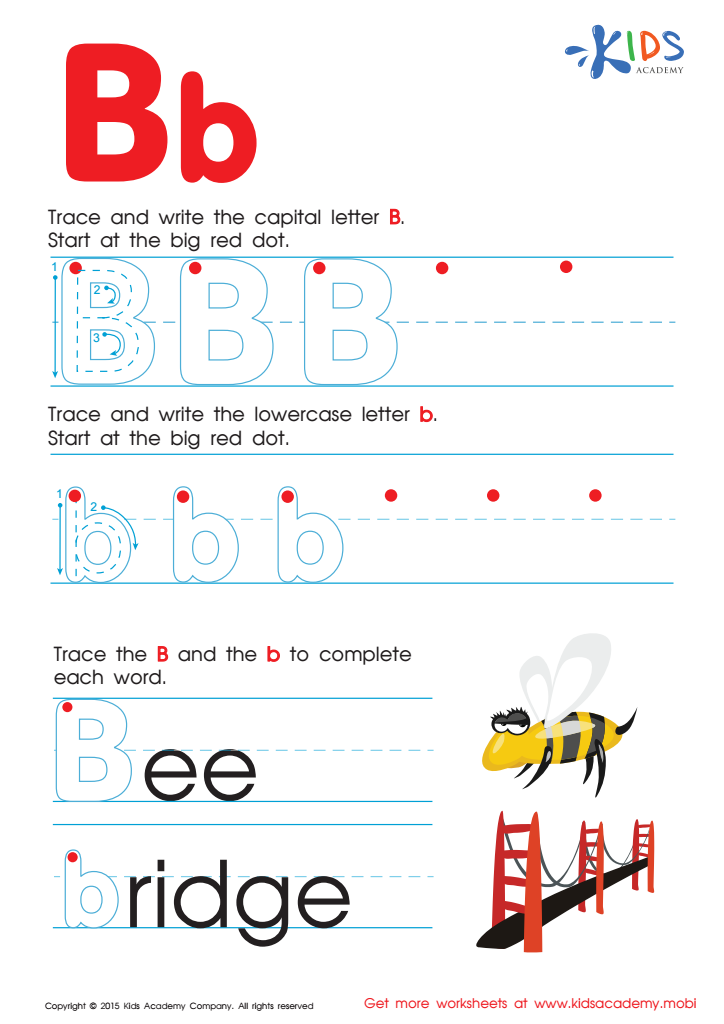
Letter B Tracing Page







Motor skills development is crucial for 4-year-olds, as it lays the foundation for their overall growth and learning abilities. Parents and teachers should care about this aspect of a child's development because it significantly impacts their physical coordination, academic success, and social interactions. Fine motor skills, such as using scissors, drawing, and writing, are essential for tasks that require hand-eye coordination, which children will encounter in school and daily life.
At this age, developing gross motor skills, like running, jumping, and climbing, enhances a child's physical confidence, encouraging active play and socialization with peers. Engaging in activities that promote these skills fosters cognitive abilities too, as children learn to plan their movements and solve problems.
Moreover, strong motor skills are linked to emotional regulation and self-esteem. As children master these skills, they feel a sense of accomplishment, boosting their confidence and workplace readiness. Parents and teachers play a vital role in providing opportunities and activities that encourage motor skill development, enriching a child's learning environment and helping them thrive both in school and outside of it. Supporting motor development ensures children are prepared for future academic challenges and cultivate a lifelong love for learning and active play.







