Writing practice Normal Alphabet Worksheets for 4-Year-Olds
6 filtered results
-
From - To
Discover our "Writing Practice Normal Alphabet Worksheets" designed for 4-year-olds to foster early literacy skills. These engaging worksheets provide a fun and interactive way for young learners to practice writing both uppercase and lowercase letters. Each worksheet is thoughtfully crafted to enhance motor skills and promote letter recognition through varied activities, ensuring a balanced approach to learning. With colorful illustrations and simple instructions, children will enjoy practicing their letters while building confidence in their writing abilities. Perfect for home or classroom use, these worksheets are an essential resource for nurturing budding writers! Download now and inspire a love for writing!
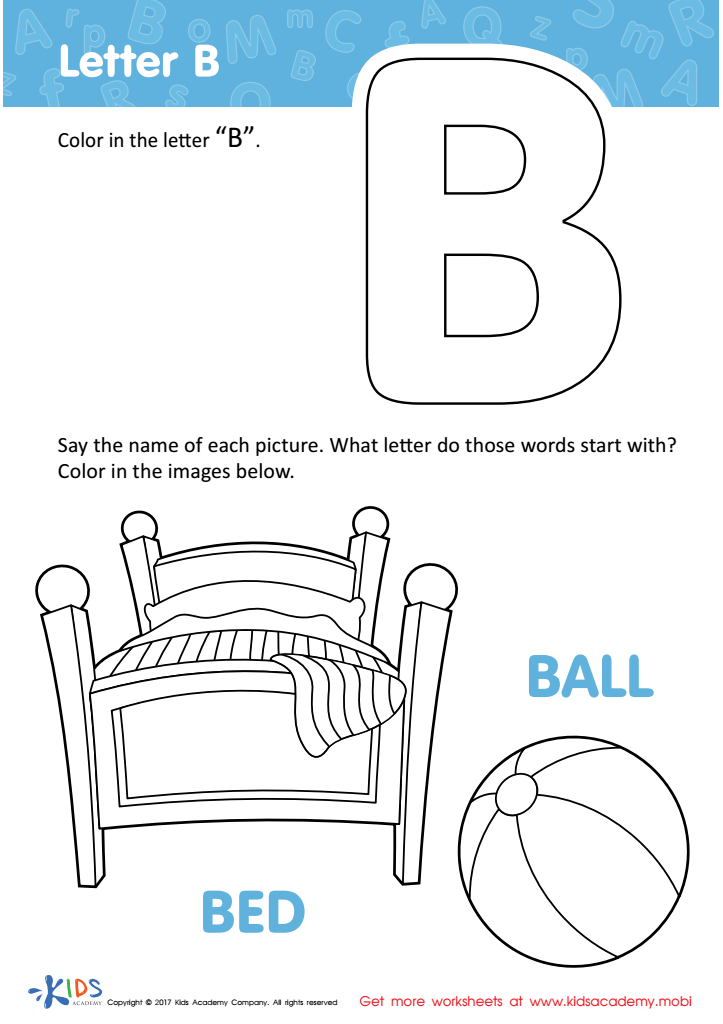
Letter B Coloring Sheet
 Assign to My Students
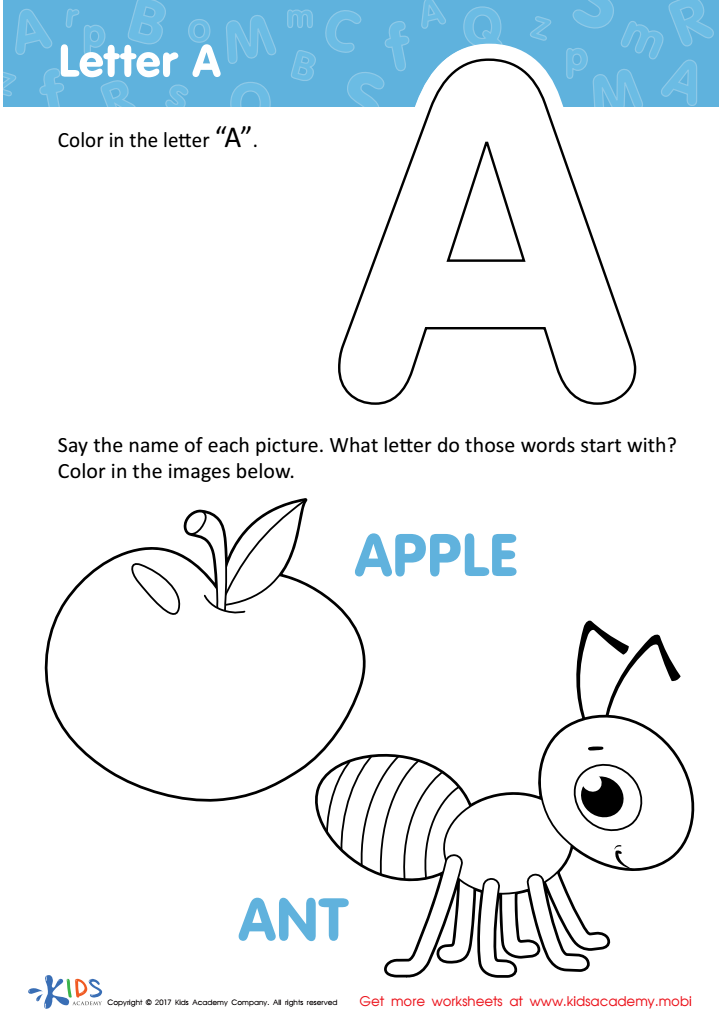
Letter A Coloring Sheet
Assign to My Students

Letter H Tracing Page
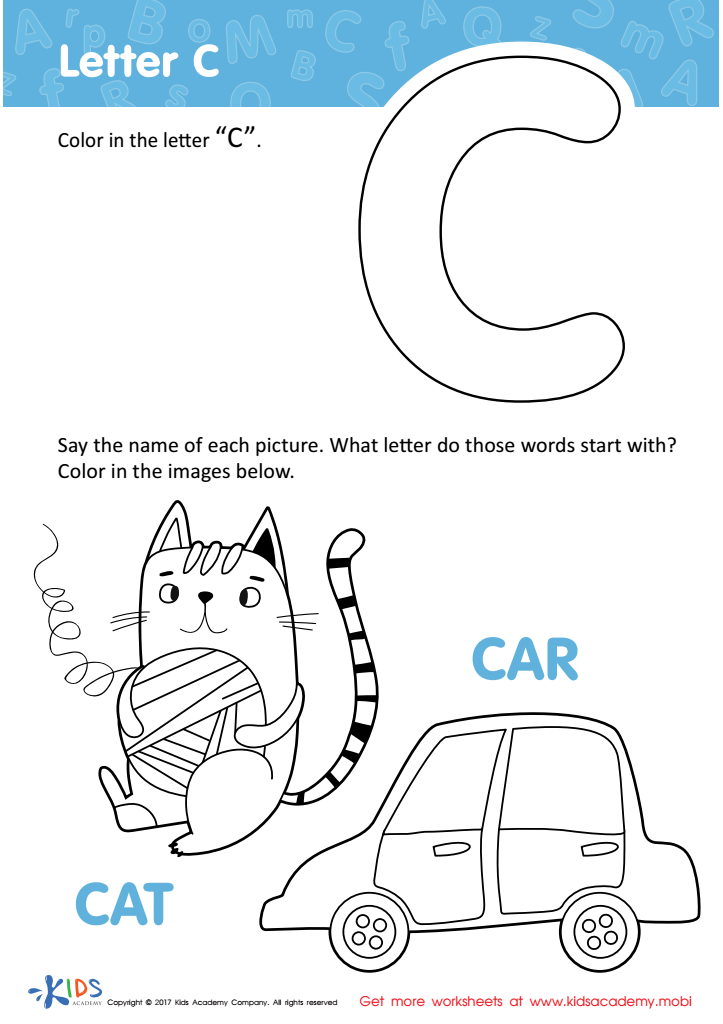
Letter C Coloring Sheet
Assign to My Students
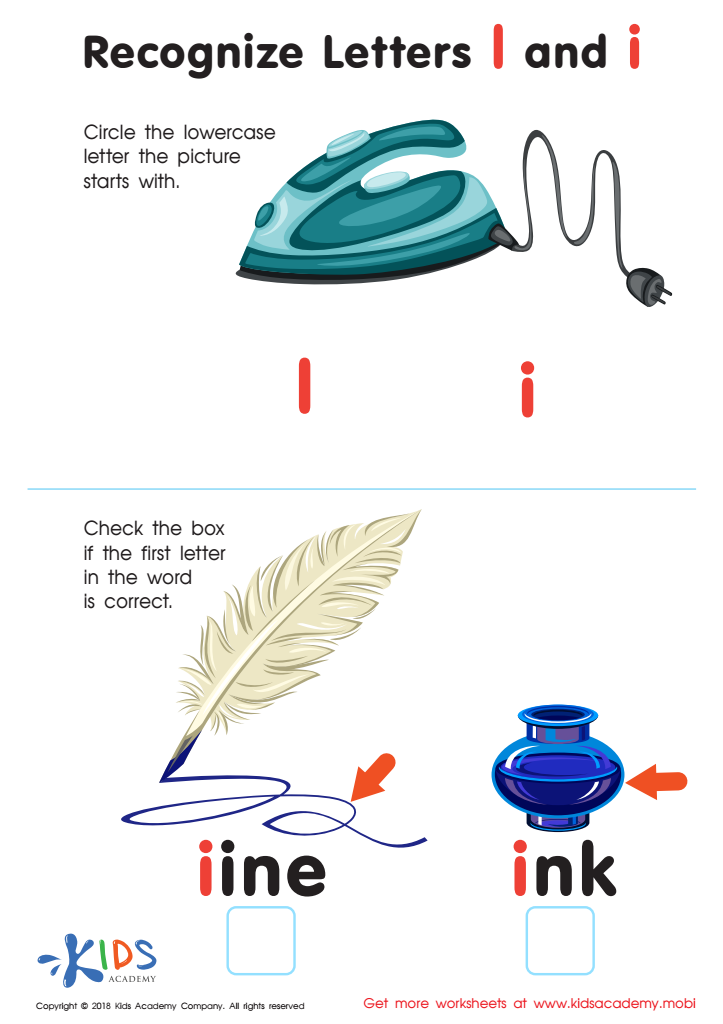
Recognize Letters l and i Worksheet
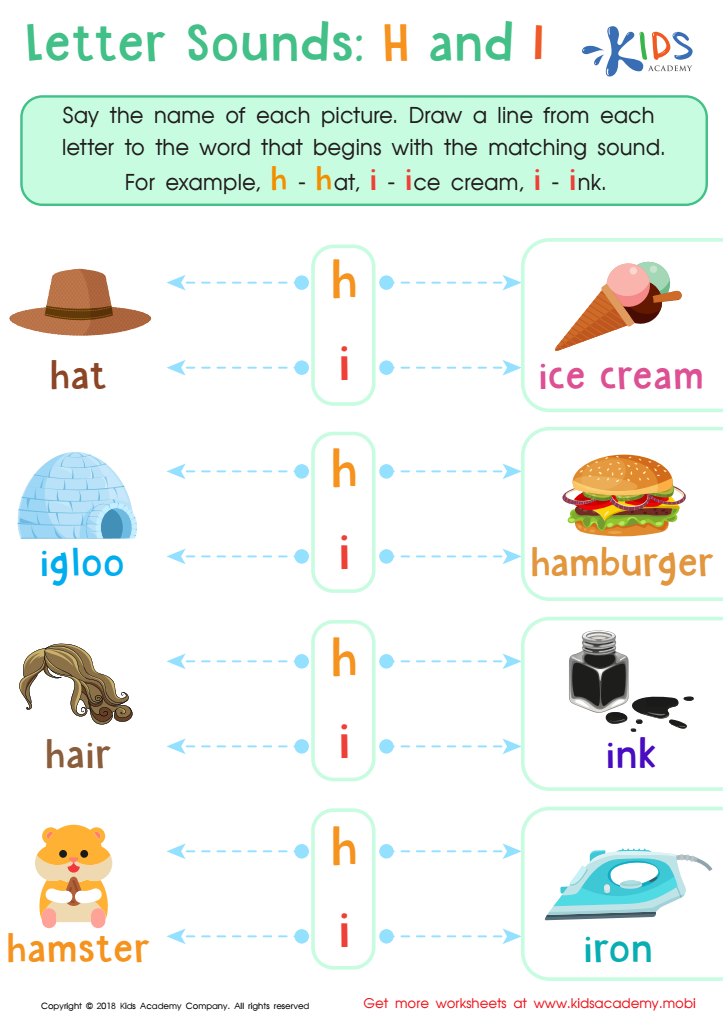
Letter H and I Sounds Worksheet








Writing practice using the normal alphabet for 4-year-olds is essential for several reasons. First, this practice helps children develop fine motor skills vital for writing. Holding a pencil or crayon promotes hand-eye coordination and strengthens the small muscles in their hands and fingers. These skills are foundational for future writing tasks and other daily activities.
Second, early writing contributes to literacy development. Learning to recognize and form letters enhances children’s understanding of phonics and spelling, which are critical components of reading. Engaging with the alphabet fosters a love for letters and words, setting the stage for successful reading and writing experiences later on.
Moreover, writing practice encourages creativity and self-expression. As children start to put their thoughts and ideas on paper, they learn to communicate effectively, building confidence in their abilities to convey messages.
Finally, routine writing activities allow for bonding time between parents, teachers, and children, creating an environment that values education and exploration. By prioritizing writing practice at this early stage, parents and educators lay a solid foundation for essential literacy skills, social-emotional growth, and a lifelong love of learning. Investing time and effort in writing practice will undoubtedly reap long-term educational benefits.







