Alphabet Recognition Normal Letter Recognition Worksheets for 4-Year-Olds
29 filtered results
-
From - To
Enhance your child's early literacy skills with our engaging Alphabet Recognition Normal Letter Recognition Worksheets designed specifically for 4-year-olds! Our worksheets offer a fun and interactive way to help young learners identify uppercase and lowercase letters. With colorful illustrations and age-appropriate activities, your child will develop essential skills through tracing, coloring, and matching exercises. These worksheets are perfect for reinforcing letter recognition at home or in the classroom. Foster a positive learning experience and boost their confidence in reading as they explore the alphabet in an enjoyable and effective manner. Start your child's journey to literacy today with our captivating printable resources!
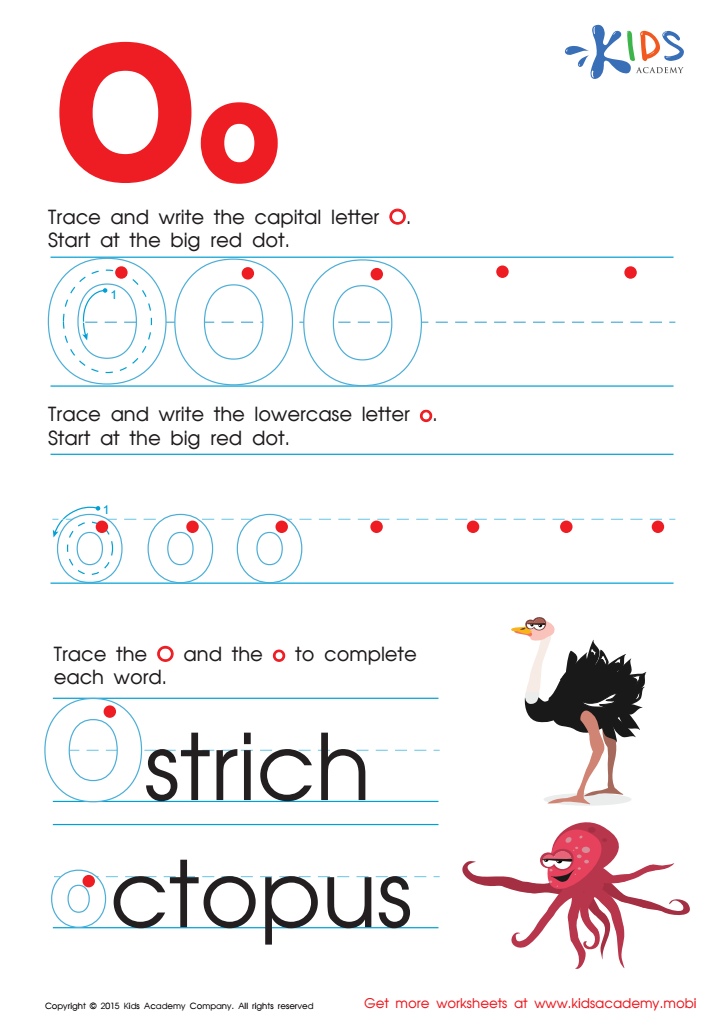
Letter O Tracing Page
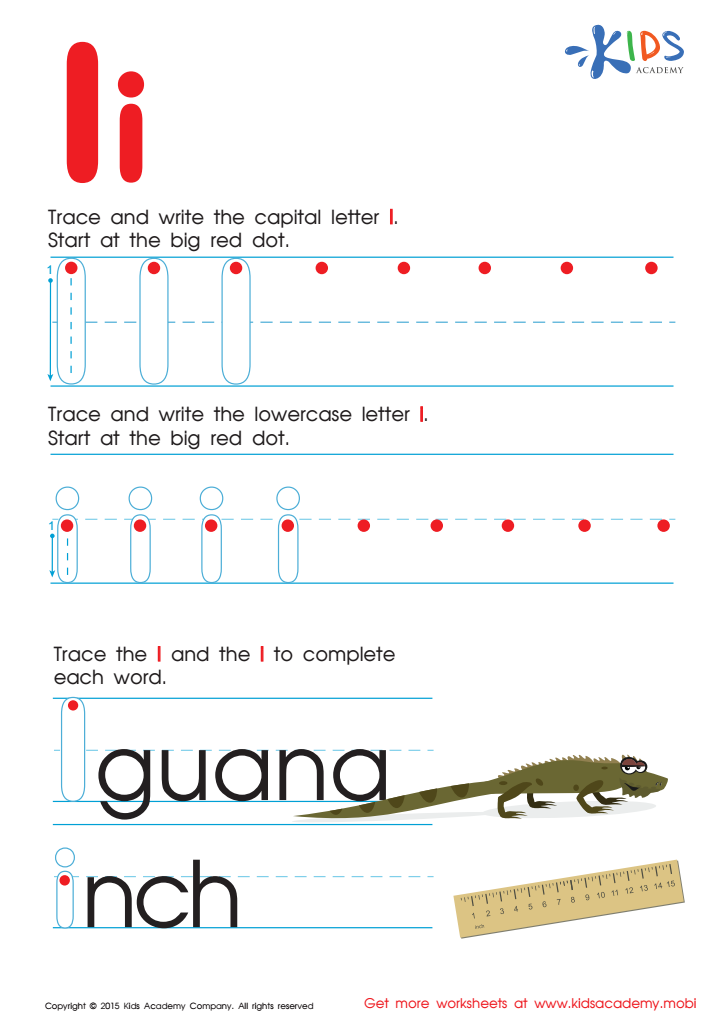
Letter I Tracing Page
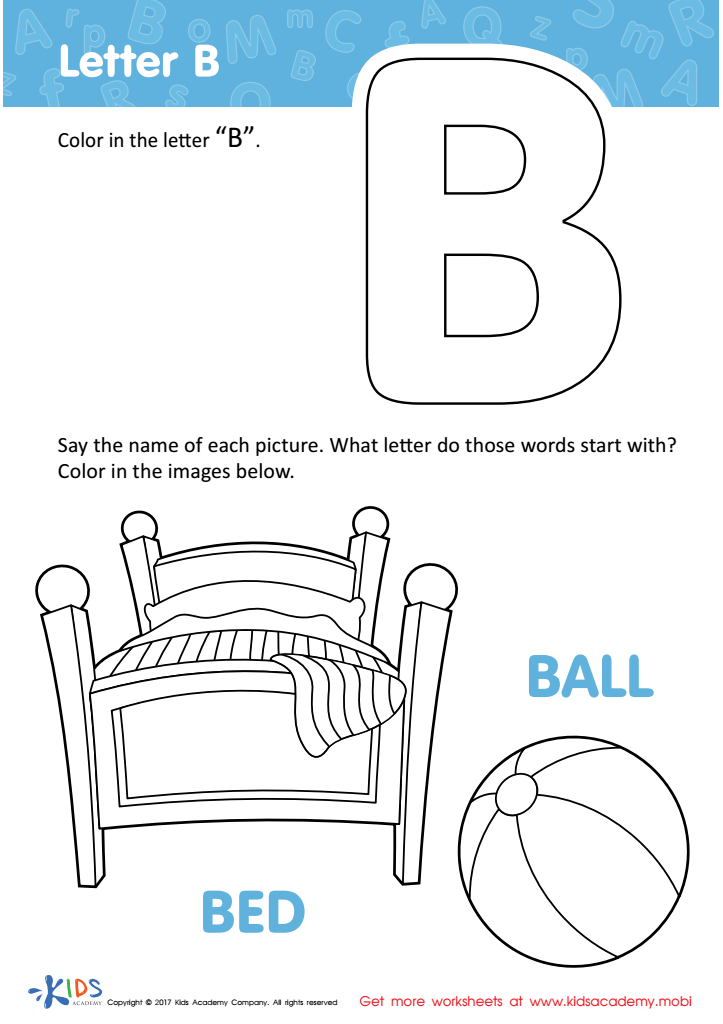
Letter B Coloring Sheet
 Assign to My Students
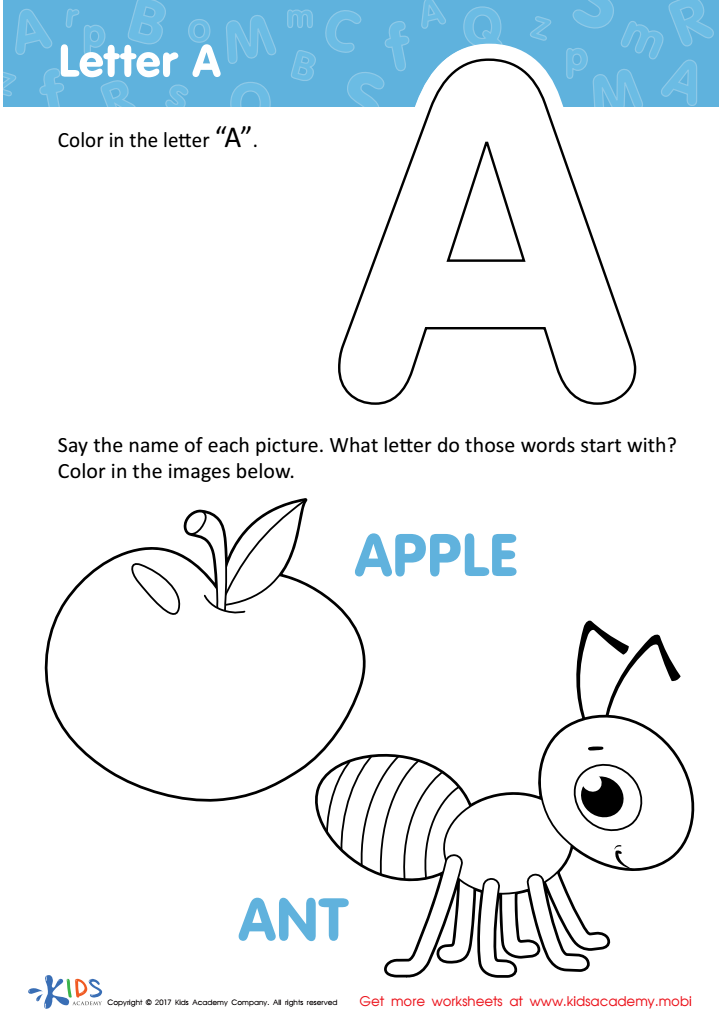
Letter A Coloring Sheet
Assign to My Students
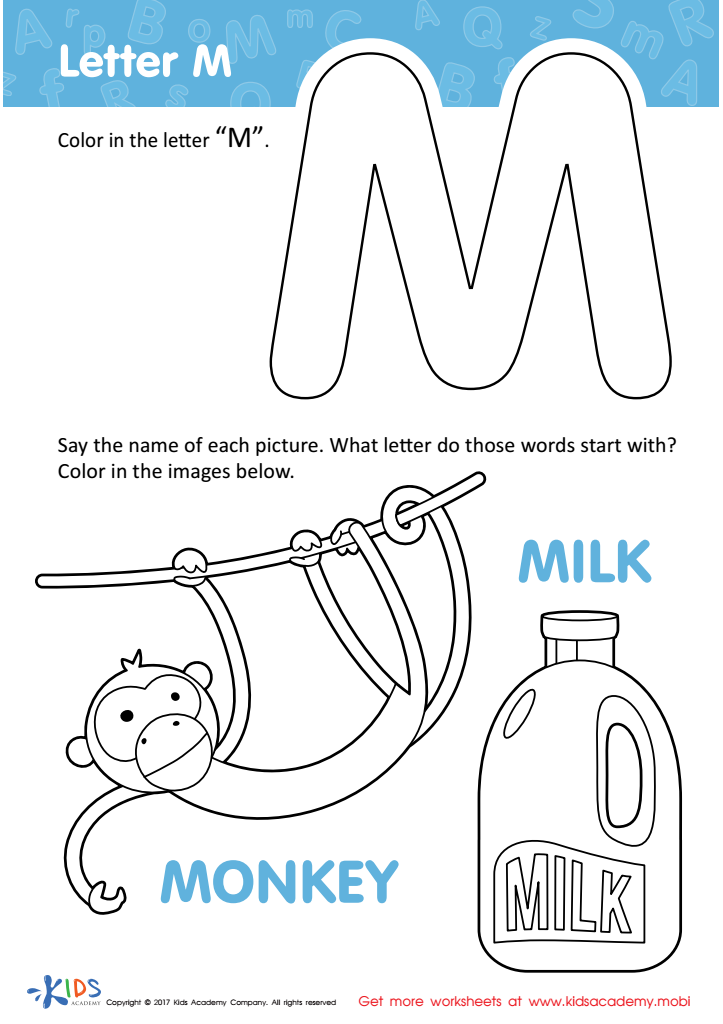
Letter M Coloring Sheet
Assign to My Students
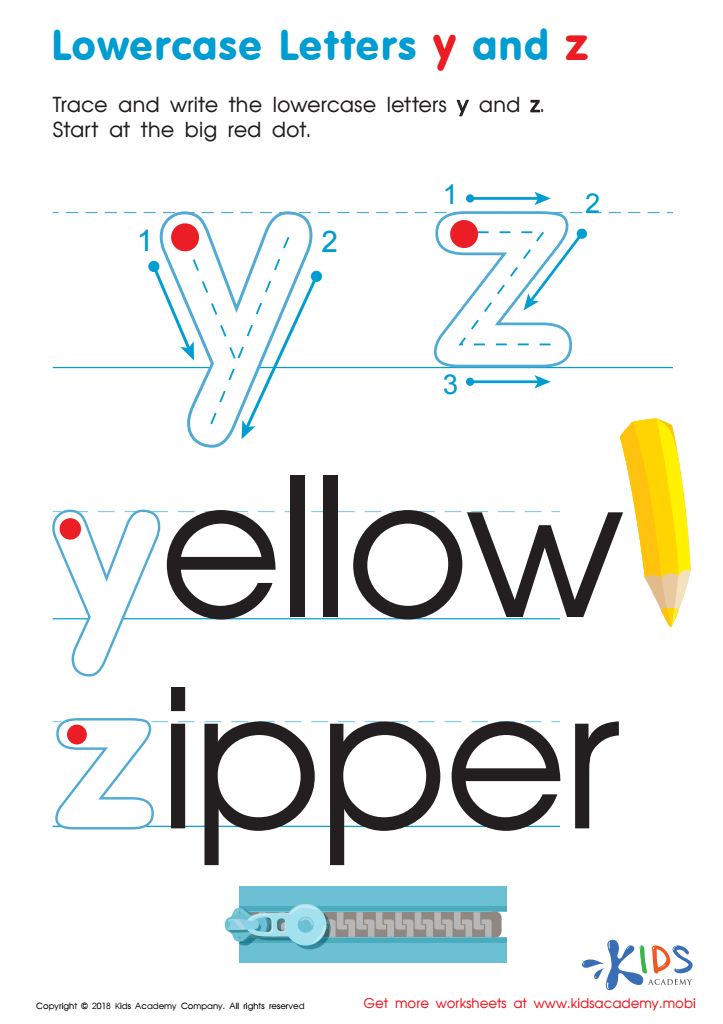
Lowercase Letters y z Worksheet
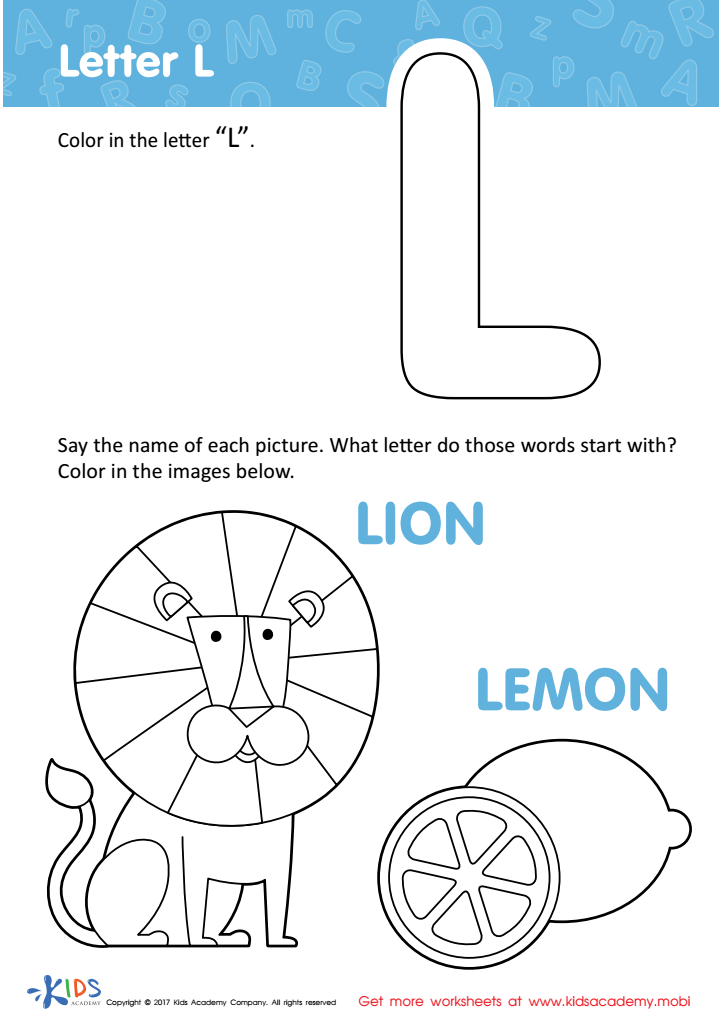
Letter L Coloring Sheet
Assign to My Students

Letter C Tracing Page
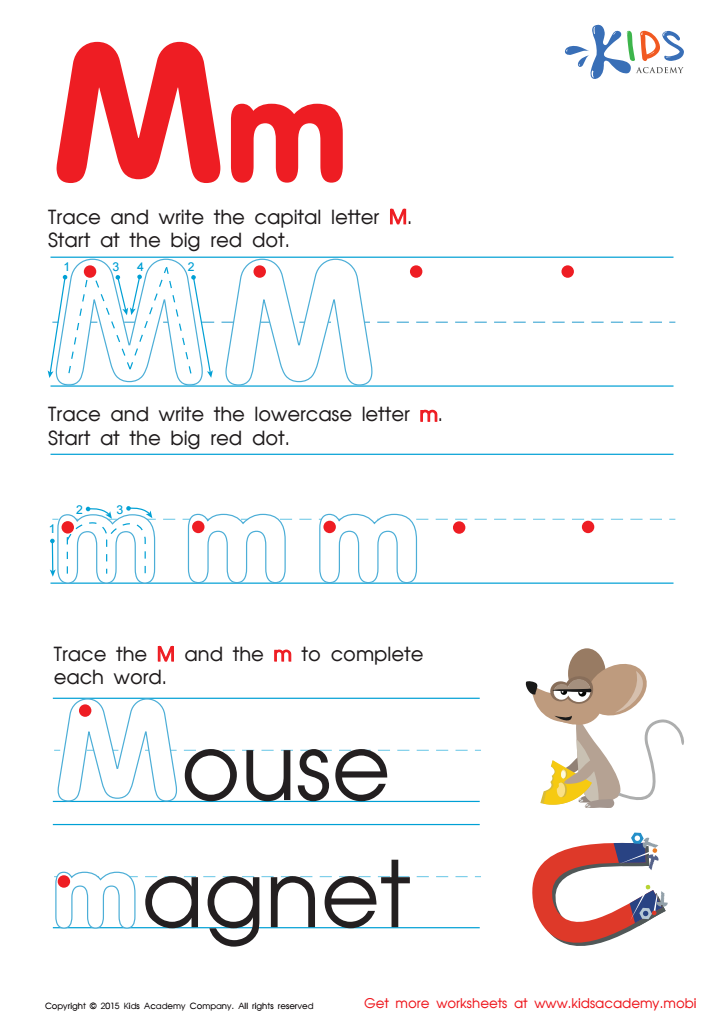
Letter M Tracing Page
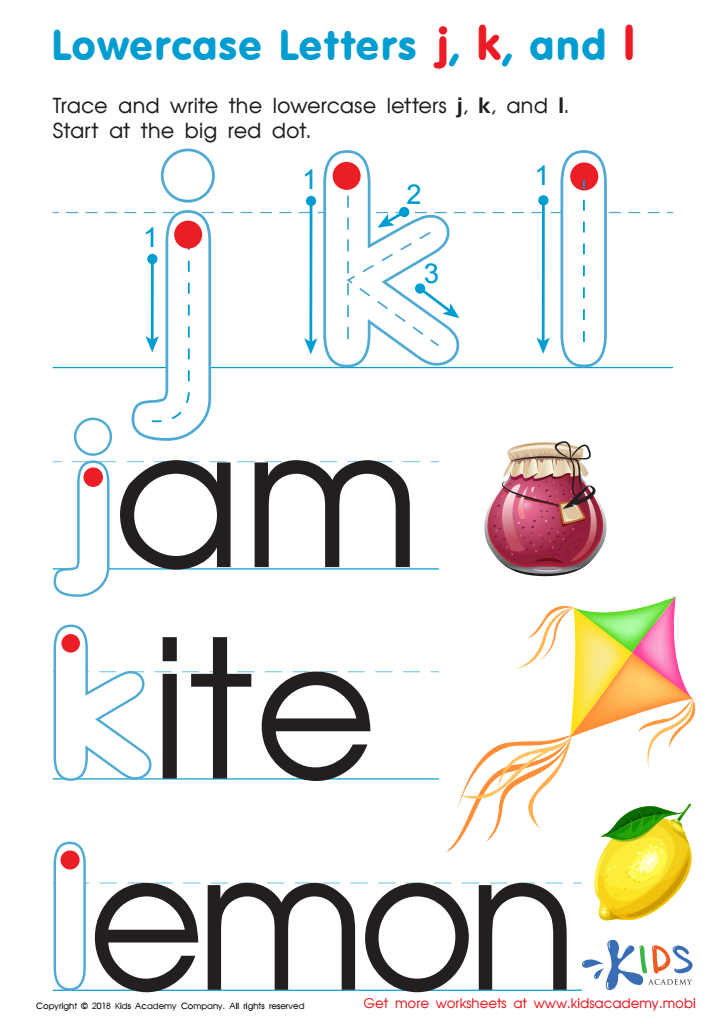
Lowercase Letters j k l Worksheet
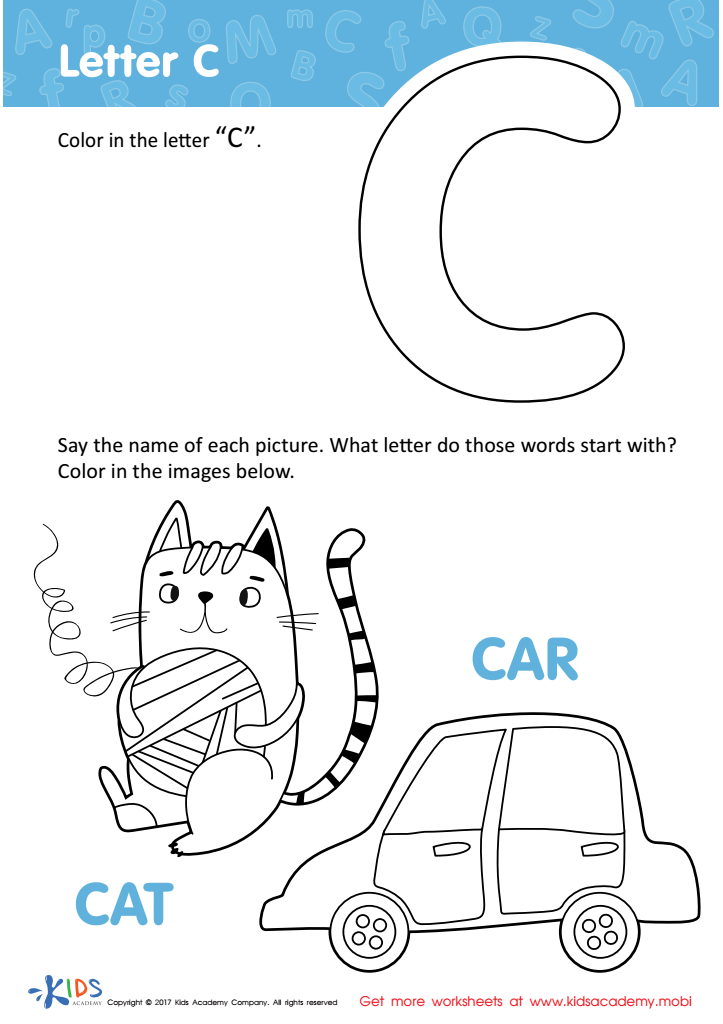
Letter C Coloring Sheet
Assign to My Students
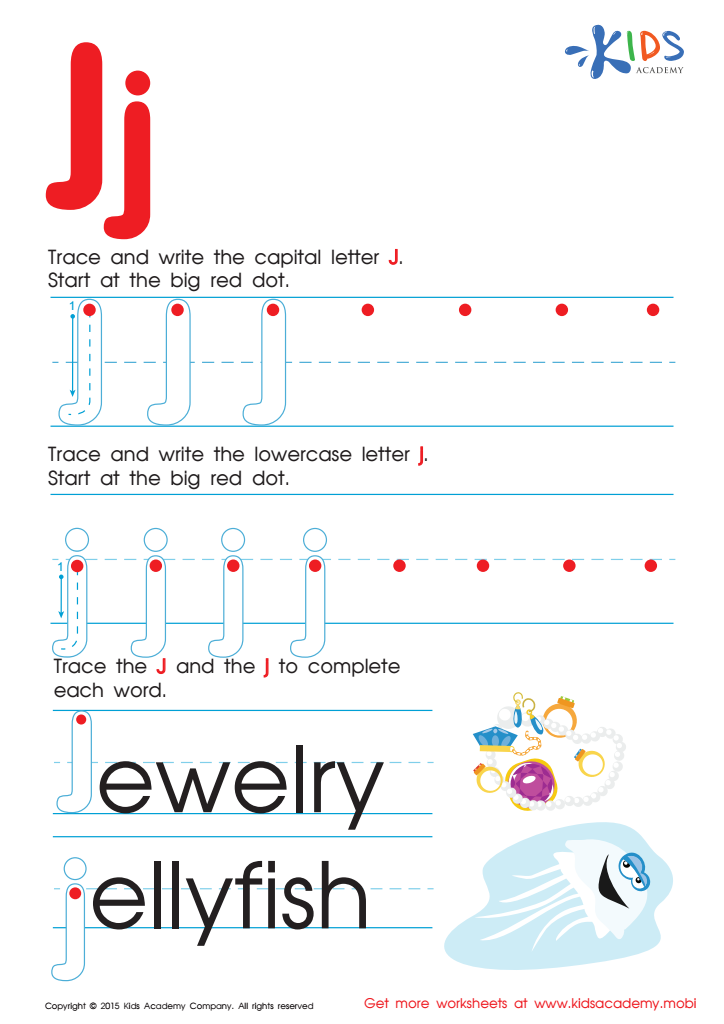
Letter J Tracing Page
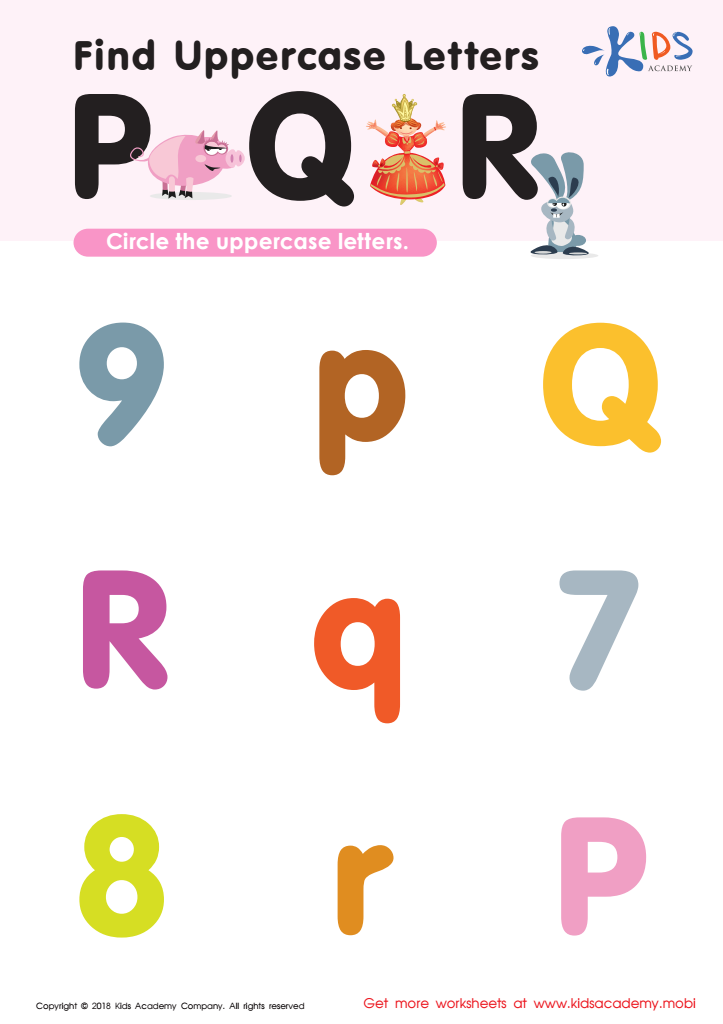
Find Uppercase Letters P, Q, and R Worksheet
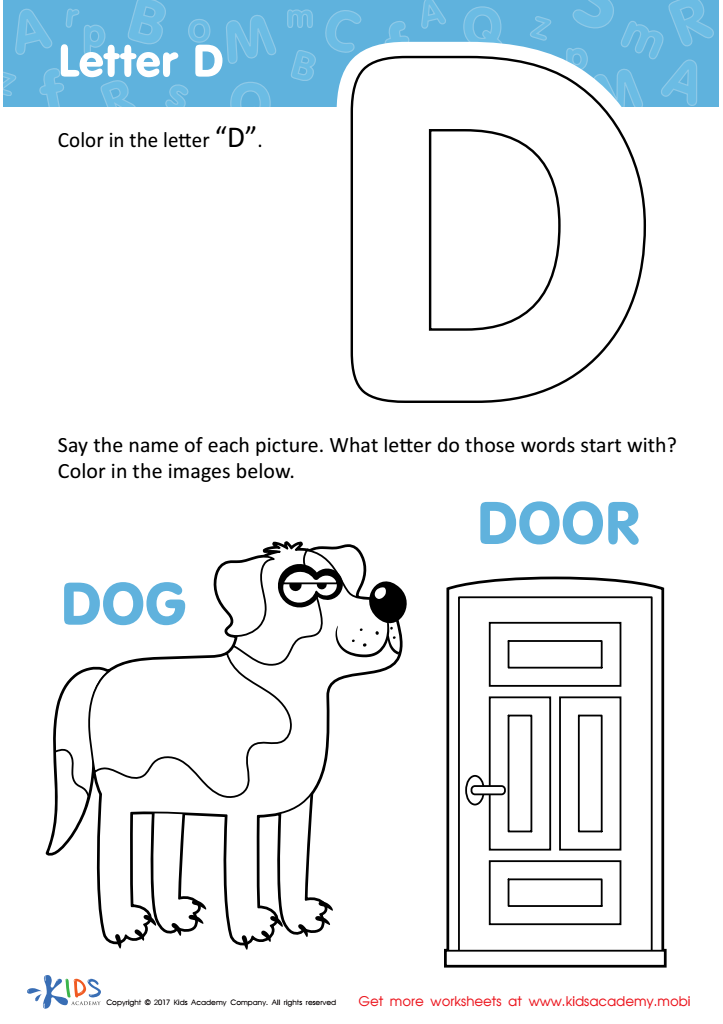
Letter D Coloring Sheet
Assign to My Students
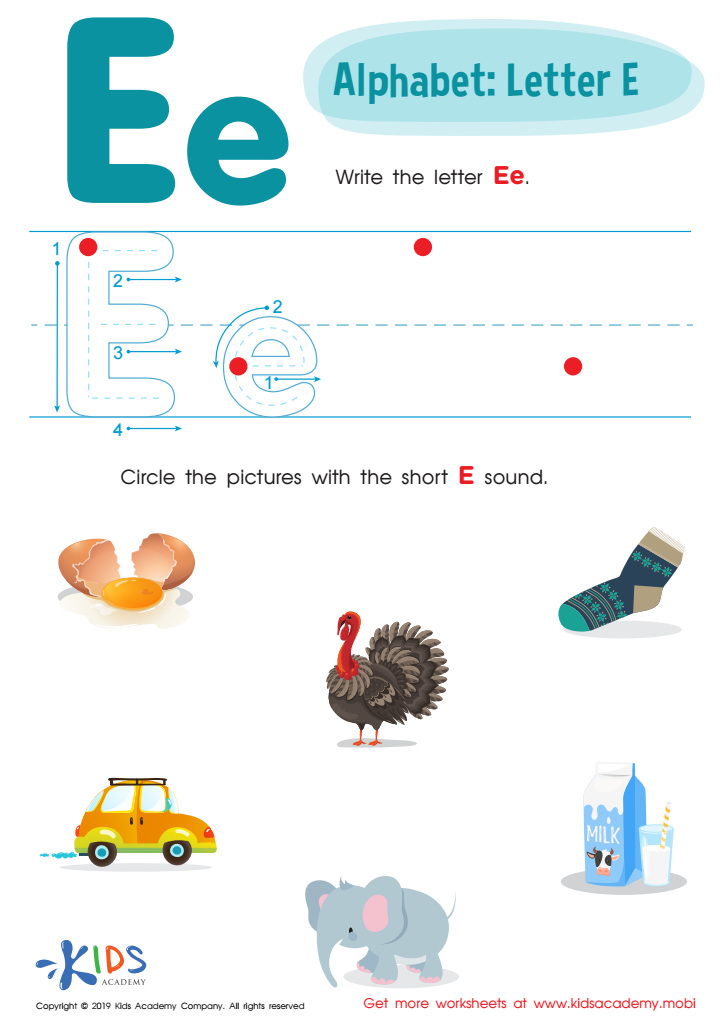
Letter E Tracing Worksheet
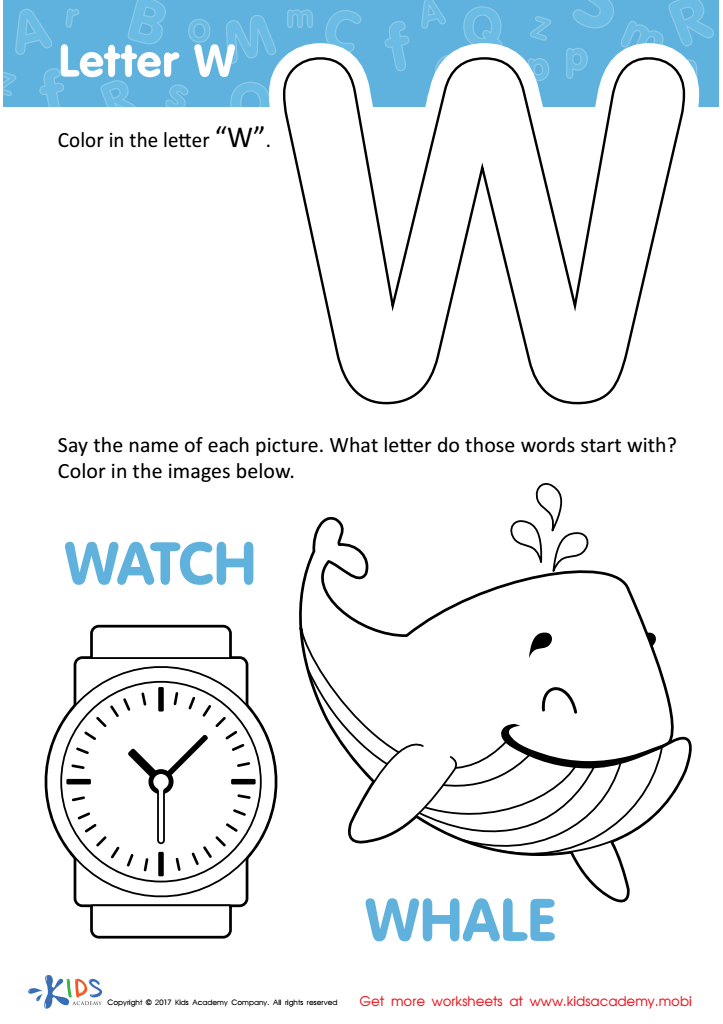
Letter W Coloring Sheet
Assign to My Students
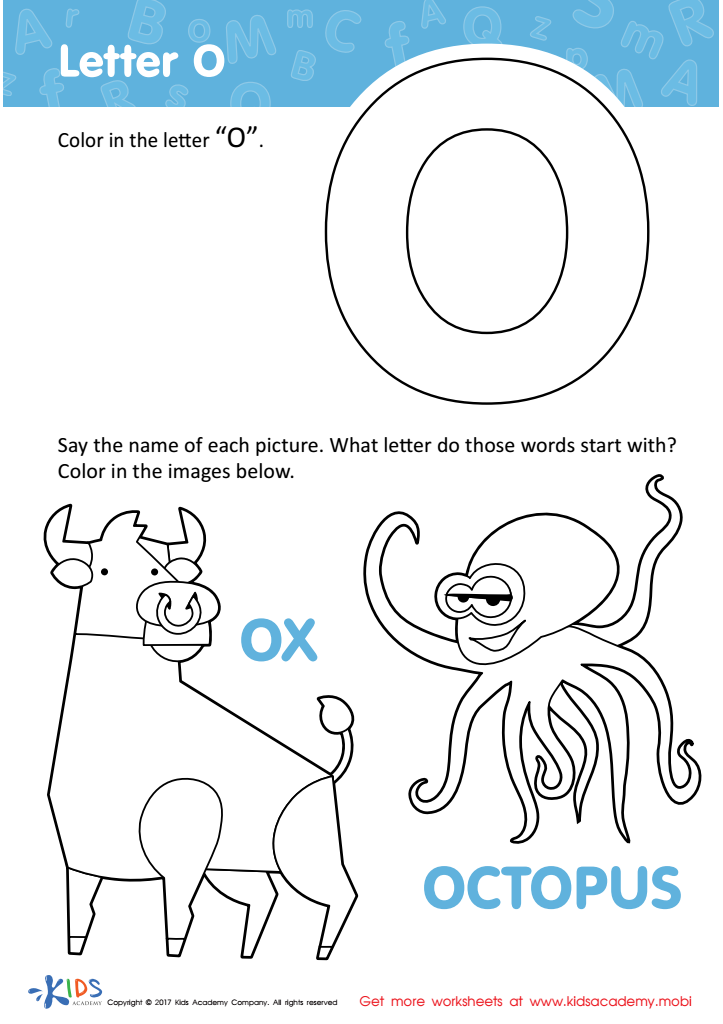
Letter O Coloring Sheet
Assign to My Students
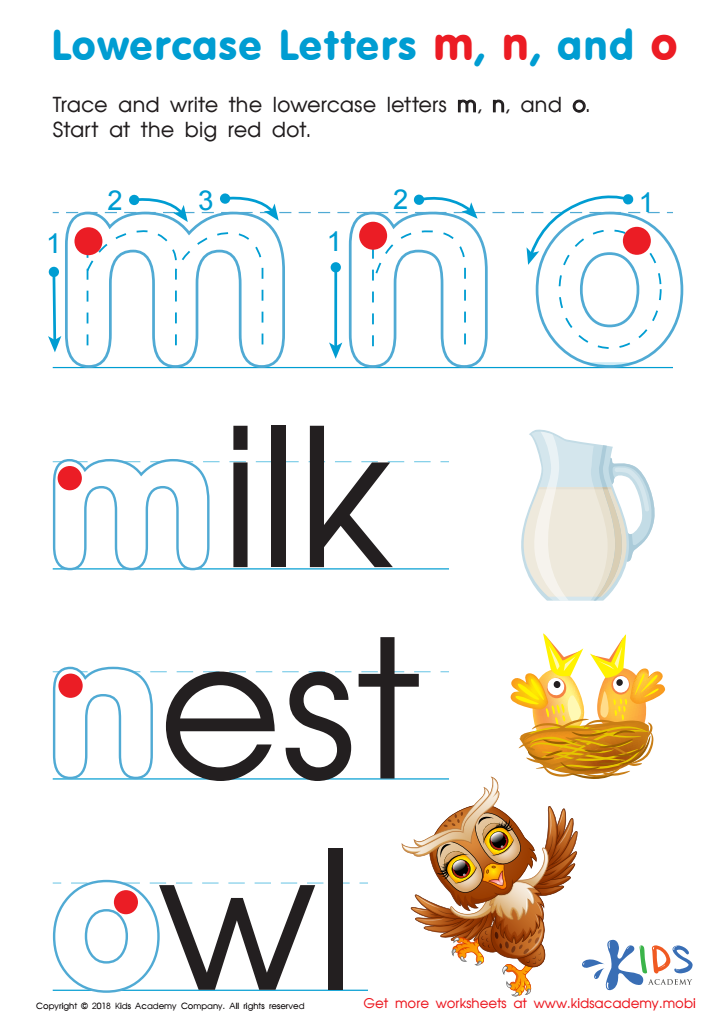
Lowercase Letters m n o Worksheet
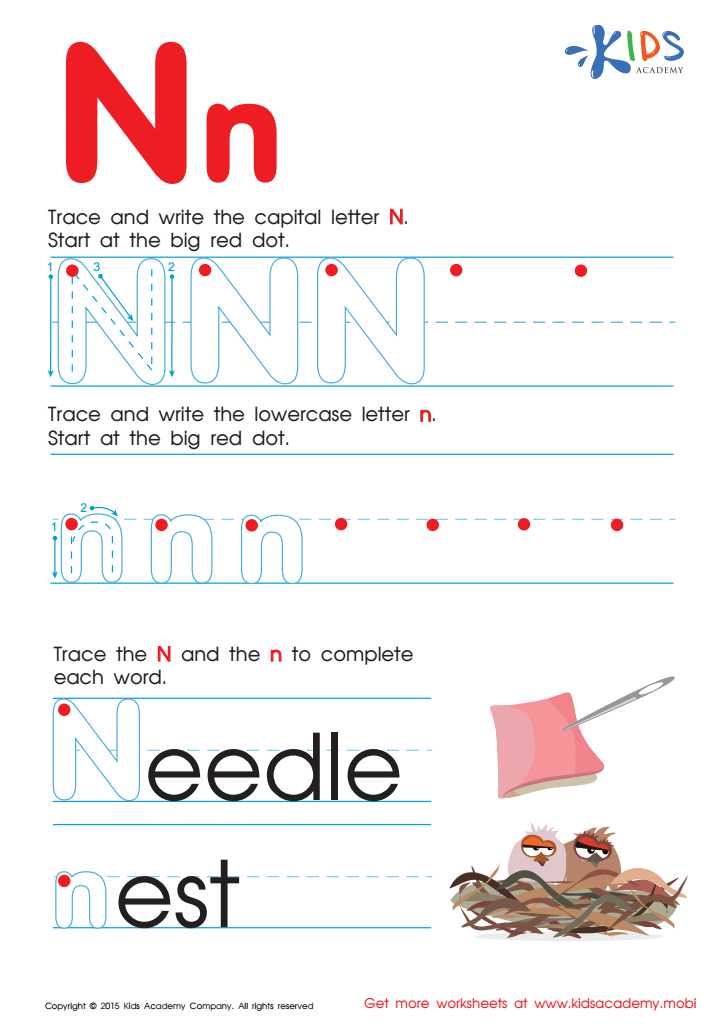
Letter N Tracing Page
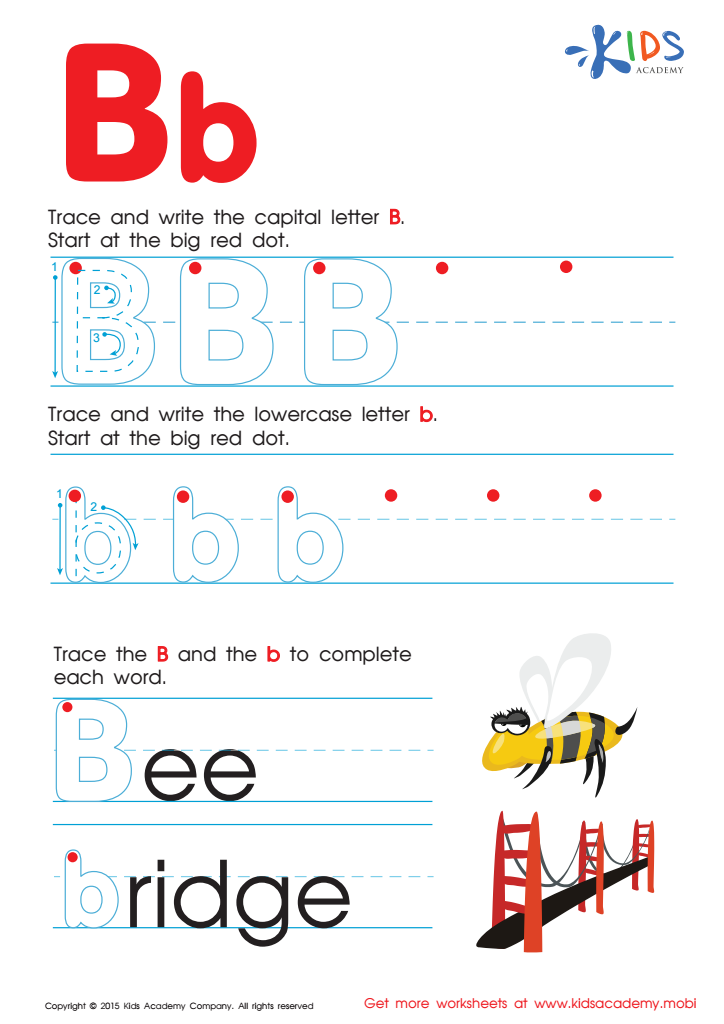
Letter B Tracing Page
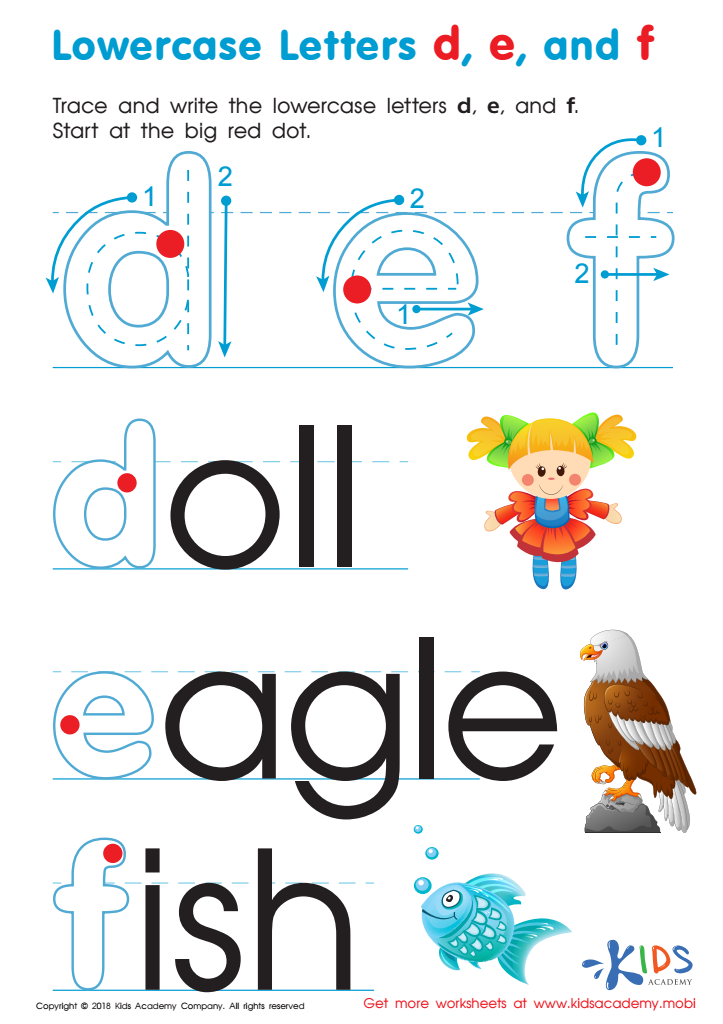
Lowercase Letters d e f Worksheet
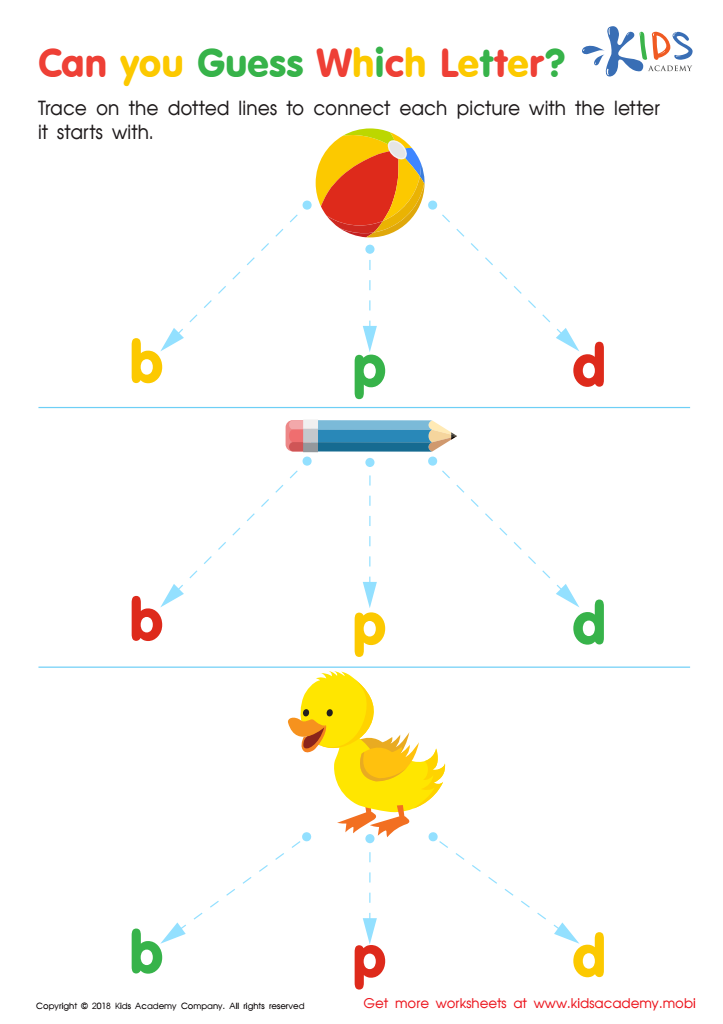
Can you Guess Which Letter? Worksheet
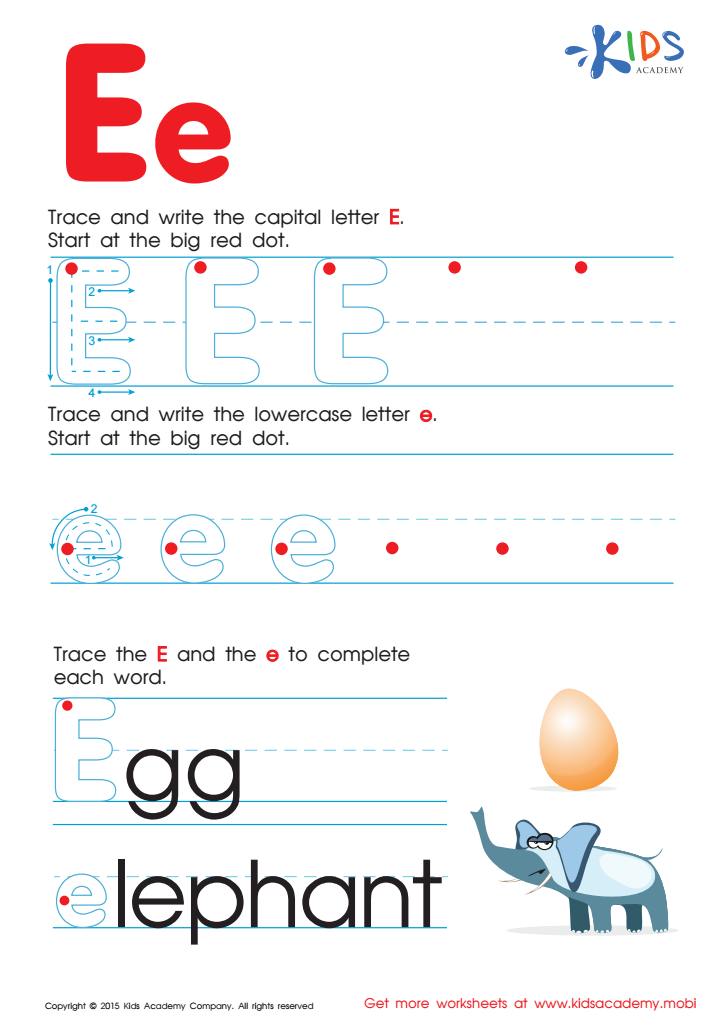
Letter E Tracing Page
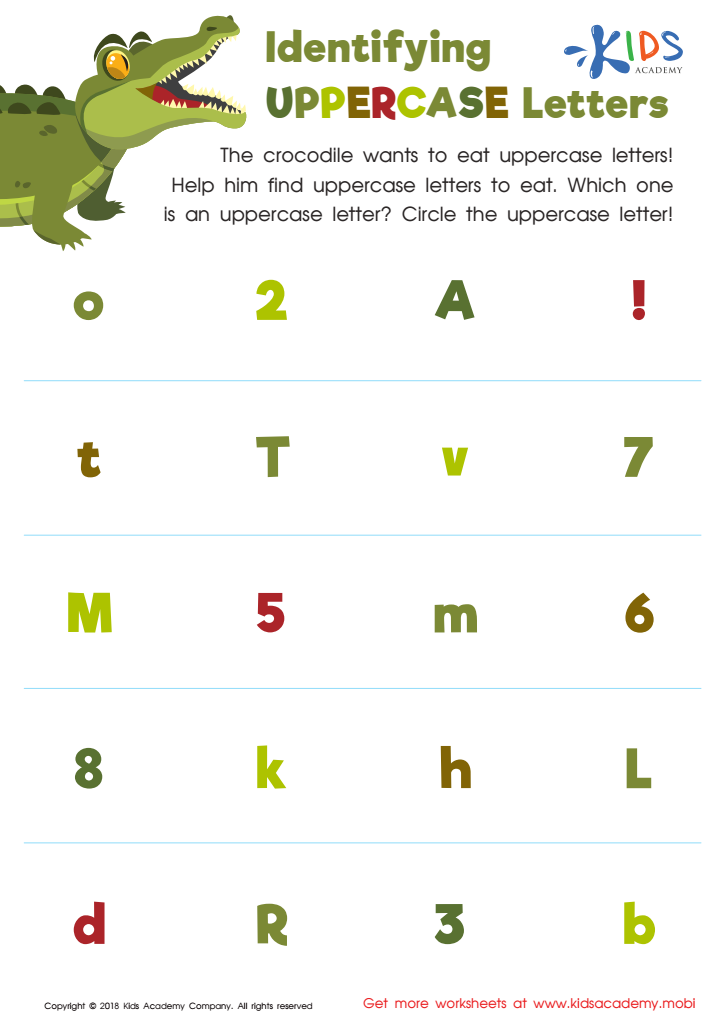
Identifying Uppercase Letters Worksheet








Alphabet recognition and normal letter recognition are essential skills for 4-year-olds as they form the foundation for literacy development. Caring about these skills is crucial for both parents and teachers for several reasons. First, recognizing letters is the first step toward reading proficiency. Children who can identify letters can begin to understand that letters combine to form words and sentences, leading to stronger reading capabilities as they grow.
Moreover, alphabet recognition helps illustrate the connection between spoken and written language. This understanding fosters phonemic awareness, allowing children to recognize sounds linked to specific letters, which is vital for early reading success.
In addition, supporting letter recognition boosts a child's confidence and interest in learning. Engaging activities related to letters can cultivate a positive attitude towards education. Furthermore, early mastery of these skills often leads to more advanced literacy abilities as children progress in school, ultimately improving their academic performance across various subjects.
Finally, the collaborative effort between parents and teachers in promoting letter recognition creates a supportive learning environment. By prioritizing this skill, adults can significantly influence a child's literacy journey and overall educational experience, encouraging a lifelong love for learning.








